
Timeline: How NC GOP lawmakers expanded their power, increased government secrecy

North Carolina Republican lawmakers are poised to further expand their reach over state government as House members Wednesday overrode Gov. Roy Cooper’s veto of a bill taking power from the governor, lieutenant governor, attorney general and state schools superintendent.
They needed to pass the legislation before January, when they will lose a supermajority in the state House and Democrats assume those statewide offices.
Republican legislators began expanding their power after taking over the General Assembly in 2010 for the first time since Reconstruction. Over the same time period, they expanded secrecy and reduced the public’s access to government records.
Here is a partial timeline of some of the most significant changes:
2011: Republican legislators redistricted the State House and Senate seats, strengthening their hold on voting majorities that continues to this day.
2013: Lawmakers required all state rules be reviewed every 10 years by the Rules Review Commission, whose 10 members are chosen by leaders of the State House and Senate. That group began undoing or delaying dozens of pre-existing rules, many regarding environmental protection.
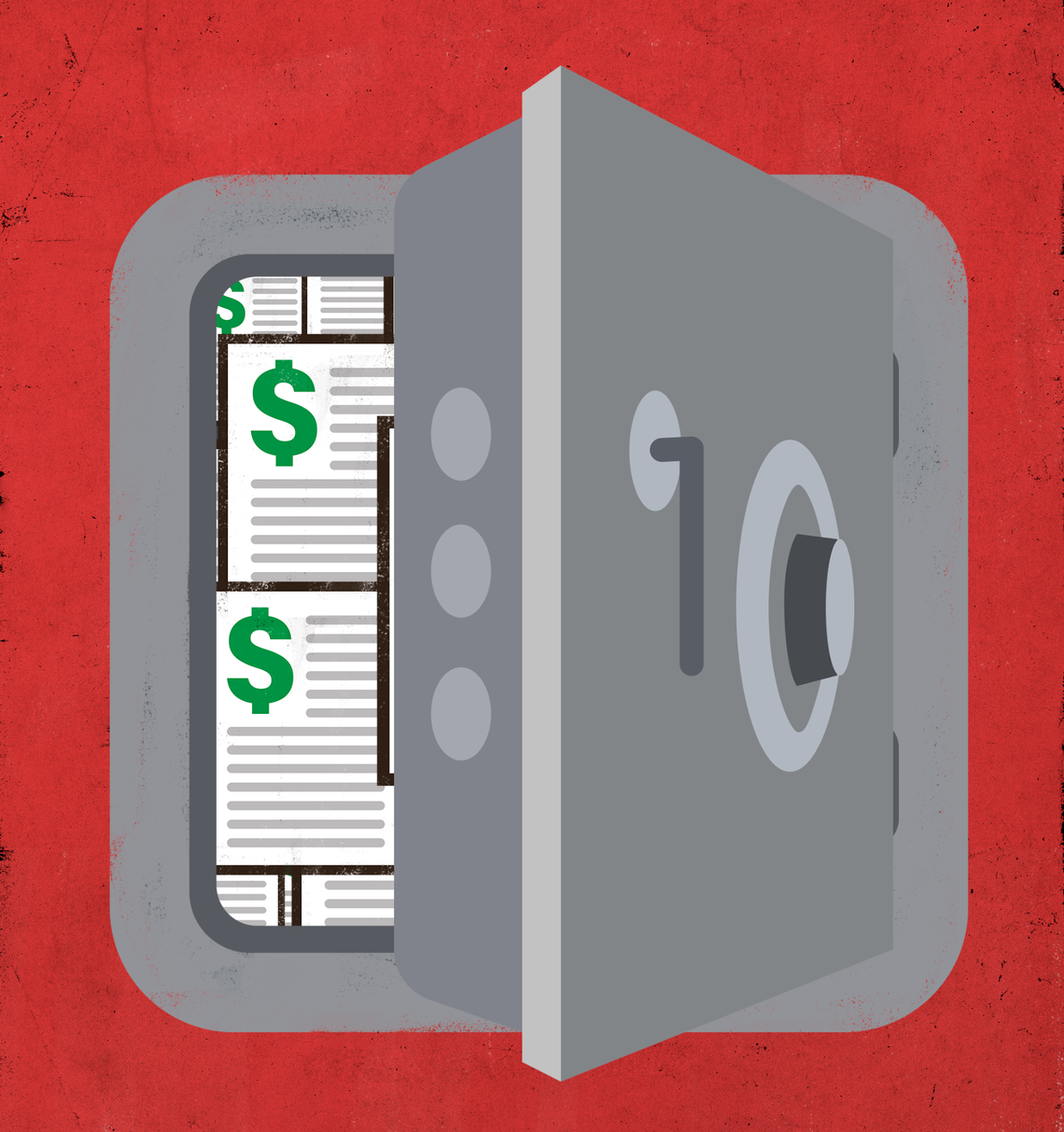
2016: Shortly after Democrat Roy Cooper won the election for governor, lawmakers reduced the power of his office. They stripped it of appointments to public university trustee boards and required state confirmation of cabinet leaders.
2018: Legislative leaders started circumventing the state budget approval process that normally takes weeks. They rolled out a $23.9 billion dollar budget that couldn’t be amended, and required aye or nay votes in both chambers within a few days.
2018: In the wake of an absentee ballot scandal involving a Republican congressional candidate, lawmakers made secret all campaign finance investigations by the state election board.
2021: Lawmakers added a provision in the state budget that prevents the release of data that identifies cases of officers killing or seriously injuring people. The next year, legislative leaders again released a budget bill, this time totaling $27.9 billion dollars, that couldn’t be amended.
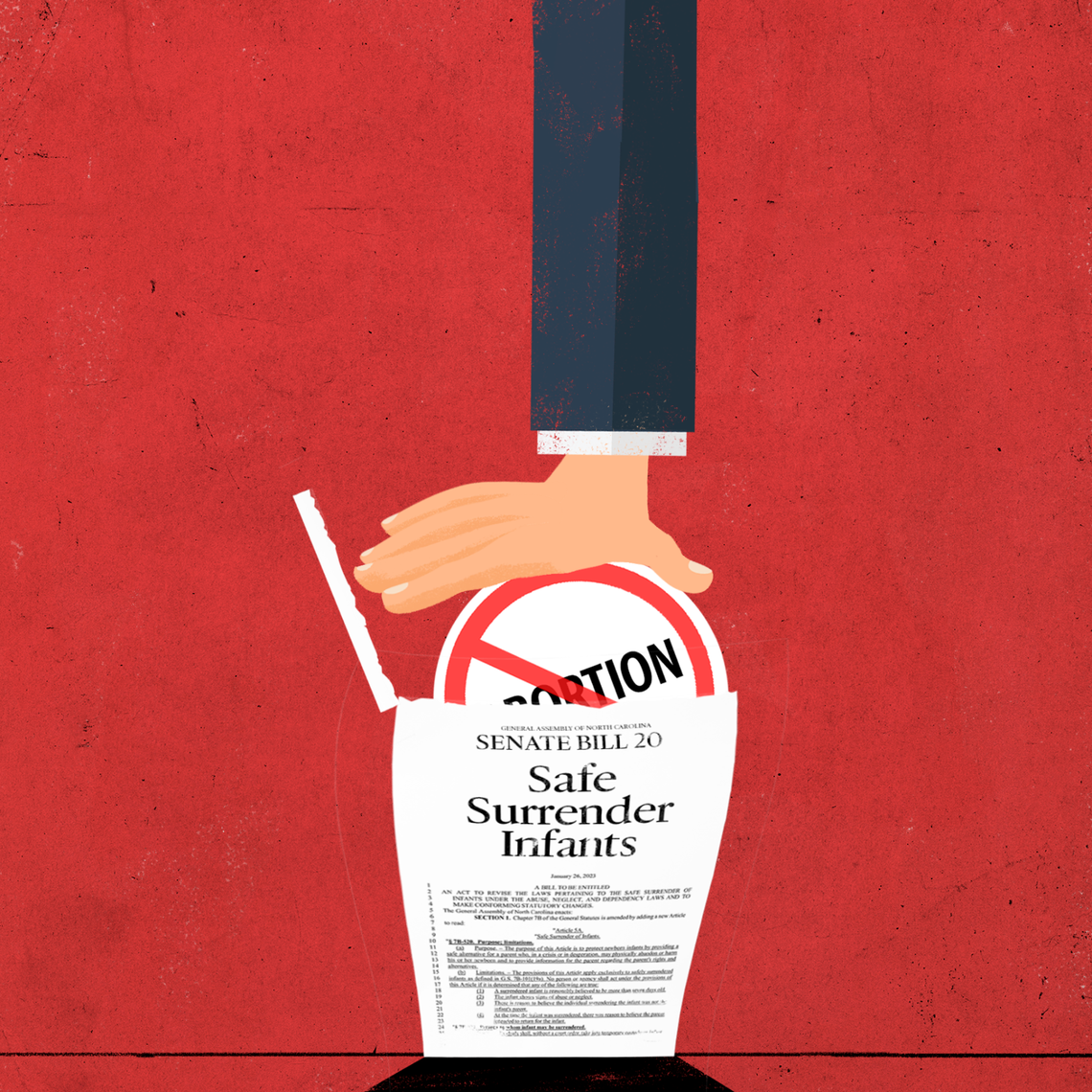
2023: They avoided committee hearings and amendments on landmark legislation that bans many abortions after 12 weeks of pregnancy. They inserted it into legislation that previously passed both chambers. Lawmakers had to vote within 48 hours.
That year they also shifted the power to approve charter schools from the state Board of Education, which has had a majority of gubernatorial appointees, to a review board with a majority of Republican appointees.
And they expanded lawmakers’ influence in the state court system. They can now appoint 10 new special Superior Court judges, and, for the first time, appoint four judges to the state commission that handles complaints against judges.
In addition, they added last-minute provisions that exempt themselves from the state’s sunshine laws and hide records showing how they redistrict state legislative and federal congressional electoral boundaries.
Power & Secrecy is a News & Observer investigative series exploring both in North Carolina state government, especially the N.C. General Assembly since 2011, when Republican lawmakers won control of both chambers. Find stories at newsobserver.com/topics/power-secrecy.
This story was originally published December 13, 2024 at 5:35 AM with the headline "Timeline: How NC GOP lawmakers expanded their power, increased government secrecy."