Lawsuit targeting North Carolina’s eCourts can go forward, federal judge rules
READ MORE
North Carolina’s eCourts system
As North Carolina courts prepare to expand eCourts, intended to be a “virtual courthouse” of operations, critics have been persistent about its implementation and how some have been wrongly arrested. Read coverage of the issue from The News & Observer and The Charlotte Observer.
Expand All
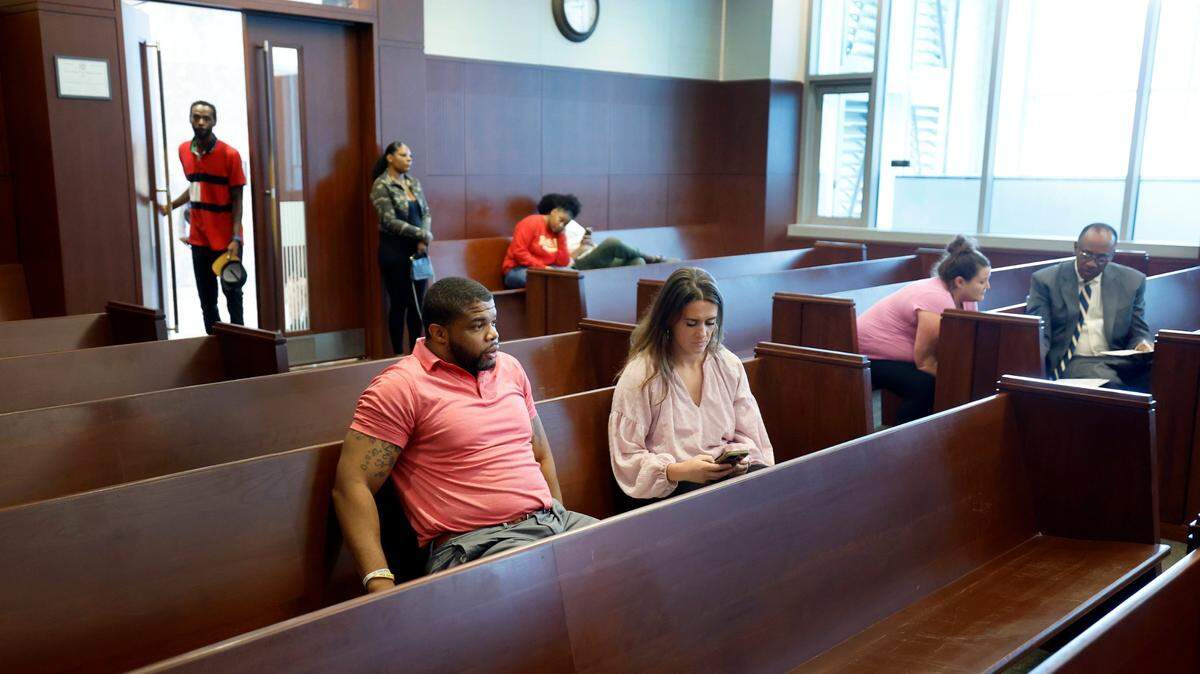
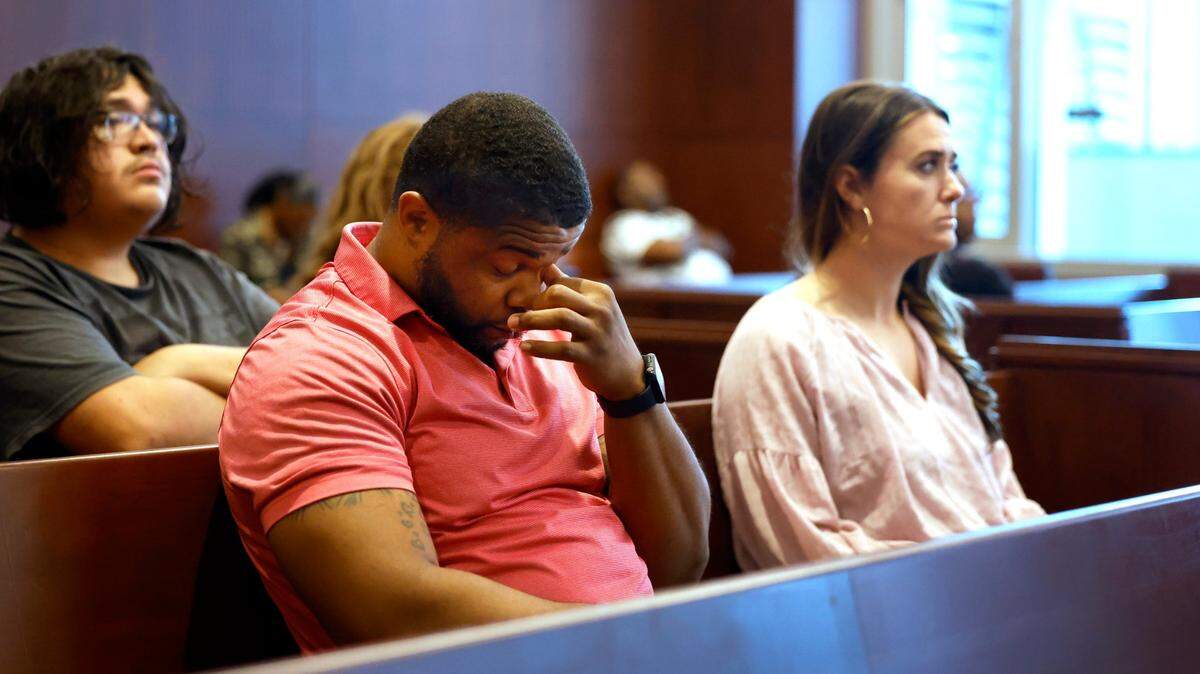
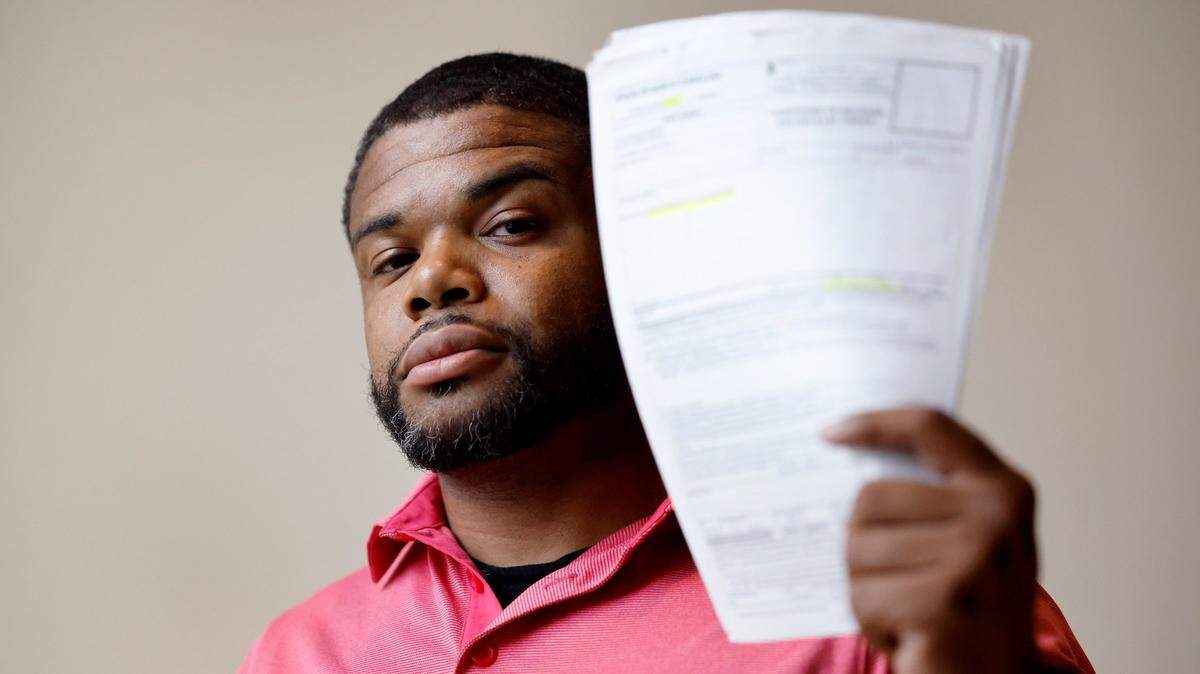
A federal judge ruled Monday that a lawsuit against the creator of North Carolina’s new online court records system can move to discovery, the legal phase in which parties exchange information.
United States District Court Judge William Osteen’s ruling could reveal more about eCourts, software that plaintiffs allege led to extra jail time and multiple arrests on the same warrant. The $100 million project has been touted by the state’s Administrative Office of the Courts as the way to modernize North Carolina’s courthouses, but it was widely criticized upon release.
Along with civil rights concerns, attorneys said the software was slow. Prosecutors tried to halt it from launching in new counties last April.
Vendor Tyler Technologies, which created eCourts for North Carolina, and Mecklenburg County Sheriff Garry McFadden are defendants.
“Almost everyone supports digitizing our state’s court system,” Gagan Gupta, an attorney for the plaintiffs, said in a statement Monday. “But today’s ruling is a powerful reminder that this effort cannot come at the expense of people’s constitutional rights.”
Osteen ruled that the plaintiffs — all people who alleged their rights were violated because of eCourts — adequately argued that Tyler Technologies and McFadden were negligent.
They did not do so with Wake County Sheriff Willie Rowe, and Osteen granted his request that claims against him be dismissed.
McFadden publicly worried about eCourts before it came to Charlotte.
“Although it is possible that even armed with adequate training the deputies still would not have been able to counteract the alleged technical defects, it is equally plausible that had they better understood how to use the software, they may have been better equipped to identify defects and know where to look to seek confirmation of release conditions,” the judge wrote.
A spokesperson for the North Carolina Administrative Office of the Courts did not immediately answer a request for comment.
Ryan Oehrli covers criminal justice in the Charlotte region for The Charlotte Observer. His work is produced with financial support from the nonprofit The Just Trust. The Observer maintains full editorial control of its journalism.
This story was originally published April 1, 2025 at 10:44 AM.