
Some lawmakers want to end state investigations of wrongfully convicted. Why?
A state Senate budget proposal to cut North Carolina’s Innocence Inquiry Commission is being met by resistance from experts on wrongful convictions in North Carolina.
The only government office of its kind in the United States, it independently investigates post-conviction innocence claims, referring successful cases to a three-judge panel for review. A state senator has defended the proposed cut and said nonprofits could fill in, a claim that’s also meeting pushback.
What is the commission?
The General Assembly created the Innocence Inquiry Commission — often called simply “the innocence commission” — in 2006. It opened in 2007.
In reviewing people’s claims that they were wrongfully convicted and incarcerated, it describes itself as neutral, and if the commission finds that someone is indeed guilty of a crime, it shares that finding with prosecutors.
If someone is innocent, though, the commission can give them a clean slate.
A claim might go through multiple reviews, followed by a formal investigation that includes DNA testing, a commission hearing and finally another hearing in front of a panel with three judges. If those judges agree unanimously, the person gets exonerated.
What has the commission done?
Since 2007, the commission has reviewed over 3,600 claims of innocence and held 19 hearings, The News & Observer reported last month. Sixteen people have been exonerated as a result of its investigations.
Which cases are reviewed?
There are some prerequisites.
The person needs to have been convicted in a North Carolina state court for a felony, he must be alive and he has to claim “complete factual innocence.”
There has to be credible and verifiable evidence that he is innocent, and that claim cannot have already been made at a trial or a post-conviction hearing. He must also sign an agreement to cooperate with the commission, among other things.
Why do senators want to cut it?
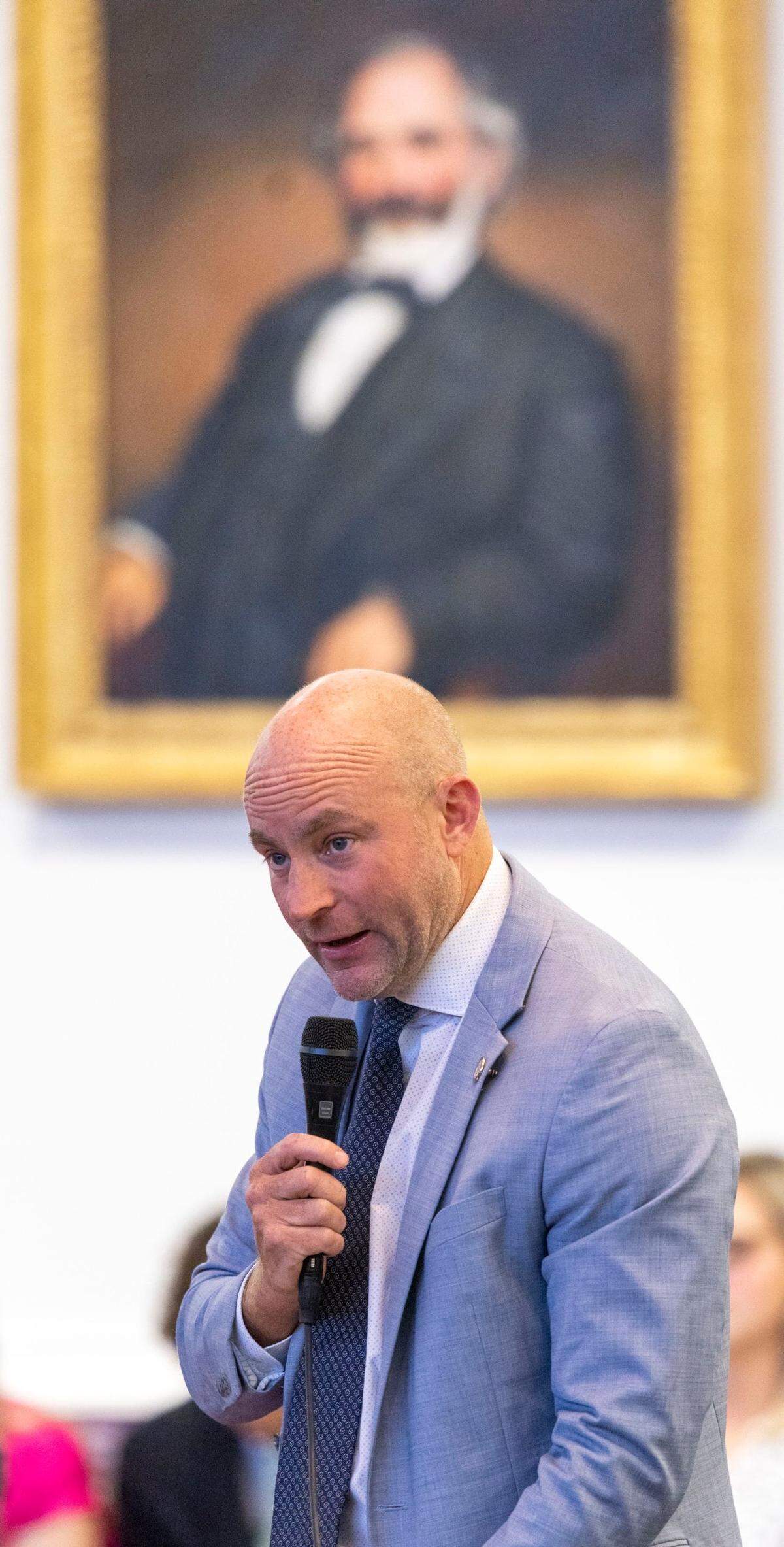
State Sen. Danny Britt, a Republican from Robeson County, said the commission has not completed enough cases and that nonprofit organizations could do the work instead, The News & Observer reported. He said lawmakers targeted the commission to reduce state spending.
The state House GOP, however, wants to keep the N.C. Innocence Inquiry Commission in place, but rename it the N.C. Postconviction Review Commission.
What do experts say?
Aside from the innocence commission, there are two major innocence projects in North Carolina universities, as well as a nonprofit.
“I was actually surprised to hear that justification when it was first offered because it was speaking directly to us picking up the slack for the elimination of the Innocence Inquiry Commission without ever having a conversation about our capacity,” said Jamie Lau, an attorney who supervises Duke Law School’s Wrongful Convictions Clinic.
Lau worked at the innocence commission — the one senators want to cut — for about two and a half years, starting in 2010 and leaving in 2012.
Today, Duke’s clinic already reviews hundreds of letters every year from people who want their case reviewed, he said.
Nonprofits already can’t handle that workload, and it would be worse if lawmakers ended the state investigations, he said.
.JPG "RAL_DSC09951EDT (1).JPG")
Two other North Carolina nonprofits are known for their work in getting people exonerated: the Innocence and Justice Clinic at Wake Forest University’s law school and the Center on Actual Innocence.
In a recent post on LinkedIn, the Innocence and Justice Clinic’s director, Mark Rabil, asked people to contact lawmakers and voice support for the commission. The Center on Actual Innocence’s director, Chris Mumma, similarly voiced support for the commission in an interview with The Assembly.
What’s unique about it?
Lau said that the commission has greater authority than those nonprofits.
“The innocence commission has the statutory authority to use all the rules and criminal and civil procedure for discovery to obtain information,” he said. “It’s one of the reasons they’ve been so successful.”
The commission can depose someone, get government records that a nonprofit might not be able to and much more, he said.
What are some notable cases the commission reviewed?
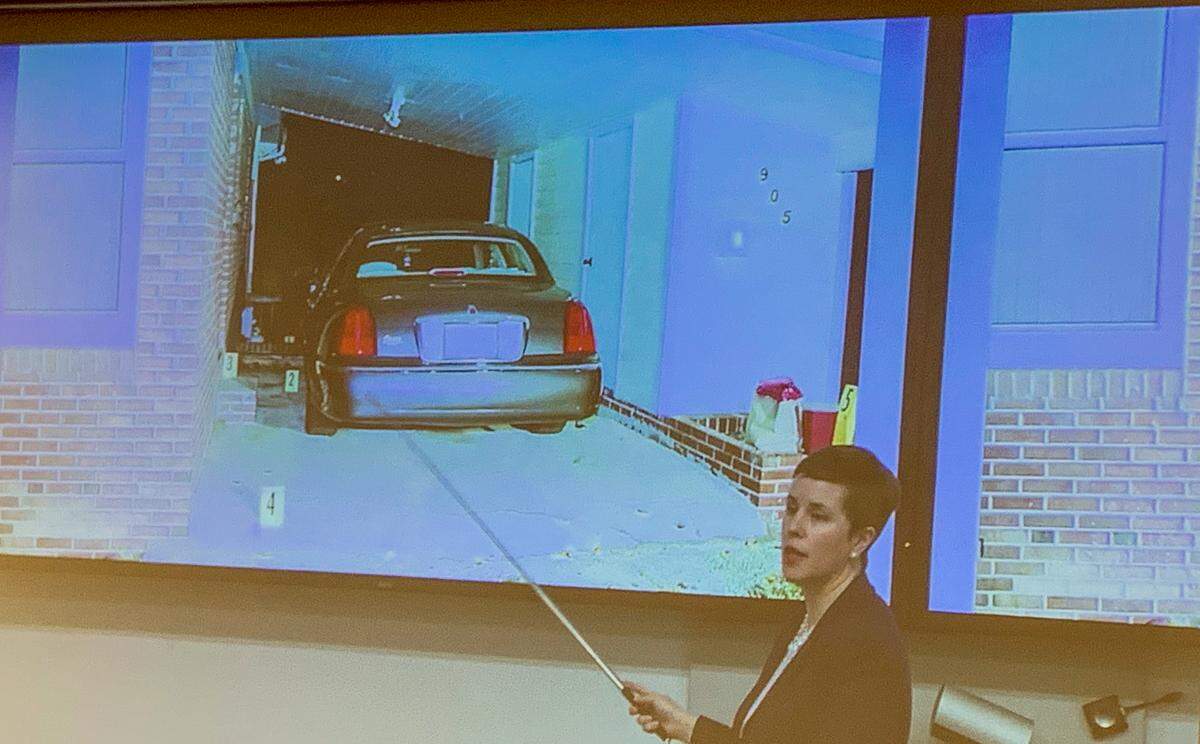
Durham’s Greg Taylor received the first exoneration through the commission’s process in 2010 after he spent 16 years in prison. He was convicted in the 1993 beating death of Jacquetta Thomas. The only physical evidence was a spot on the wheelwell of his SUV. State analysts had testified that it was blood, but testing showed it was not.
Kenneth Kagonyera and Robert Wilcoxson spent a decade in prison for murder before a three-judge panel exonerated them in 2011. DNA evidence withheld from their original defense attorney implicated someone else. The commission’s review also found that another man had confessed to the murder, but the state never disclosed that.
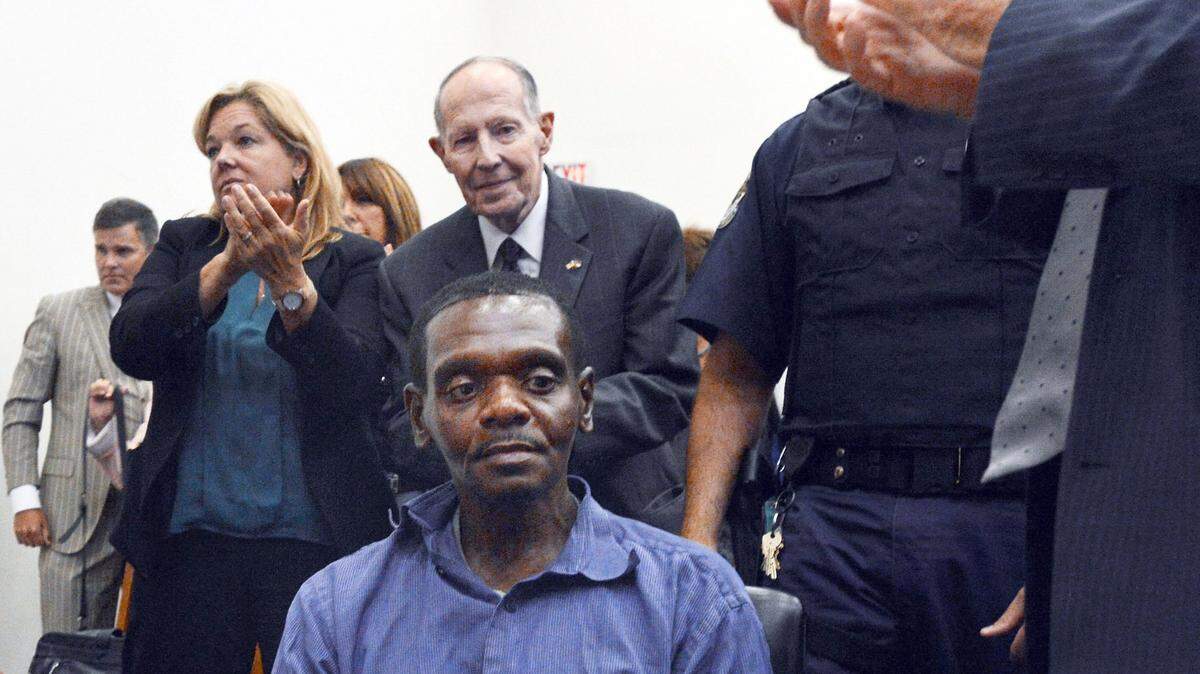
Half-brothers Henry McCollum and Leon Brown, both intellectually disabled, were convicted of raping and murdering a girl. The two were teenagers at the time of her death. The late Supreme Court Justice Antonin Scalia pointed to their case as one justifying capital punishment. But they were coerced into confessing to the crime, and police fabricated evidence. The men were freed after prosecutors agreed to vacate their convictions in 2014.
In a Mecklenburg County case, Israel Grant was exonerated after spending 11 years in prison for an armed robbery he did not commit. Commission investigators found evidence that the “victims” knew Grant and might have had other motives for claiming he robbed them, The Charlotte Observer reported after he was exonerated in 2018.
Ryan Oehrli covers criminal justice in the Charlotte region for The Charlotte Observer. His work is produced with financial support from the nonprofit The Just Trust. The Observer maintains full editorial control of its journalism.