
The Medicaid change that Thom Tillis blasts — and how it could gut NC expansion
AI-generated summary reviewed by our newsroom.
- Sen. Thom Tillis opposed the Senate bill, citing major Medicaid funding cuts.
- A tax change in the bill risks rollback of North Carolina's Medicaid expansion.
- New work and verification requirements may drop 255,000 from coverage rolls.
READ MORE
US Sen. Thom Tillis & NC Senate race
U.S. Sen. Thom Tillis, a Republican who has represented North Carolina in Washington for a decade , announced June 29, 2025, he won’t seek reelection amid dissent with President Donald Trump. The Huntersville resident, a former speaker of the state House of Representatives, was first elected to the Senate in 2014. Here is coverage of the announcement and what it means for the 2026 Senate race.
Expand All
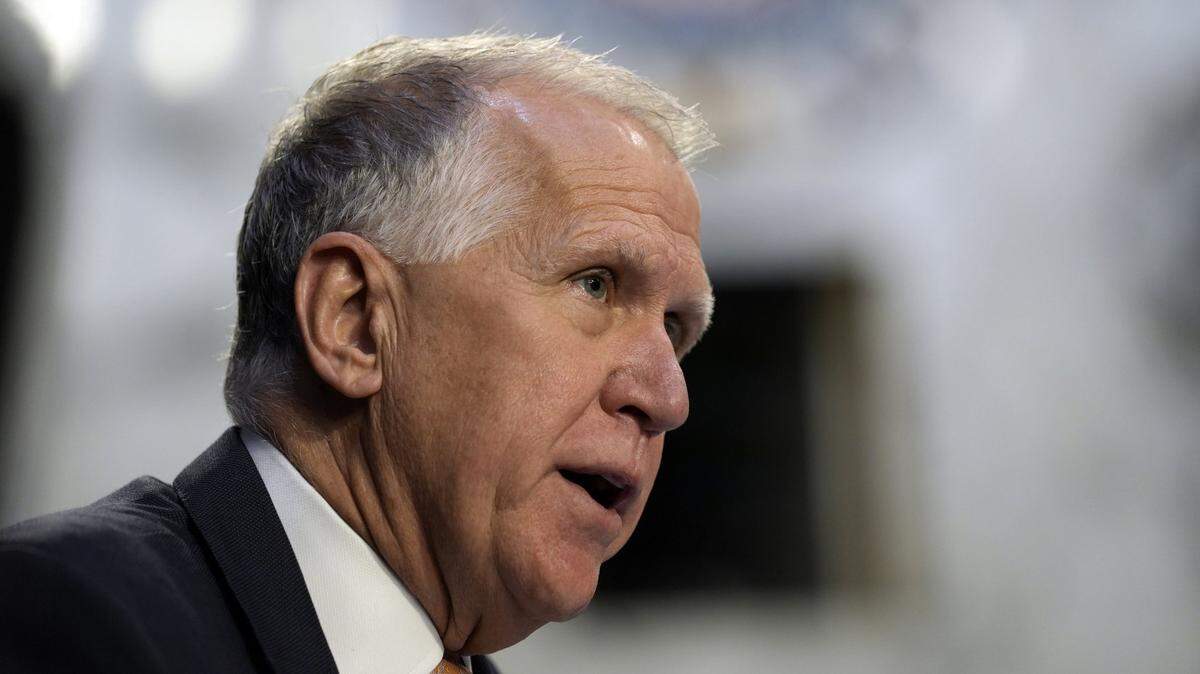
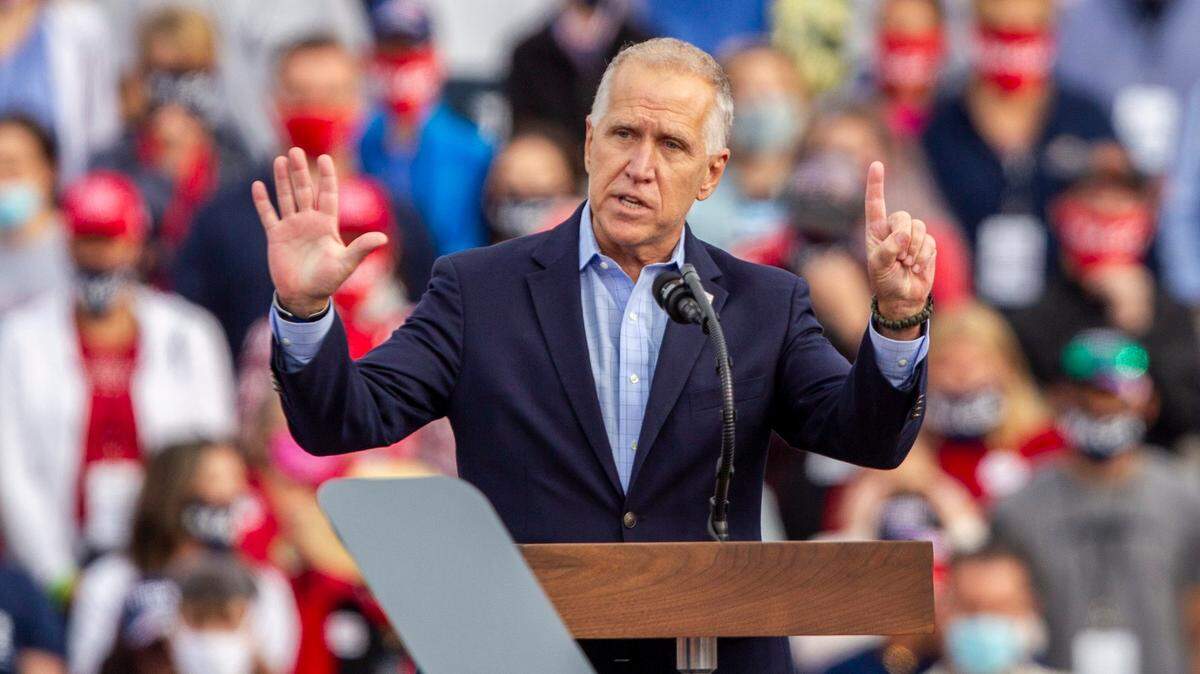
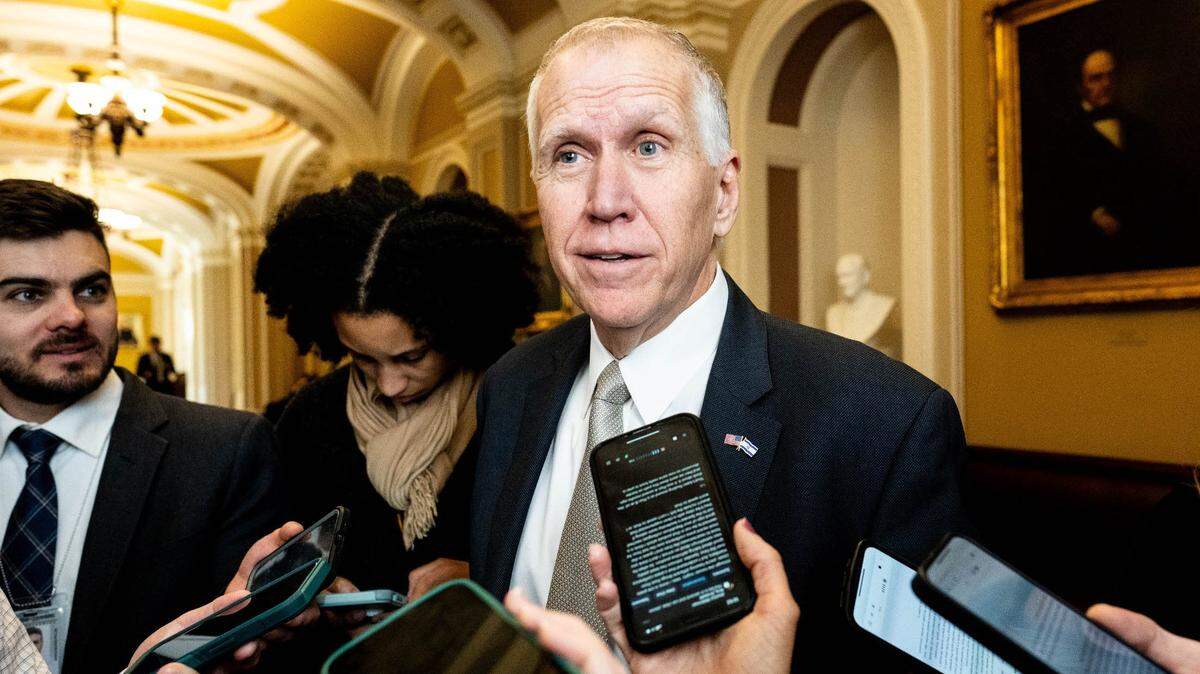
Sen. Thom Tillis said he did his due diligence to understand the effects of President Donald Trump’s “big, beautiful bill” before voting on Saturday against a motion needed to begin debate on it.
Particularly, he wanted to understand the effect of the bill’s cuts and changes to Medicaid, he said during a Senate floor speech Sunday night.
After conducting his own analysis and consulting with North Carolina legislative leaders, hospitals and the governor, Tillis said he concluded that the bill would break a promise made to Americans on health care.
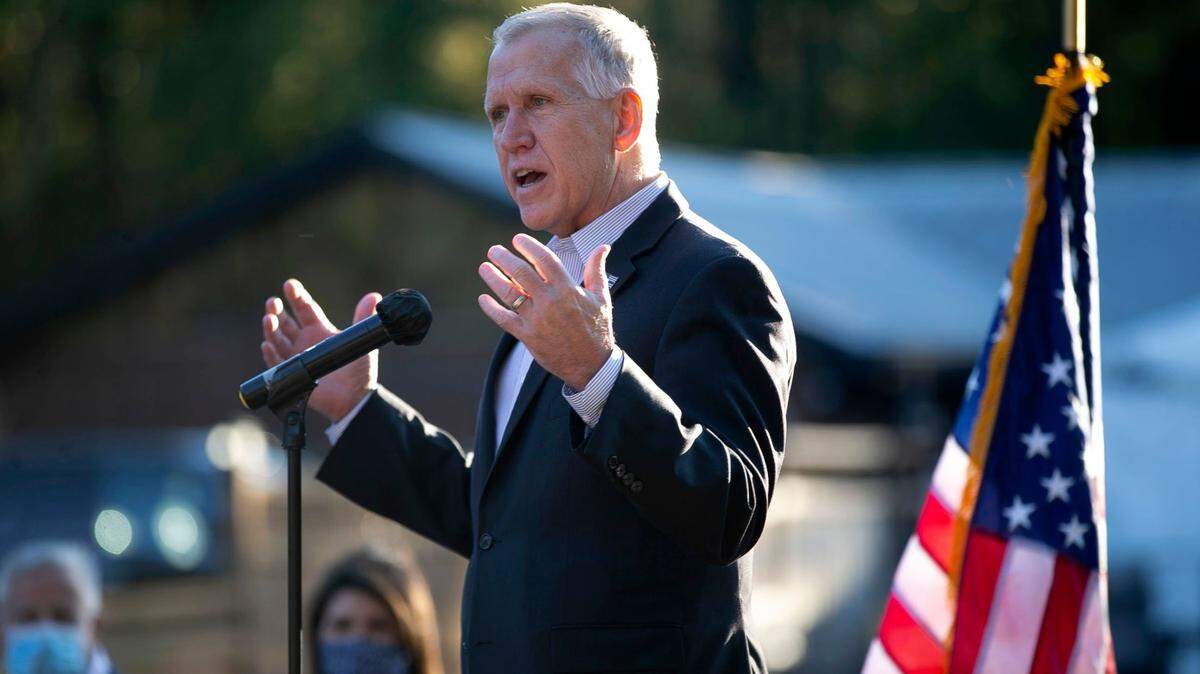
“So what do I tell 663,000 people in two years or three years, when President Trump breaks his promise by pushing them off of Medicaid because the funding is not there anymore?” Tillis said, referring to the people who have gained coverage since Medicaid expansion took effect in North Carolina in December 2023.
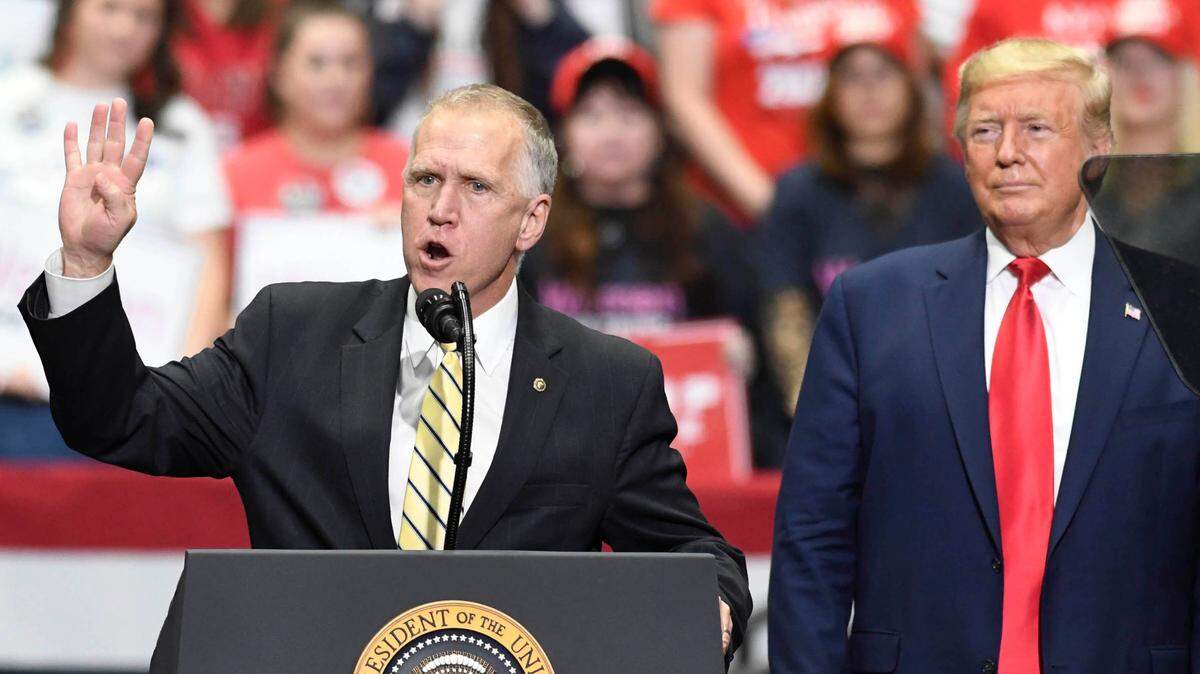
Tillis announced Sunday he would not seek reelection. A day earlier, Trump said on social media he would begin looking for candidates to primary Tillis in 2026 — though just minutes before, Tillis had told Trump to start looking for his replacement, according to a message obtained by The News & Observer and other news outlets.
The Senate passed its version of the tax and spending bill Tuesday afternoon after a day of negotiations, sending it back to the House. The vote was 50-50, with Vice President JD Vance casting the tie-breaking vote.
Tillis and two other Republicans joined Democrats in voting no.
North Carolina’s other senator, Republican Ted Budd, voted for the bill, citing its extension of 2017 tax cuts and “responsible spending reforms for government programs.”
“I hope my colleagues in the House quickly get this bill on President Trump’s desk because Americans cannot afford the largest tax increase in our nation’s history,” Budd said in a statement.
If the bill ultimately becomes law, it could blow a hole in how North Carolina pays for Medicaid — and could even lead to a rollback of the state’s recently launched expansion.
And new work and verification requirements in the bill would further reduce the Medicaid rolls. According to the state’s health and human services department, they would result in an additional 255,000 people losing coverage.
How would the bill affect Medicaid?
The House-passed version of the bill included new Medicaid work requirements, more frequent eligibility checks, and other reforms that supporters say aim to reduce federal spending by cutting waste and misuse.
The Congressional Budget Office projected that such Medicaid changes would result in about 7.8 million people being uninsured by 2034.
Once the Senate released its own version, that estimate grew: More than 11.8 million Americans could lose health insurance coverage by 2034.
States, including North Carolina, would also lose billions.
Many of those losses stem from a provision that would gradually lower the federal cap on provider taxes — from 6% to 3.5% of net patient revenue — starting in 2028.
Before expansion, North Carolina limited Medicaid to parents earning less than 41% of the federal poverty level — about $8,000 a year for a family of three. Adults without children were largely ineligible unless they had disabilities or other exceptions. Many fell into a coverage gap — earning too much for Medicaid but too little to qualify for federal subsidies. Expansion raised eligibility to all adults earning up to 138% of the poverty level — about $20,120 a year.
According to a report from Tillis’ office, North Carolina could lose $32 billion over 10 years under the Senate plan.
Increased administrative costs combined with the phase-down of provider taxes could trigger the automatic end of Medicaid expansion under state law.
What is the provider tax and how does North Carolina use it for Medicaid?
States like North Carolina use provider taxes — assessed on hospitals and health care providers — to help fund their share of Medicaid.
When Medicaid patients receive care, the state and federal governments split the cost. In North Carolina, the federal government covers 90% of costs for the expansion population. And it covers about 65% for the traditional, nonexpansion population.
To draw down more federal dollars, the state increases Medicaid payments to hospitals, which then triggers higher federal matching funds. The state then recoups part of its share by taxing hospitals through provider assessments. When North Carolina expanded Medicaid in December 2023, it did so alongside the Healthcare Access and Stabilization Program (HASP). HASP uses provider taxes to fund the state’s 10% share of expansion costs.
Under the state’s expansion law drafted by the GOP-led legislature, if the federal match drops below 90%, or if the state must pick up any nonfederal expansion costs, Medicaid expansion would be ended.
If the provider tax is lowered, North Carolina may not be able to raise enough to cover its share.
Hospitals in North Carolina have received $4.9 billion in federal funds through HASP this fiscal year, according to Tillis’ office.
The N.C. Healthcare Association, which represents hospitals, said Saturday that under the Senate bill “the benefit of HASP in North Carolina is virtually eliminated.”
“This would be a loss of up to $6.5 billion for North Carolina, nearly $5 billion of which is federal funding, that the state is unlikely prepared to fill — and could only do so by deeply cutting from other necessary priorities.”
This could include cuts to, or the full elimination of, home- and community-based services, postpartum care for women 12 months post-birth, payment rates for hospitals, and expansion, according to Tillis’ report. The state’s medical debt plan also uses HASP funds.
North Carolina’s Department of Health and Human Services warned that even the U.S. House bill — which freezes provider taxes but does not reduce them — could lead to Medicaid expansion ending.
The House version does not lower provider taxes but prohibits states from increasing them or establishing new ones.
“The primary way the state offsets new costs under expansion is by using provider taxes. If those are frozen by congressional action, we lose that funding source, requiring an amendment in state law to ensure Medicaid expansion does not get eliminated,” NCDHHS said in an email to The N&O.
“NCDHHS is working with partners to ensure everyone, including congressional and state leadership, understands the impact these proposals will have on North Carolinians,” it said.
How many people would lose coverage?
Jay Ludlam, deputy secretary for NC Medicaid, said Tuesday during a DHHS press call that both the House and Senate proposals would result in about 255,000 people losing coverage because of work requirements and added administrative burdens. Under both plans, the state would have to implement the work requirements by December 2026.
“There are going to be a lot of administrative, bureaucratic, additional requirements that are going to fall on largely working North Carolinians, who, again, live in predominantly rural counties,” he said.
DHHS also estimates the state could lose nearly $40 billion in federal funding over the next 10 years under both proposals.
Democratic Gov. Josh Stein, who joined the call, said the federal Medicaid proposals “would represent a devastating loss for North Carolina,” with more than one in four residents losing their health care coverage, including 670,000 who gained that coverage under Medicaid expansion.
Expansion “was the biggest bipartisan victory in our state’s recent history. It brought people affordable health care, and it shored up rural hospitals that were struggling,” he said.
He urged the state’s congressional delegation to vote against the cuts.
History and Tillis’s perspective
Tillis, who was speaker of the North Carolina House from 2011 to 2014, said that during a 2011 $2 billion shortfall on a $20 billion budget, the state cut 12% from the university system in a coordinated way, consulting leaders.
“Why do I use that example? Because the Medicaid proposal in this bill bears no resemblance to that kind of discipline and due diligence,” he said on Sunday.
He added many colleagues do not understand the complex funding structure under Medicaid. And that for himself to fully assess the bill’s impact, he reached out to state House Speaker Destin Hall, Senate leader Phil Berger, Stein, and the hospital association. He asked each of them to develop an assessment.
Berger on Saturday said he supported Trump’s bill and the “legislature will work through any implementation issues.”
Budd supports the Medicaid changes. In a post on X, he said, “Nobody is cutting Medicaid. We’re making it sustainable for those it was originally intended to serve.”
Tillis said he compiled those estimates into a report, presented it to Mehmet Oz, and joined multiple calls with Oz’s agency, the Centers for Medicare and Medicaid Services, to see if their analysis differed. They couldn’t “discredit” the analysis, he said.
“Republicans are about to make a mistake on health care and betray a promise,” he said, adding that the last broken promise he saw like this was the Obama administration’s Affordable Care Act pledge that Americans could keep their plans and doctors. That broken promise, Tillis said, helped him become the second Republican speaker of the North Carolina House since the Civil War and later a U.S. senator.
In NC, Tillis opposed expansion of provider tax, Medicaid
White House health care experts, he added, refuse to admit that instructions to cut “waste, fraud and abuse” are effectively eliminating a long-standing program, the provider tax.
“We have morphed a legal construct that admittedly has been abused and should be eliminated into waste, fraud and abuse, money laundering,” he said.
As House speaker, Tillis said he refused to expand the provider tax beyond 2.5%. It now stands at 6%.
“That’s a mistake on the part of leadership,” he said.
He said he also refused to expand Medicaid during his time as speaker because “I was convinced some day we would be here, and I would have rather found a way to have more people on Medicaid at the standard FMAP (federal match for Medicaid) than having this 90/10 match and watching it disappear and taking away desperately needed health care,” he said.
“I owe it to the American people and I owe it to the people of North Carolina, to withhold my affirmative vote until it’s demonstrated to me that we’ve done our homework. We’re going to make sure that we fulfill the promise, and then I can feel good about a bill that I’m willing to vote for, but until that time, I will be withholding my vote,” he said.
Trump has pushed for Congress to send the bill to his desk by July 4, which falls on Friday.
Republicans hold a majority in the Senate.
This story was originally published June 30, 2025 at 6:59 PM with the headline "The Medicaid change that Thom Tillis blasts — and how it could gut NC expansion."



.jpg)