How Charlotte’s light rail killing became a national story overnight
READ MORE
Charlotte light rail train stabbing
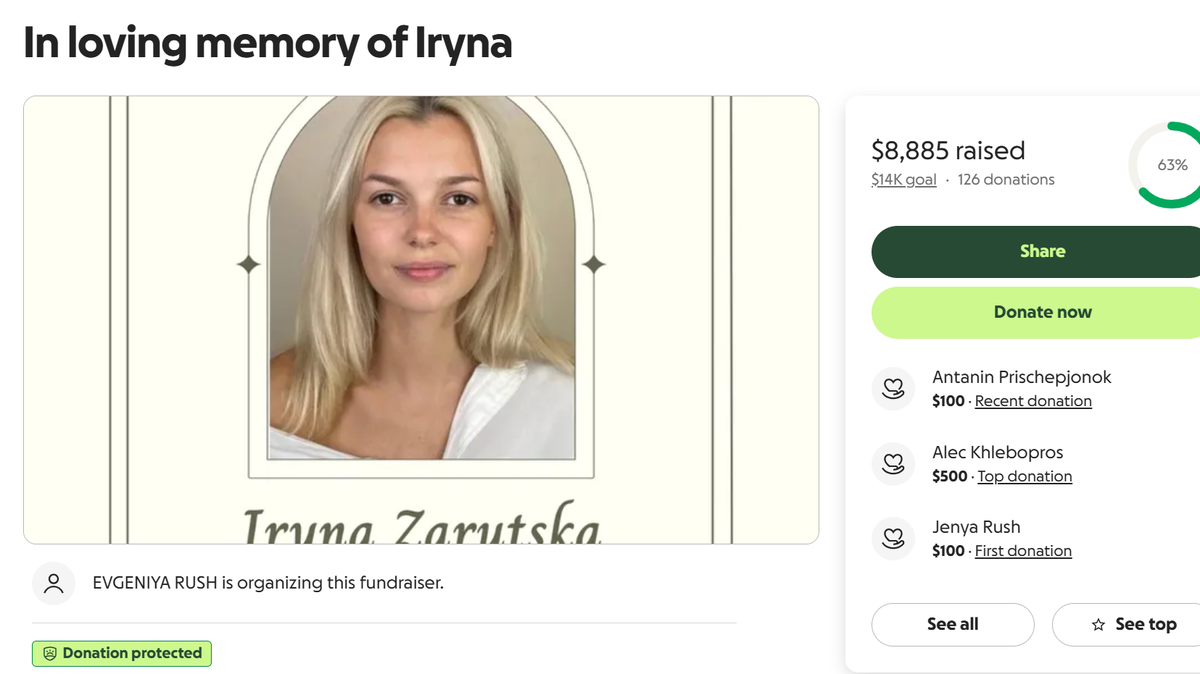
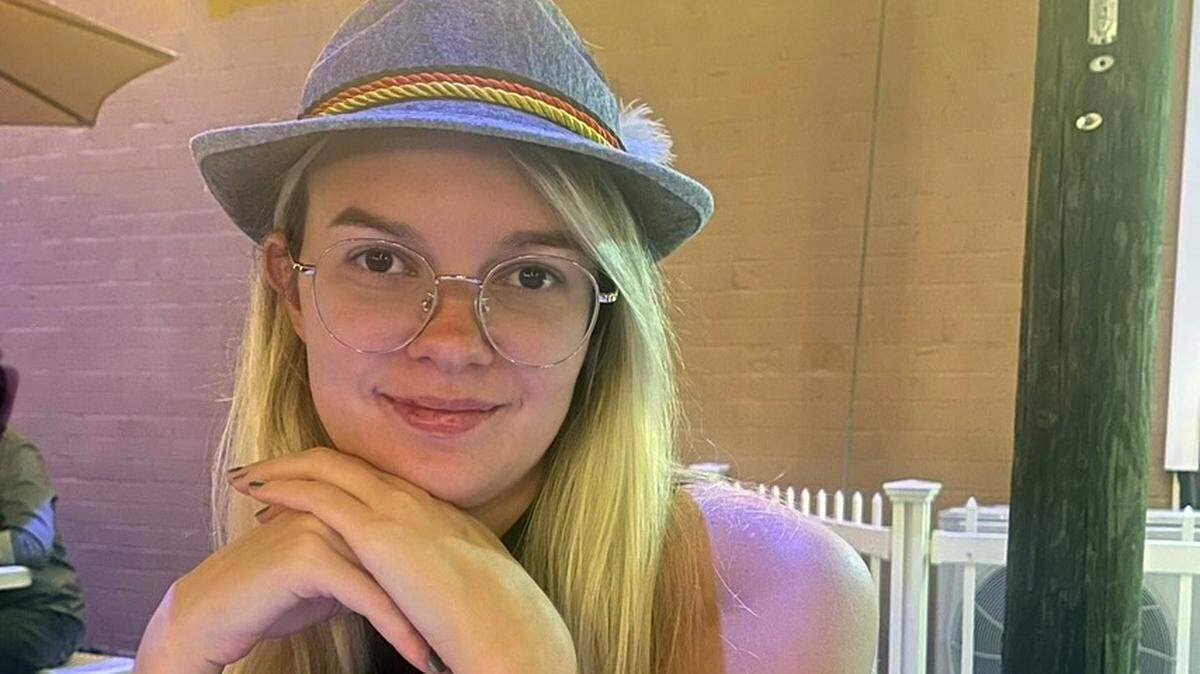
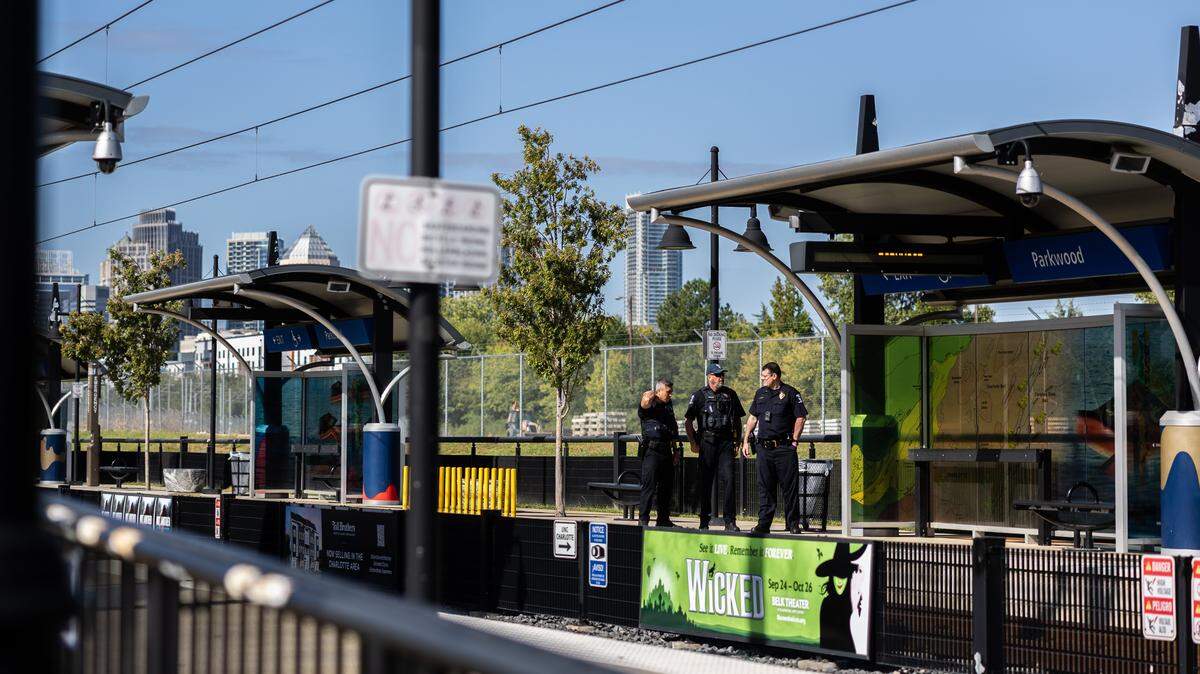
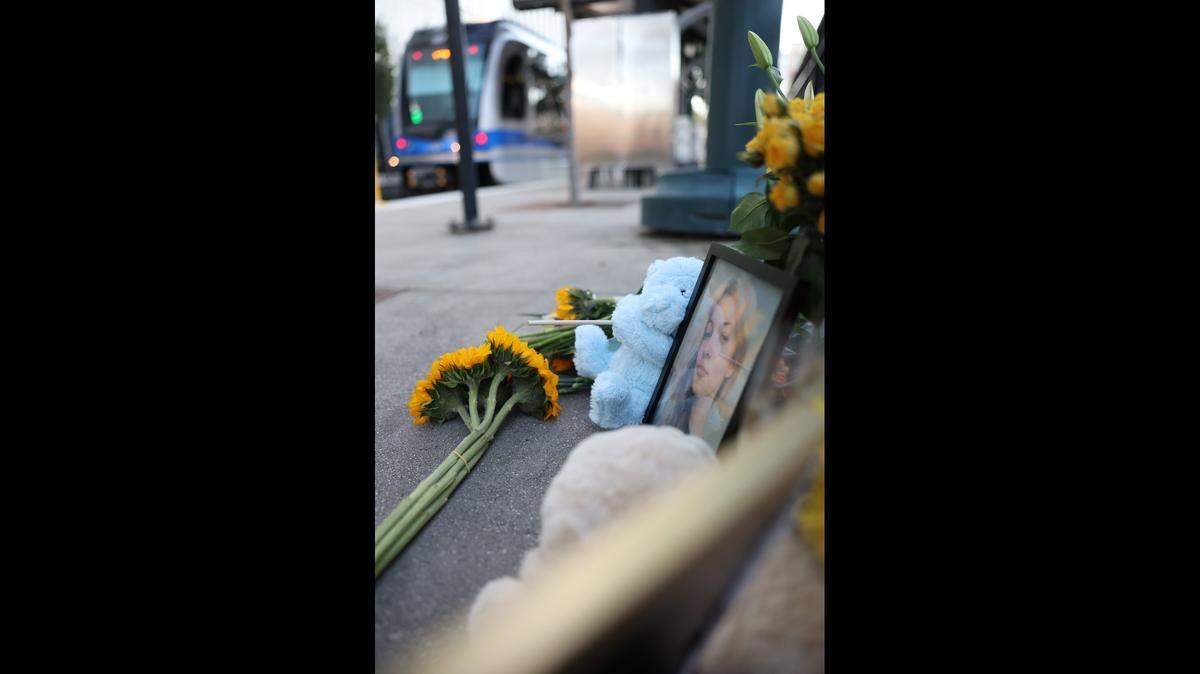
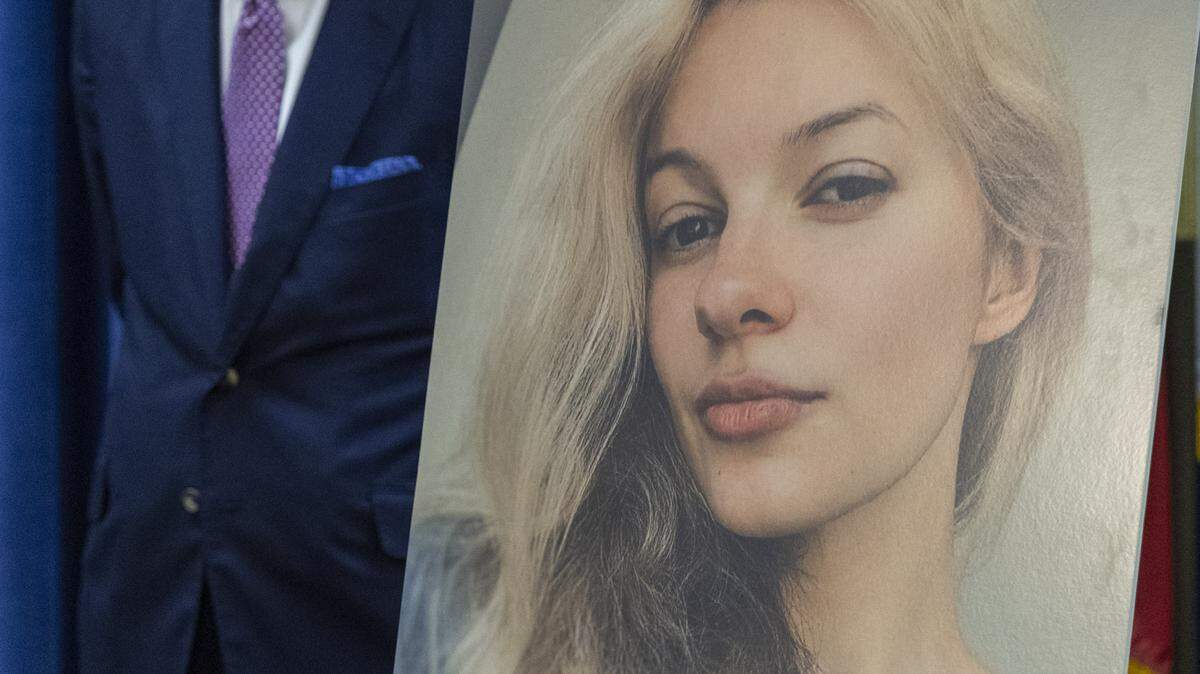
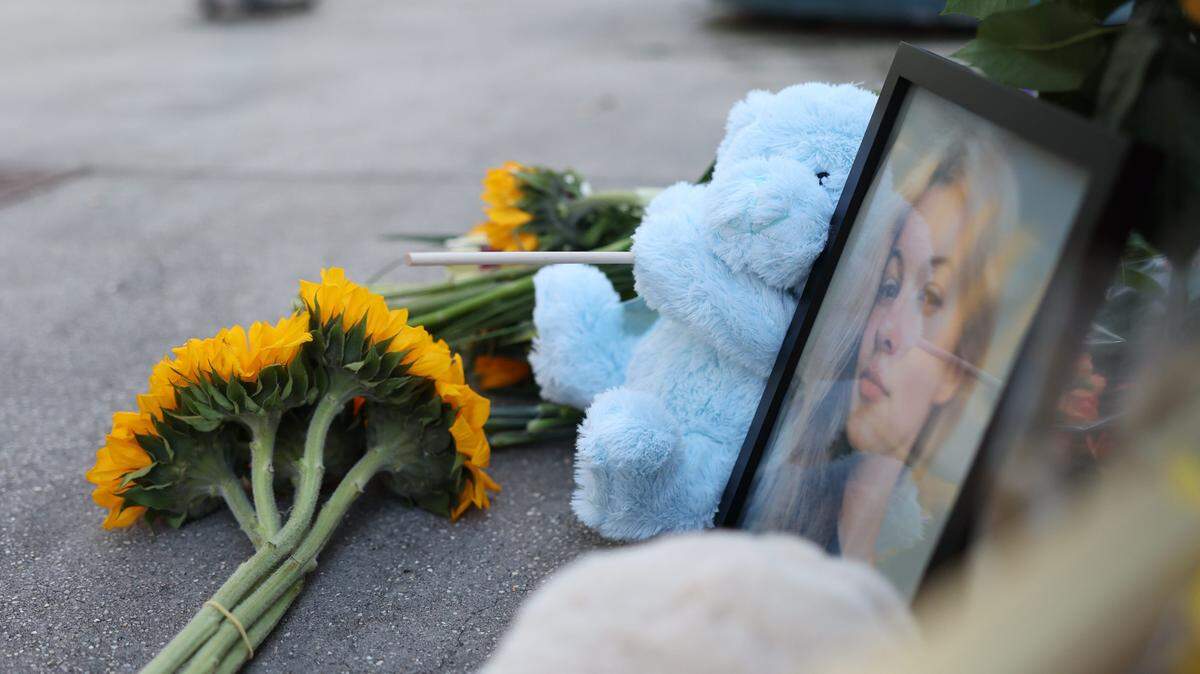
A 23-year-old Ukrainian refugee, Iryna Zarutska, was fatally stabbed on Aug. 22 on the light rail line in Charlotte’s South End. 34-year-old DeCarlos Brown Jr., who has a reported history of mental health issues, is charged in the killing. Zarutska’s death has received national attention, with public comments from President Donald Trump, Elon Musk, and Charlotte officials.
Expand All
The release of video footage of Ukrainian refugee Iryna Zarutska’s death on the Lynx Blue Line last week instantly propelled the narrative from a local story to a national conservative media firestorm with Charlotte at the center.
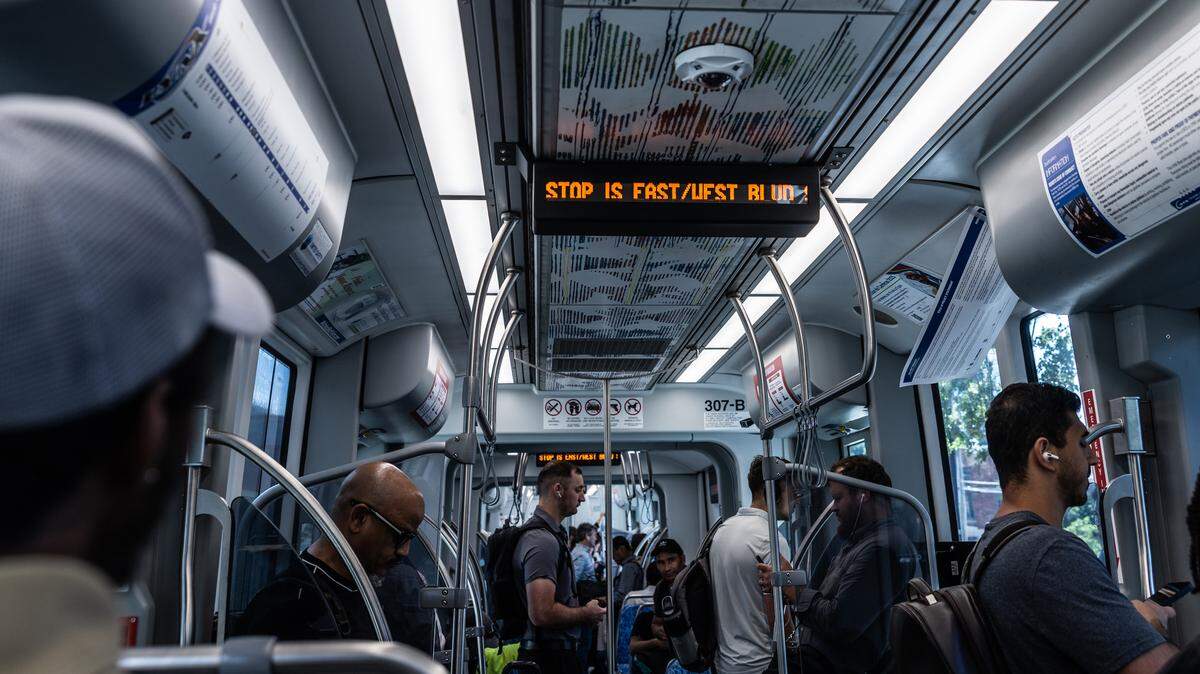
Zarutska, 23, was killed Aug. 22. But it wasn’t until the morning of Sept. 5 that the Charlotte Area Transit System released surveillance footage to local media outlets of DeCarlos Brown Jr., 34, stabbing Zarutska three times in the neck shortly after she boarded the light rail.
The Charlotte Observer chose not to publish the video due to its graphic nature, but edited footage from Charlotte TV station WBTV quickly made the rounds on social media.
The next day, prominent conservative X accounts such as Libs of Tik Tok and End Wokeness circulated the video and a screenshot of Brown wielding his knife just moments before the attack. Over the weekend, those tweets caught the attention of several conservative powerplayers.
Elon Musk, a billionaire businessman who briefly worked in President Donald Trump’s administration, on Saturday, Sept. 6, shared multiple posts with his 225 million followers on his social media platform X about the Charlotte killing. Five hours later, White House Deputy Chief of Staff Stephen Miller shared a post about Zarutska’s death and placed blame on the Democratic party.
Around the same time, Ben Shapiro and other right-wing commentators began chiming in or retweeting posts from other conservative pages on the incident.
By Monday evening, footage of Zarutska’s death became the leading headline on the nation’s major news networks.
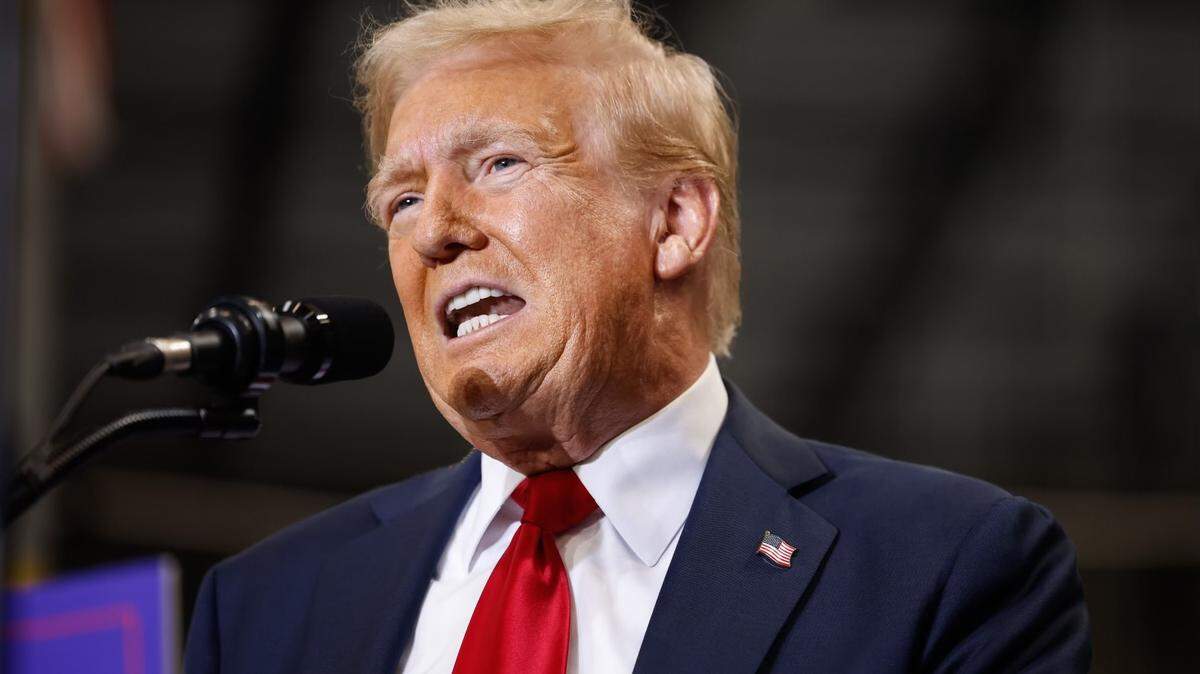
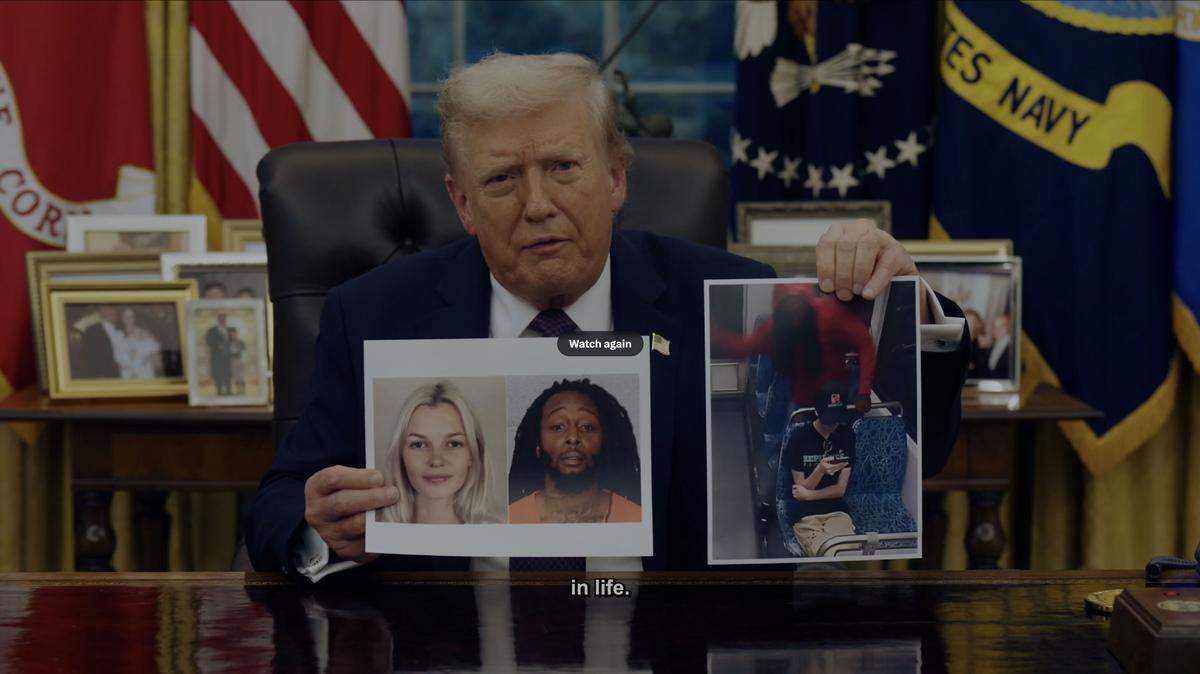
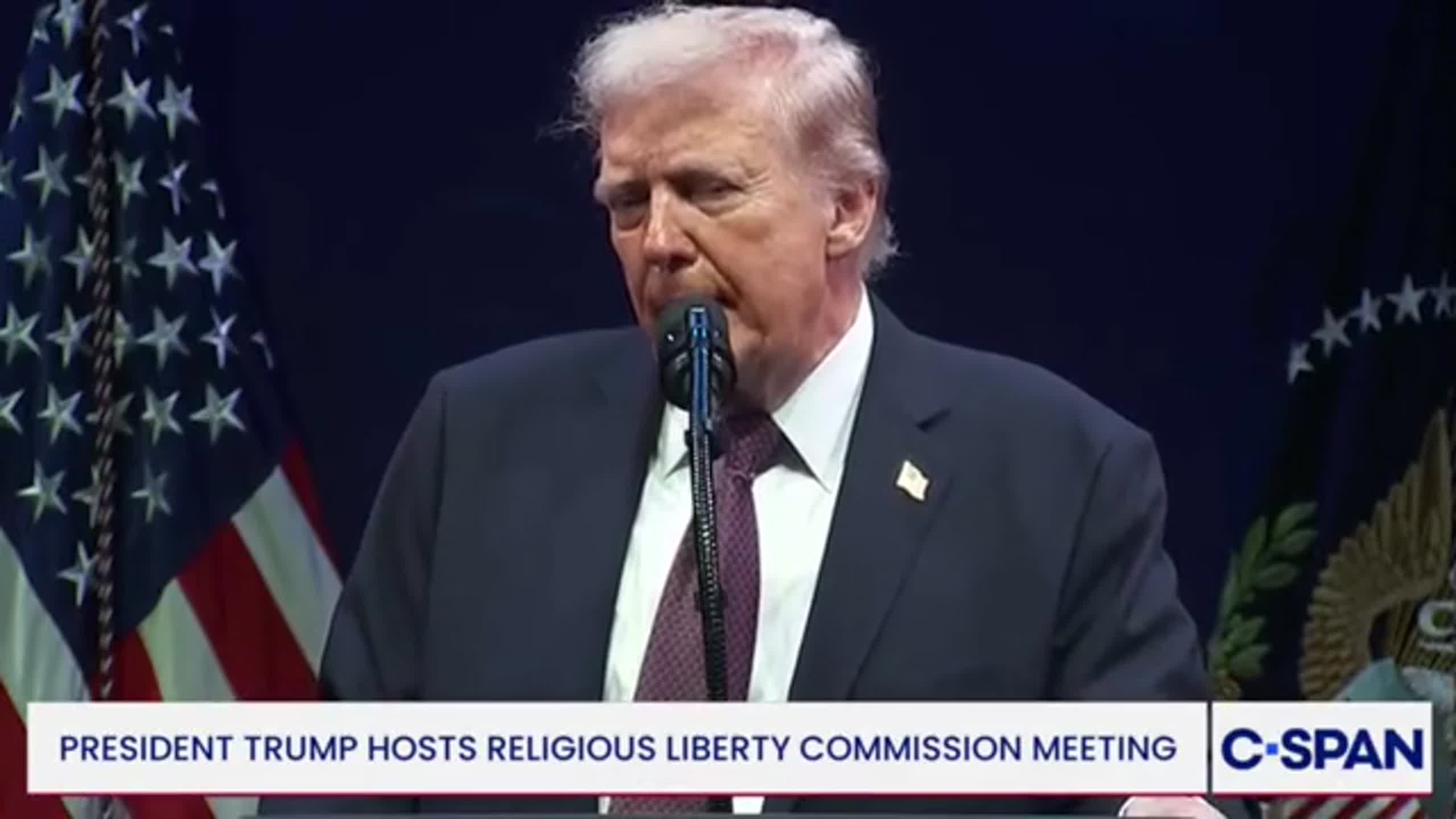
After the story gained traction online, Trump publicly commented on the attack, calling it a “horrible killing.” On Tuesday, the president, addressing the nation from the Oval Office, denounced Zarutska’s death and emphasized the need to take drastic measures to reduce crime. On Wednesday, he called for the death penalty for Brown.
Conservative attention around Zarutska’s death comes amid pushes by the Trump administration to restore “law and order” in major, Democrat-led cities. His administration’s attempts to do this have consisted of deploying troops in cities like Washington, D.C and Los Angeles.
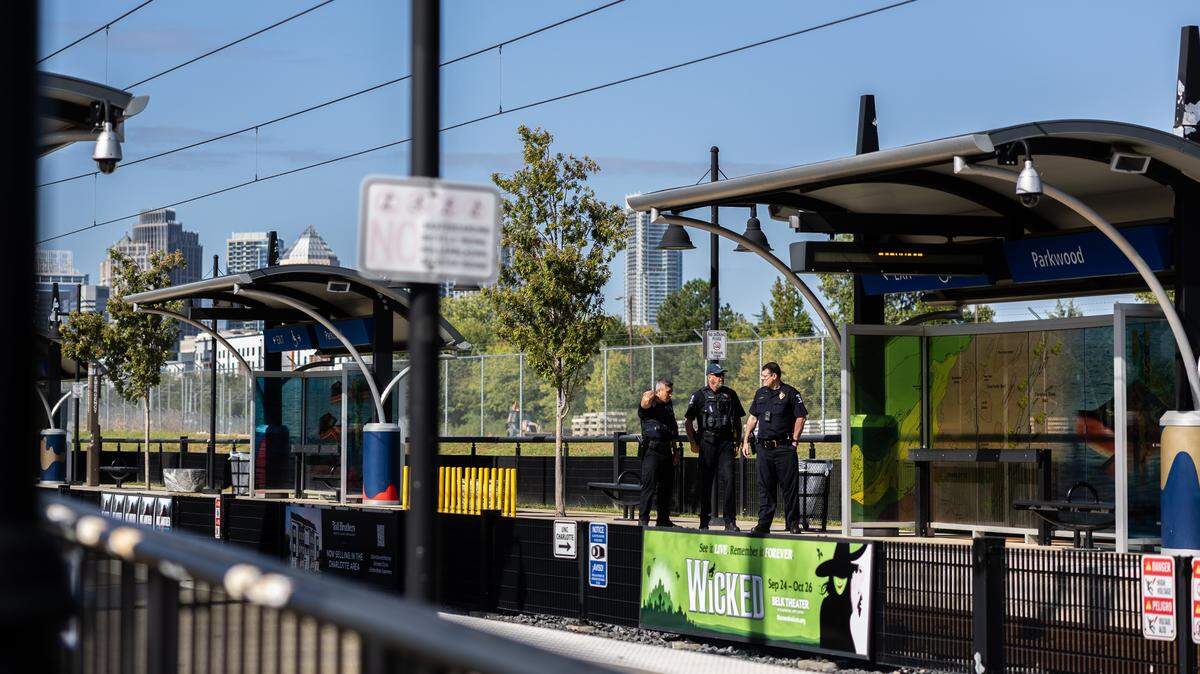
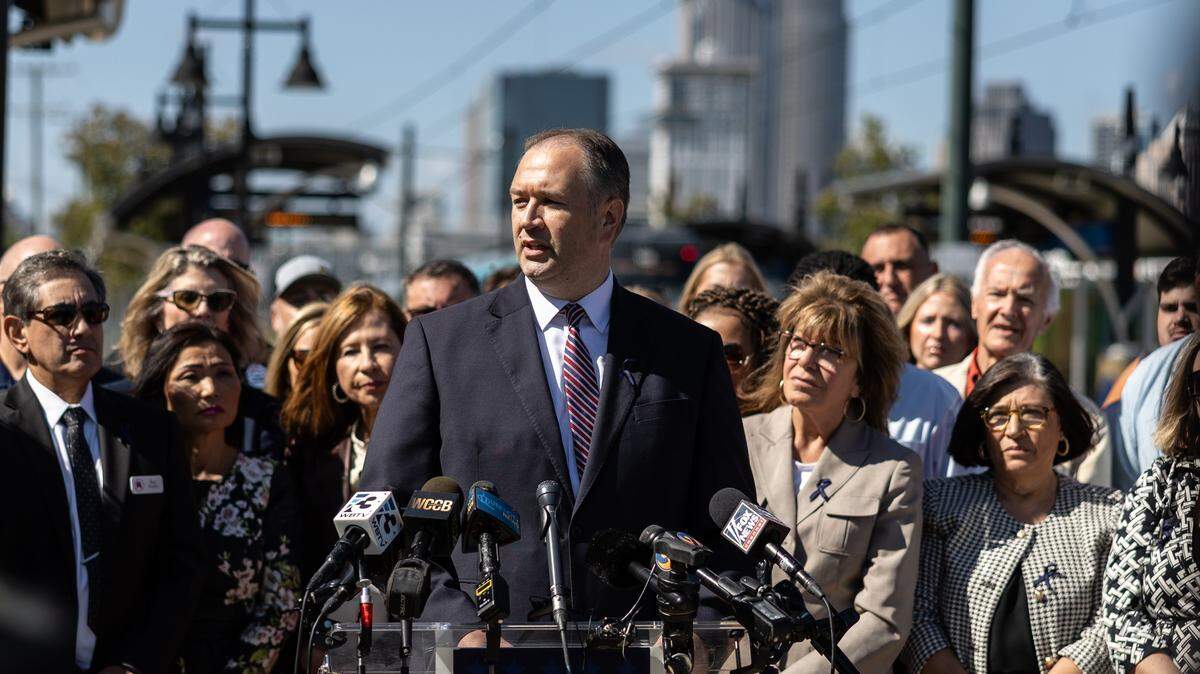
The national attention has raised questions locally about safety on Charlotte’s rail line, what measures will be taken to improve it and why city and transit leaders didn’t move more promptly to address the situation. In November, Mecklenburg County residents will vote on a one-cent sales tax which aims to expand the rail system and bolster the public transit system across the city.
%20.jpg "Iryna (2) .jpg")
Recent Republican messaging around Zarutska’s death follows a decades-long pattern of politicians politicizing horrific events to further push agendas beneficial to their home base, state and national political experts say. And with the introduction of social media and a polarized media climate, the Trump administration has been able to weaponize these events more effectively than those who came before him.
“Information spreads quickly, and what we’re seeing is the fact that politicians can take these events and use them as a lightning rod to further their own agendas,” said Annelise Russell, a professor at University of Kentucky, who studies social media’s impact on Congress. “... I think what you’re seeing, particularly in this instance, on the right, is very vocal politicians (and) influencers using this as an opportunity to double down on law and crime, which has traditionally been a Republican-owned issue.”
Willie Horton redux
When Kyle Kondik, managing editor for Sabato’s Crystal Ball at the University of Virginia’s Center for Politics, thinks of examples of how previous administrations have used horrific crimes to further their agenda, his mind settles on WIllie Horton.
Horton became the subject of a political ad supporting then presidential candidate George H.W. Bush against Democratic challenger Michael Dukakis before the 1988 election. Horton was serving a life sentence for murder in Massachusetts when he was released on furlough. While released, Horton committed another horrific crime – a brutal home invasion and rape.
Bush’s camp used that event to shape public perception of Dukakis for being against the death penalty at a time when racist sterotypes played into perceptions of crime, The Marshall Project reported.
A similar effect is taking place in Charlotte with the right using Zarutska as an example to further their case, Kondik said.
“If you’re the Trump administration, and you’re trying to make a public case for more aggressive policing, or an argument to deploy the National Guard… well, what would help you move public opinion? Well, an idea that crime is out of control,” he said. “And these anecdotes, which is what this story is, is a way for them to try to make their case.”
Social media and a fragmented political climate have given these arguments an accelerant that previous politicians didn’t have access to, Russell said.
“We’ve become fragmented across the media spectrum. We listen within our own echo chambers and within our own silos. We’re not all tuning in to hear what Walter Cronkite has to say ... We operate in our own spaces, and because of that, we’re hearing very specific frames. We’re hearing very specific points of view, and Trump’s able to capitalize on that.”
But in the midst of social media frenzy, experts say facts and nuance take a backseat. Michael Bitzer, chair of the political science department at Catawba College, said he was struck by the social media attacks on Charlotte Mayor Vi Lyles and other politicians. The lack of fact-checking in these spaces could lead to misplaced frustration, he said.
“Where (are) the judicial officers? Where are the courts in all of this conversation?” he said. “I think with the president’s direct attacks on mayors of large metropolitan areas (and) subsequently Democratic governors… There’s a time and a place for accountability... in this kind of situation, it feels more like it should be judicial officers that are being pressed for accountability just as much as potentially the mayor and other elected officials.”
Real life implications
This phenomenon doesn’t just exist online, but has turned into tangible policy, experts say.
Laken Riley, a 22 year-old college student in Georgia, was killed last year by Jose Ibarra, an undocumented immigrant. The case became a rallying cry for immigration reform from Trump and his political allies.
Her murder caused a similar firestorm online as Zarutska’s as well as mentions at the Republican National Convention. Ultimately, the uproar turned into law when Trump signed the Laken Riley Act – his first signed piece of legislation in his second term as president.
The act requires the detention, without bond, of non citizens charged with or convicted of crimes such as theft, assaulting a police officer or drunk driving.
“I used to say Twitter is not real life, but it has real life implications,” Russell said. “I think you’re seeing that with the Laken Riley Act (and) other things. It’s not just that these conversations happen within echo chambers and then nothing happens. They have public policy relevance. We exist in a world where all of these things happen alongside one another.”
This story was originally published September 11, 2025 at 5:31 AM.



.png)