
North Carolina ICE arrests continue at fast pace after Border Patrol surge
Workers driving their trucks in the early morning. Families at routine immigration check-ins. People booked into jail for traffic offenses.
In the three months after the Border Patrol’s high-profile raid ended in Charlotte, ICE quietly arrested about 2,300 people, hitting monthly records higher than before the surge.
A little less than half of those arrested have left the country already, mainly to Mexico, Honduras and Guatemala, according to a Charlotte Observer analysis of federal data collected by the U.C.-Berkeley-based Deportation Data Project. Most left voluntarily.
The project routinely publishes updated arrest, detention and deportation data its researchers obtain from the federal government through the Freedom of Information Act. The most recent batch includes arrests through early March.
The ramp up brings the number of people ICE has arrested in North Carolina to nearly 6,500 since President Donald Trump took office, through early March.
They didn’t break for the holidays. ICE arrested 10 people on Thanksgiving, 14 people on Christmas Eve and Christmas, and 19 on New Year’s Eve and Day.
A Venezuelan man in his 50s arrested on Christmas Eve had no documented criminal charges or convictions. The same goes for a Honduran man in his 30s arrested on New Year’s Eve, according to the federal data.
“This is less visible for a lot of us that are not living it on a daily basis,” said Andreina Malki of Siembra NC, a statewide organization that supports people targeted by ICE. “When Border Patrol left, the attention shifted away from what’s happening in Charlotte, but what we’re seeing is that people are still getting detained every day.”
North Carolina ICE arrests rise
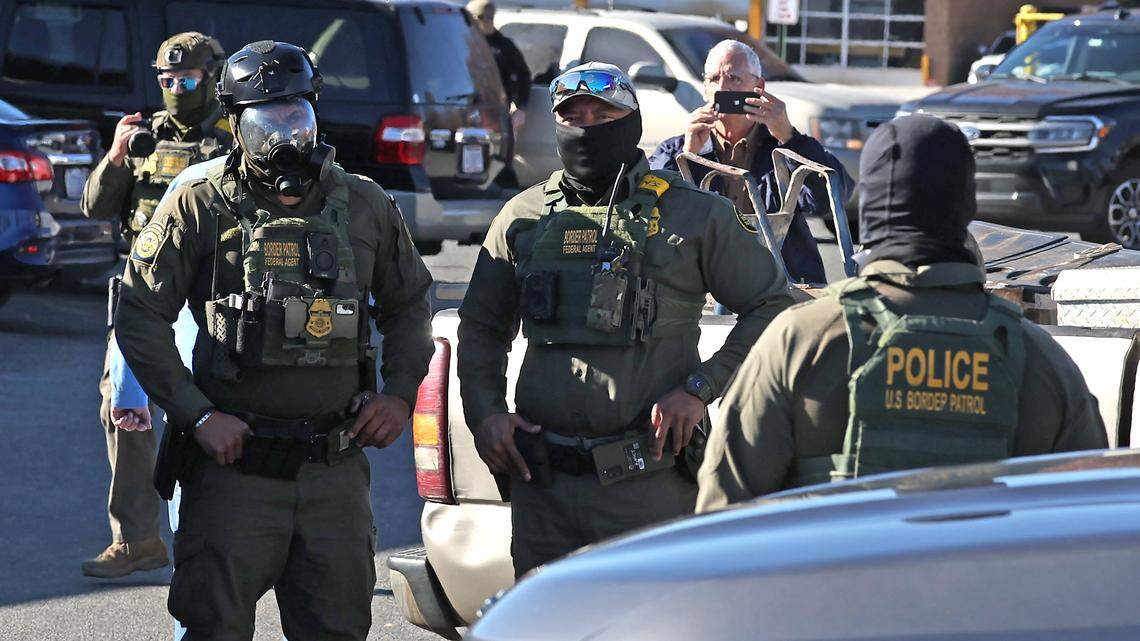
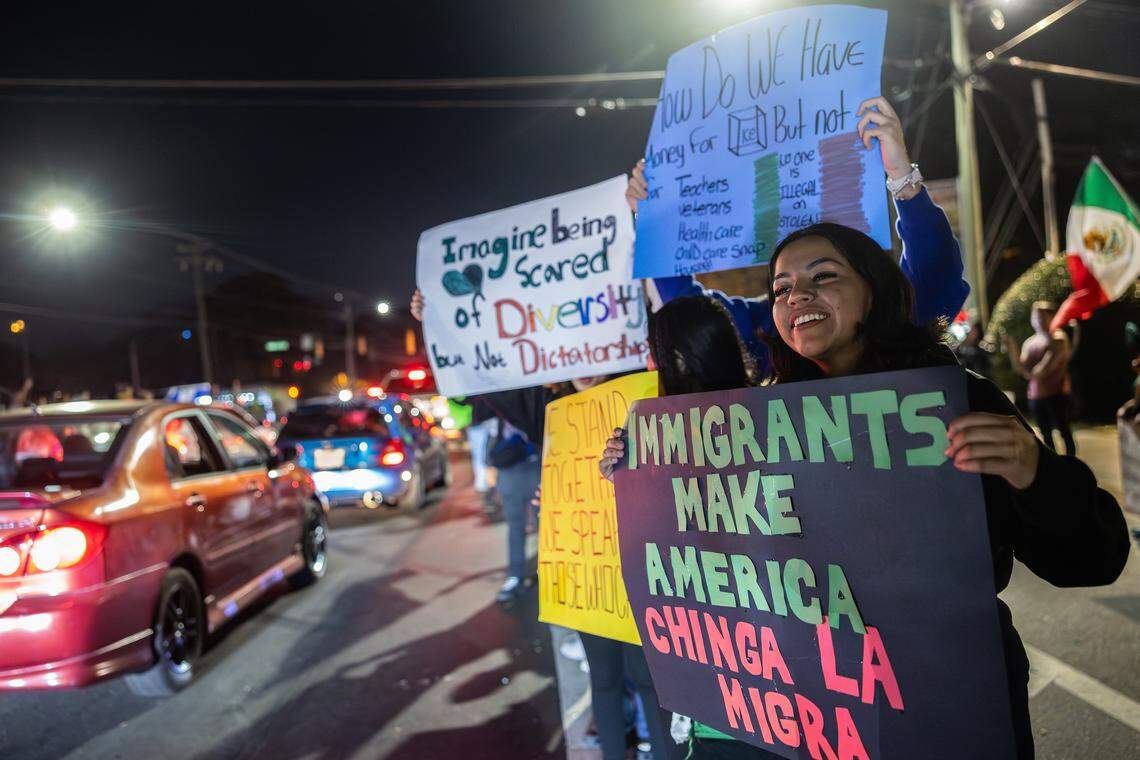
Border Patrol agents from Nov. 15 through Nov. 19 stormed Mecklenburg County in unmarked SUVs and masks, sweeping up hundreds of people. They smashed a man’s car window and stole his keys, stormed a church property, and dragged a young worker out of a grocery store. Thousands of students stayed home from school, and businesses in East Charlotte, a heavily Hispanic area, closed.
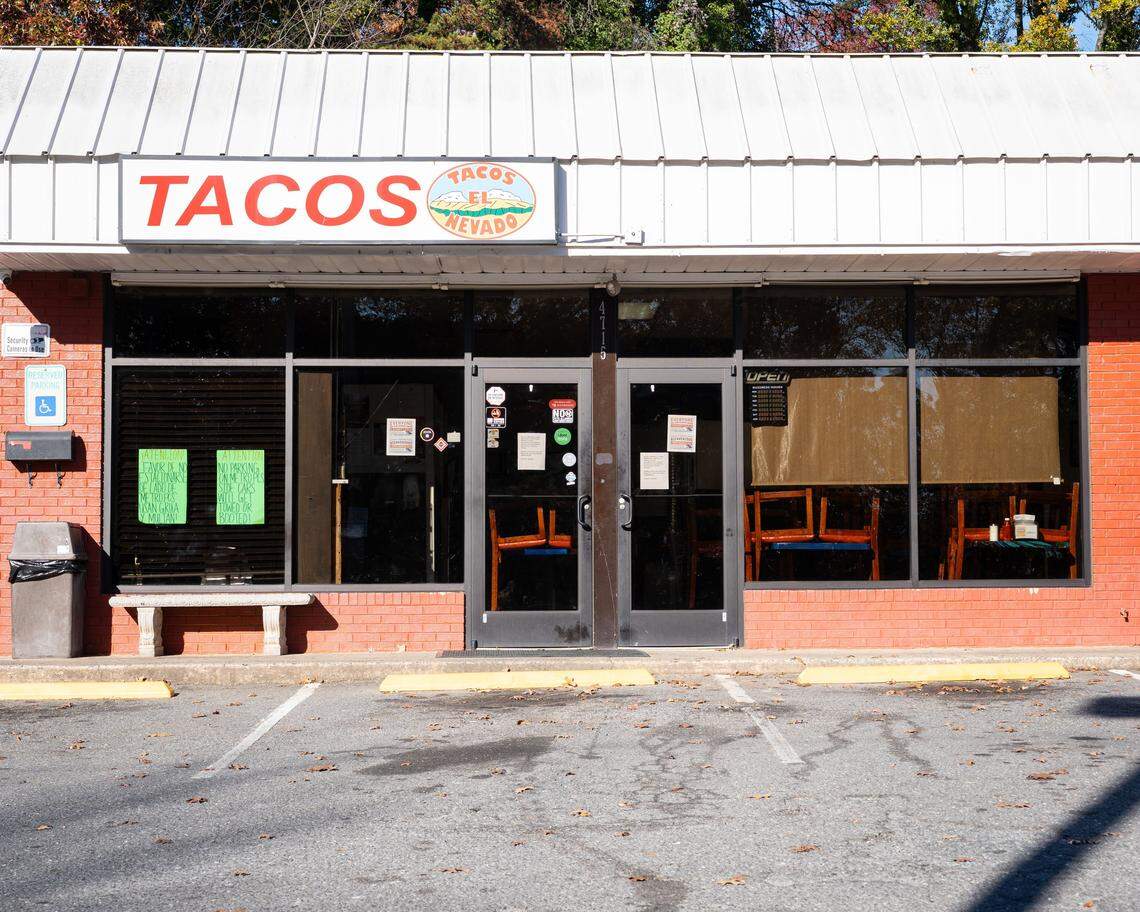
The raid left Charlotte’s Latin American population reeling but ICE agents kept up the pace statewide after the Border Patrol left, arresting an average of about 20 people per day in December, January and February.
In the first 10 days of March, the most recent arrest dates in the data, agents arrested 270 people: an average of 27 per day.
To put that into perspective, agents arrested an average of about 12 per day after Trump took office in January of last year, and about 10 per day in February of last year.
North Carolina’s push bucks the nationwide trend. Data show ICE arrests have slowed around the country, from an average of about 1,300 per day in December to about 1,070 in February.
A state law that took effect in October could be driving the local spike.
ICE spokesman Lindsay Williams told the Observer that the law, known as House Bill 318, has made it easier to arrest people lacking legal immigration status directly from North Carolina jails.
Nearly half of all the people arrested this year were facing criminal charges. During the same time frame last year, less than a third of the people arrested had pending charges. Exactly how many of those came directly from jail is unclear.
What message are we sending to the victim? So we’re telling the victim: ‘He was deported; don’t worry about him. He’ll be fine. What stops him from coming back to the United States, coming back to Charlotte, and finding her?
Garry McFadden
Mecklenburg County SheriffGarry McFadden, Mecklenburg County’s sheriff, has argued that ICE disrupts the justice system when agents arrest and deport people who haven’t gone through court to be convicted or cleared. This is a problem not just for the person in jail, he said, but for victims who don’t get justice.
“What message are we sending to the victim? So we’re telling the victim: ‘He was deported; don’t worry about him. He’ll be fine,’” McFadden told the Observer during an interview last year. “What stops him from coming back to the United States, coming back to Charlotte, and finding her?”
Who was arrested during Charlotte’s Web?
The Border Patrol’s raid, known as Charlotte’s Web, was billed as an operation to sweep up “the worst of the worst.” But the Border Patrol has never provided evidence that its agents targeted people with violent criminal histories. CBS News reported that many people apprehended during the surge were not classified as criminals.
Five people — four U.S. citizens and one with a visa — filed a lawsuit in February alleging that federal immigration agents attacked or arrested them despite their legal status. Some charges brought by the Border Patrol during the operation have been dropped.
It is unclear how many people the Border Patrol arrested in the Charlotte area because the government has published conflicting numbers with no explanation. The latest count was 425.
The Department of Homeland Security did not respond to questions about the Border Patrol for this story.
It’s also unclear if the 270 people ICE arrested statewide, including at least 155 in Mecklenburg County, during the five days of Charlotte’s Web include any of the arrests the Border Patrol has claimed.
Williams was unable to confirm one way or the other. While both agencies arrest people to carry out Trump’s mass-deportation agenda, they generally operate separately.
More than three-quarters of everyone ICE arrested during those five days have already left the country, mostly voluntarily.
Most people ICE arrested during Charlotte’s Web were men from Central America and, on average, in their early 30s. That remained true during the surge, but one key thing was different.
Typically, people without criminal charges or convictions make up about one in five ICE arrests. During Charlotte’s Web, a little more than half of the people ICE arrested — 147 — did not have charges or convictions, according to ICE arrest data.
About 60 others had pending charges, but federal data do not disclose what most of their charges are. The data provides only nine people’s charges among people taken directly from jail. One man was charged with driving under the influence and another had a traffic offense. One had a fraud charge. Three had drug charges. Two were charged with assault and one a homicide.
In Mecklenburg County, specifically, an even greater share of arrests during the raid involved people without charges or convictions: nearly 64%.
Charlotte street arrests happen daily, deportations are swift
ICE arrests are far more discreet than the Border Patrol’s highly visible Charlotte raid, but they happen daily, said Malki, with Siembra NC.
Her organization roves Charlotte to spot where ICE agents are active and posts a report to its Facebook page every Friday, so families can make calculated risks about the safest times to leave the house and the safest places around town to be, she said.
“This administration thrives on fear and chaos and the perception that they’re everywhere at all times, but we’ve been able to document patterns,” Malki said.
The current ones: agents are arresting people who are driving work trucks early in the mornings, or people who go to their check-ins as part of the process for seeking asylum, she said.
Malki said she knows of at least 24 people who have gotten detained at their immigration check-ins this year.
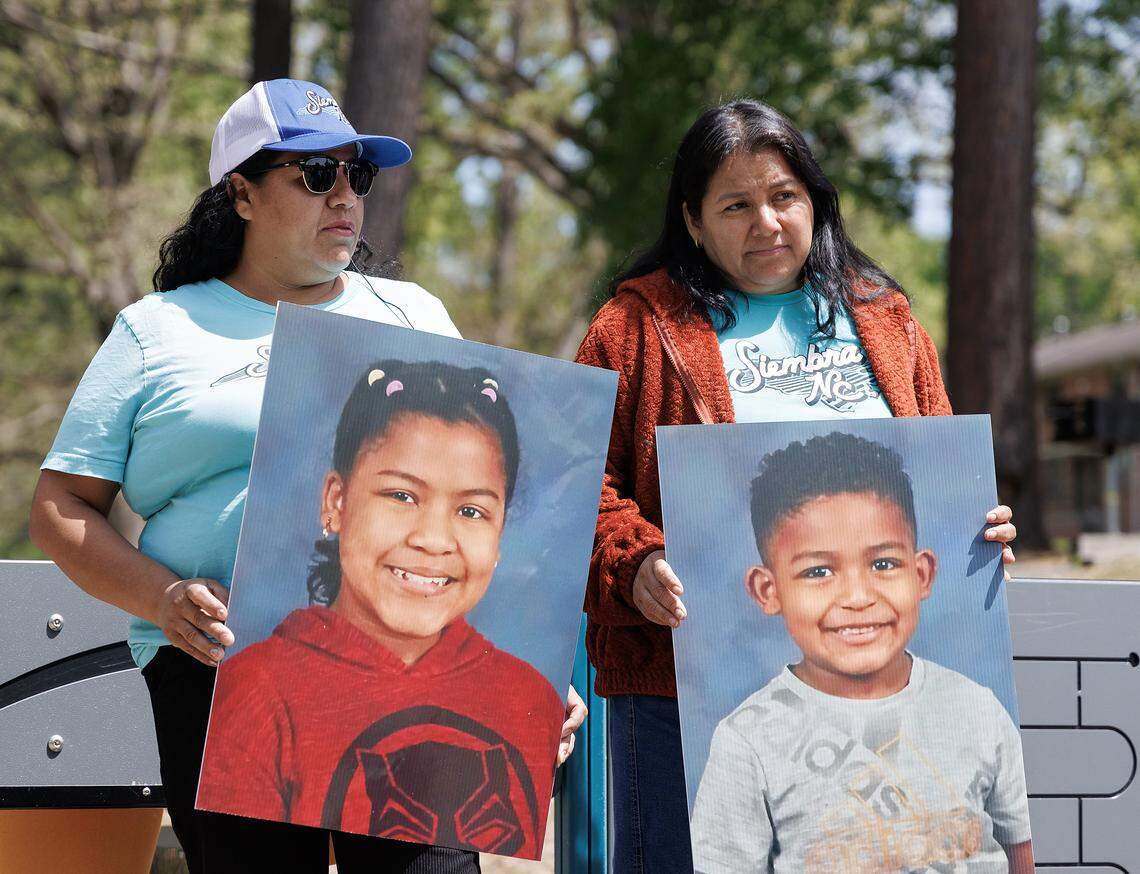
This month, a 6-year-old, a 10-year-old and their two parents were arrested at a routine check-in and deported within 48 hours. The Durham-based family had been in the U.S. for the last four years.
