Charlotte bus drivers face dangerous work. 6 things we learned as we dug in
Everyone’s been talking about the Charlotte light rail since Iryna Zarutska’s stabbing death last summer. President Donald Trump, the feds, local officials, the police.
The Charlotte Observer analyzed federal and local data, interviewed experts and did some document diving to find out if the CATS light rail is significantly more dangerous than other light rails around the country. It’s not. But that work led us to another, less talked about, CATS issue: Violence against Charlotte Bus drivers.
Here are six key takeaways from our research.
CATS bus drivers are assaulted more often than the average driver nationwide
Charlotte bus drivers are three times as likely to be assaulted than the average bus driver nationwide, clocking about 77 verbal and physical assaults per every 10 million passenger trips.
The federal government began collecting comprehensive assault data in 2023. From then until the end of last year, CATS reported 200 assaults against bus drivers. Most were verbal or attempts at physical harm, and those encounters can demoralize drivers and ultimately turn dangerous.
About 40 assaults were physical, with five resulting in immediate medical care.
CATS buses face security issues, despite light rail attention
In February, Federal Transit Administrator Marcus Molinaro visited Charlotte to assess how CATS was responding to safety concerns, and rode the light rail — but no buses.
During an April CMPD news conference, police officials boasted a 69% reduction in violent crimes on the Blue Line compared to last year, but said nothing about crime trends on buses. Off-duty police offers routinely ride the light rail but not buses.
When we asked the police how they divide off-duty time between buses and light rail, they only responded about the Blue line.
But the passenger assault rate is higher on buses than it is on the light rail, according to a February investigation by the Observer. And assaults on light rail operators, who are separated from the public, almost never happen. CATS reported three verbal assaults, and one physical, against light rail operators from 2023 to last year.
Former CATS bus drivers described lax security, little support
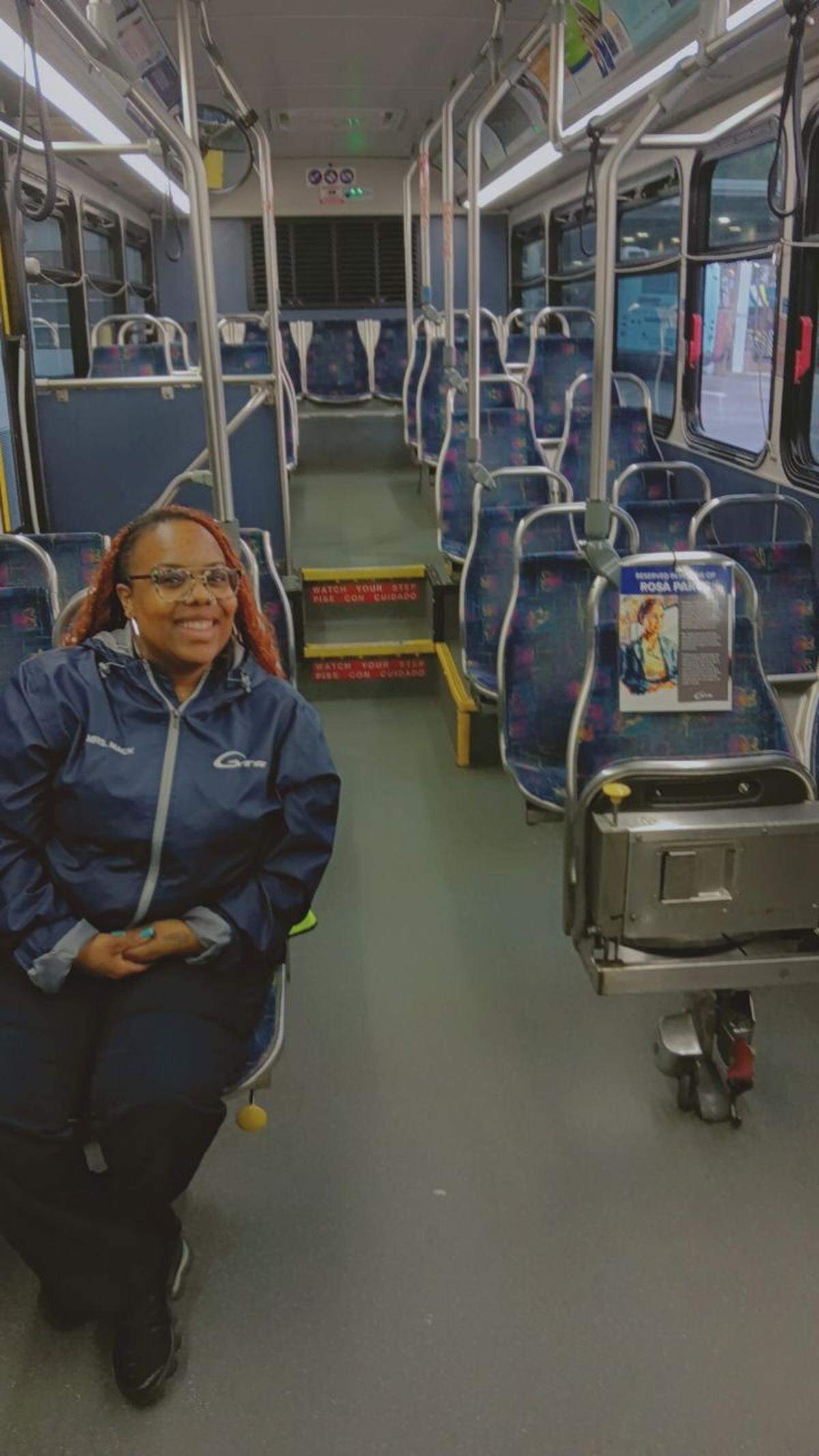
The Observer interviewed five former drivers who had been threatened or physically assaulted on the job. They described an environment where drivers work on high alert, unsure whether they will get attacked each day and are largely powerless to do anything about it.
CATS drivers are supposed to radio the bus operations center if passengers cause problems, or if someone boards who was banned for bad behavior, but they are often told to “Let ‘em ride.”
They can get in trouble if they drive by someone at a stop who threatened them earlier, they’re not allowed to carry weapons or pepper spray, and they can’t carry cell phones. So they can’t call 911 on their own if the operations center takes too long to respond.
Which, the drivers said, was a regular occurrence.
“By the time it takes for them to get to your bus, if you have a situation, you could already be dead,” said former bus driver Tierra Mack, who was assaulted in 2024.
CATS is working on security upgrades
CATS began boosting its security spending about three years ago and has launched initiatives aimed at protecting passengers and drivers from assault.
Radio controllers now have real-time video access to see what’s happening inside transit vehicles and new protocols for prioritizing calls for help from buses.
CATS also created a chief safety and security officer position last year. During a Metropolitan Public Transportation Authority meeting in March, that officer said his team now studies footage of assaults on drivers to learn lessons that may mitigate future conflicts.
And more changes are coming.
They may include forming CATS’ own law enforcement agency, a move the transportation authority is considering following voter approval for the transit tax last November. CATS is also adding more security guards and more dispatchers who coordinate emergency response when drivers call for help, while off-duty CMPD officers provide extra coverage.
CATS bus drivers want justice for assaults
The former drivers interviewed by the Observer said that CATS, the police, the courts and state law do too little to hold their attackers accountable. Two drivers who have been assaulted didn’t even know what happened with their cases until the Observer pressed for answers from police and the court staff.
In one case, police did not arrest any of the three women who attacked a driver in January 2024. In another, police arrested two teens who attacked a driver in 2025, but the Mecklenburg County District Attorney’s Office did not reach the victim to notify her what was happening until at least one of the cases was dismissed.
Drivers said CATS offered them little to no support to navigate the system after their on-the-job assaults. It’s unclear how or if CATS helps its drivers pursue justice, because spokeswoman Catherine Kummer did not respond to questions about that.
Drivers say one big change could force authorities to take their assaults more seriously: increase the penalty for assaulting public transit operators from a misdemeanor to felony.
Some states have laws that make assaulting transit operators a felony, such as New York and Arizona. In North Carolina, assaulting a transit operator is a Class A1 Misdemeanor, punishable by up to 150 days and a fine determined by a judge.
Many people close to the issue can’t — or won’t —talk
A vice president with the bus drivers’ union said drivers can get in trouble or fired if they talk to reporters.
WeDriveU, the parent company of the firm that employs the drivers, would not authorize interviews when the Observer asked. The company also would not arrange an interview with management and sent only an emailed statement.
The new chief safety and security officer, Eric Osnes, also wouldn’t talk to the Observer about bus driver assaults. Kummer said Osnes was too busy doing his job and that he had other priorities.
This story is part of an Observer series exploring the dangers that public transit bus drivers face. To reach reporter Caitlin McGlade, contact her at cmcglade@charlotteobserver.com.