Charlotte mayor finalists on who holds power in city hall: activists or business?
The Charlotte City Council narrowed its pool of interim mayor candidates to five people on Wednesday, with a final decision expected Monday.
Whoever it selects will enter Charlotte politics at an “inflection point” in the relationship between business and resident interests, according to some council and community leaders.
Votes that might have seemed outlandish one year ago are unfolding in real time despite lobbying from corporate leaders.
The council rescinded support for the controversial Interstate 77 South toll lanes project that would have disrupted historically Black neighborhoods. It imposed a 150-day moratorium on data centers to consider safeguards as more developers are looking to build them. And the council deferred a seemingly innocuous lease amendment for the Bank of America Stadium over concerns the agreement hadn’t considered community benefits.
“What I firmly think we are seeing is a council that is asking harder questions about public benefit, community impact and who is actually at the table before major decisions are made,” said JD Mazuera Arias, one of the newest council members who has contributed to the changing dynamics. “It is democracy maturing. Growth is welcome. Business is welcome. But the days of assuming what’s good for business is good for everybody are over.”
The five interim mayor finalists include attorney and former city councilman Harold Cogdell, finance and nonprofit leader Carrie Cook, attorney Robert Harrington, Mayor Pro Tem James Mitchell and State Sen. Caleb Theodros.
The Charlotte Observer asked each finalist how they would balance corporate and working class interests. Mitchell did not respond to a request for comment.
Harold Cogdell
Tensions between the business sector and community activists are nothing new, according to Cogdell. That’s been going on at least since he served on the council from 2001 to 2002. Cogdell also served as the chair of the Mecklenburg Board of County Commissioners.
“I think what a lot of people are experiencing now is our city is evolving, we are changing, and change can be difficult,” Cogdell said. “The most important thing is having people around the dais that have sort of a political maturity enough to say, ‘We need to take a steady hand in this. We need to be thoughtful about it. We need to consider the implications of it. We need to ask if there is a better way to do it. We need to ask who’s benefiting, who’s not benefitting, and how can it be more beneficial for all involved, if it can be.’”
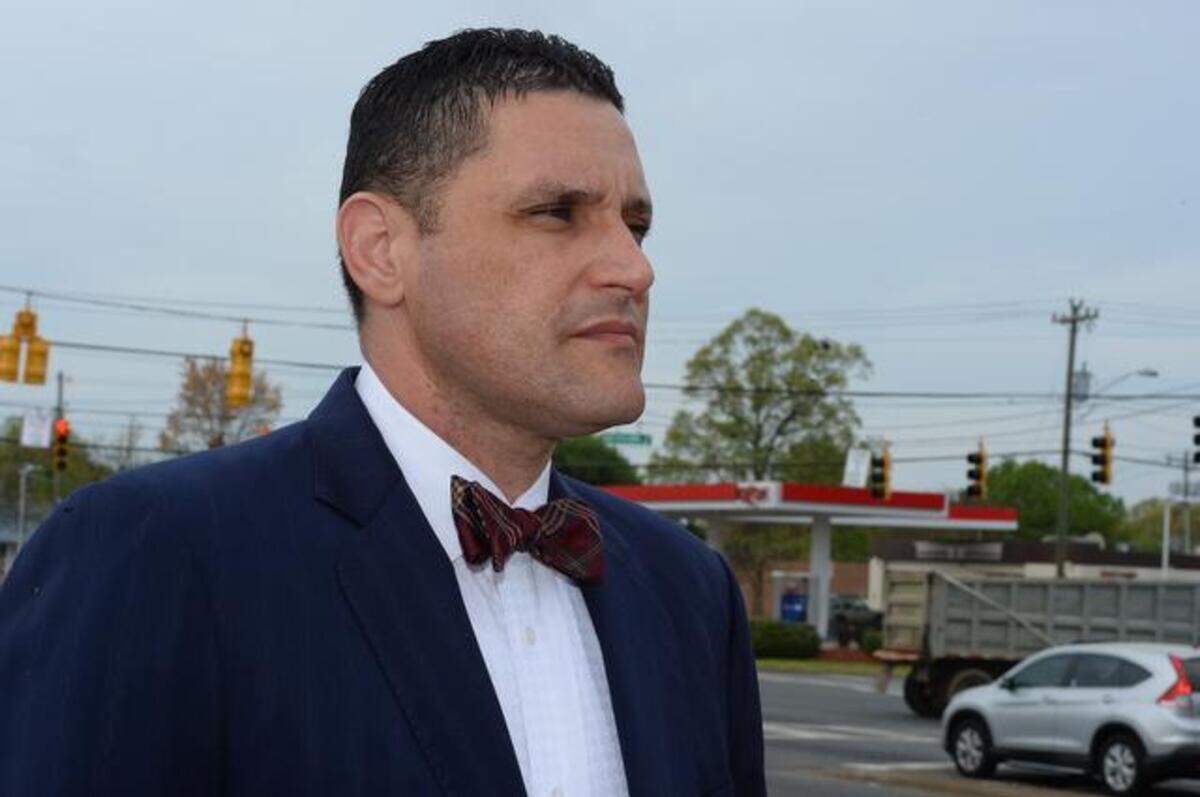
Cogdell would consider development proposals or rezoning petitions on a case-by-case basis, he said. He’d search for points of consensus or mutual benefits and work out from there.
And context is important in any decision, Cogdell said. Some areas of the city have experienced historical underinvestment and a lack of equitable economic opportunities. He would balance that with the understanding the state can prohibit municipalities from taking certain actions. That dynamic has gotten the city into trouble before.
“Is the cost of sending a message more than we’re prepared to pay?” Cogdell asked.
Carrie Cook
Cook is an established name in the business community. She was a vice president of the Charlotte Chamber of Commerce, now the Charlotte Regional Business Alliance, and led community development strategy at the Federal Reserve Bank of Richmond.
But Cook has also been heavily involved with nonprofits. She helped launch GreenLight Fund Charlotte as its founding executive director, where she analyzed economic gaps and developed community-led solutions.
When asked whether she thought there was balance between the two sides of Charlotte, Cook said she’d have to ask others.
“I would have to ask the community and business leaders and other folks who are at the dais at the city, the county, other intergovernmental partners, whether or not the right balance exists,” Cook said. “And if it doesn’t exist, how to bring better balance and how to bring better strength and balance and perspectives and voices to build strong coalitions together.”
Cook said all communities wrestle with how best to create strong public-private partnerships. If selected, she would use her background to facilitate discussions and be “thoughtful in bringing those groups together and getting to ‘yes’ on hard decisions.”
“It’s not easy work,” Cook said. “When you are able to do it thoughtfully and intentionally and bring folks together in a coalition-building way, I think there’s a lot of opportunity, especially for a world-class city like Charlotte.”
Robert Harrington
Harrington complimented the city’s “vibrant business sector,” with a qualifier.
“Historically, trying to balance the good that comes from that with making sure that other voices are in the room, the question has been a challenge, an issue,” Harrington said. “We need to be practical and understand our situation, but then we’ve gotta go forward.”
Harrington is a trial attorney and has chaired the Charlotte-Mecklenburg Library Board and the Arts and Sciences Council board; served as president of the North Carolina Bar Association, North Carolina Bar Foundation and Mecklenburg County Bar; and served on the board for multiple other groups, including TreesCharlotte and the Levine Museum of the New South.
In those capacities, Harrington said he’s found not every decision has a clear “yes” or “no.” He cited his most important task as mayor as making sure everybody feels heard.
He would do his best to get disparate voices, including activists to business leaders, on the same page, he said. He wants orderly processes in place so all stakeholders can give input, and the council can make decisions with a full set of information.
“I am probably much more of a process person than trying to identify where I am on a spectrum of business community, business individuals. I think leaders have to analyze each issue as it comes up, and I think we’re really fortunate to have as many voices engaged from all over Charlotte, including the business sector,” Harrington said. “It’s an opportunity for leaders to try to corral that and come up with the best decisions we can on any given day.”
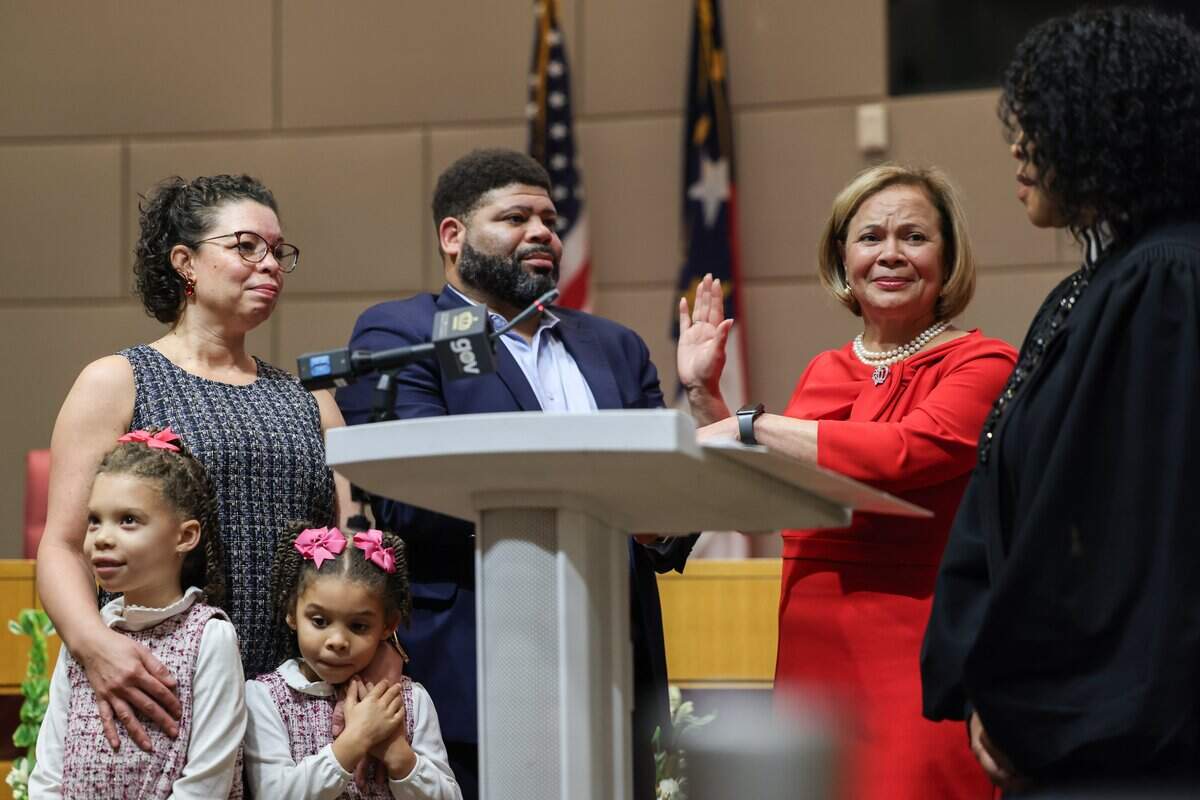
Caleb Theodros
Theodros is a state senator in his first term and would have to step away from his role in the General Assembly to be mayor. He doesn’t mind.
“Despite some of the work in Raleigh, it just seems like this is where the most need is,” Theodros said. “It’s going to be very hard for the next incoming mayor to come in and hit the ground running if they don’t already have existing relationships with Raleigh because Raleigh is not shy about getting involved with city politics.”
Theodoros was previously the chair of the Black Political Caucus of Charlotte-Mecklenburg, where he saw “plenty of examples” of the business community and working class working hand in hand. He cited a letter from the BPC that was endorsed by Hugh McColl and the Business Alliance in support of the 2023 school bond. It called for historically disadvantaged business owners to get larger cuts of construction contracts.
“Some of these things don’t have to be mutually exclusive,” Theodros said.
Theodros attributes the frustrations boiling over in recent votes to broader discussions about income inequality and affordability playing out across the country. But they’re compounded by procedural issues on the council, he said.
Council members sometimes attempt two or three overlapping motions or trip over each other as multiple people speak at once. Theodros would facilitate meetings to avoid those hiccups and encourage the council to “properly hear,” he said. That could smooth over some of the tension.
“I don’t think there’s a good understanding by, oftentimes, people on both sides of an issue,” Theodros said. “And that comes from the actual structures that are put in place by the mayor.”
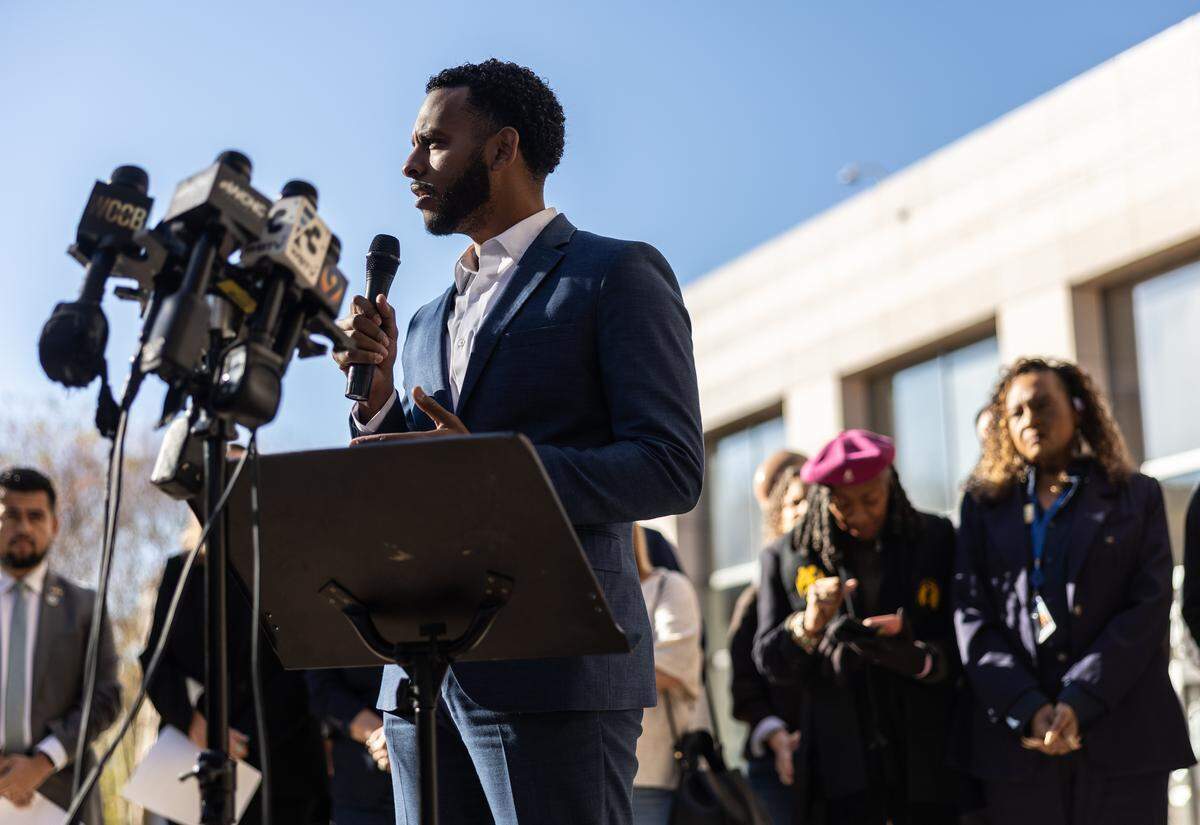
What the Charlotte City Council is saying
When Mayor Vi Lyles announced she would resign this summer, Councilwoman Kimberly Owens told the Observer she thinks Lyles’ legacy is one of collaboration with corporate interests, having single-handedly done more to advance public-private partnerships than any other person at the city.
That has been positive in some ways. But her conciliatory relationship with “big money interests” has also contributed to a feeling that developers have too much power in city politics, Owens said.
“I think time will tell whether we’re continuing down that path,” Owens said. “Or perhaps bringing that path a little bit back to center is where the next mayor wants to take us.”
But Owens also thinks there is a “false dichotomy” that either the people or big businesses must run the city. She hopes the next mayor will look at issues from economic and human lenses and talk to business leaders less in private settings and more in public forums.
Mazuera Arias is looking for a new mayor who can strike a balance between the business sector and working families.
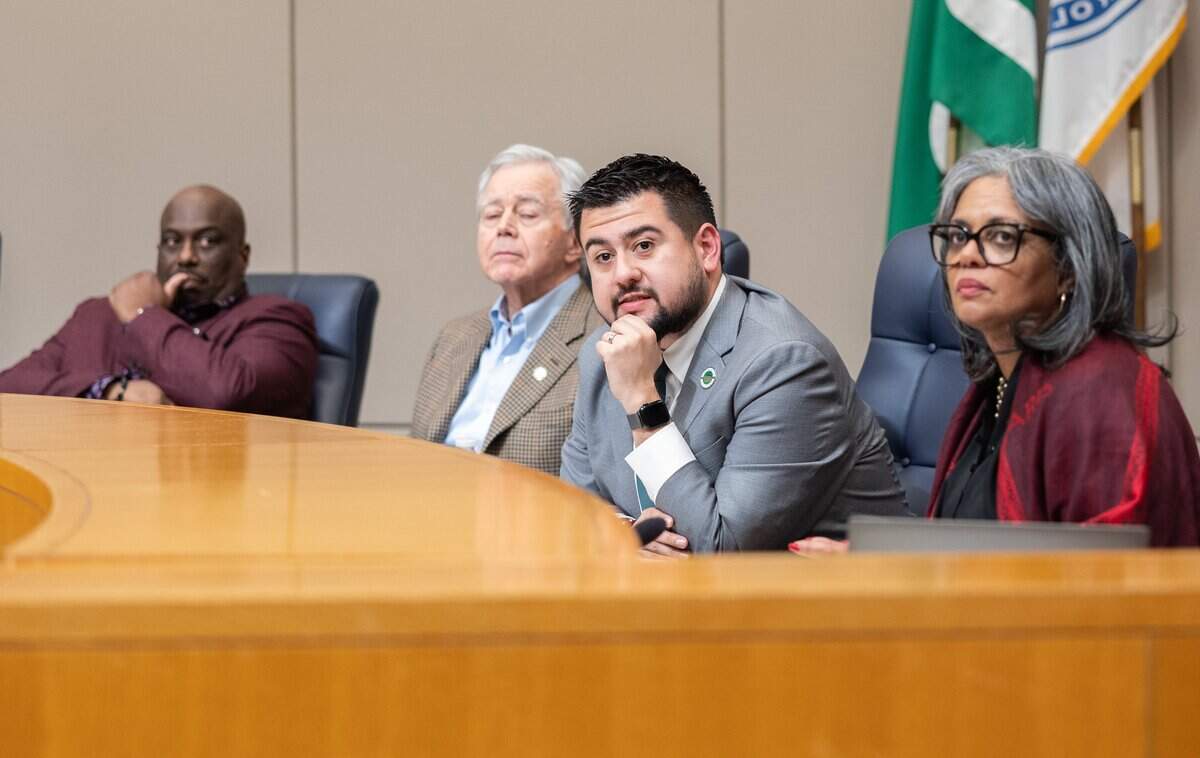
“Are they willing to shift the pendulum back to the middle?” Mazuera Arias said. “To sustain the relationships we have with the business community but also have a close ear on the ground of what the people need as well?”
Councilman Malcolm Graham said he has noticed a shift in local governance in recent years with more citizen participation. He sees the interim mayor’s role as mostly internally focused and wants somebody who can run smooth meetings, disclose information quickly and rebuild the culture within city government.
But there are external considerations, too. The mayor should understand grassroots advocates and grasstops corporate leaders and help them “roll in the same direction.”
“People want to be a part of the change, and not victims of it,” Graham said. “That’s where this push and pull is coming from.”
This story was originally published June 18, 2026 at 12:30 PM.