Charlotte primary will decide most council seats. What to know for Sept. 9 election
READ MORE
2025 Voter Guide: Charlotte City Council and mayor election
Charlotte voters will choose candidates for mayor and council in the September primary. In The Charlotte Observer’s voter guide for the election, read about Mayor Vi Lyles, the most competitive council races and questionnaires from all candidates on the ballot.
Expand All
Voters across the Charlotte area this year will decide whether current elected leaders keep their jobs or if new players join local government.
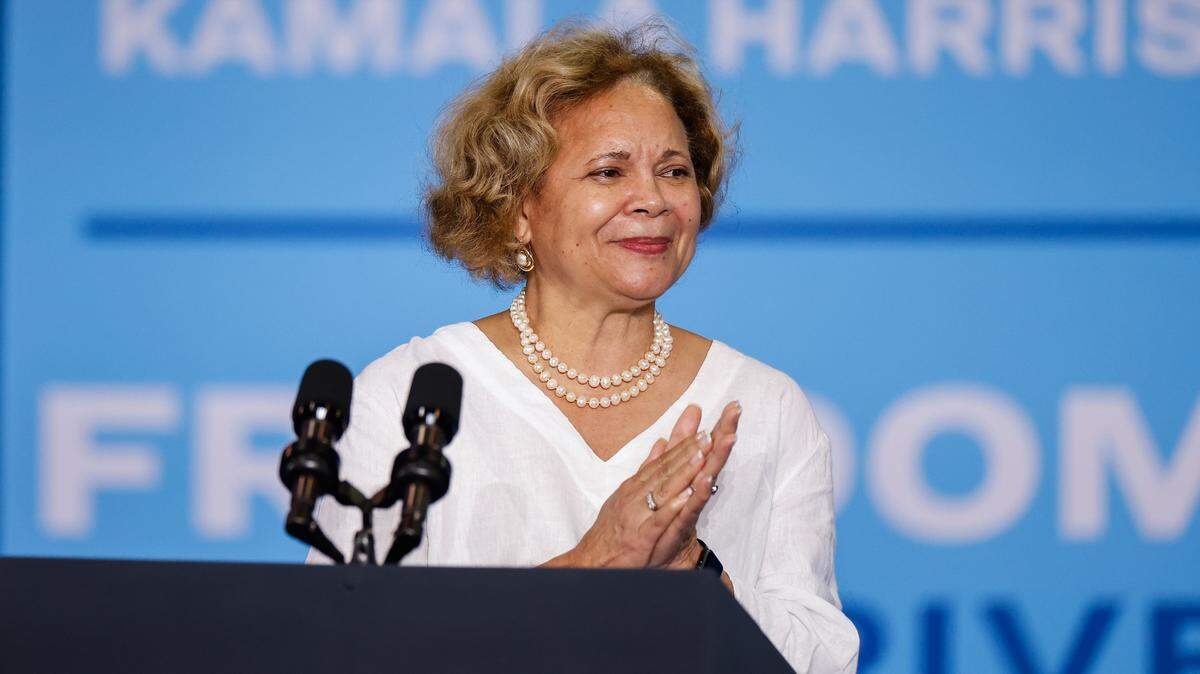
Among the decisions: whether Charlotte Mayor Vi Lyles should become the second-longest-serving mayor in the city’s history and who fills the District 6 City Council seat left vacant after former Republican councilman Tariq Bokhari joined the Trump administration. Election results will also decide whether Tiawana Brown, who faces federal fraud charges, will serve another term on council, a slew of town board elections and a sales tax referendum that’d pay for Mecklenburg County transportation upgrades.
The Charlotte primary election is Sept. 9, and early voting starts Aug. 21. The general election is Nov. 4.
What’s on my ballot in the September primary?
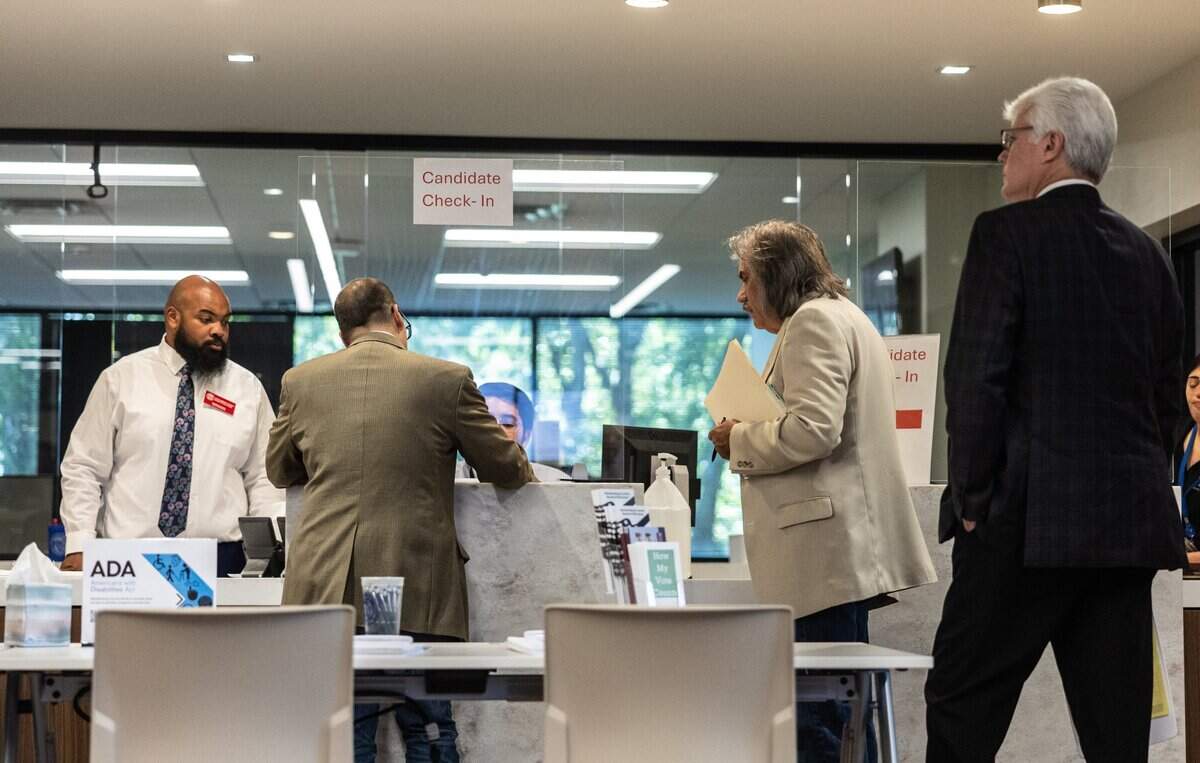
Charlotte is the only city or town in the region with elections in September. Others will have to wait for November.
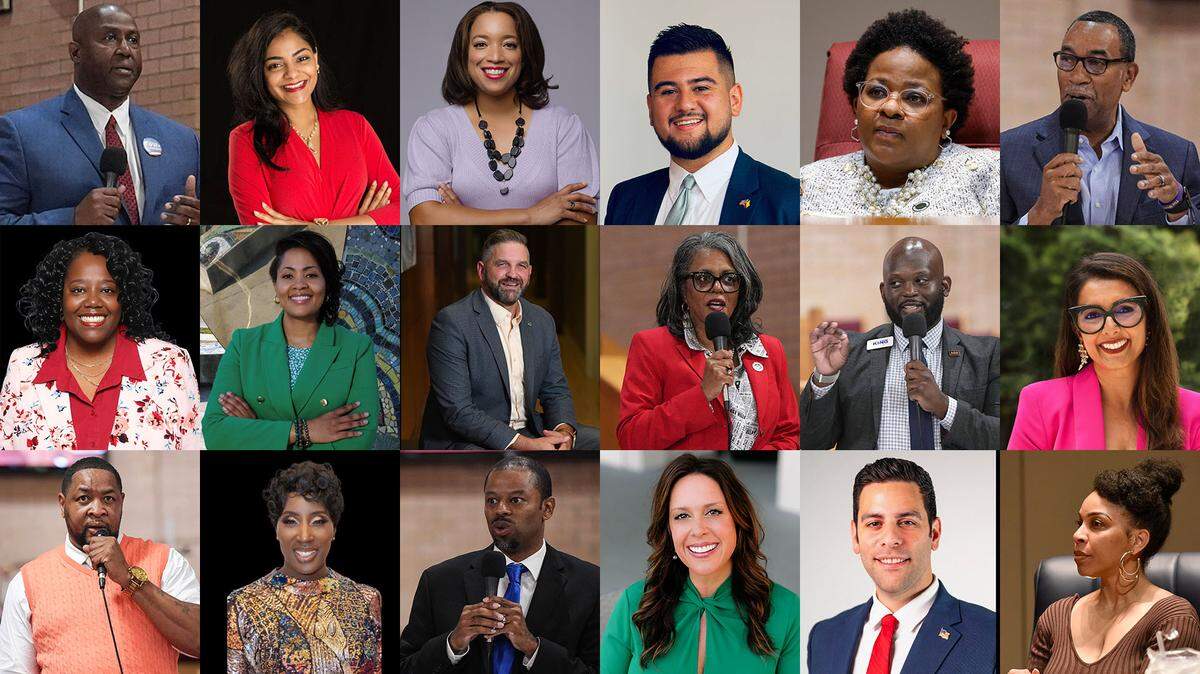
Voters in the city of Charlotte will decide between several Democratic mayoral candidates, including Lyles, Jaraun “Gemini” Boyd, Delter Kenny Guinn III, Brendan Maginnis and Tigress Sydney Acute McDaniel.
Ten Democrats are running for four at-large spots in the September primary. They include incumbents Dimple Ajmera, James “Smuggie” Mitchell, LaWana Slack-Mayfield and Victoria Watlington. Challengers include: Matt Britt, Roderick Davis, Will Holley, J.G. Lockhart, Emerson Stoldt and Namrata (N.Y.) Yadav.
Winners in the Democratic primary will have a high chance of scoring a seat in November because of past voting trends — the last Republican to win an at-large seat was Edwin Peacock in 2011. He and Misun Kim are the two Republicans running for a seat this year.
Contested district races include:
- Incumbent Dante Anderson is challenged by Charlene Henderson El in District 1. The winner of this election faces no Republican opposition in November.
- In District 3, incumbent Tiawana Deling Brown faces challengers Montravias King, Joi Mayo and Warren F. Turner. The election is complicated by the fact that Brown faces felony fraud charges. If convicted, she will not be able to hold elected office until she completes her sentence. Republican James Bowers will face the primary winner in November.
- District 4 features a rematch of incumbent Renee Perkins Johnson and challenger Wil Russell. Johnson won a competitive primary in 2023. The winner faces no Republican competition in November.
- District 5 incumbent Marjorie Molina faces a challenge from Juan Diego (J.D.) Mazuera in east Charlotte. The winner faces no Republican competition in November.
- District 6 features the only Republican primary — Krista Bokhari and Sary Chakra. Bokhari is the wife of Tariq Bokhari, who resigned his seat earlier this year to take a job in the Trump administration. The winner faces Democrat Kimberly Owens in November.
What’s on my ballot in the November general election?
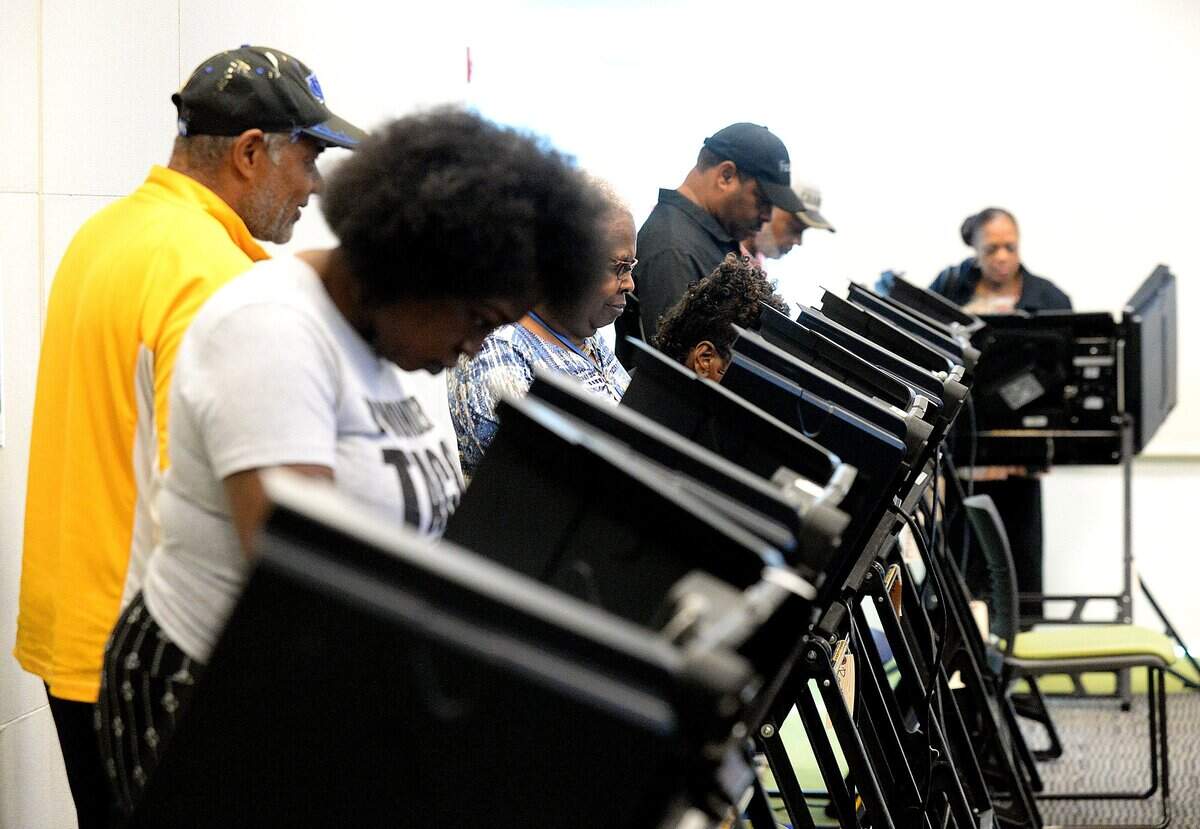
Everyone who lives in Mecklenburg County will have two elections on their ballot in November: a school board election and a referendum to raise sales taxes to pay for transportation upgrades. District 3 in the university area is the only seat without multiple candidates running.
Charlotte voters will choose four at-large City Council members and a district representative. However, most elections will be decided in the primary.
Voters in Cornelius, Davidson, Huntersville, Matthews, Mint Hill and Pineville will elect mayors on Election Day in addition to members of the town boards. Some highlights include: three candidates running for mayor in Cornelius, a rematch from the 2023 mayor’s race in Huntersville and 10 candidates running for six spots on the Huntersville town board.
Voter ID
Voters must bring photo ID to the polls, but “all voters will be allowed to vote with or without photo ID,” according to the NCSBE Voter ID website. Voters who can’t show an ID will need to fill out an exception form. Details regarding acceptable forms of ID including student and government employee IDs can be found on ncsbe.gov/voting/voter-id#acceptable.
How do I know what’s on my ballot?
To be eligible to vote in any North Carolina municipal election, a voter must live within the city or town limits for at least 30 days before Election Day. With the voter search tool on the State Board of Elections website, people can see what’s on their ballot and where they live under the “YOUR JURISDICTIONS” tab.
Voters also can find their sample ballot, designated district, current elected officials and voting location by filling out their address on the county Board of Elections website at apps.meckboe.org/addressSearch_New.aspx.
How can I register to vote?
People can register to vote for the first time by submitting an application online or in-person to the NC Department of Motor Vehicles.
Online applicants do not need to make a myNCDMV account to register. They can select “Continue as a Guest” to register without an account. There is no fee for registration.
Voters can also download and complete a registration application in either English or Spanish and mail it to the Mecklenburg County Board of Elections at 741 Kenilworth Ave., Suite 2020, Charlotte, NC 28204. More mail-in application information is available on the NCSBE website.
People who do not live in Mecklenburg County can find their local board of elections office at vt.ncsbe.gov/BOEInfo.
People can register to vote at an early voting location during the early voting period. But the deadline to register for people who intend to vote on Election Day during the primary is Aug. 15. The general election deadline is Oct. 10.
Someone planning to vote early and register the same day will need to show proof of residency through a North Carolina driver’s license, other government-issued ID or document that includes the voter’s name and address such as a utility bill or paycheck. More proof of residency information can be found on the State Board of Elections website.
How can I update my registration?
Online voter registration changes are made through the same portal for registration applications provided by the N.C. DMV.
To change registration online, a voter must provide their NC Driver License number or DMV-issued ID card number, social security number and date of birth. Otherwise, updates can be made by submitting a registration application by mail.
Can I vote with an expired ID?
Voters will be asked to show a form of photo identification when voting. For many people, that will be a driver’s license.
People in North Carolina can now legally drive up to two years past the expiration of their license because of a new law. However, it is unclear if voters can use an expired ID at the polls. The state is currently in communication with legislative staff to find a solution, The News and Observer reported.
A voter above the age of 65 can use an expired form of ID if it was unexpired on their 65th birthday.
How long will it take to vote in the primary?
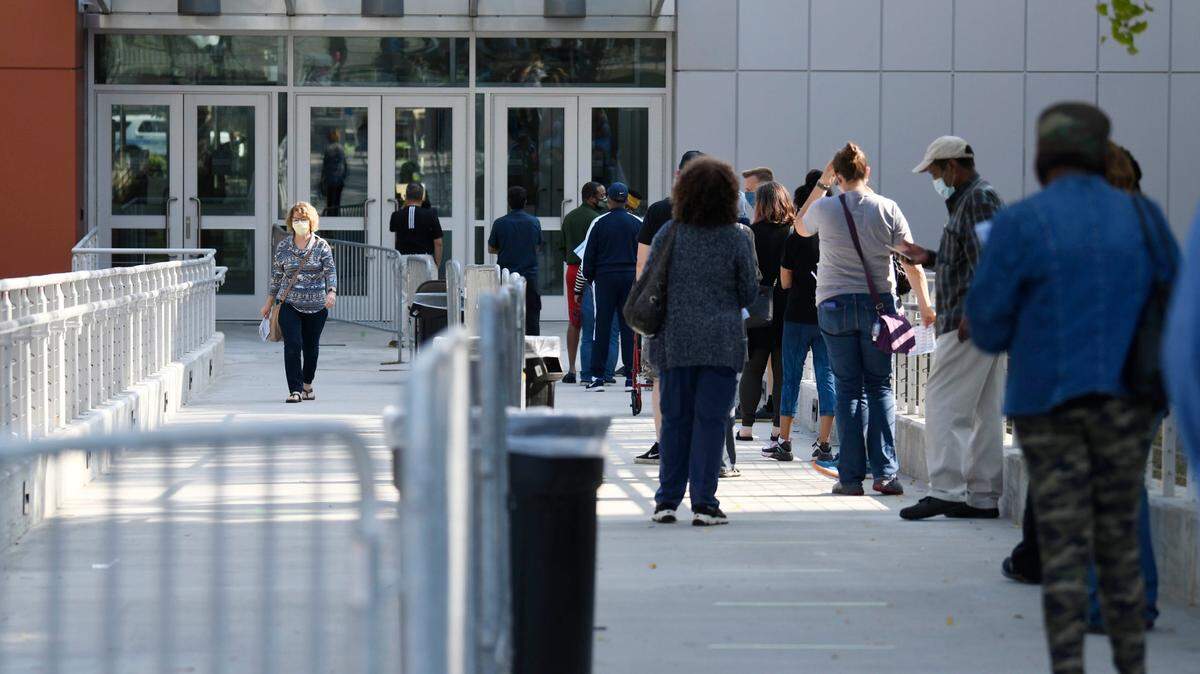
Mecklenburg County Board of Elections campaign specialist Nick Culp said voters should be “in-and-out in under 30 minutes” but recommends carving out about an hour to vote just in case.
Where can I vote?
People can vote at any location during the early voting period. Locations are as follows:
- Hal Marshall Annex, 618 N College St.
- Allegra Westbrooks Regional Library, 2412 Beatties Ford Road
- Independence Regional Library, 6000 Conference Drive
- Marion Diehl Recreation Center, 2219 Tyvola Road
- South County Regional Library, 5801 Rea Road
- Southpark Regional Library, 7015 Carnegie Blvd
- Steele Creek Masonic Lodge, 13611 Steele Creek Road
- University City Regional Library, 5528 Waters Edge Village Drive
- West Boulevard Library, 2157 West Blvd
On Election Day, voters must cast ballots at their specified polling place, which can be found can be found through the Mecklenburg County Board of Elections website or under “YOUR VOTING LOCATIONS” after searching on the State Board of Elections website vt.ncsbe.gov/RegLkup/.
When is early voting?
The first day of early voting is Aug. 21 and the last day of early voting is Sept. 6.
On weekdays from Aug. 21 to Aug. 29, early voting hours are 8 p.m. to 5 p.m. only at the Hal Marshall Annex in uptown, 618 North College St.
All nine of the Mecklenburg County sites are open from Sept. 2 to Sept. 5 from 8 a.m. to 7:30 p.m. On Sept. 6, all early voting sites will be open from 8 a.m. to 3 p.m.
How can I request an absentee ballot?
All registered voters in NC can request an absentee ballot at votebymail.ncsbe.gov/app/home.
Ballots will be mailed starting Aug 8. The last day to request an absentee ballot is Aug. 26 at 5pm. All absentee ballots must be returned to 741 Kenilworth Ave, Charlotte, NC 28204 before Sept. 9 at 7:30 pm.
Absentee ballot questions can be directed to absentee@mecklenburgcountync.gov or 704-336-2133.
This year, absentee ballots must be requested two weeks before Election Day. Requests in years past could be made one week before election day.
Will a sales tax referendum be on the Sept. 9 ballot?

No. Mecklenburg County voters will see the Charlotte transportation sales tax referendum on November’s ballot. The referendum would add a 1% countywide sales tax increase that would pay for road, bus and train projects.
Will Charlotte need a 2nd primary election day?
This could happen if no candidate receives the necessary percentage of votes to qualify as nominee, which in NC is 30%.
If I’m an unaffiliated voter, can I still vote in the primary?
As long as a voter lives in a jurisdiction with a primary, they can participate regardless of party affiliation. Voters who live in District 6 are the only ones who have a Republican primary on their ballot. And there’s no Democratic primary in District 6. Otherwise, all primaries on Sept. 9 are Democratic.
I’m a college student in Mecklenburg County. Should I vote?
The NCSBE recommends college and university students vote in the county where they live while attending school if they don’t plan on returning to their hometown after graduation, according to its website. If they do plan on coming back to their hometown post-graduation, NCSBE suggests voting in their home county’s municipal election.
People can only vote in one municipal election at a time.
I’m 17-years-old but will be 18 by the general election. Can I still vote in the Sept. 9 election?
Yes, as long as a voter will be 18 by the time of the general election, they may participate in the primary election.
This story was originally published August 13, 2025 at 5:00 AM.