‘Second-nature for me to drive that fast’: NC ‘frequent flyers’ explain why they speed
READ MORE
Death in the Fast Lane
The Charlotte Observer and News & Observer in Raleigh wanted to know how often extreme speeding was happening on North Carolina’s roads — and whether the COVID-19 pandemic had made highways deadlier. They found that nearly 92% of extreme speeders get breaks in the courts that allow them to avoid the full penalties.
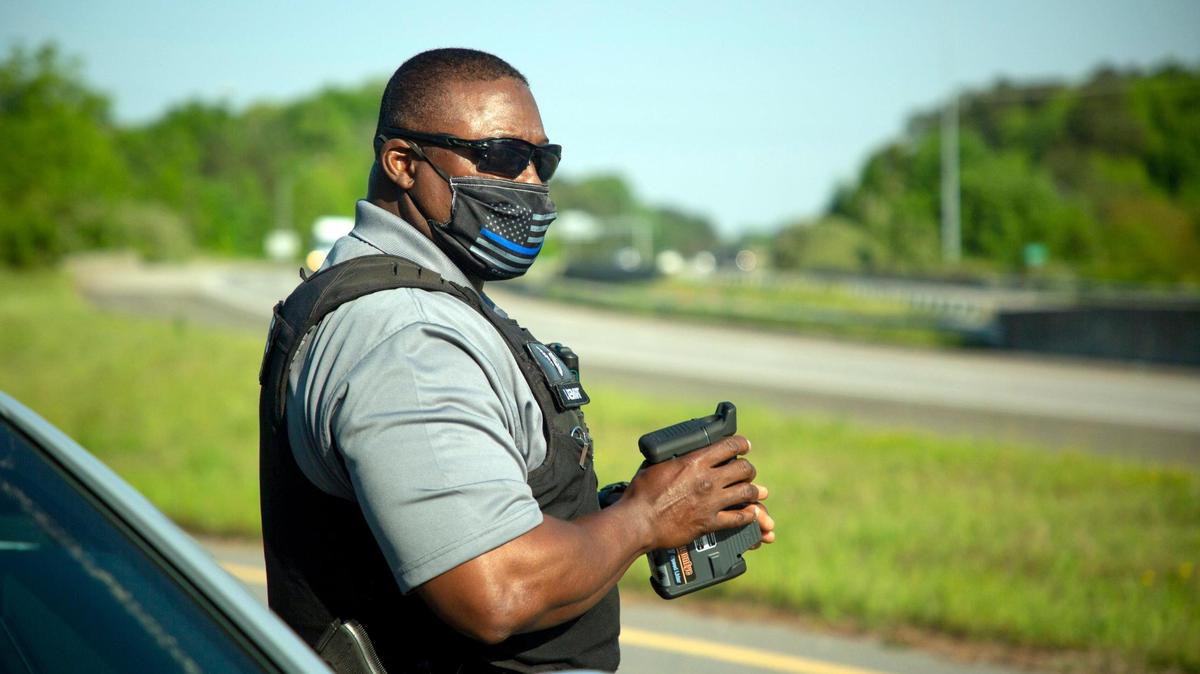
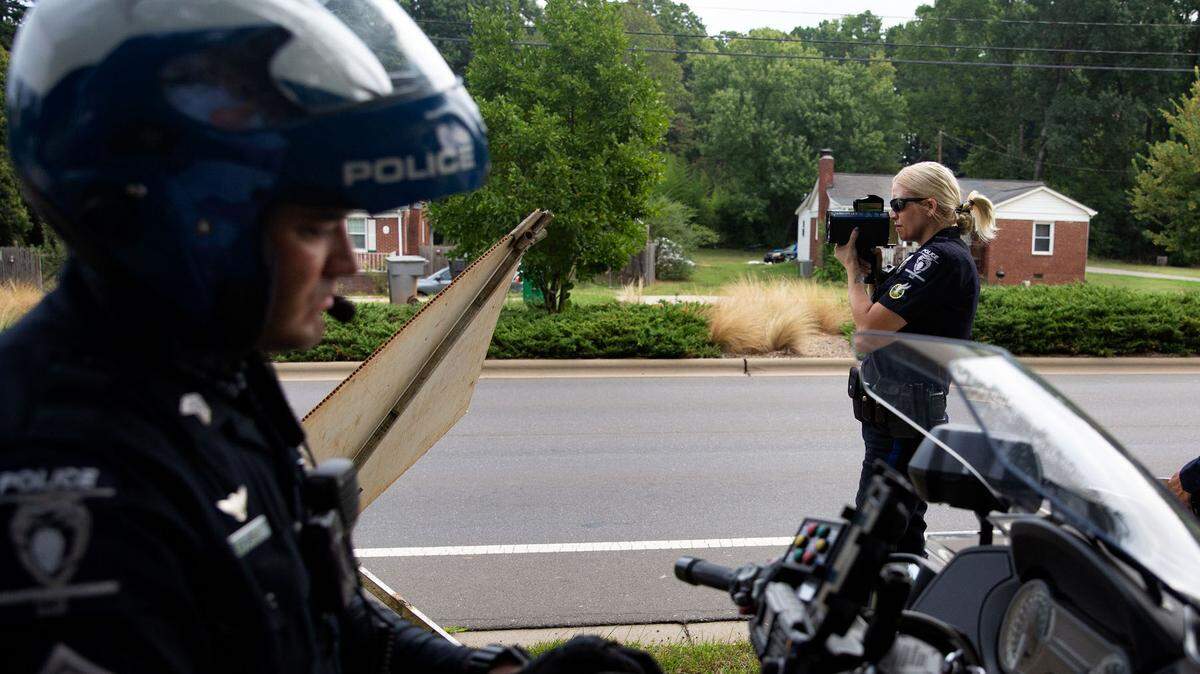
Highway Patrol troopers, meanwhile, acknowledged they were stretched thin. Experts say that helps explain why highway deaths have increased — and why people who drive 90, 100 mph or more routinely get away with it.
Expand All
Ask Justin Baham how many times he’s been ticketed for going 20 or 30 mph over the speed limit, and he pauses.
“In North Carolina?” he asks.
Then he thinks about it again.
“About 10 times,” he estimates.
Since 2014, Baham has in fact been stopped 11 times for going 20 mph or more over the speed limit, state data and court records show. He’s been stopped another four times for driving 15-19 mph over.
And that’s just in North Carolina. Baham said he’s been charged with speeding in five other states, too, including a ticket last August for going 118 mph in Alabama, records show.
“It just became second-nature for me to drive that fast,” said Baham, 31, of Burnsville, a small town north of Asheville. “I don’t really feel like I’m moving if I’m not speeding.”
Baham is one of the state’s most prolific super speeders. He’s one of about 90 drivers who have been charged with going 20 mph or more over the limit at least eight times in the past five years, according to data analyzed by the news organizations.
From 2016 through 2020, about 16,000 drivers have been charged with going that fast at least three times in North Carolina, state data shows.
Most of those drivers had their cases dismissed or took plea deals, according to an investigation by The Charlotte Observer and the Raleigh News & Observe.
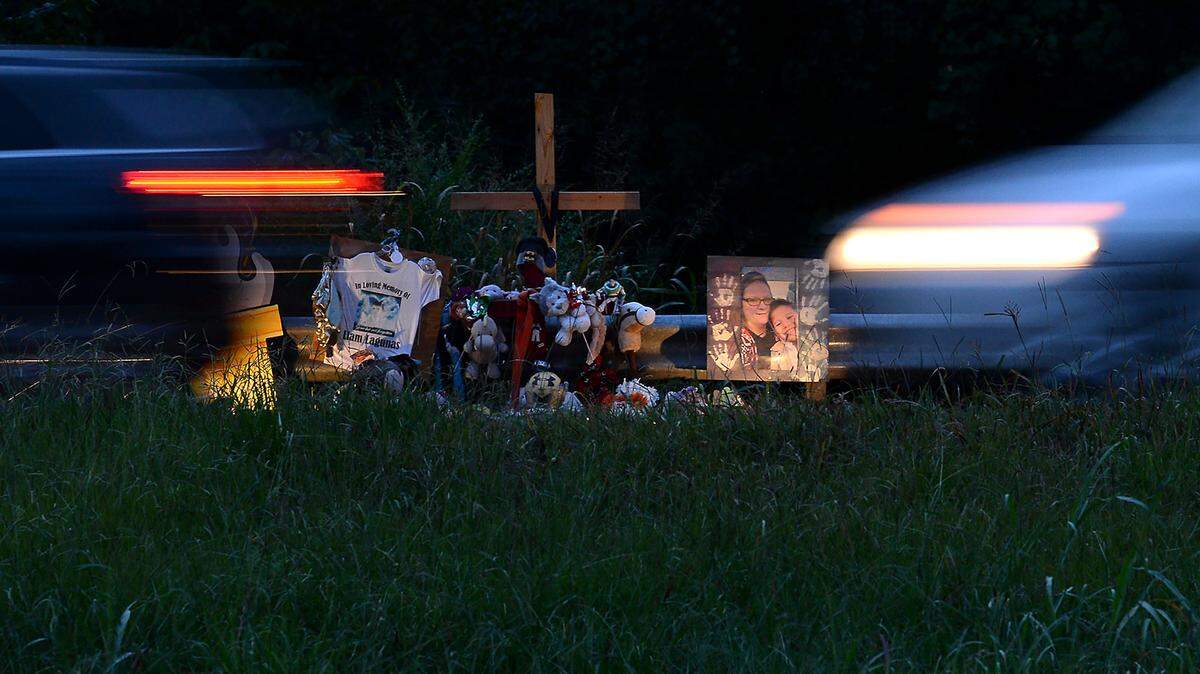
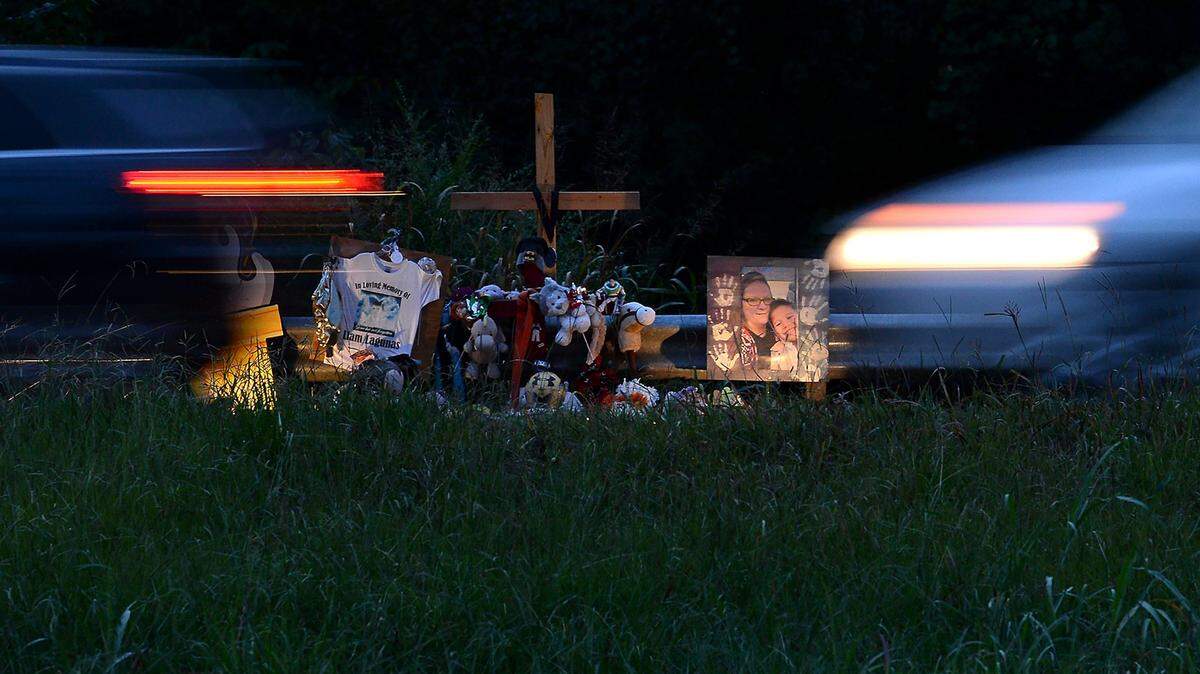
These charges add to the backlog in an already overtaxed district court system — the same system that handles property crimes, domestic violence cases and driving while impaired charges. And these repeat speeders, experts say, pose a danger to other drivers. More than 400 people died in speed-related crashes last year in North Carolina, the most in at least a decade.
“We don’t focus on speeding the way we focus on drunk driving,” said Jonathan Adkins, executive director of the national Governor’s Highway Safety Association. “There is not a MADD out there for speeding. We don’t have that pressure. When you’re driving 90 or 95 mph, and you’re in a crash, even if you’re wearing a seat belt, you’re probably not going to survive.”
To investigate repeat super speeders in North Carolina — those going 20 mph or more over the limit — the news organizations analyzed a database of more than 800,000 charges from 2016 through 2020.
Some of the state’s most frequently charged speeders include:
▪ Jonathan Reid Johnson, 39, of Concord, who police charged with going 20 mph or more over the speed limit 16 times. He received tickets for going 103, 95 and 90 mph on Interstate 85. He’s never been convicted of any of the original charges.
▪ Devajay Demont Hopper, 26, of Cherryville. Prosecutors charged Hopper with going 20 mph or more over the limit 14 times since 2016. He was convicted five times. Other charges were dropped or are pending. Cleveland County’s district attorney, Michael Miller, called Hopper a “frequent flyer.”
▪ Nathan Chandler Carroll, 25, of Elizabethtown, charged with driving more than 20 mph over the limit 11 times. Prosecutors dismissed 10 of those charges, usually as part of plea agreements, and he was found guilty on lesser charges once.
▪ Fawzi Bashar Mansour, 28, a former Charlotte resident. Since 2016, police charged Mansour with going more than 20 mph over the limit 10 times. He, too, has never been convicted as charged.
None of these drivers could be reached for comment.
A man who identified himself as Mansour’s father said that on many occasions police had no reason to ticket his son. “They targeted him because he has dark hair and because of his race,” the man said.
In all, police ticketed Mansour for speeding in North Carolina more than 20 times. He was charged seven times with going 90 mph or more. And in a 2017 case, he was charged with going 101 mph on Interstate 485.
In most of his speeding cases, records show, Mansour was reportedly driving so fast his license would have been suspended if he’d been convicted as charged. But his extreme-speeding charges were repeatedly dismissed or pleaded down, the newspapers’ data shows.
In nine of Mansour’s cases, prosecutors in Mecklenburg and three other counties let him plead to “improper equipment,” a loophole in state law that allows speeders to avoid license and insurance penalties by claiming their speedometers were not working properly.
Judges in three other cases granted Mansour “prayers for judgment continued,” which also allow drivers to avoid license and insurance penalties.
And in the Mecklenburg case where he was charged with driving 101 mph in a 70-mph zone, a prosecutor agreed to reduce the speed to just 9 mph over the limit — a plea deal that also allowed him to avoid stiff sanctions, such as the loss of his license or massive hikes in insurance premiums.
Bruce Lillie, Mecklenburg County’s assistant district attorney, said prosecutors offer plea deals because it would be impossible to take even a small percentage of the county’s speeding cases to trial, much less all of them. The courts simply don’t have enough resources to do that.
“We can’t only prioritize high-speed cases because there are many other cases such as DWIs, assault and domestic violence,” Lillie said.
But, he said, prosecutors in Mecklenburg review people’s driving records before offering deals and their histories influence what prosecutors are willing to offer.
Prosecutors in some other counties don’t always do that, the news organizations found.
Reece Saunders, the district attorney for Richmond and Stanly counties, said he’d like his prosecutors to review the full driving records of people charged with extreme speeding, but on days with hundreds of cases crowding the docket, prosecutors have little time for that.
“In administrative court, we’re probably not looking at the records,” Saunders acknowledged. “... Maybe we’re not looking at the records closely enough.”
Combined, Richmond and Stanly counties have charged about 40 people with going 20 mph or more over the speed limit at least three times since 2016.
But the plea deals prosecutors offer don’t let speeders go unpunished, Lillie noted. Many of the deals for chronic speeders have consequences, such as fines, court costs, points added to their licenses or increases in insurance premiums.
“It’s a manner in which we can make someone slow down, hold them accountable and at the same time use that court time for other things,” Lillie said.
Still, law enforcement authorities say that plea deals too often allow habitual speeders to avoid serious penalties.
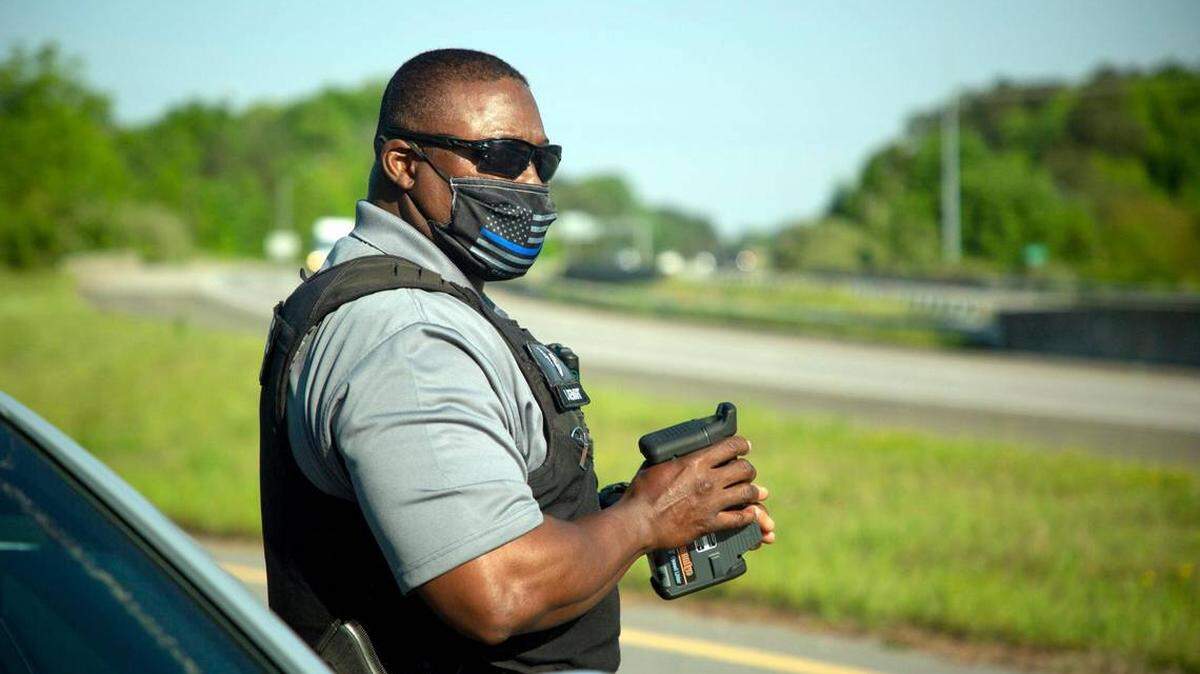
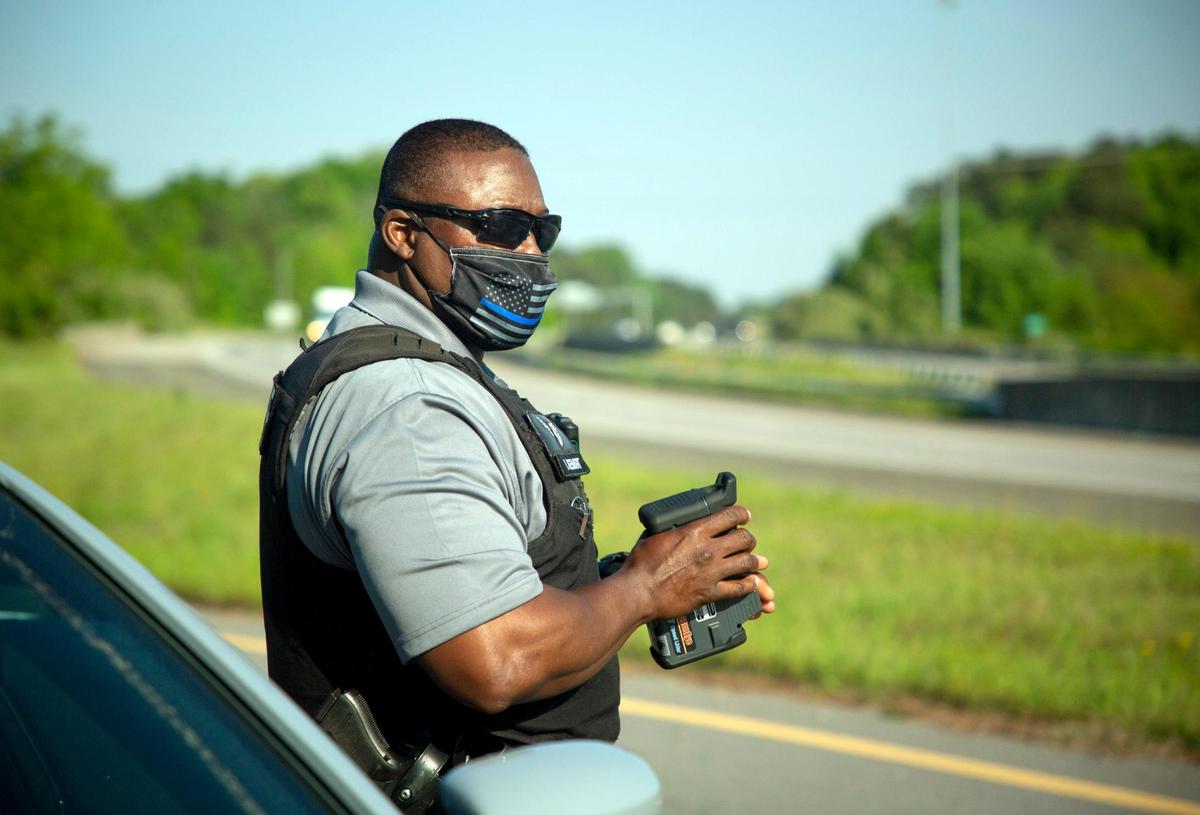
“When we look at people’s records and we see they’re repeat offenders and they just get a slap on the wrist, it’s kind of disheartening,” said State Highway Patrol First Sgt. Ben Miller, who has worked in both Mecklenburg and Cabarrus counties.
Ike Avery, a retired top lawyer for the North Carolina State Highway Patrol, added, “The guys caught 10 times … won’t pay until they kill somebody.”
Speeders know they’ll get deals
Justin Baham, the chronic speeder from Burnsville, knows how easy it is to get a speeding charge reduced. Sometimes it’s as simple as calling the district attorney’s office and asking for a deal.
“I just did that the other day,” Baham said. “I don’t think they ever looked at my record. If they did, they might have changed their mind.”
In March, Baham was ticketed for going 81 mph in a 65-mph zone in western North Carolina. The court gave him an improper-equipment deal, records show.
Defendants also benefit from having a lawyer, Baham said.
Timothy Williams, a Jacksonville, N.C., resident, said he has a lawyer on retainer. Attorneys have helped Williams get plea deals on nearly all of his nine extreme-speeding charges since 2016.
He said it’s easy to understand why speeders get deals. The courts are backed up and prosecutors don’t have time to pursue every speeding case. Speeders know that, Williams said.
“A lot of people already know when they get a ticket the first thing (prosecutors are) going to do is drop it down,” Williams said. “And you’re just going to have to pay a fee. That’s when you realize how the game is operated. Even cops will tell you that.”
Playing the game doesn’t come cheap, though. Williams, who owns a mobile window tinting business, estimates he has spent more than $20,000 fighting speeding tickets.
He called the system “a money grab,” a way the government can collect hundreds of dollars for each case with little effort. In North Carolina, most of the money from speeding tickets goes to the state’s general fund.
Finally time to slow down
But Williams, who hasn’t gotten a ticket for extreme speeding since 2019, said he’s changed his ways. He no longer participates in street races or speeds to impress people, he said. And he spends most of his time driving a Dodge Ram pickup rather than his flashy blue Chevrolet Camaro.
So has Efrem Cowper of Charlotte. After seven extreme-speeding charges since 2016, including one for going 113 mph on I-85 last year, Cowper said he’s done with driving fast.
Cowper has racked up some of the highest-speed tickets in North Carolina in recent years, according to state records. In addition to his ticket for going 113 mph, he’s been stopped for going 109, 106, 92 and 90 mph.
He’s one of more than 500 people in Mecklenburg County who have been charged with extreme speeding at least three times.
“There’s no excuse,” said Cowper, who drives a Mercedes. “I did it. And I’ve paid the consequences. As I’ve gotten older, I’ve learned from it.”
Part of that learning comes from the roughly $800 he spends per speeding charge. The other part comes from his three stints in court-mandated traffic school.
But traffic school doesn’t stop speeding, Cowper said. Neither do plea deals.
Angela Berry, traffic safety manager for the Charlotte Department of Transportation, said plea deals send the wrong message.
“Sometimes, the only way you can get people to change their behavior is through repercussions,” she said. “If they can get out of repercussions of a speeding ticket time and again, they’ll continue to speed. It’s just that simple.”
Former state Rep. Rick Glazier, who was the floor manager on a 2007 bill that was intended to tighten the state’s speeding laws but included the improper-equipment loophole, said he thinks habitual speeders shouldn’t be getting so many breaks.

“If there’s someone who has been charged six, seven, eight times — that’s not the kind of person the system was designed to help,” said Glazier, who now runs the NC Justice Center.
Charlotte attorney Bill Powers, who represents many drivers charged with speeding and other traffic offenses, says it’s extremely rare for speeders, even those charged repeatedly for excessive speeding, to do jail time. That said, some convictions bring stiff consequences for speeding drivers, he said.
“I think it’s a fair inquiry to ask, ‘Are those consequences enough to stop habitual speeders?’” Powers said.
Some drivers with otherwise clean records deserve consideration from prosecutors, Powers said.
He said he thinks the courts in Mecklenburg do well differentiating between those who habitually drive too fast and those who were simply in a hurry.
But when Powers’ clients get breaks in court, he often has a candid talk with them.
“I tell them, ‘You got some grace here. But you need to slow down.’”
Mark Ezzell, director of the North Carolina Governor’s Highway Safety Program, says penalties for repeat speeders need to be significant to be effective.
“We have to make sure it’s not just a slap on the wrist. Because you could kill somebody.”
News and Observer of Raleigh database editor David Raynor contributed.
Read the final part of Death in the Fast Lane:
Click here if you’re a Charlotte Observer subscriber.
Click here if you’re a Raleigh News & Observer subscriber.
Click here if you’re a Durham Herald-Sun subscriber.
Click here if you’re a Rock Hill Herald subscriber.
This story was originally published June 3, 2021 at 8:00 AM.