How we investigated extreme speeding in North Carolina
READ MORE
Death in the Fast Lane
The Charlotte Observer and News & Observer in Raleigh wanted to know how often extreme speeding was happening on North Carolina’s roads — and whether the COVID-19 pandemic had made highways deadlier. They found that nearly 92% of extreme speeders get breaks in the courts that allow them to avoid the full penalties.
Highway Patrol troopers, meanwhile, acknowledged they were stretched thin. Experts say that helps explain why highway deaths have increased — and why people who drive 90, 100 mph or more routinely get away with it.
Expand All
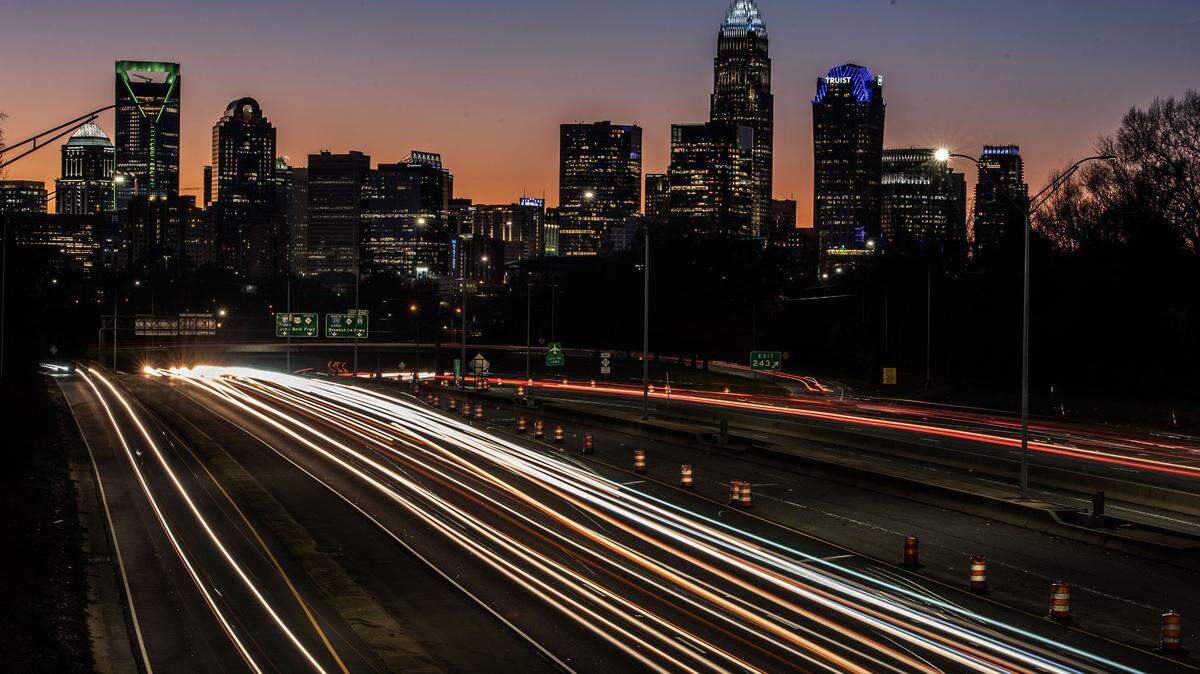
As COVID-19 lockdowns forced businesses to close and left thousands of others working from home last year, Charlotte’s usually clogged interstates turned into speedways.
Then tragedy struck. On July 3, 2020, five people died after a car going 120 mph on Charlotte’s outerbelt lost control and slammed into another vehicle.
Reporters at The Charlotte Observer and Raleigh News & Observer wanted to know how often extreme speeding was happening on North Carolina’s roads — and whether the pandemic had made highways deadlier. Were drivers going faster on emptier roads? How often were speeders causing deadly wrecks? Were North Carolina’s courts holding super speeders accountable?
To answer those questions, reporters obtained a database of all criminal charges and citations from the N.C Administrative Office of the Courts and extracted from the data all extreme speeding charges from 2016-20 — some 800,000 records in all. The news organizations defined extreme speeding cases as those in which drivers were charged with going 20 mph or more over the limit — meaning at least 90 mph on most interstates.
Reporters also isolated any companion charges, such as reckless driving, driving while impaired and speeding to elude arrest.
Extreme speeders, the investigation found, were convicted as charged just 5% of the time. They were convicted on a companion charge — often more serious than the speeding charge — about 3% of the time.
Most of the rest got plea deals that allowed them to avoid full punishment. Those deals included some 218,000 cases in which drivers were allowed to plead guilty to “improper equipment” — a charge that allows them to claim, without proof, that their speedometers weren’t working. While they paid fines and court costs, these pleas let defendants avoid points on their licenses and increases in their insurance premiums.
Highway safety experts call the deals slaps on the wrist. And many who got the deals continued to speed. Some were later involved in fatal wrecks, the reporters found.
Reporters interviewed more than 60 people, including habitual speeders, prosecutors, law enforcement officers, legislators, lawmakers, experts, lawyers and relatives of those who died in crashes.
They also reviewed crash reports and statistics, criminal complaints, legislative bills and enforcement data to come up with their findings.
This story was originally published June 3, 2021 at 8:00 AM.