
How NC officials paid bills with public money, bought land with insider info
READ MORE
Bettering troubled towns
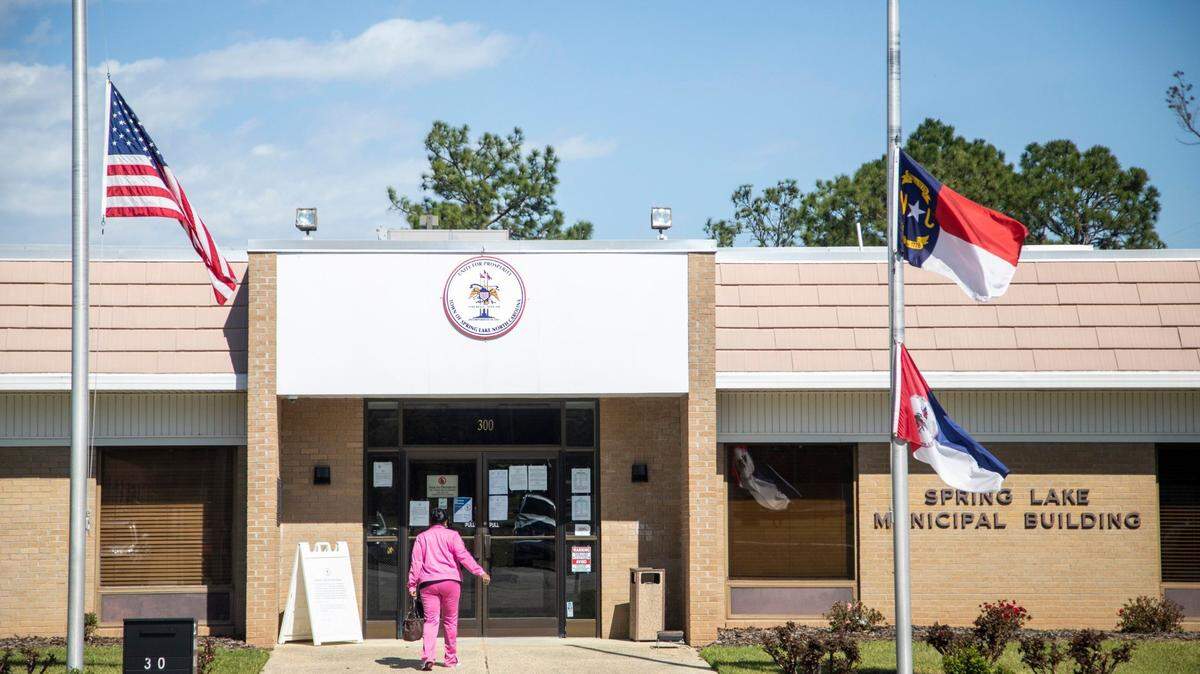
Money poured into one North Carolina town. After audits and a failed land deal, much of that money went missing. But where? Just how often does the state step in and take over a municipality? And as the state’s treasurer tries to change the system and tighten government oversight so this doesn’t keep happening, can it even be fixed? Take a deep dive with The News & Observer into Spring Lake and other failed projects.
Expand All

Missing money. Failed land deal. NC town kept screwing up. Can the state prevent repeats?
How NC officials paid bills with public money, bought land with insider info
NC treasurer wants to tighten local government oversight. Read the proposed reforms

See financial issues, corruption or worse in NC local governments? Tell us about it.
While the town of Spring Lake’s financial troubles have dominated headlines in recent months, other North Carolina towns have drawn state regulators’ scrutiny in recent years:
Rocky Mount
In May 2020, the state auditor reported that city officials had allowed a council member to avoid paying $47,704 in city utility bills dating back to 1999.
“Rather than following the normal collection process, multiple City officials gave the Council Member preferential treatment,” the audit said.
The audit also found that multiple downtown development managers didn’t follow program guidelines, resulting in $32,452 in uncollected loans and $28,000 of improperly awarded funds. The city manager exceeded the per diem rate for meals, overcharging the city $1,575, and the engineering department potentially cost the city $31,000 by not calling in a line of credit given to a developer who did not do required work.
Gaston
In August, the state auditor found that the town clerk had issued $39,072 in unauthorized loans to herself, a former town police sergeant and a former part-time police officer; received $4,410 in unallowable vacation pay; commingled personal funds with town funds; and did not get required second signatures on all town checks.
A commissioner also purchased a town lawnmower at a price that was roughly $2,700 below the fair market value. He told his colleagues on the town board it needed $5,000 in repairs and offered $800 for it. But once he got it he used it without making any repairs, the audit said.
East Laurinburg
In October, the state auditor reported the small Scotland County town’s finance officer used town funds for personal expenses, including paying her utility bills. She had worked for the town from December 2016 through March 2018. During that time and for two years beyond, the town had not submitted annual audits to the Local Government Commission, as required by state law.
The audit found the finance officer had written 13 town checks to cover $2,674 in personal utility bills. Her mother, who was a town commissioner, had co-signed 11 of the checks. The audit said the finance officer also charged another $8,542 in questionable expenses that had little or no supporting documentation.
The state auditor referred the case to the local district attorney to determine if criminal charges should be pursued.
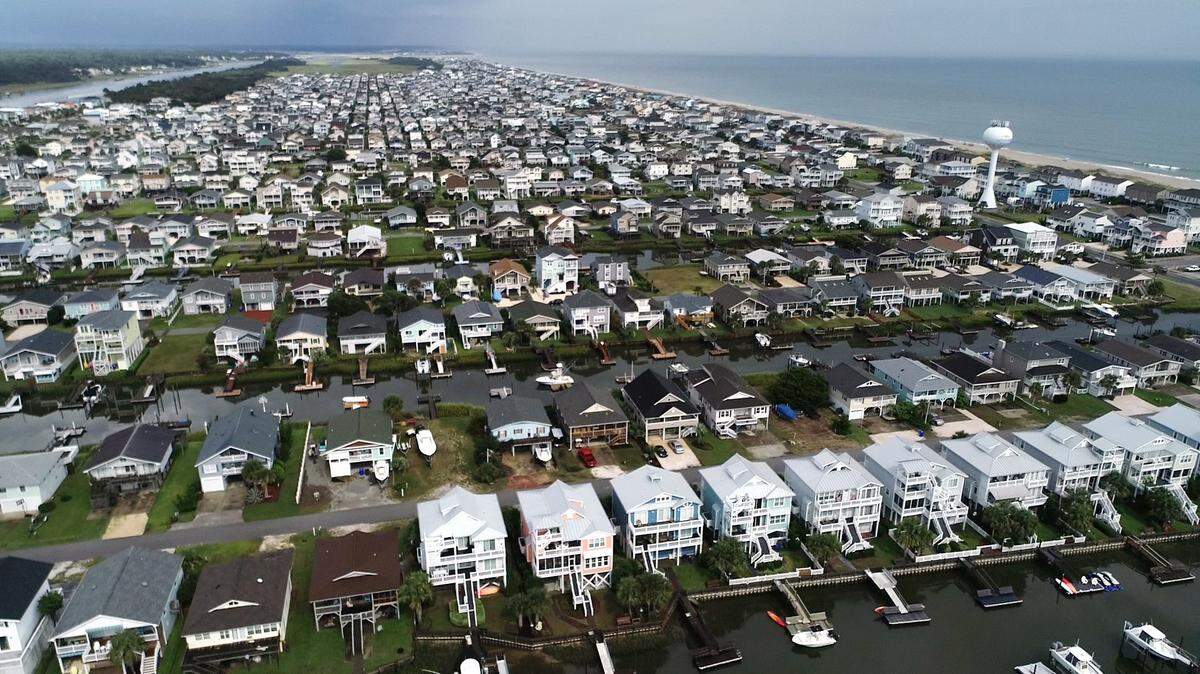
Ocean Isle Beach
In January, the state auditor reported the town’s mayor used her position to skirt competitive bidding to purchase – via a real estate company she and her brother own -- the town’s police department property. The town board preliminarily accepted the company’s $460,670 offer and would only entertain “upset bids” that had to be roughly $23,000 higher.
“The Mayor of the Town of Ocean Isle Beach acquired Town property using confidential information that was not available to the public,” the audit said. “As a result, the public lost the opportunity to purchase the property for an equivalent price. The Mayor failed to follow state law which prohibits public officials using information not available to the public to acquire a financial interest in any property.”
The Brunswick County town also violated state public meetings law by discussing the sale in closed sessions, the audit found. The state auditor referred the case to the local district attorney to determine if criminal charges should be pursued.
Town officials said their efforts to sell the town property were above board, including making available to the public an appraisal and discussing the mayor’s bid in an open session. The mayor did not vote on the sale, town officials said.
This story was originally published June 8, 2022 at 6:00 AM with the headline "How NC officials paid bills with public money, bought land with insider info."