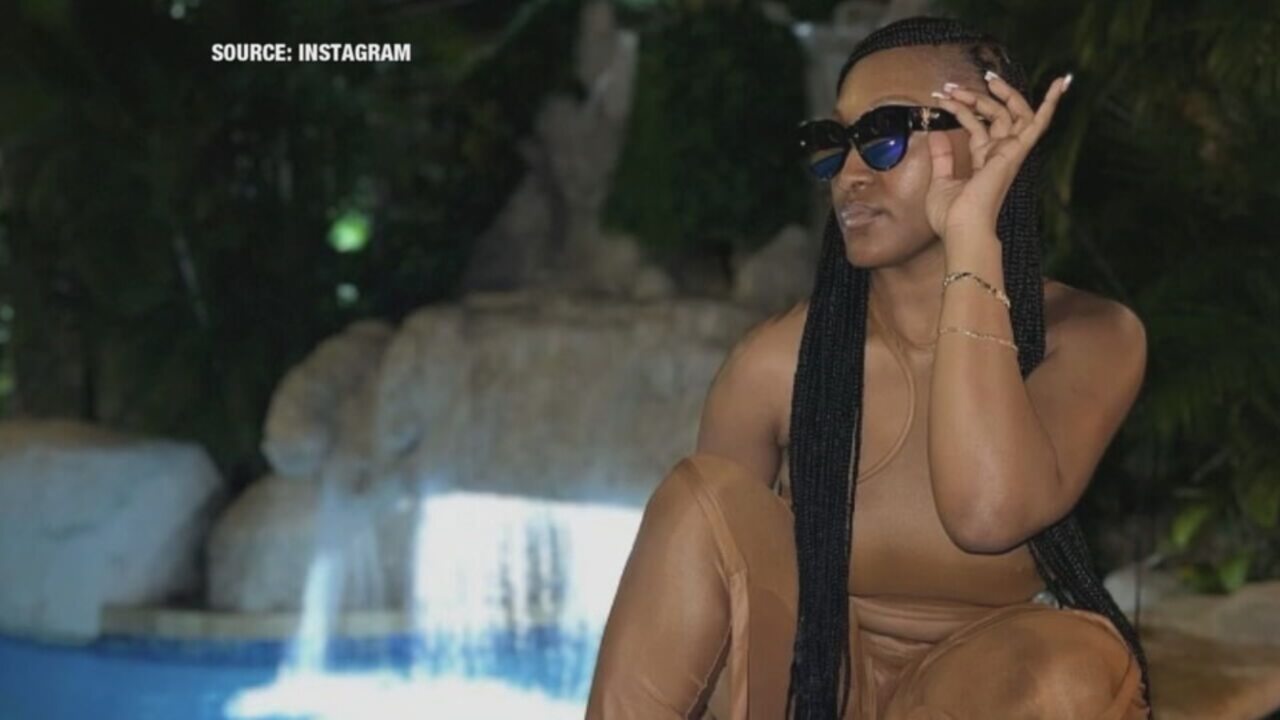
Why weren’t U.S. charges filed in Shanquella Robinson case? Is extradition possible?
READ MORE
Shanquella Robinson Death Investigation
The 25-year-old Charlotte woman died while on vacation in Cabo, Mexico.
Expand All
Questions of the chance of success at trial and jurisdiction likely loomed over the decision by U.S. authorities to not file criminal charges in the Shanquella Robinson case, criminal justice and legal experts say.
When deciding whether to bring charges, prosecutors typically assess whether they have “a substantial likelihood of success at trial,” Charlotte attorney George Laughrun told The Charlotte Observer.
“Keep in mind that the prosecutor’s role is not to convict people. The prosecutor’s role is to do what’s fair, and sometimes being fair for a prosecutor means he doesn’t file any charges,” said Laughrun, a criminal defense lawyer and former assistant district attorney in Mecklenburg County.
“The easy thing for a prosecutor to do is to try every case that comes across his desk,” Laughrun said. “I think that’s easier than having to meet with the family of a victim and say ‘Well, we just can’t make the case because of A, B, C and D.’”
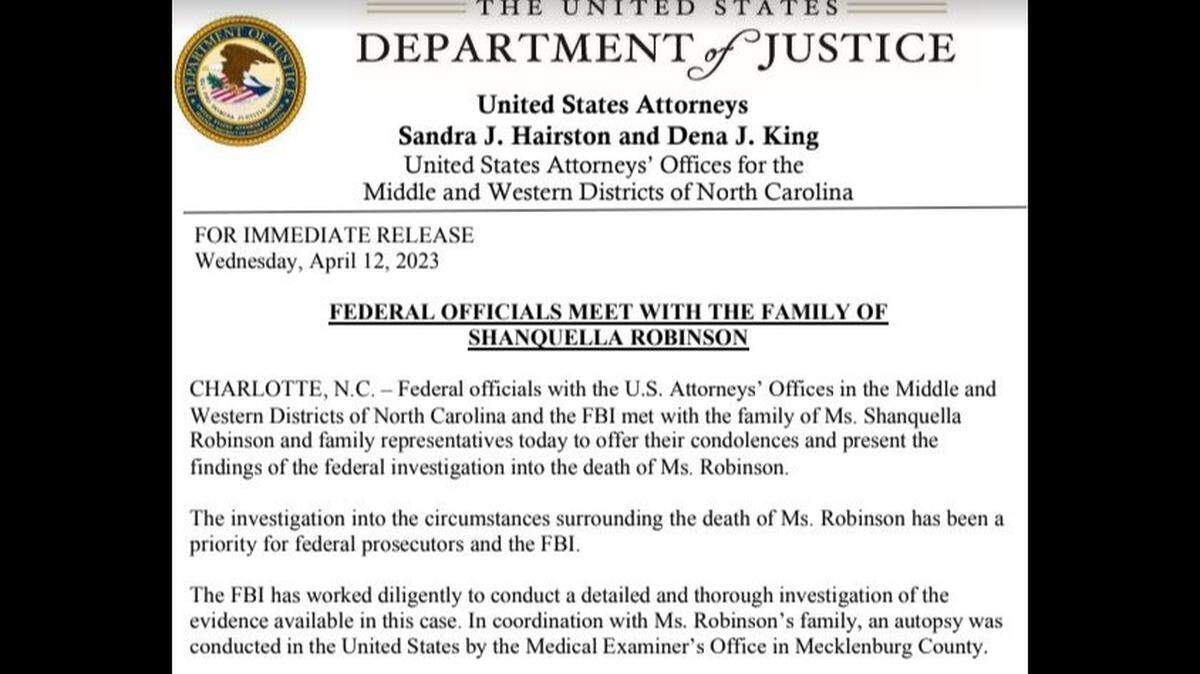
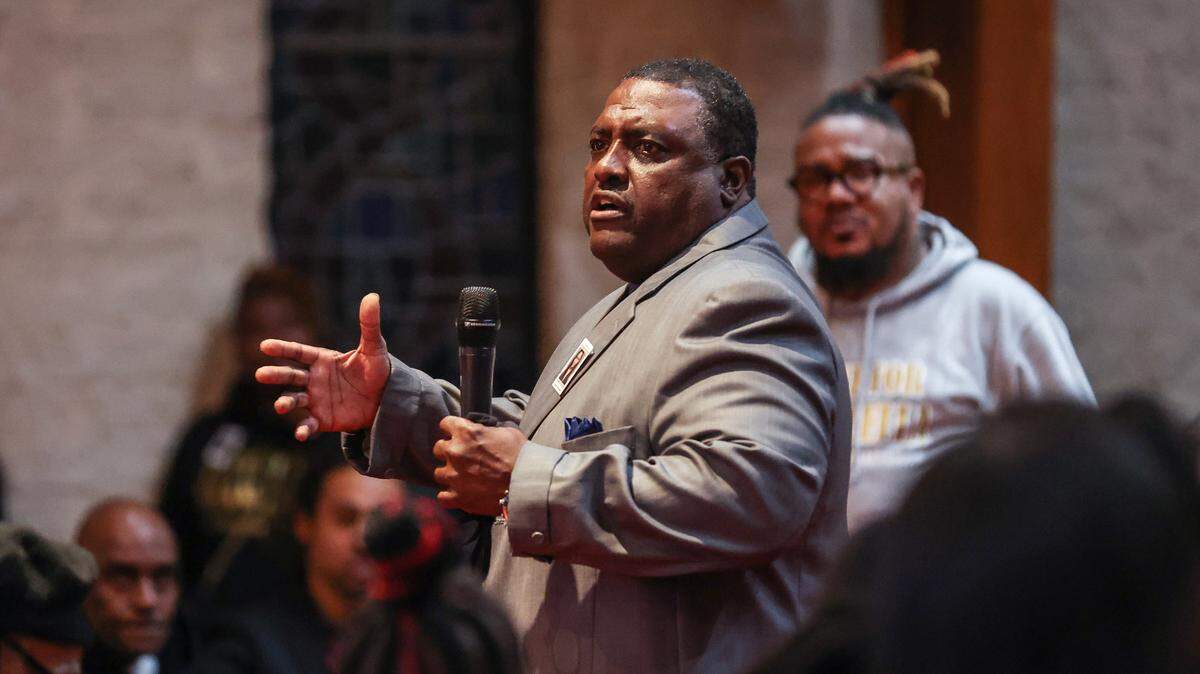
United States Attorneys Sandra J. Hairston and Dena J. King, for the Middle and Western Districts of North Carolina, respectively, said in a Wednesday statement they and the FBI had met with Robinson’s family to “present the findings of the federal investigation” into her death while on vacation in Mexico.
“As in every case under consideration for federal prosecution, the government must prove, beyond a reasonable doubt, that a federal crime was committed,” the statement said. “Based on the results of the autopsy and after a careful deliberation and review of the investigative materials by both U.S. Attorneys’ Offices, federal prosecutors informed Ms. Robinson’s family today that the available evidence does not support a federal prosecution.”
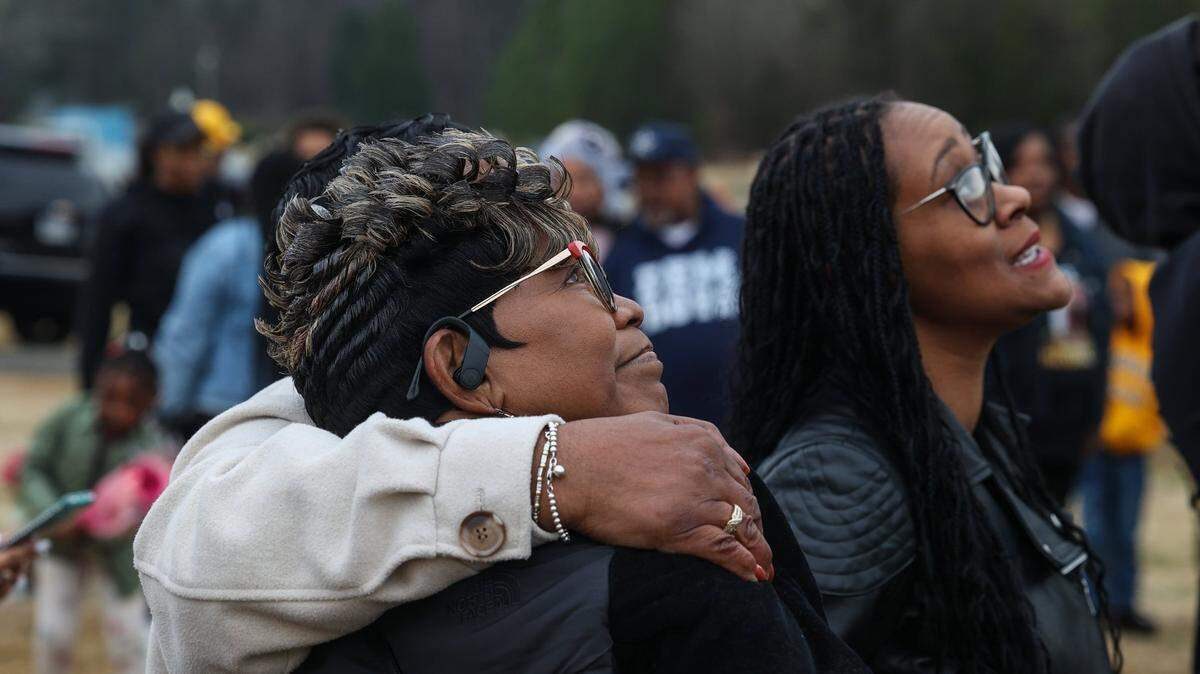
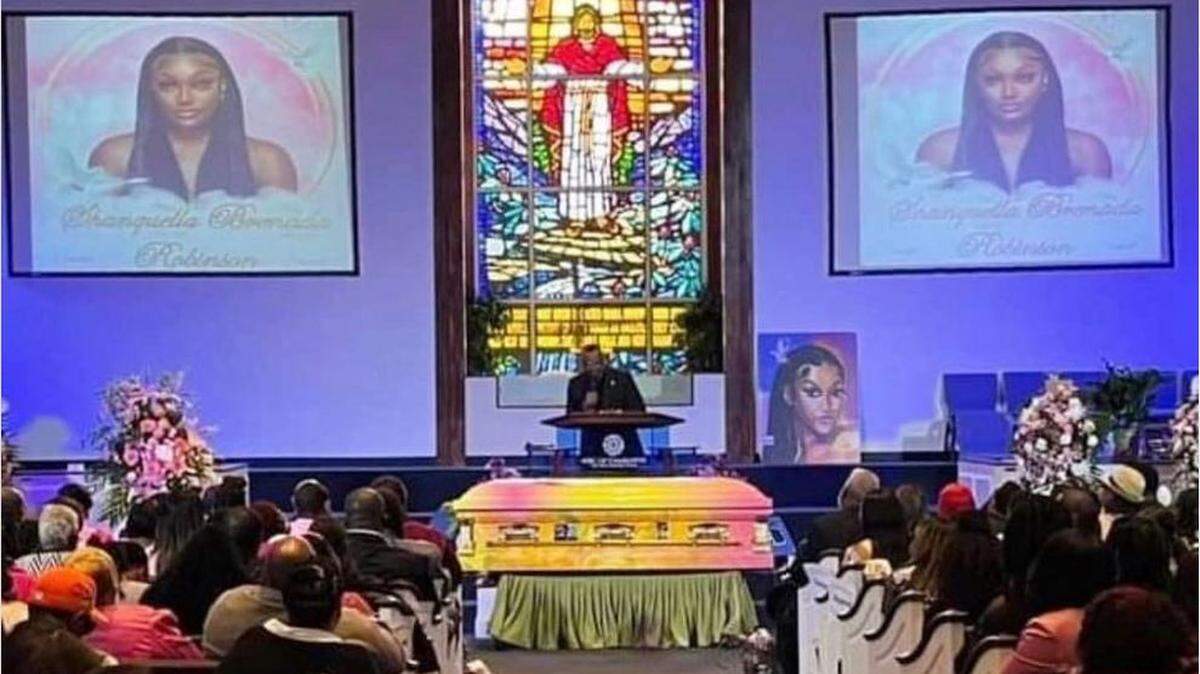
Robinson’s case has gotten widespread attention since a video of her being attacked while on vacation surfaced. The 25-year-old Charlotte woman was staying at a villa in Cabo, Mexico in October with six other people when she died.
The group reportedly told Robinson’s mother her death was caused by alcohol poisoning, but her family has questioned that story, and the FBI began investigating the case in November.
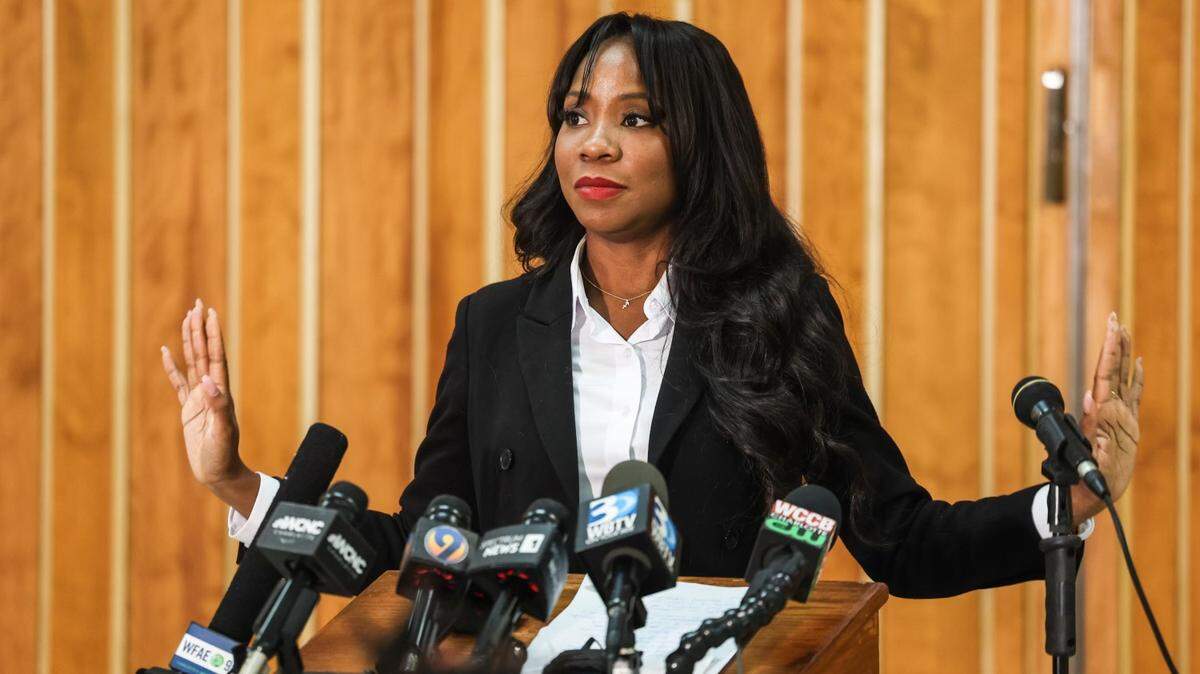
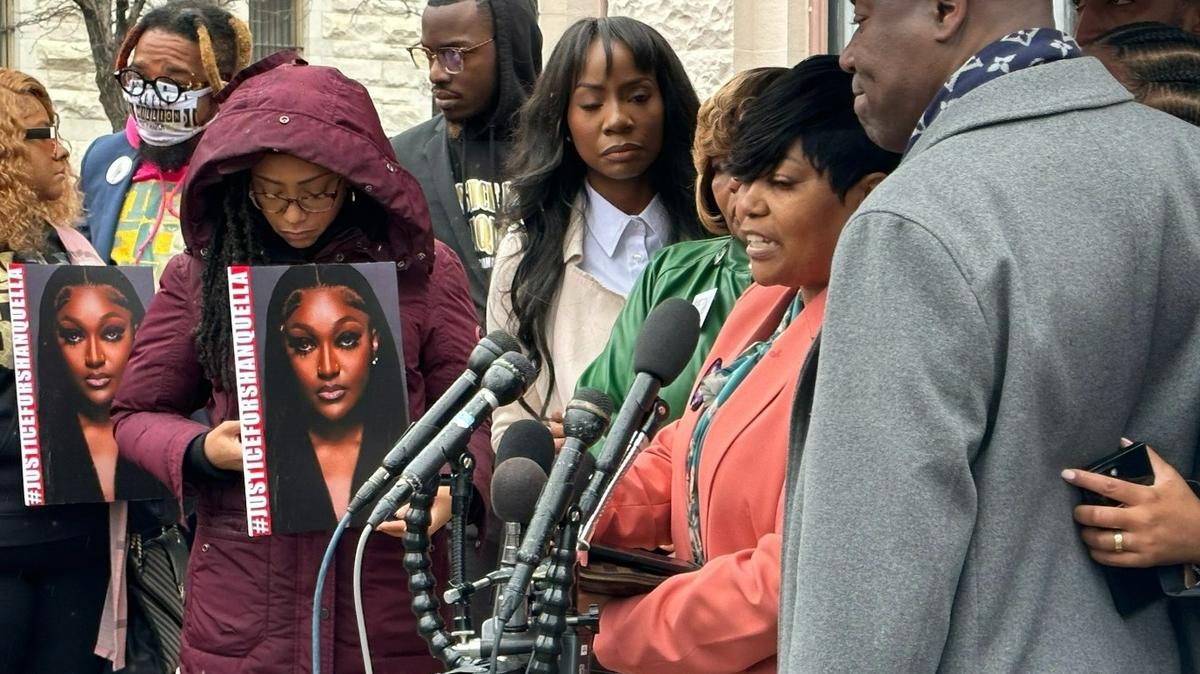
A death certificate, based on an autopsy in Mexico, said her cause of death was “severe spinal cord injury and atlas luxation” — a broken neck. But an attorney for Robinson’s family said at a Wednesday press conference she was told by U.S. officials a secondary autopsy — in the U.S. — didn’t find a spinal cord injury and ruled her cause of death “undetermined.”
That attorney, Sue-Ann Robinson, questioned the validity of that second autopsy because she said it was conducted after Shanquella Robinson’s body was embalmed.
Can extradition still happen in Shanquella Robinson case?
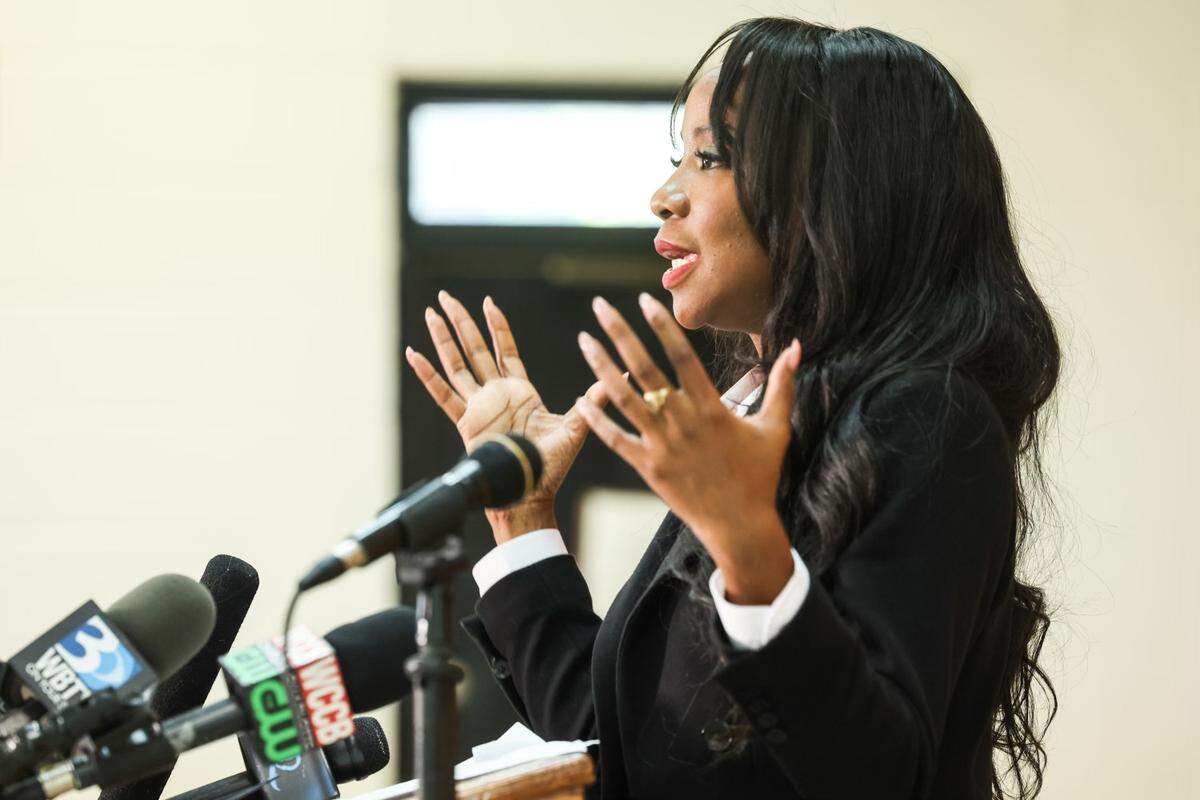
Wednesday’s announcement by the U.S. Attorney’s Office shouldn’t impact the chances of a suspect potentially being extradited to face charges in Mexico, said Stephen Ward, an assistant professor of criminal justice at Belmont Abbey College.
Sue-Ann Robinson and fellow attorney Benjamin Crump — in a March 13 letter to President Joe Biden and diplomatic leaders — wrote that an arrest warrant issued in Mexico charges one of the people on the trip with Shanquella Robinson with femicide (similar to homicide). Previously, a top prosecutor in the Cabo region confirmed that — without naming the suspect — and said his office was seeking to extradite the American citizen for arrest.
“When an extradition request is made, that’s simply asking the jurisdiction that receives the request for the police to pick this person up and turn them over to us. We do that all the time between states here in the United States and extradite with other countries,” said Ward, a retired assistant district attorney in Mecklenburg County.
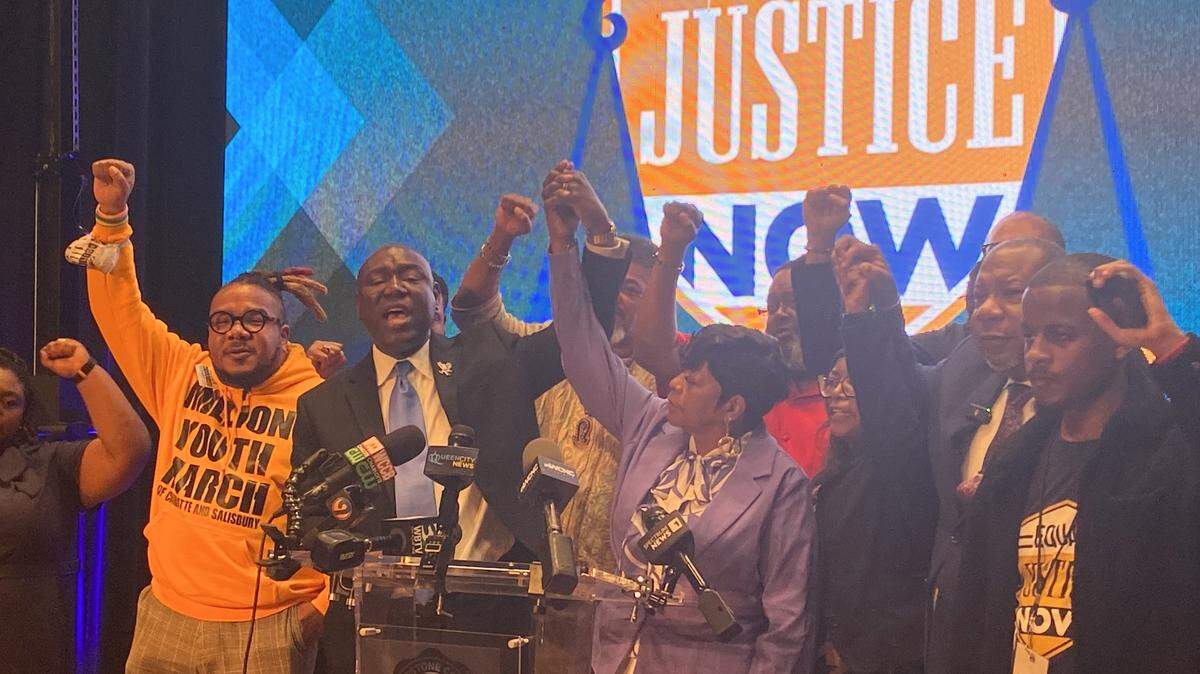
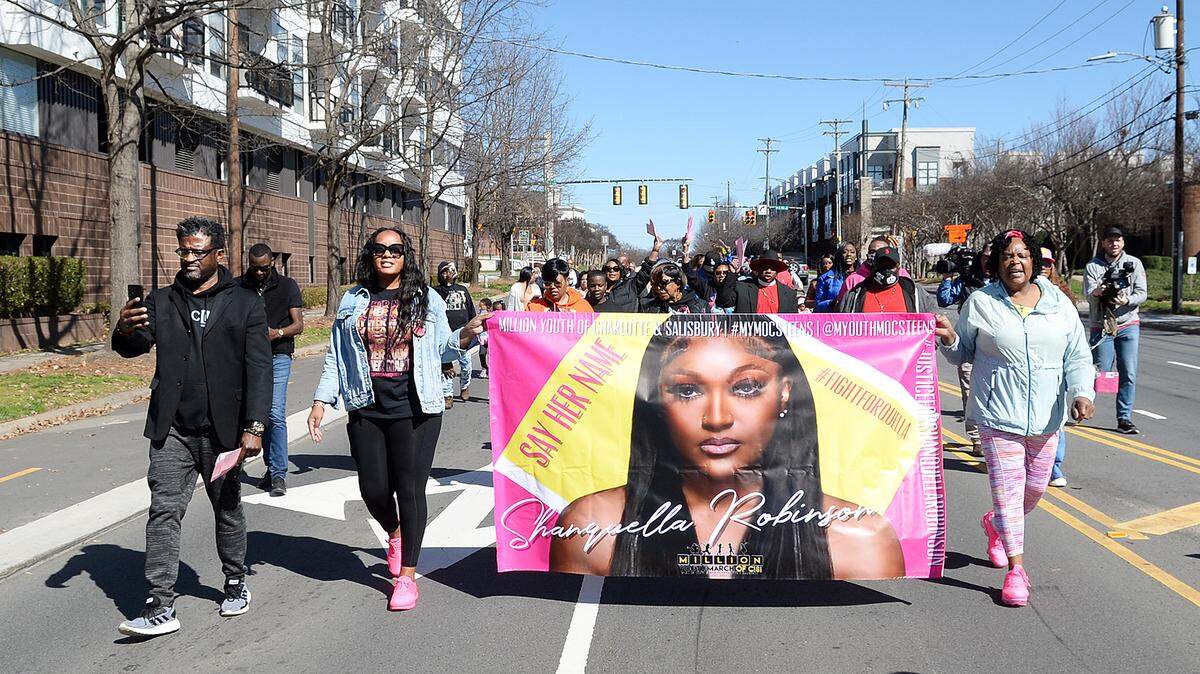
Activists and attorneys for Shanquella Robinson’s family have specifically called for U.S. officials to comply with an extradition request or “take jurisdiction” and charge the suspect under federal laws.
But Ward questioned whether U.S. authorities ever had the jurisdiction to charge someone with a crime allegedly committed abroad.
“The main reason that they would not prosecute anybody is because it didn’t happen in the United States,” he told the Observer. “We don’t have jurisdiction, so unless they were … trying to come up with some other justification to charge such as, you know, conspiracy to conceal a crime or something of that nature, this happened in Mexico. The United States, the FBI, no one has jurisdiction over the case.”
The U.S. State Department previously told The Charlotte Observer it “supports a thorough investigation into the circumstances of this incident and is closely monitoring local authorities’ investigation.”
In Wednesday’s statement, the U.S. attorneys said U.S. officials are “prepared to review and examine new information related to the investigation should it become available.”
This story was originally published April 12, 2023 at 7:30 PM.