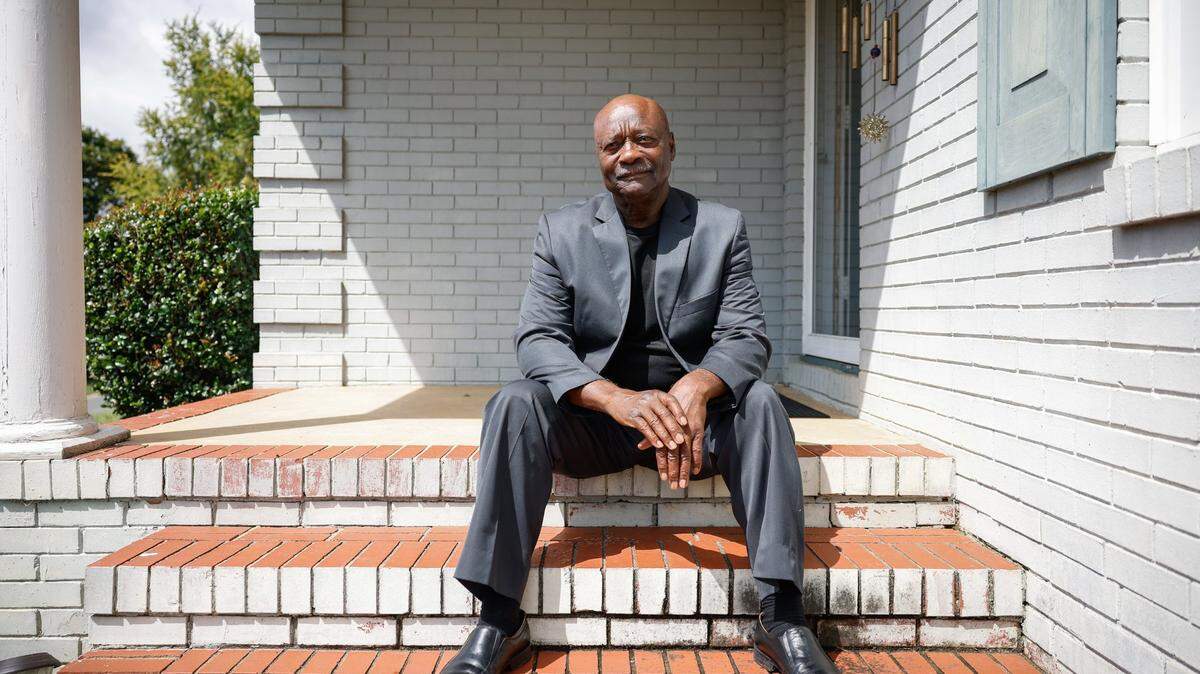
NC woman had plans for ‘American dream.’ Then huge hospital bills made that impossible.
READ MORE
Confronting Medical Debt in North Carolina
Expand All
A first-of-its-kind state initiative is expected to help people with big hospital bills they can’t pay and to reduce the risk that more North Carolinians face the same plight.
In exchange, this state’s 99 hospitals will receive billions more in federal Medicaid money.
For many North Carolinians, the damage is already done. Among them is Charlotte resident Brenda Campbell, whose business and retirement plans were dashed by big medical bills.
In 2019, Brenda Campbell applied for a $500,000 loan to buy the Charlotte day care center she’d managed for 30 years. She’d hoped one day to leave the business to her three children.
But a bank lending officer delivered disturbing news: She wasn’t eligible for a loan because hospital bills had damaged her credit score. That forced her to downsize her plans.
The day care’s owner sold the business to someone else who didn’t allow Campbell to stay on as the center’s director. So Campbell had to move her child-care business to her family’s three-bedroom home in Charlotte’s Clanton Park neighborhood, near Interstate 77.
Her child-care business, which once cared for 70 children, now can accommodate just eight. That means much less income.
Campbell, now 65, has been working since the age of 16 and she had hoped to retire by now. But without the income from the larger business, she expects she’ll have to keep working another 10 years.
“We’ve worked all our lives to have the American dream,” she said, sitting in a child’s chair near blocks and toys that fill the front room of her home. “But right now, we can’t even afford to have a vacation.”
The problems began in 1999, when a family member was badly injured in a car crash. The family member got back surgery at Novant Presbyterian Medical Center — and then a second surgery in 2017 to address continuing pain.
The hospital bills totaled around $100,000. Campbell negotiated with Novant to reduce the total to about $60,000, and she has been trying to pay that amount off gradually — usually $25 to $100 a month, she said. Novant turned her account over to collections in 2018 nonetheless, she said.
“A lot of our dreams got smooshed,” Campbell said, sharply clapping her hands for emphasis.
Now Campbell has what she jokingly calls “white coat syndrome” — fear of going to the hospital. She has fibroid tumors, which periodically cause bouts of intense pain. But when pain strikes on weekends or nights, she doesn’t go to the hospital emergency room. She waits to go to her family physician.
“I can’t afford to go to the hospital,” she said.
A Novant Health spokesperson said the hospital system would need the family member to sign a privacy release form before it could provide details about the case, but the family member declined.
Speaking generally, the spokesperson said the system has stopped reporting patients to credit bureaus and that its concern for patients “has fueled us to create industry-leading financial assistance policies.” The system also offers patients interest-free payment plans, the spokesperson said.
“These policies, which we are working to strengthen even further, ensure that all patients have access to the remarkable care they need and deserve, regardless of their ability to pay,” the spokesperson said in a written statement emailed to the Observer.
Told about North Carolina’s plan to relieve hospital debt, Campbell’s eyes brightened. She hopes she qualifies for help.
“Just to not have that pressure would be great,” she said.
COMING THURSDAY: What are the expected benefits and possible problems with North Carolina’s ambitious debt-relief plan? Read more of our medical debt coverage here.
.JPG)