‘Ticking time bomb’: NC woman wanted to recover after hospital visit. Then came the bills.
READ MORE
Confronting Medical Debt in North Carolina
Expand All
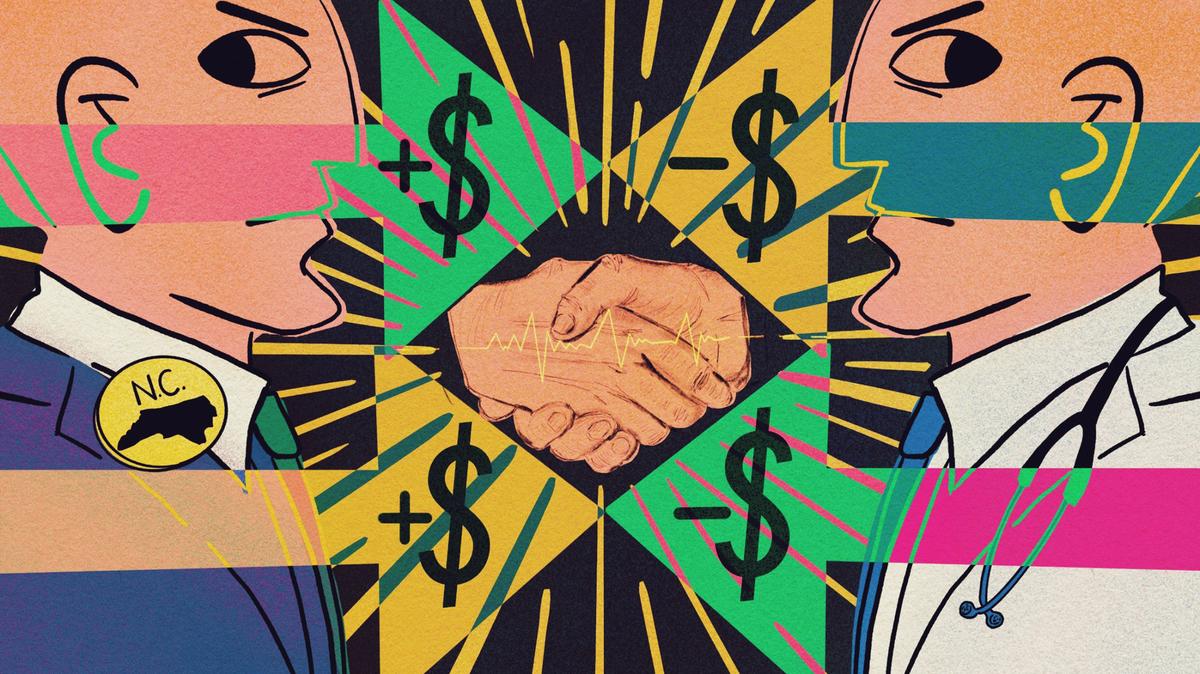
A first-of-its-kind state initiative is expected to help people with big hospital bills they can’t pay and to reduce the risk that more North Carolinians face the same plight.
In exchange, this state’s 99 hospitals will receive billions more in federal Medicaid money.
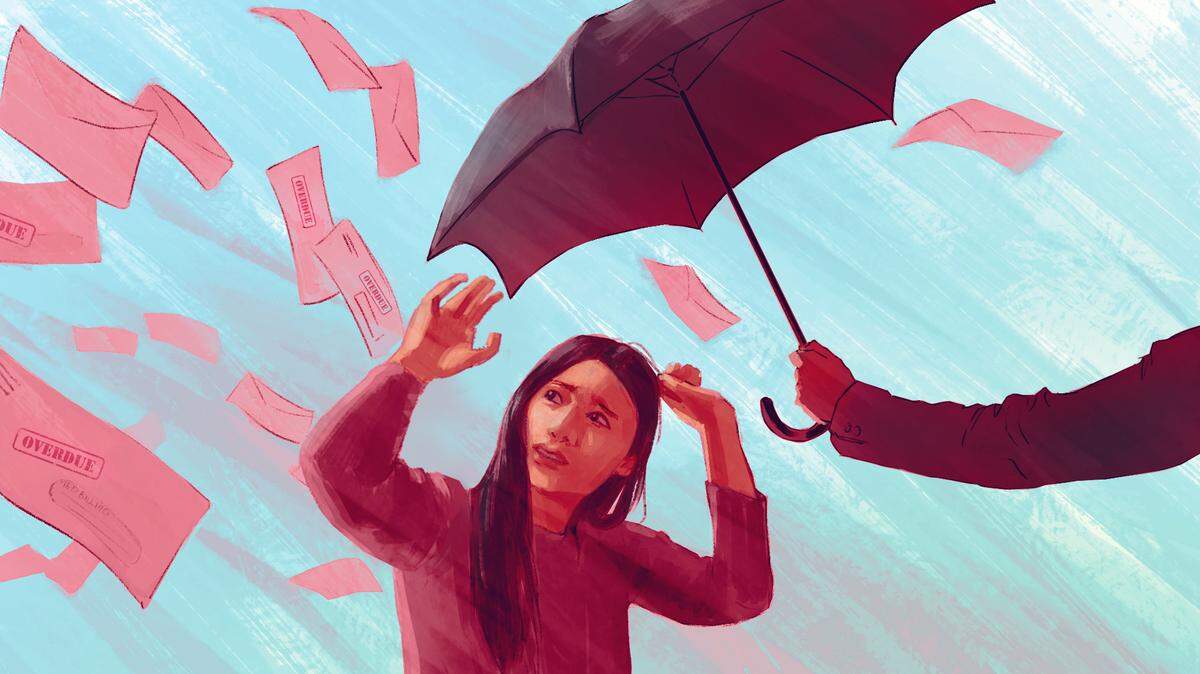
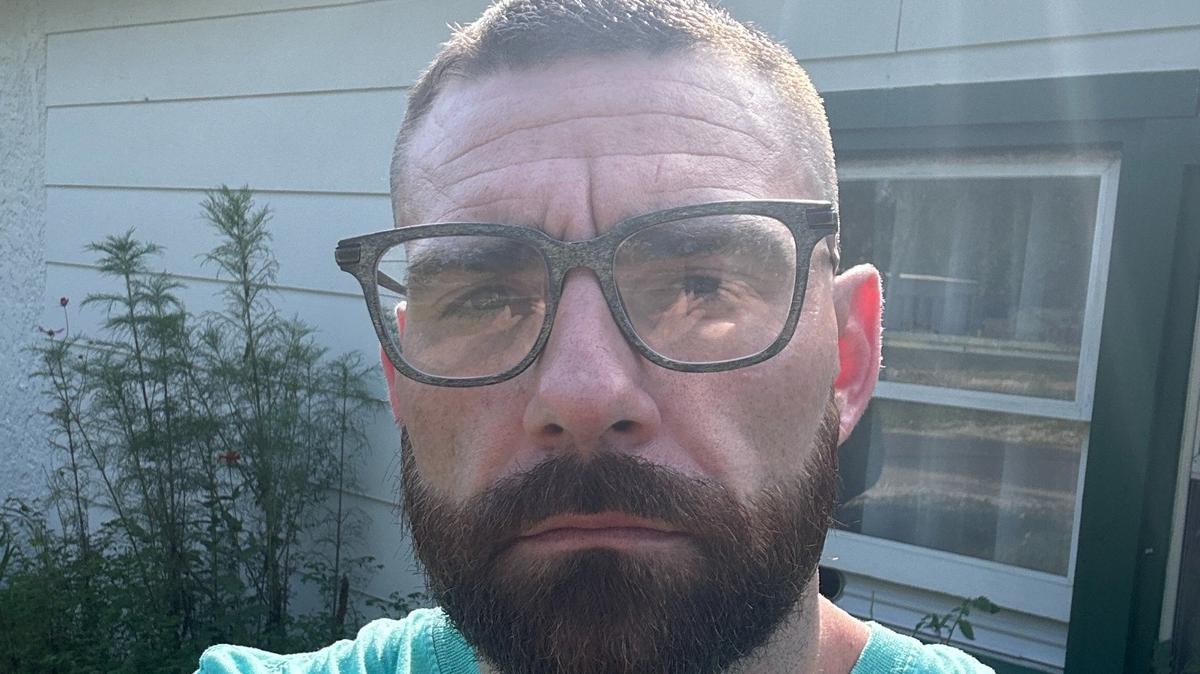
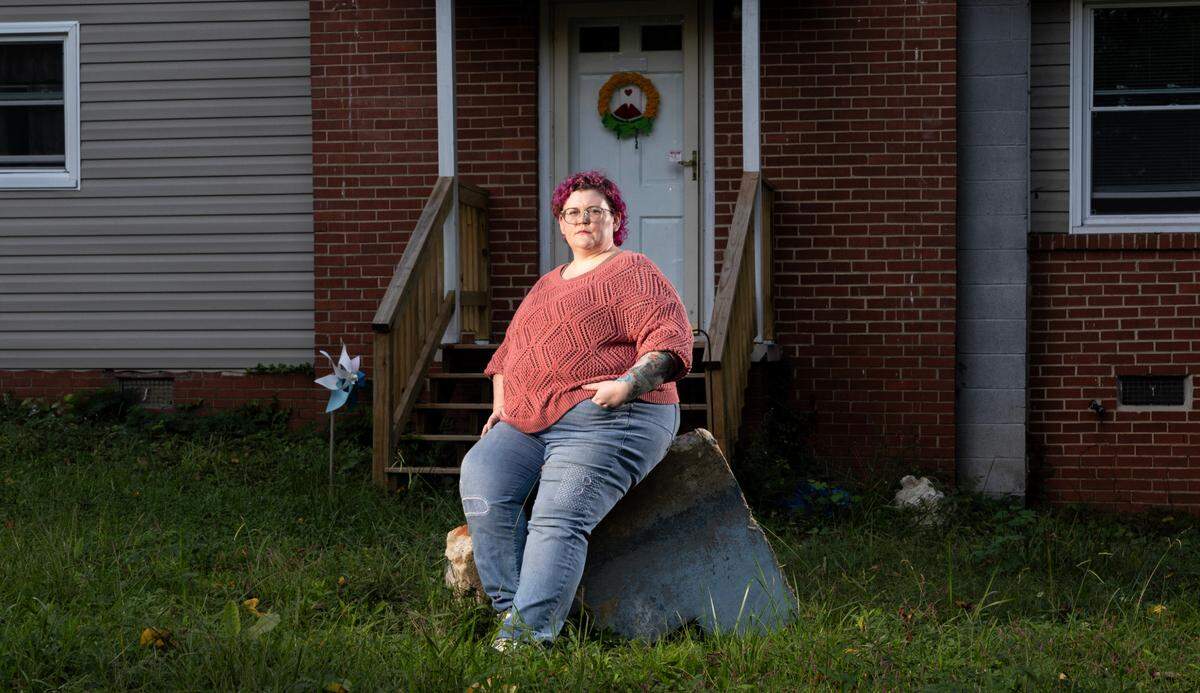
For many North Carolinians, the damage is already done. Among them is Greensboro resident Jordan Montanez, who had little income but struggled to get financial assistance after she was hit with a big hospital bill.
In 2022, Greensboro artist Jordan Montanez was feeling so weak that she had trouble walking.
So in November of that year, she went to the emergency department at Moses Cone Hospital, where she got tests but no diagnosis. The problems persisted, so she returned to the hospital, where she was kept overnight for more tests.
Uninsured and too sick to work full time, Montanez had less than $10,000 in annual income and relied on food stamps.
She applied to Cone Health for charity care. The hospital system covered some of the bill, but initially didn’t cover the $12,900 for her November visit, she said.
While Montanez was collecting the bank statements, pay stubs and other information needed to get the hospital to cover that bill, she said, she discovered another “ticking time bomb” — a separate bill for $980 from Wake Forest Emergency Providers, which is affiliated with Atrium Health Wake Forest Baptist and employs staff who work at emergency departments.
No one at the hospital had explained that she needed to file a separate application for charity care to Wake Forest Emergency Providers, she said.
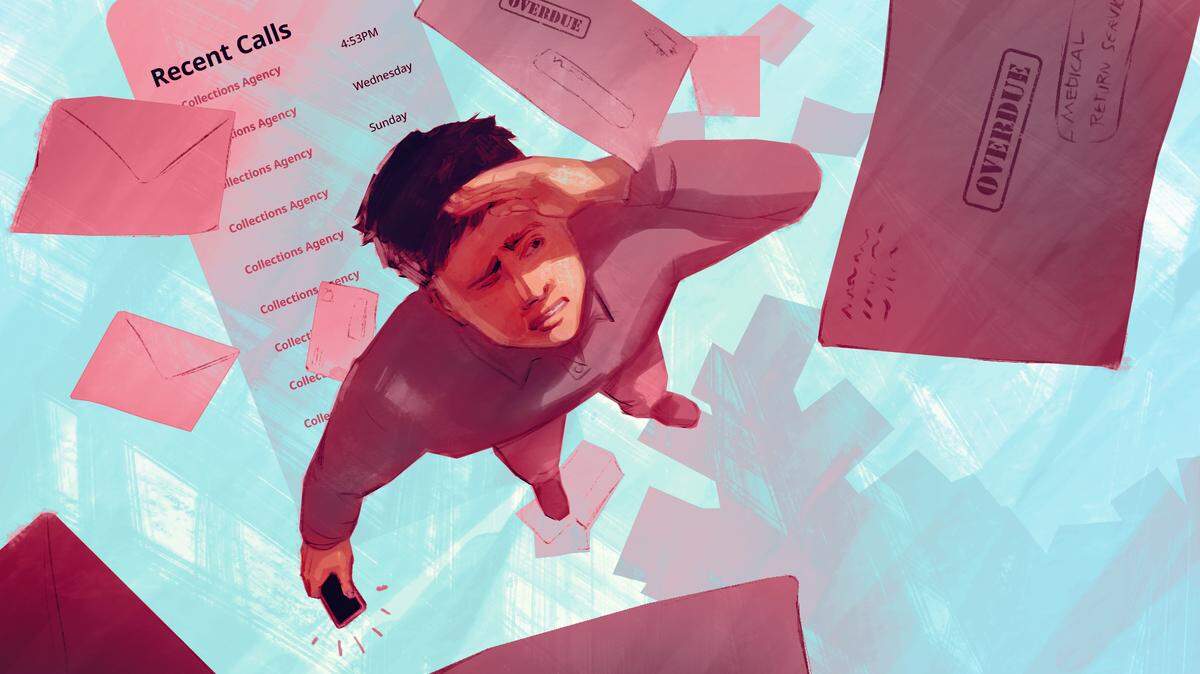
Her account was sent to collections.
Cone Health, meanwhile, wrote her a letter stating that it had denied her application for financial assistance because she had not provided all required information, specifically a letter from Social Services with information about her food stamps award.
The hospital system agreed to reduce her bill to about $5,400, and offered to set up a payment plan that would have cost her more than $300 a month — far more than she could afford, she said.
Montanez eventually learned that she was suffering the debilitating effects of a virus, maybe COVID, that for months left her feeling weak and in a “brain fog,” she said. How, she asks, was a person struggling with such an illness to figure out that she needed to apply for charity care from two separate hospital systems?
“I’m already scared and stressed. And I’m getting these bills that are making me more scared and stressed,” said Montanez, now 37. “And I’m having to figure out on my own how to deal with it. It definitely felt isolating.”
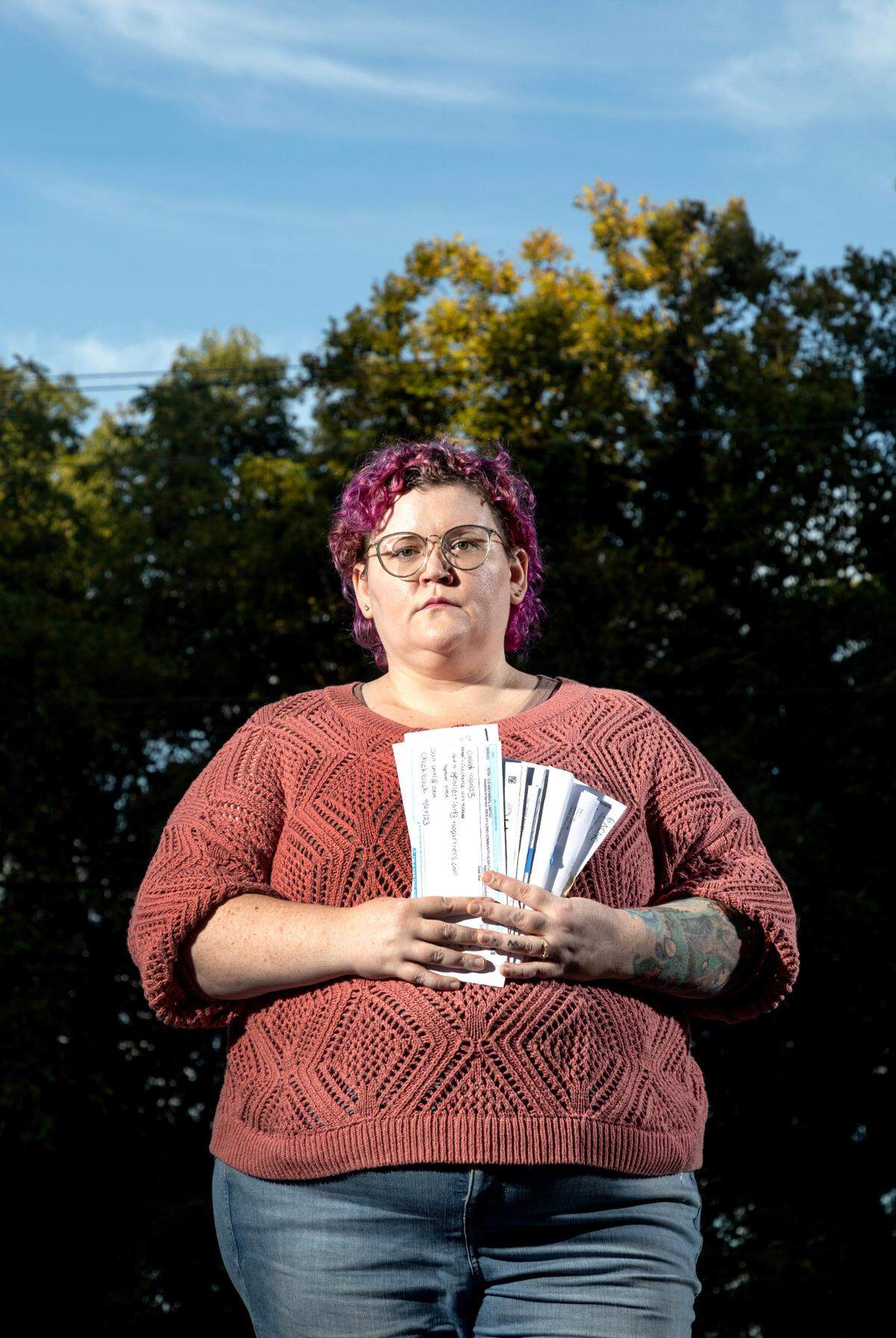
For a full year, she made calls and sent faxes to try to resolve the problem, she said. But it was only after she sought assistance from Dollar For, a national nonprofit that helps patients get financial aid from hospitals, that the two hospital systems agreed to cover all of her bills.
Cone Health is committed to providing “exceptional care for everyone in our community” and strives to provide financial assistance based on a patient’s ability to pay, its website says.
Montanez’s experience isn’t unusual, patient advocates say. Many hospitals steer patients away from financial assistance and toward higher-cost options, such as financing through third-party companies, Dollar For noted in written comments to the U.S. Consumer Financial Protection Bureau last year.
And patients who apply for charity care often face unreasonable requirements, advocates say. “Patients are frequently required to gather an absurd amount of documentation to prove their income and financial situation,” Dollar For wrote in its comments.
Under North Carolina’s new debt relief program, hospitals will be required to use a streamlined process to automatically qualify people for financial aid if they are enrolled in public benefit programs such as food stamps.
Montanez said she wishes the plan had been in place when she was going through her billing ordeal.
“It definitely would have taken a lot of the pressure off,” she said. “I wouldn’t have had to worry as much about the bill. And I could have focused more on healing.”
COMING THURSDAY: What are the expected benefits and possible problems with North Carolina’s ambitious debt-relief plan? Read more of our medical debt coverage here.
.JPG)