No, it wasn’t a copperhead. Germany’s World Cup team saw this lookalike snake
AI-generated summary reviewed by our newsroom.
- A snake sighting at Germany’s Winston-Salem World Cup base camp drew global attention.
- Team rep Ruth Pintner said the snake was a nonvenomous water snake, not a copperhead.
- In 2026, a patient collapsed within five minutes after being bitten on both hands.
A snake sighting at Germany’s World Cup training base in Winston-Salem drew international attention after captain Joshua Kimmich described the encounter. The BBC and other national media outlets reported the snake was a copperhead, North Carolina’s most common venomous snake.
Team representative Ruth Pintner has since told the Charlotte Observer in an email that the snake was not a copperhead but a non-venomous water snake. Pintner said Kimmich spotted the snake in a little creek and confirmed it was a water snake, not a venomous copperhead as initially reported by the BBC.
Kimmich previously told the BBC, “I don’t think you’ll die, but it’s certainly dangerous. I have the feeling that if you step on a snake like that, it can end badly.”
Pintner said the German players love nature and animals, noting they adopted a bird during the 2024 Euro and have planted trees in past years. The snake topic came up with a smile rather than as a real concern.
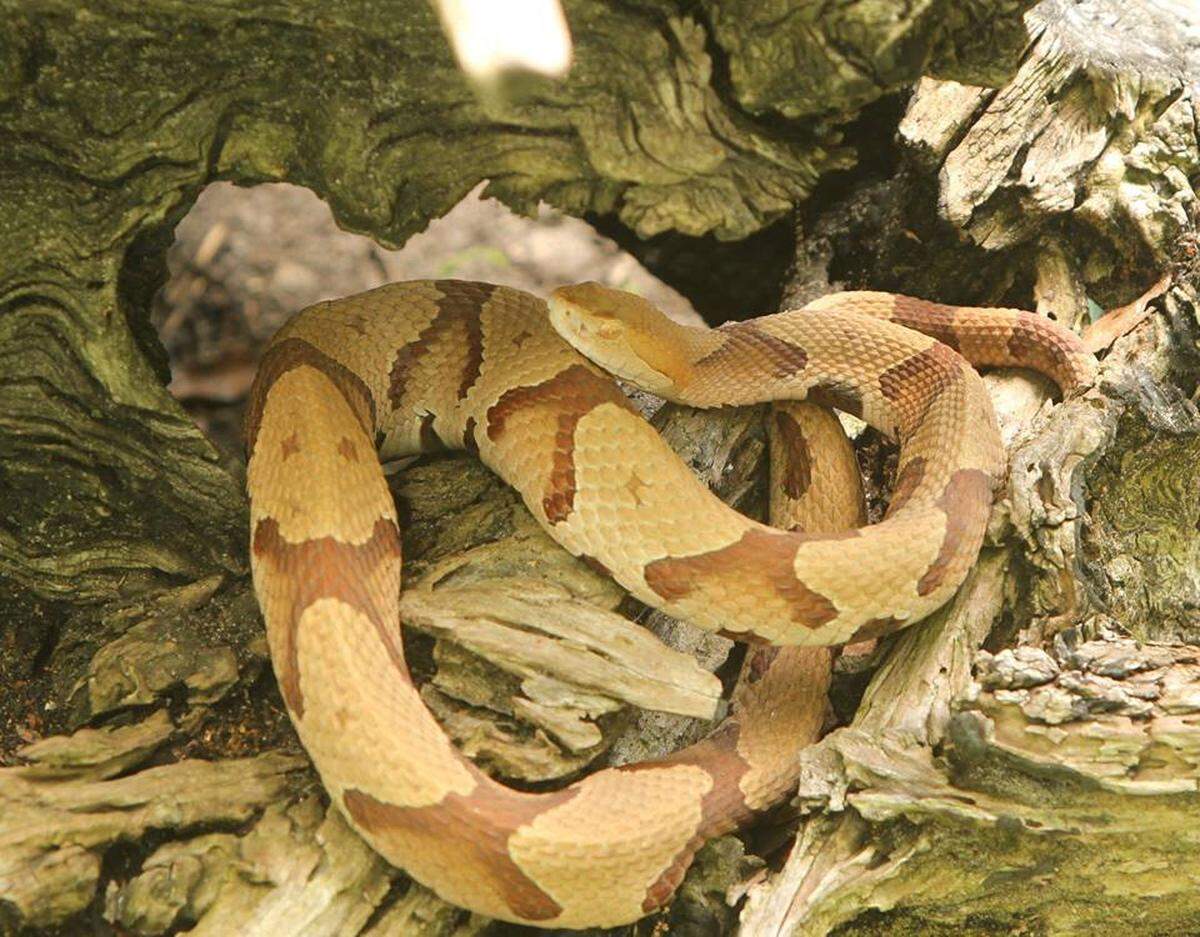
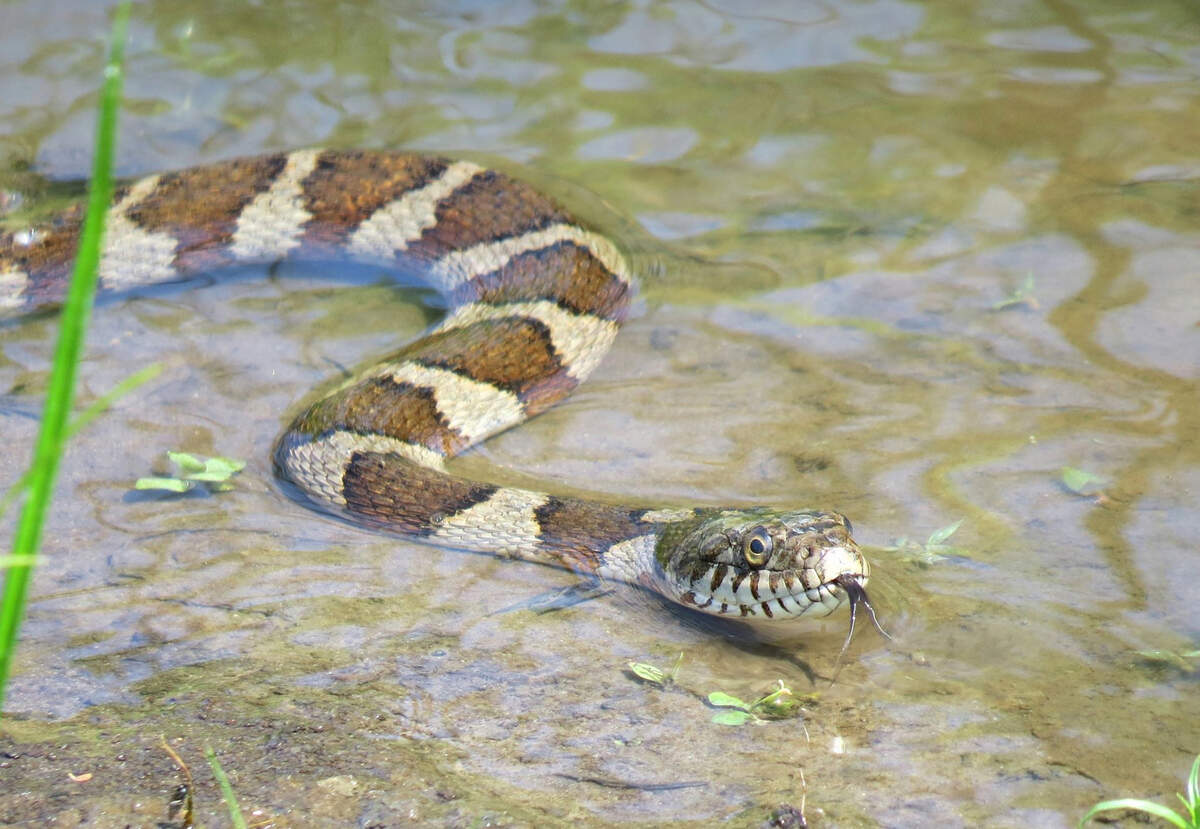
Copperhead or water snake?
The Observer previously reported on telling the difference between copperheads and other snakes in North Carolina, plus copperheads’ specific markings.
Copperheads have contrasting brown crossbands shaped like an hourglass or dumbbell, according to the North Carolina Wildlife Resources Commission. The shapes are narrow in the center of the back and wider along the sides.
Northern watersnakes are reddish brown with blotches on one part of the body and bands on the other part: “If you look at those bands on the first third of the body, they’re actually the opposite of what we see on a copperhead,” Jeff Hall, statewide herpetologist for the N.C. Wildlife Resources Commission, previously told the Observer. “So the band is actually widest at the top and narrowest on the side.”
Copperheads in NC
Copperheads account for most venomous bites in the state, though bites are almost never fatal, according to the North Carolina Wildlife Resources Commission.
WakeMed Emergency Physician Dr. Benjamin German recounted a 2026 case in which a patient from another country mistook a copperhead for a harmless snake from home, picked it up and collapsed within five minutes after being bitten on both hands.
The summary points above were compiled with the help of AI tools and edited by journalists.
This story was originally published June 22, 2026 at 1:31 PM.