Charlotte heat wave enters ‘Code Red’: Here are rules for kids going outside
Editor’s note: This story has been updated with new weather information for Tuesday, June 14.
Most children in the Charlotte area are out of school, and many are preparing to spend the summer in camp — but extreme heat and high humidity pose a risk to their safety.
Charlotte won’t see a daytime temperature under 90 degrees all week, according to the National Weather Service forecast. Monday’s high of 98 broke the record of 97 set in 1958.
A high of 100 degrees was expected Tuesday, and an excessive heat warning was issued. However, morning storms helped cool off the region, and the warning was downgraded to a heat advisory until 8 p.m.
The last time the Charlotte region was under an excessive heat warning was July 2012, according to WSOC.
The heat index value could still reach 107 in Mecklenburg and surrounding counties Tuesday, the NWS office in Greer, S.C., said. The index is based on what the temperature feels like to the human body when relative humidity is combined with the air temperature.
State rules say children in licensed child care programs, such as camps and day cares, should spend time outdoors every day, if “weather conditions permit.”
North Carolina uses the Child Care Weather Watch guidelines created by the Iowa Department of Public Health. Under those guidelines, days in which the air temperatures reach 100 degrees — like Tuesday — are Code Red days.
Under Code Red, the guidelines say most children should not play outdoors. Older children may play outdoors for very short periods of time if they are properly dressed and have plenty of fluids.
The YMCA of Greater Charlotte and Mecklenburg County Parks and Recreation — two of the area’s largest camp providers — said they are taking steps to make sure its campers are safe under the scalding sun.
Meck Parks and Recreation
Mecklenburg County Parks and Recreation will have over 4,000 campers to keep cool this summer, manager Jeff Carwile told The Charlotte Observer.
Scheduling outdoor activities during the coolest part of the day (typically the morning hours), taking frequent water breaks and monitoring the condition of campers and staff are ways the county plans to cope with the heat, Carwile said.
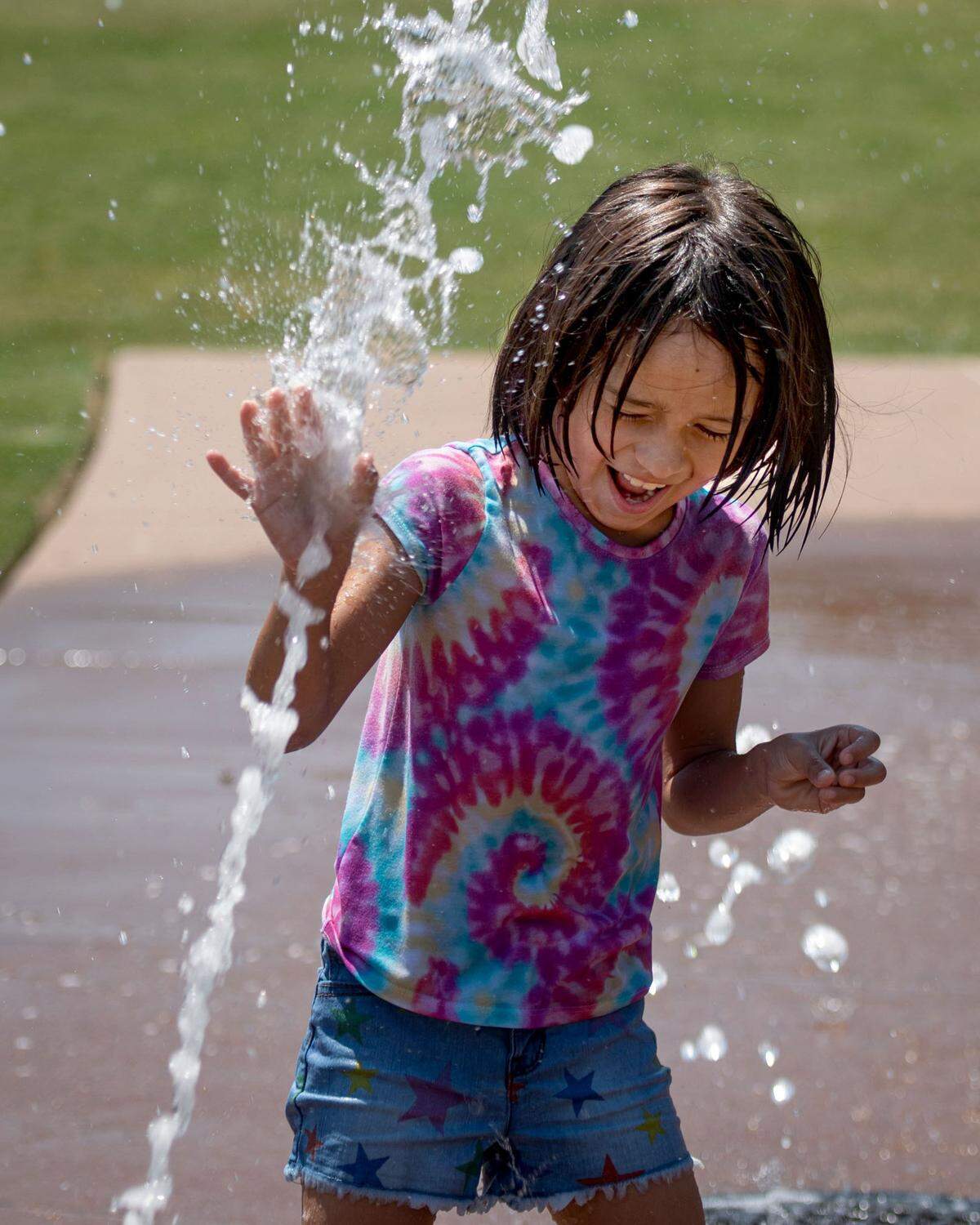
Parks and Rec made daily spray grounds available to campers and the general public from 10 a.m. to 8 p.m. Pools at Double Oaks and Cordelia Park are open from 12 p.m. to 6 p.m. five days out the week (Cordelia, everyday but Tuesday and Thursday; Double Oaks, everyday but Monday and Wednesday). Eight recreation centers also are open to the public.
YMCA of Greater Charlotte
The YMCA has been in contact proactively with its risk department since last week to plan for upcoming hot weather, Amanda Little, the nonprofit’s youth development director of out of school time programs, said.
Once the department evaluates the weather, Little and her team distribute the information to the Y’s branch directors across the Charlotte region — including in Lincoln County and the Lake Norman and Lake Wylie areas.
“We got large footprint here,” Little said.
Daily built-in swim times, extra shade breaks, water refilling breaks, monitoring forecasts and further educating staff members on signs of overheating are built into the daily schedule, Little said. Having ample time indoors is also something the Y prioritizes, which is why it’s a a requirement that all facilities have enough indoor space, she said.
There will be over 8,000 new campers coming to the Y across the Charlotte region this summer, Little said.
“It’s a lot of kids,” she said. “Summer camp always lines up with the heat, so we’ve learned some best practices on how to keep everyone safe.”
Tips to keep kids, campers cool
The American Camp Association suggests ways to prepare campers for extreme heat, including:
▪ Frequent hydration: The Centers for Disease Control and Prevention recommends drinking two to four glasses (16–32 ounces) of cool fluids — preferably water — each hour during outdoor activities in a hot environment. This does not include sugary drinks. Also avoid very cold drinks because they can cause stomach cramps. Foods with high water content like melons and other fruits should be considered.
▪ Appropriate clothing and sunscreen: Lightweight, light-colored, loose-fitting clothing is ideal, according to the CDC. Sunburn affects the body’s ability to cool itself and causes a loss of body fluids. When outdoors, the CDC recommends SPF 15 or higher (the most effective products say “broad spectrum” or “UVA/UVB protection” on their labels) 30 minutes prior to going out. Reapply using the package directions.
▪ Scheduling outdoor activities carefully: Consider opportunities for shade and schedule mid-day activities with heat safety in mind.
▪ Be observant for signs of heat-related illnesses: Train all staff, especially those working outside with campers, to see the warning signs, both in themselves and the campers in their care. Ensure that the health care staff is fully trained.
This story was originally published June 14, 2022 at 6:30 AM.