How to know when roads are safe after winter a storm? NCDOT offers travel tips
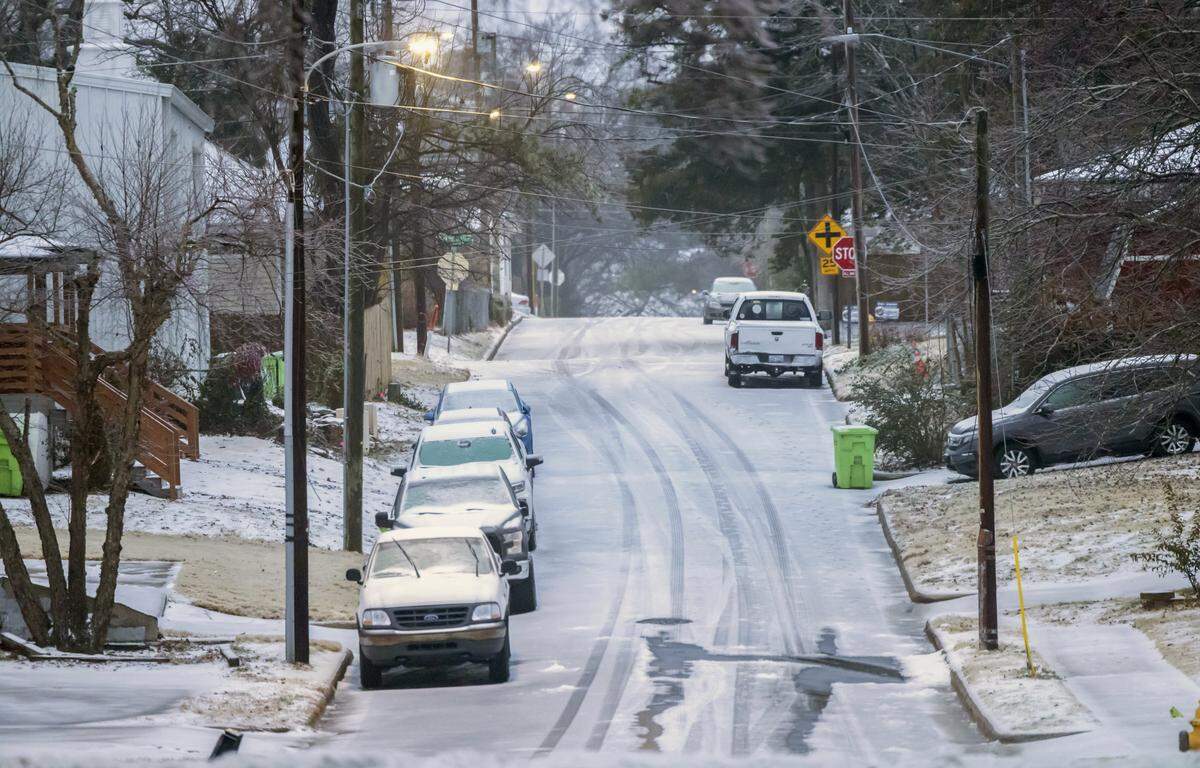
This weekend’s winter storm dumped a wintry mix of snow, sleet and freezing rain across North Carolina, making for dangerously slick, icy travel conditions.
Even as the system pushes out, drivers could still face risks on the roads.
“Lingering ice accumulation will lead to dangerous driving conditions (Monday) morning,” according to the National Weather Service in Raleigh. “Dangerous wind chills are expected tonight and black ice will be a concern tonight/early Tuesday.”
A Cold Weather Advisory was also issued for 6 p.m. Monday until noon Tuesday, with forecasters citing risk for single-digit wind chills and more power outages.
So how do you know when it’s safe to drive? We asked the experts:
Check for real-time updates
Before hitting the road, residents are encouraged to check DriveNC.gov for real-time updates on how winter weather is impacting travel your area.
Interstates and U.S./State routes across Mecklenberg County were “partially covered with snow/ice” early Monday. Up in Wake County, main and secondary roads also remained covered with the white stuff, the latest updates showed.
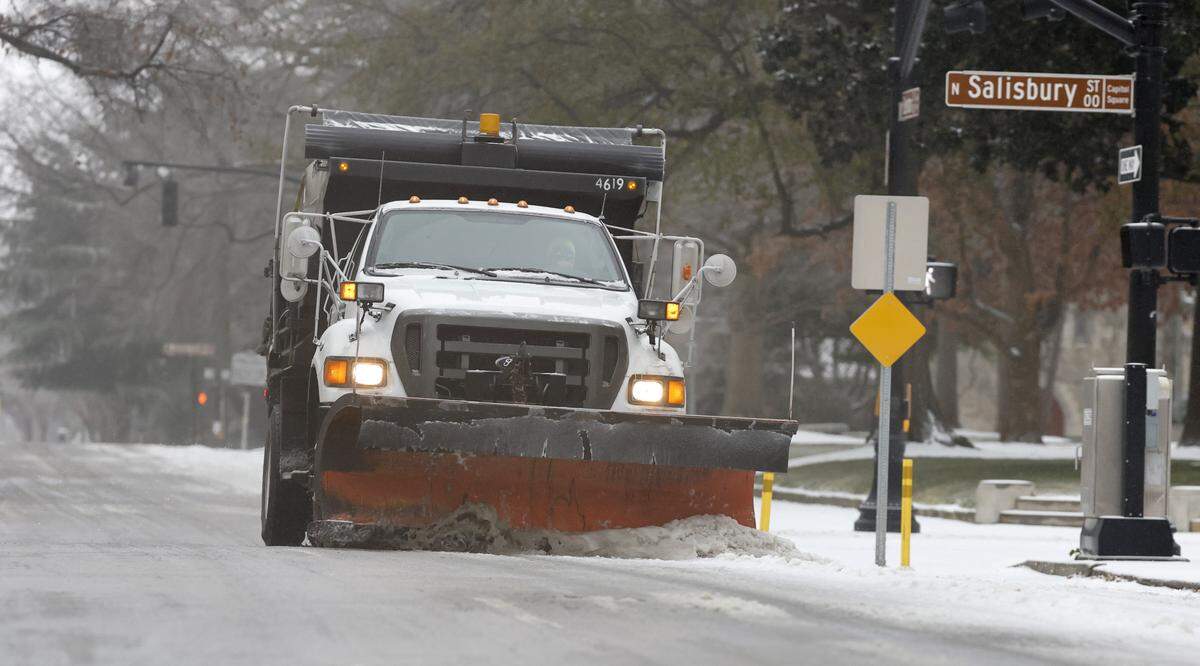
The Charlotte Observer reached out to the NC Department of Transportation for more information on statewide snow and ice removal efforts and was awaiting a response.
“NCDOT crews have designated snow and ice removal routes that they must follow,” the agency’s website says. “Trucks traveling on roadways but not treating them are likely headed to their designated route.”
DOT says it isn’t responsible for clearing sidewalks, driveways and driveway entrances, however.
Driving in winter weather
If you must venture out, experts advise following these tips to stay safe on the road:
- Drive slowly and maintain a safe distance between you and other vehicles.
- Don’t use cruise control.
- Carefully approach bridges and overpasses, as they tend to ice over first. Also avoid braking.
- Come to a complete stop or yield the right of way at intersections where traffic lights aren’t working. Treat it like a four-way stop.
- Clear snow and ice from your vehicle to keep it from blocking your view, or sliding off and hitting other vehicles.
- Drive without sudden braking, turning or accelerating.
What’s black ice?
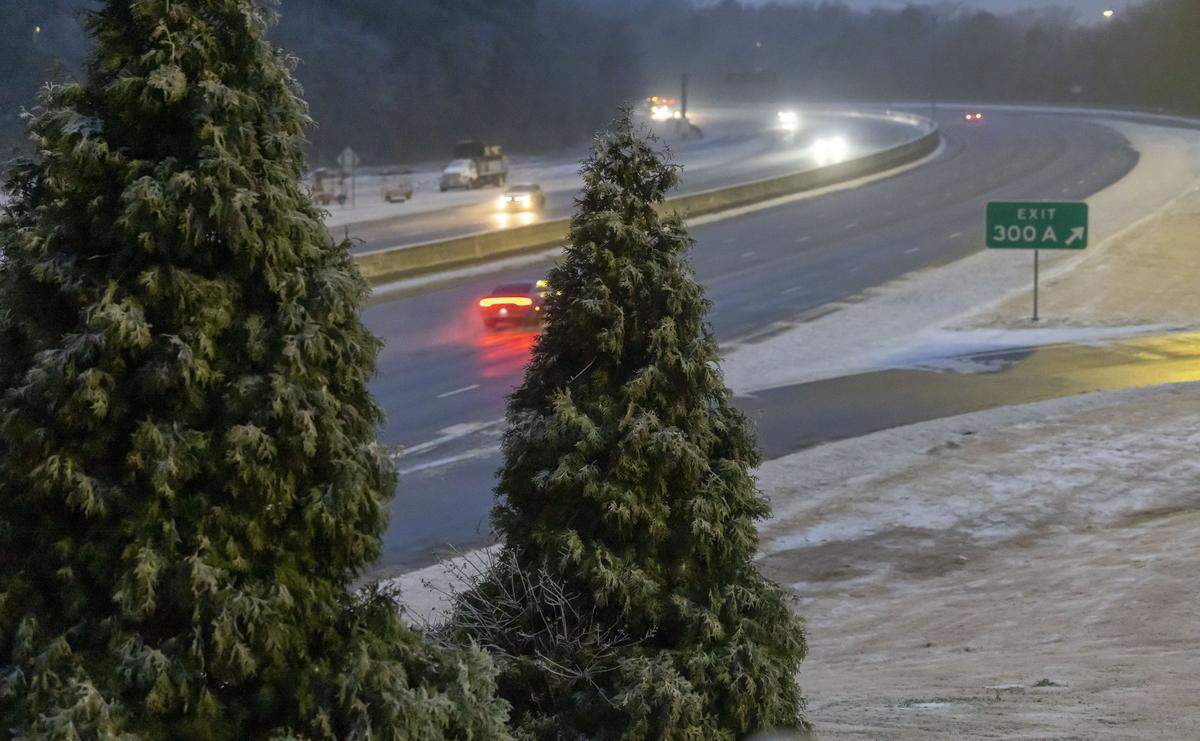
Black ice forms when melted ice or snow refreezes in thin layers, typically appearing as a wet spot on a road, according to NCDOT.
Experts say the best way to avoid it to stay off the road entirely.
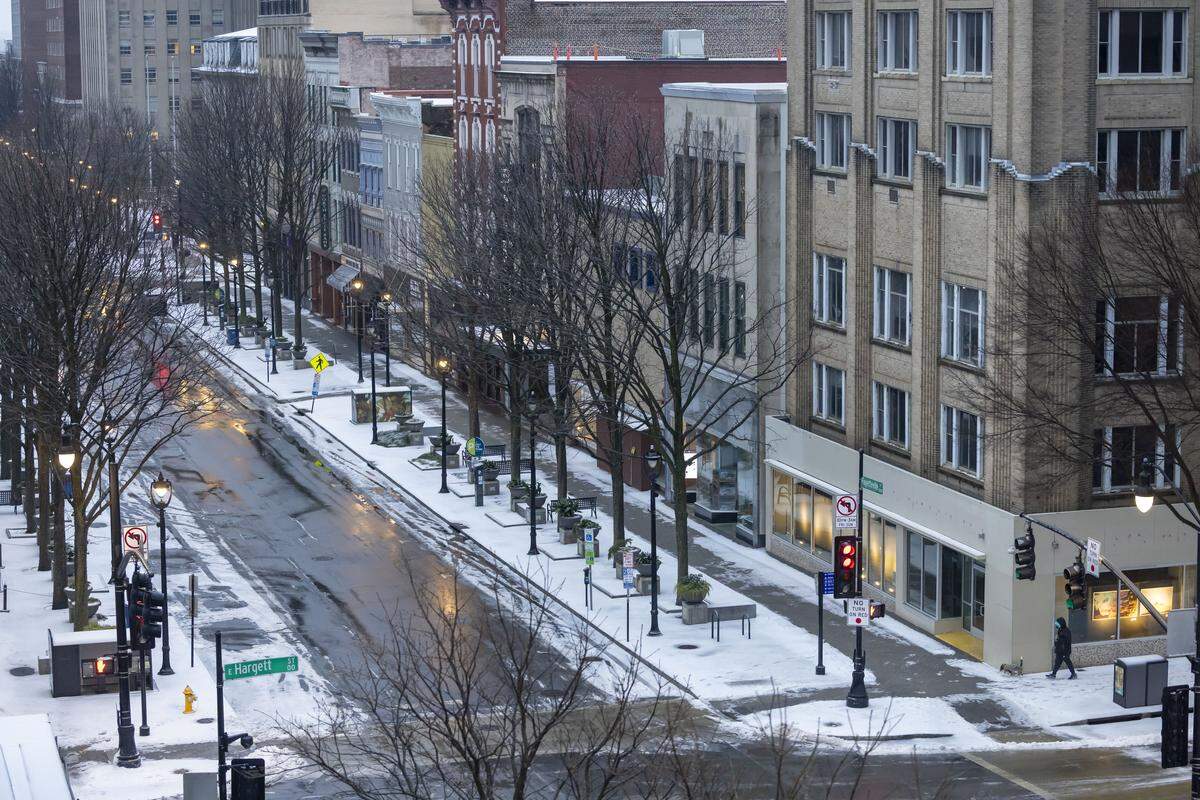
“Although NCDOT does its best to treat areas that are prone to black ice, it is unpredictable, and most of the time, drivers aren’t aware of it until it’s too late,” the agency said.
If you have to drive, experts advise taking things slow. Also be sure to leave plenty of space between you and the vehicle ahead of you, officials said.