Want to fix the school staff shortage in North Carolina? Pay your staff.
READ MORE
Staff level down, stress level up
North Carolina’s colleges and universities are graduating fewer prospective teachers, and principals say they’re getting fewer applicants for openings. Why? Many schools have dealt with staffing shortages by asking remaining employees to do more. No one thinks that solution is sustainable. What is the reason behind the mass staff shortage challenge? This is The N&O’s special report.
Expand All
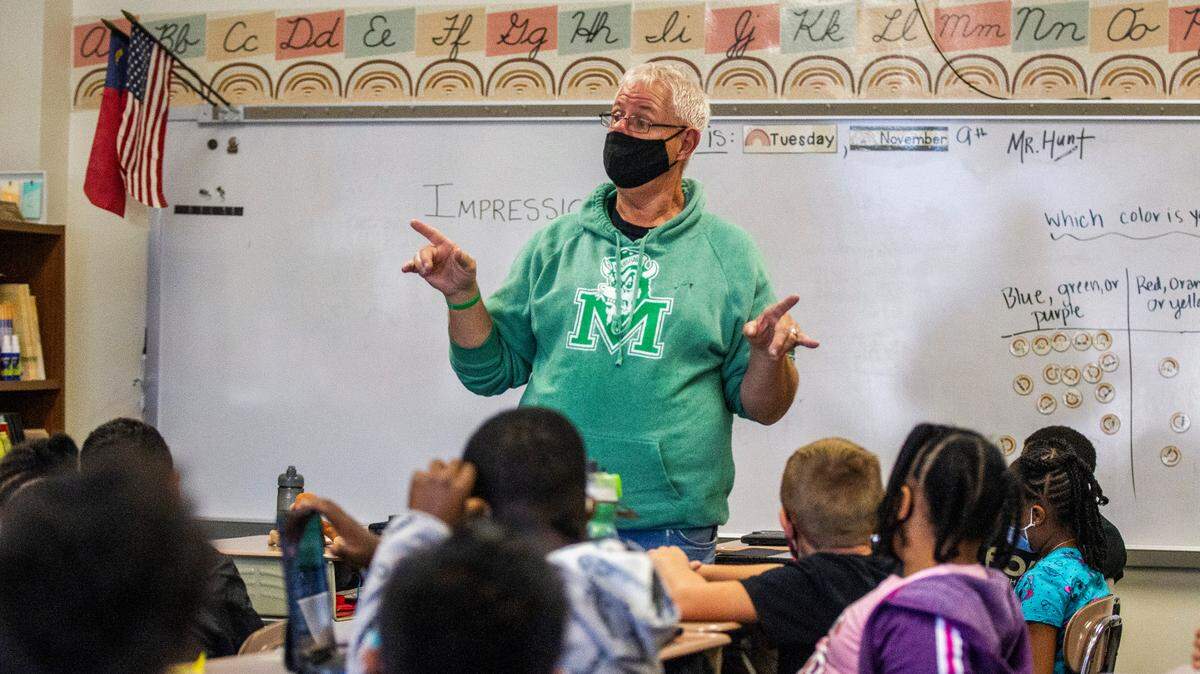
‘How long can we sustain this?’ Stress is elevated as NC schools face staffing shortages
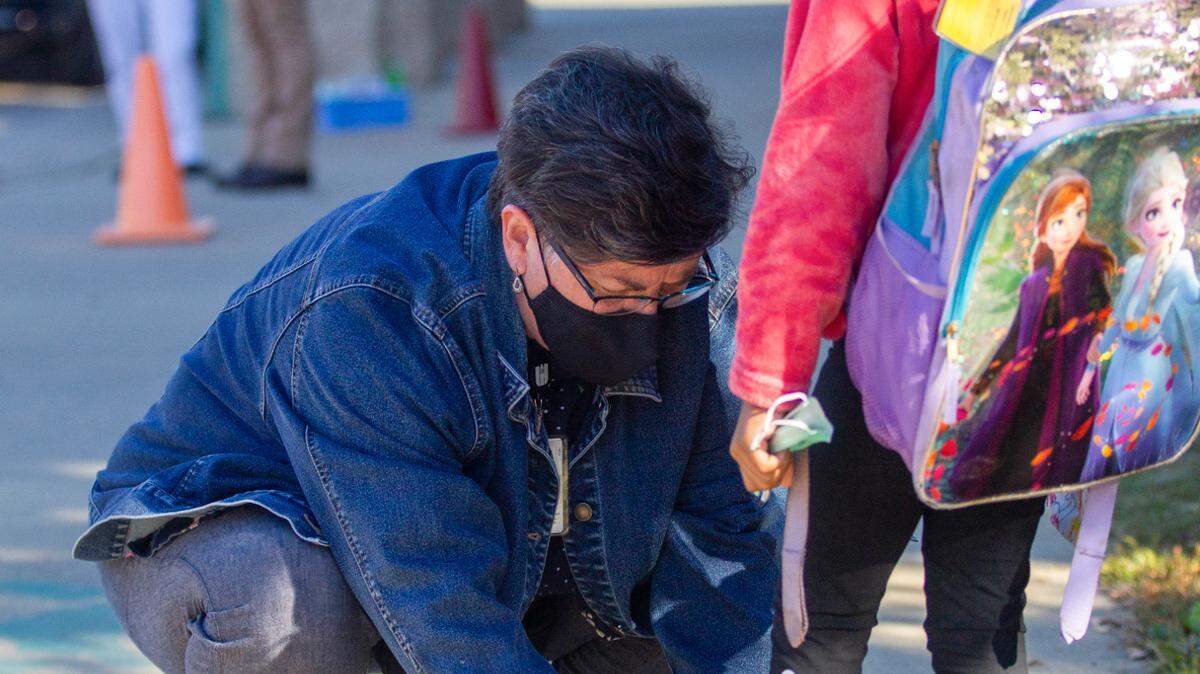
How bad is the school shortage? Thousands of NC school jobs are unfilled
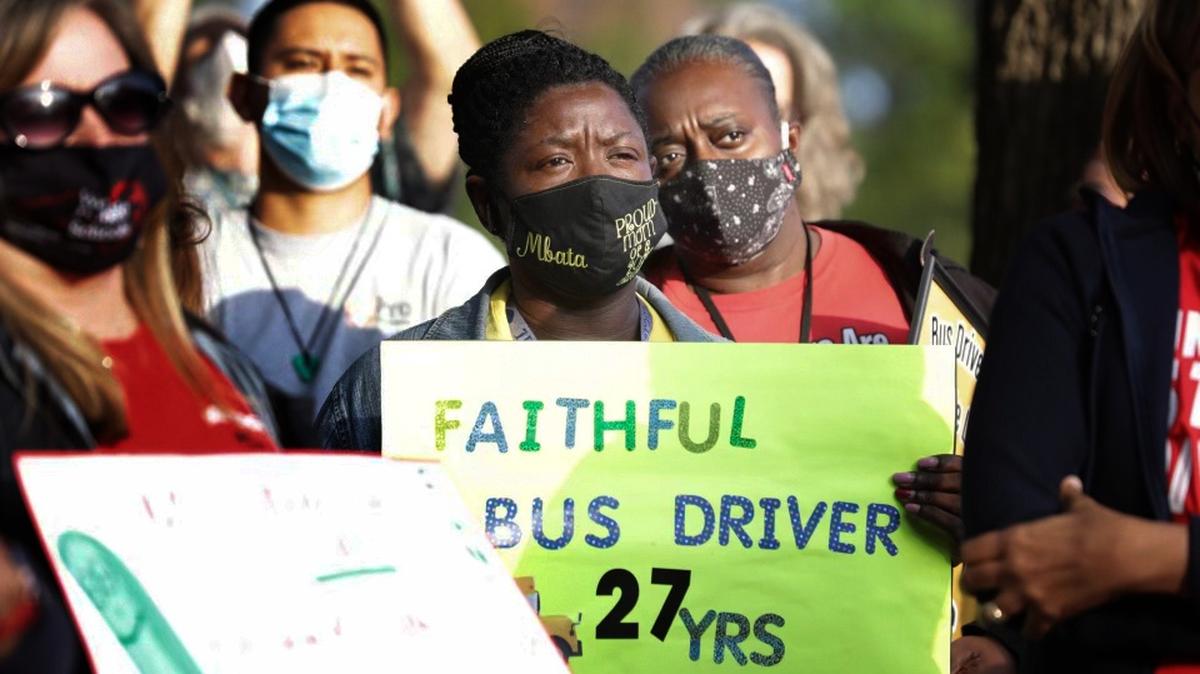
‘Exhausted.’ ‘Overworked.’ ‘Defeated.’ Wake teachers describe this challenging year
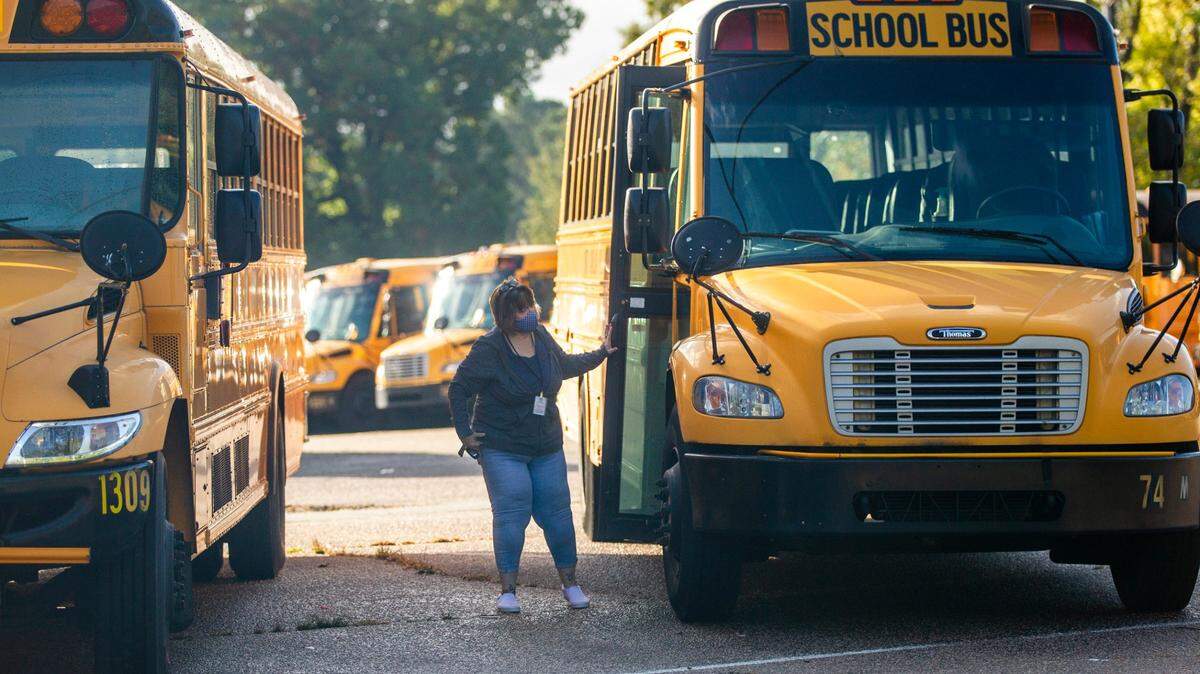
Want to fix the school staff shortage in North Carolina? Pay your staff.
The audience at a Nov. 2 Wake County school board meeting audibly gasped when Emily Osterling told the board what happened at her school the week before.
Osterling, a special education teacher at Lufkin Road Middle School, explained during public comment that a new student’s individualized education plan outlined their need for a one-on-one instructional assistant. The school system had posted the vacancy at the start of October, but no one had filled it.
Then the student had a crisis and ran from the school building toward the parking lot entrance, as Osterling prayed the student wouldn’t be hit by a car.
“Fortunately, we were able to catch up with them and de-escalate the situation,” Osterling said. “But not having a one-on-one instructional assistant is a safety concern for this student.”
Osterling said that starting pay for instructional assistants was $11.80/hour. The school board voted that meeting to raise starting pay for all staff to $13/hour.
While it’s a start, it’s still at least $3 lower than the Raleigh living wage standard for a single person with no dependents. There are still 160 unfilled instructional assistant positions in special education classrooms across Wake County.
Value schools and employees
To value the almost 2.3 million people under 18 in North Carolina, we need to value our schools. To value our schools, we need to value everyone that keeps our schools running. Right now, our school staff is overworked, underpaid and ready to quit education altogether.
This, of course, is not surprising to anyone. North Carolina has consistently been a state that pays teachers poorly. While the state ranks 30th in the nation for teacher pay out of all states and Washington D.C., only four states have had bigger decreases in adjusted salary level compared to 20 years ago.
These numbers also don’t account for all school employees: cafeteria workers, janitors, bus drivers, instructional assistants and more.
At a protest before the Nov. 2 board meeting, special education instructional assistant Vinh Ngo told participants he was currently making $13 an hour. Pre-pandemic, he was making $45 an hour as a flight attendant for Delta Airlines. He also noted starting wages were higher at companies like Target and Amazon.
“This work means so much to me,” Ngo said of working with students at Green Hope High School, his alma mater. “It’s not just a job. It’s very important. But the pay makes me feel super disrespected.”
Other educators shared similar sentiments at the protest: they love their kids. They don’t love being overworked and underpaid.
Currently, Wake County school staff say they’re having to substitute during planning periods, being asked to drive twice the normal number of bus routes, and do the work of two people to make up for vacancies. With all of this, their pay has been stagnant.
‘Our kids can’t wait any longer’
North Carolina teachers haven’t gotten a raise across the board in more than two years, so school employees are asking their county governments to step in. The Wake chapter of the North Carolina Association of Educators Wake NCAE say their struggles are happening as the school system sits on more than $300 million of emergency funding from the federal government.
“We appreciate Wake County Schools’ attention to the staffing crisis and their acknowledgment that they have more resources available than they suggested on Nov. 2,” Wake NCAE president Kristin Beller said in a recent press release.
“But WCPSS continues to sit on millions of federal dollars that could be put to use today, providing long-awaited raises and compensation for the extra work created by staffing shortages. Our kids can’t wait any longer.”
Wake County bus drivers brought attention to their low wages earlier this month when they organized a “sickout,” leaving parents to figure out how to get children to school and administration to consider how much they rely on staff.
Similar actions occurred in Cumberland County Schools this week, and were threatened in Winston-Salem/Forsyth County Schools last month.
If Wake, Cumberland and Forsyth, three urban counties, aren’t paying employees fairly, one can expect that the situation is worse in rural or financially disadvantaged counties across North Carolina.
Last week, a judge ruled that North Carolina owed its public schools $1.7 billion. It’ll make a difference in schools once it goes into effect, but state Republicans will likely fight it.
There isn’t an excuse any longer: if you want your state’s youth to thrive, you have to fund your public schools.
This story was originally published November 17, 2021 at 6:00 AM with the headline "Want to fix the school staff shortage in North Carolina? Pay your staff.."