NC Republicans’ ‘Band-Aid budget’ deals yet another blow to Medicaid | Opinion
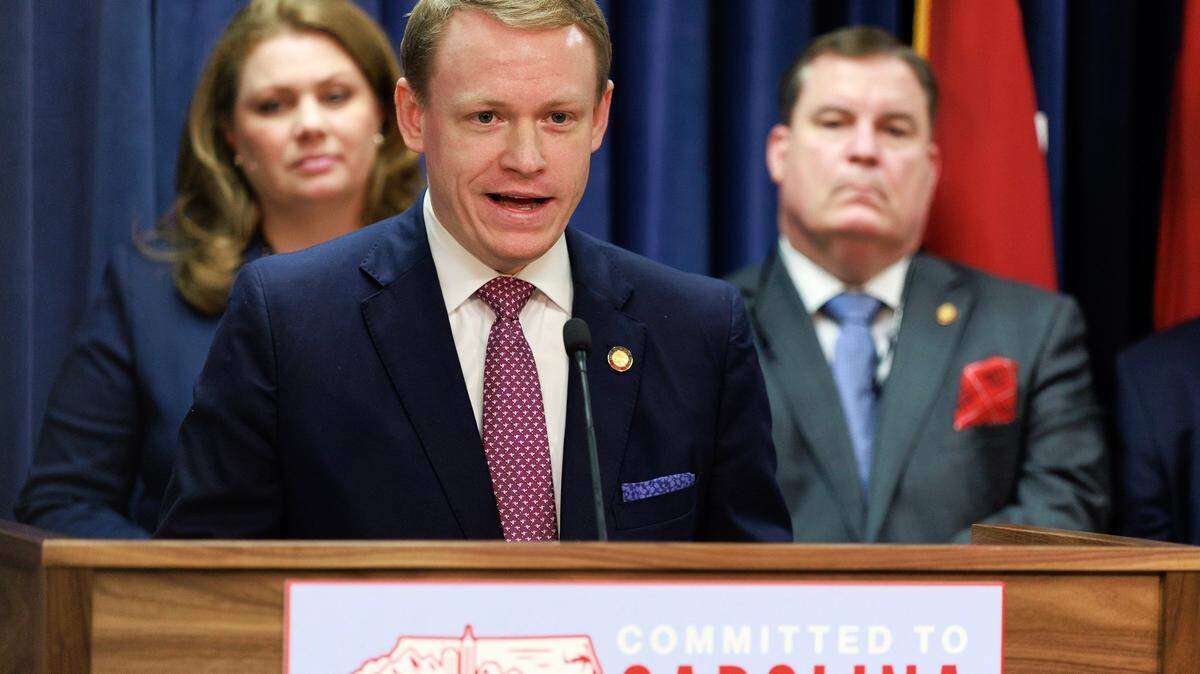
When Gov. Josh Stein signed a stopgap spending bill into law this week, he called it a “Band-Aid budget,” but even that might be generous. Because what kind of Band-Aid fix risks cutting health care services for some of North Carolina’s most vulnerable residents?
That mini budget, which Republican lawmakers passed because they are stuck at a budget impasse, underfunds Medicaid services by more than $300 million, a shortfall that state health officials say will force them to cut services or reduce provider rates.
Each year, state health officials conduct what’s known as the Medicaid “rebase,” recalculating the Medicaid budget to reflect changes in the cost of providing health care services. Those changes occur due to things like enrollment fluctuations and cost inflation. Officials then ask the legislature to adjust funding based on the updated forecasts.
Republican lawmakers appropriated $600 million for that rebase in the mini budget, but that’s still 25% less than what health officials asked for. Republicans’ response? “It’s better than nothing.”
“My guess is we will be back at some point with a new or a little bit more rebase number,” Rep. Donny Lambeth, who chairs the House Health Committee, said before a floor vote last month. “We think, certainly, this gets them going. It’s something that they need, better than nothing.”
That’s not particularly reassuring when it could result in nothing for those who might lose services due to this shortage of funding. Lawmakers may see this as just crunching numbers, something that can be pushed aside and addressed at a later date. But for the people who depend on Medicaid, this is about their lives. The best that legislators can tell people is that it’s a “work in progress” that may or may not be addressed later. How is that lack of urgency supposed to bring comfort to anyone?
In a statement to WRAL News, House Speaker Destin Hall’s office brushed off funding concerns as “fear mongering” that is “disingenuous and unproductive.”
That’s a pretty dismissive response to something that is genuinely scary for people — and for good reason.
On top of the rebase shortfall, the mini budget made cuts to programs that offer mental health and substance abuse services, and it failed to extend funding for the state’s Healthy Opportunities Pilot, a groundbreaking program that uses Medicaid dollars to address nonmedical health needs like food and housing. The program has led to fewer medical interventions and lower health care costs for its recipients, but without state funding, it now sits on the chopping block.
There’s also the looming threats posed by Donald Trump’s “Big, Beautiful Bill” — which could result in tens of billions in lost funding and the end of Medicaid expansion. State lawmakers aren’t to blame for that, but they have yet to begin to address it, either. Add it all together, and Medicaid in North Carolina is facing a bleak and uncertain future. That’s not fear mongering — it’s just reality, and for a lot of people, it’s scary.
Both Hall and Lambeth said they disagreed with the projections submitted by Medicaid leaders, and Hall said there were concerns about “double digit increases in certain programs without any evident cost control or management.”
Those disagreements and concerns might or might not be warranted, but the budget process has been underway for months. If lawmakers had made it a priority to work through those concerns before, they could have avoided the uncertainty and risk that Medicaid faces now. Lawmakers say they will “spend more time” on ironing out Medicaid funding issues “sometime in the fall.” But in the meantime, their lack of urgency is leaving everybody else worried and scrambling.