City Council member-elect: Border Patrol activity ‘not how a city built on hope should live’
READ MORE
Border Patrol in Charlotte
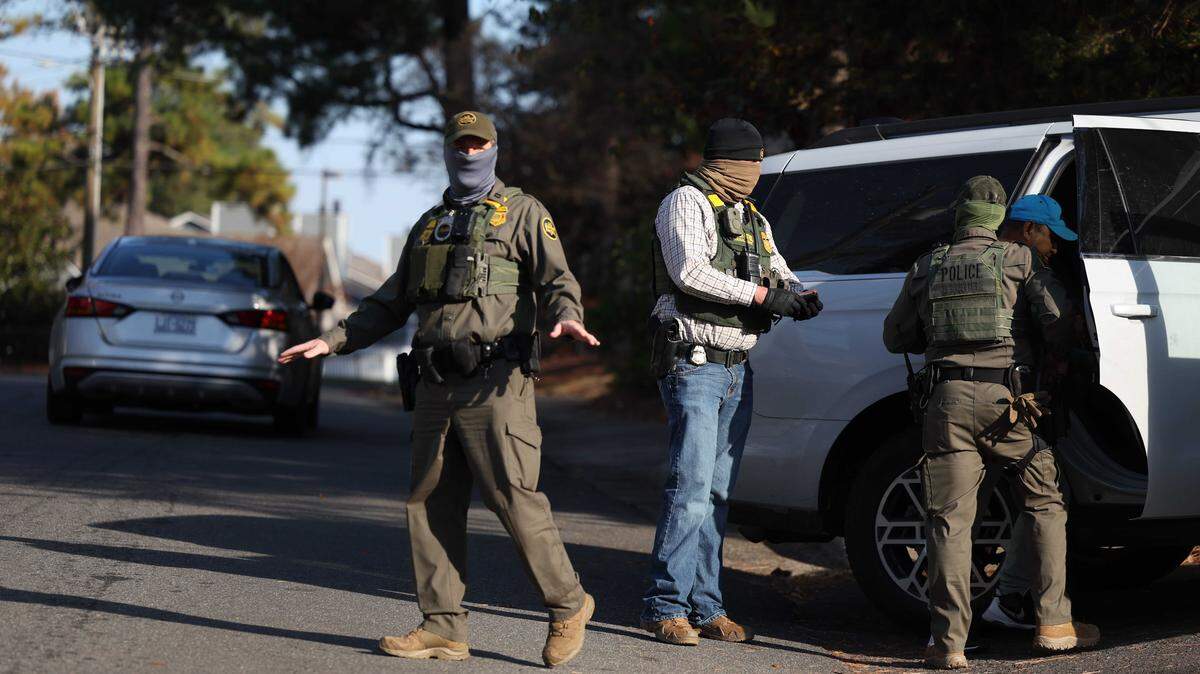
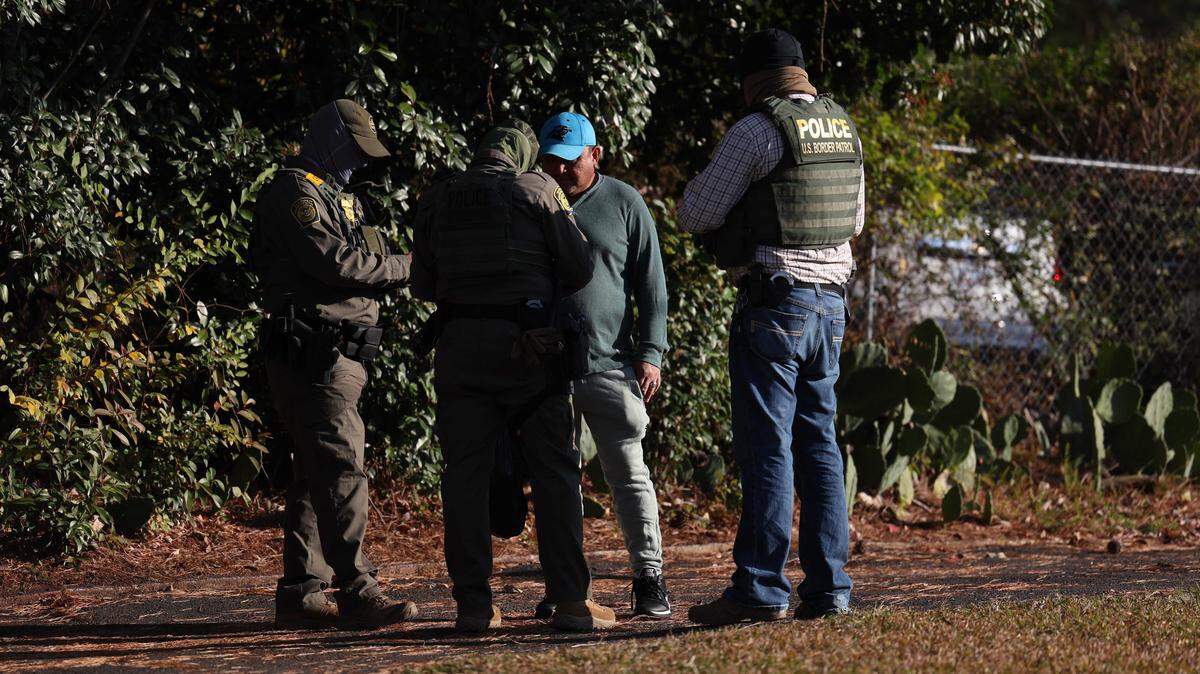
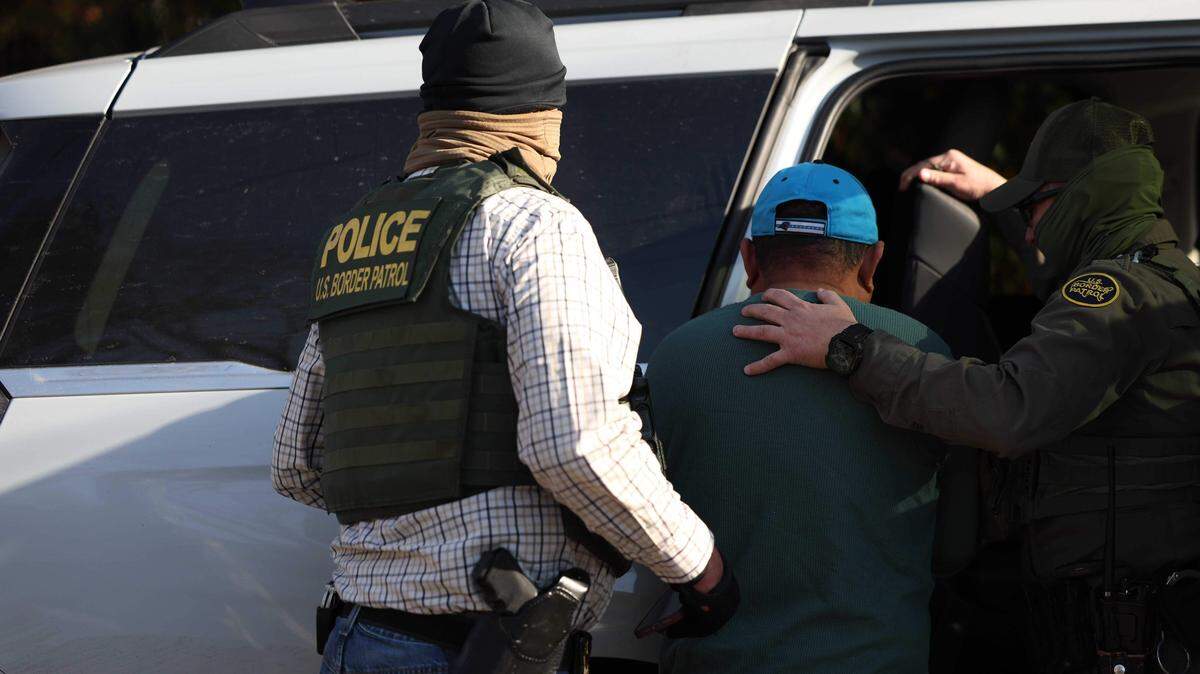
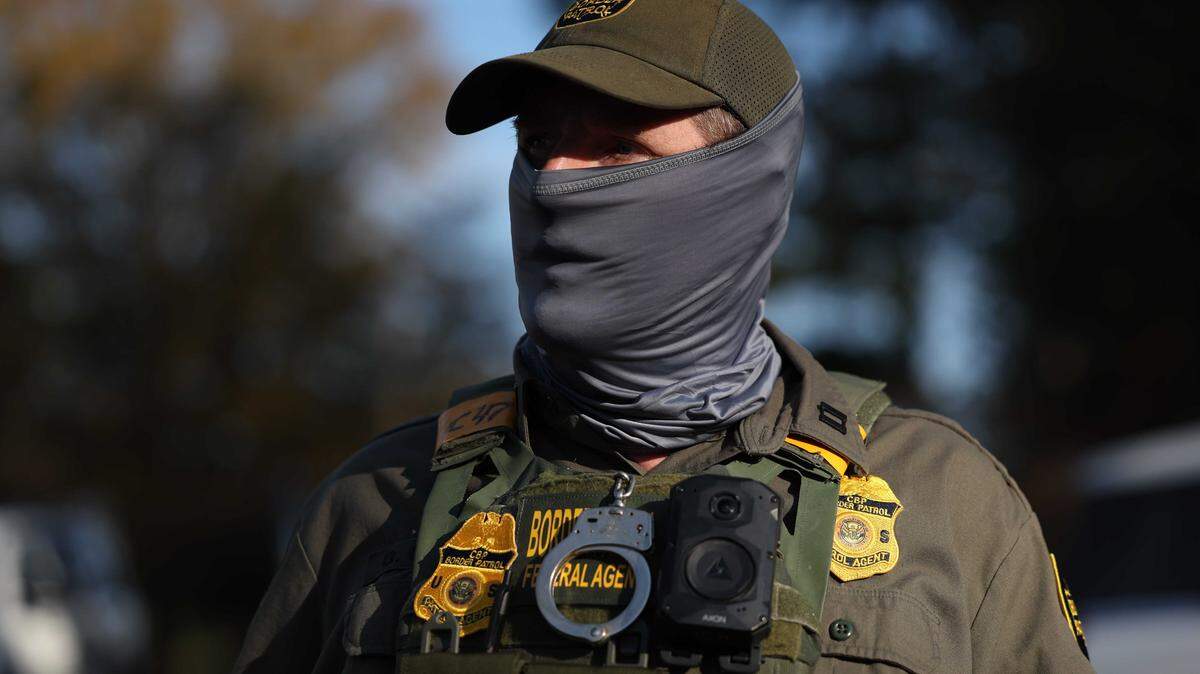
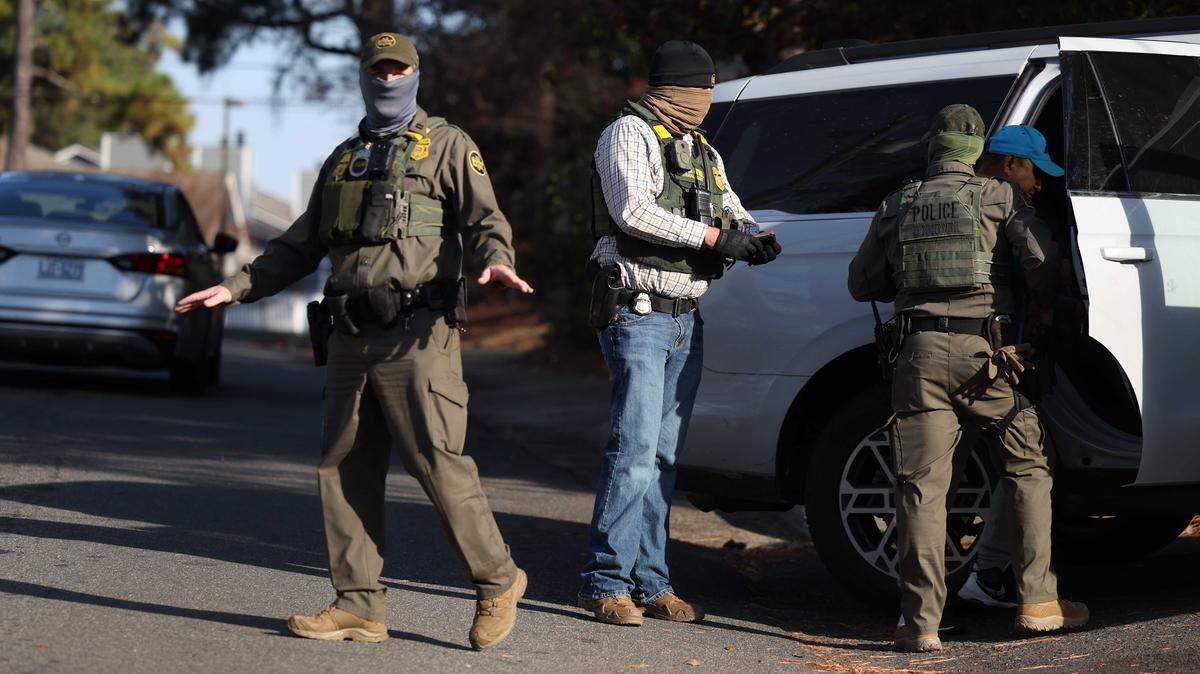
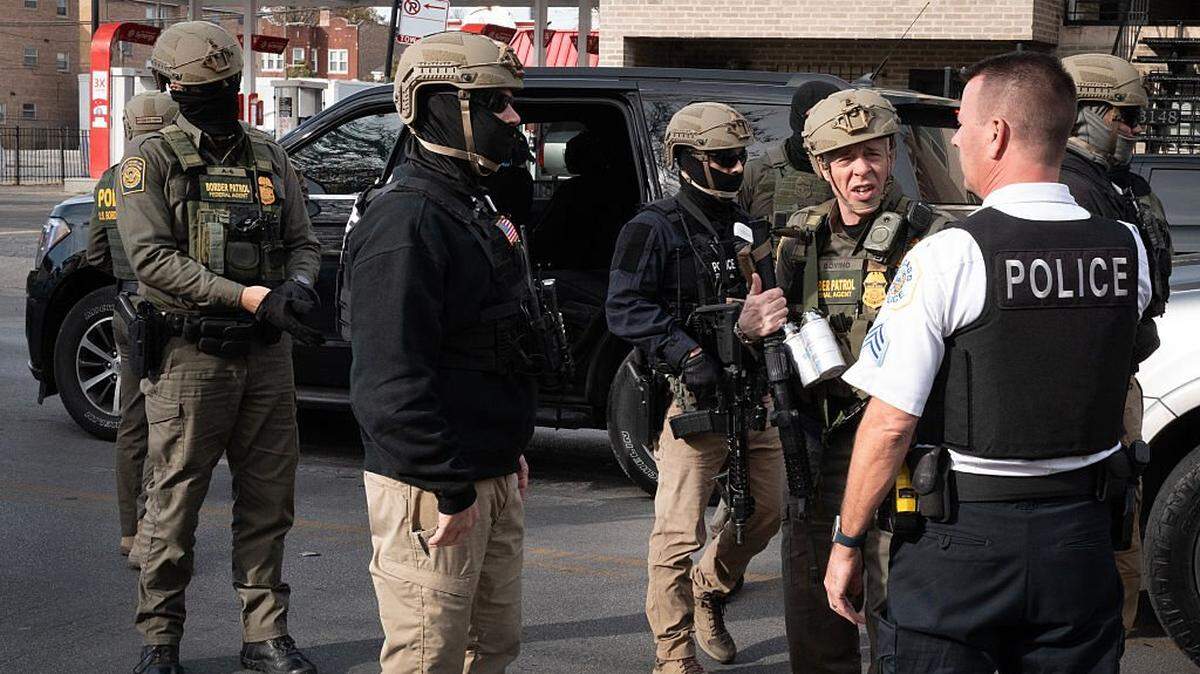
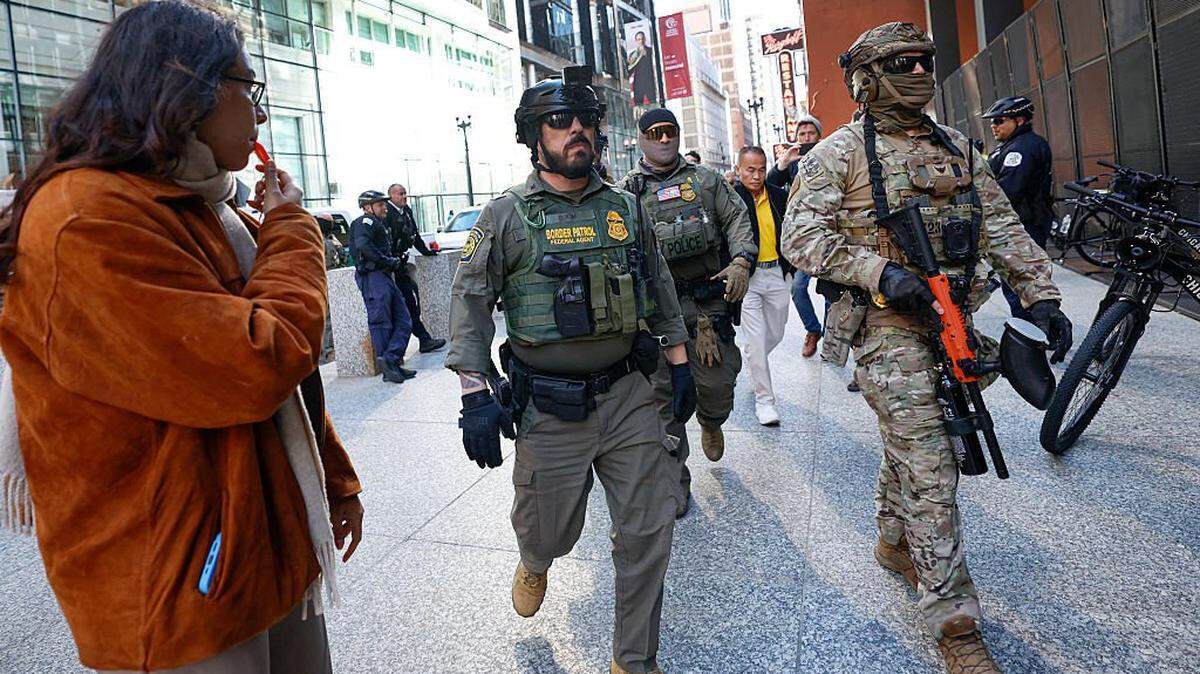
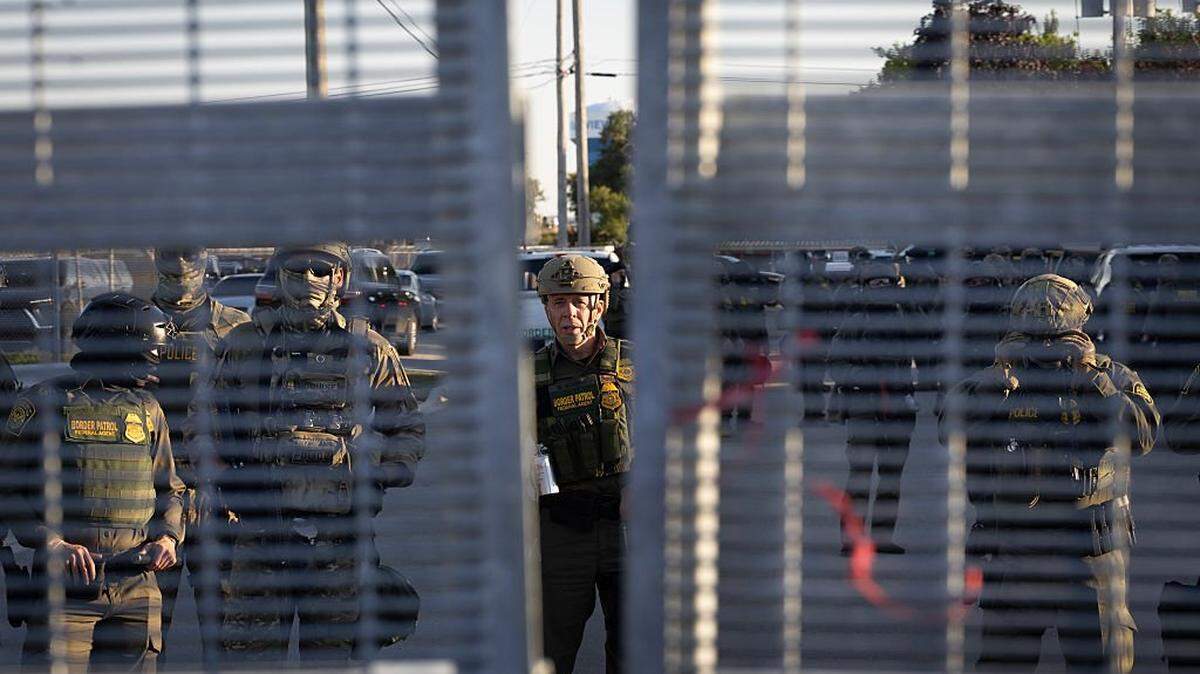
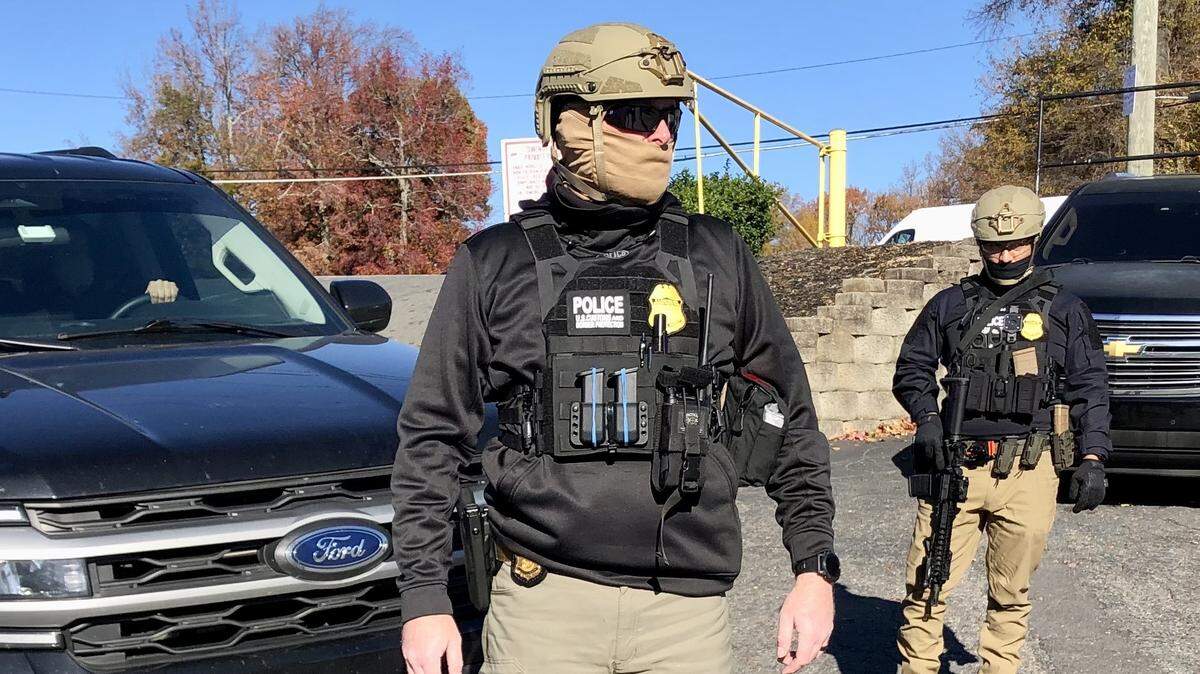
U.S. Border Patrol began making rounds in Charlotte on Saturday morning.
This follows recent Border Patrol activity in Chicago that made headlines, with some reports alleging agents violated people’s rights.
Expand All
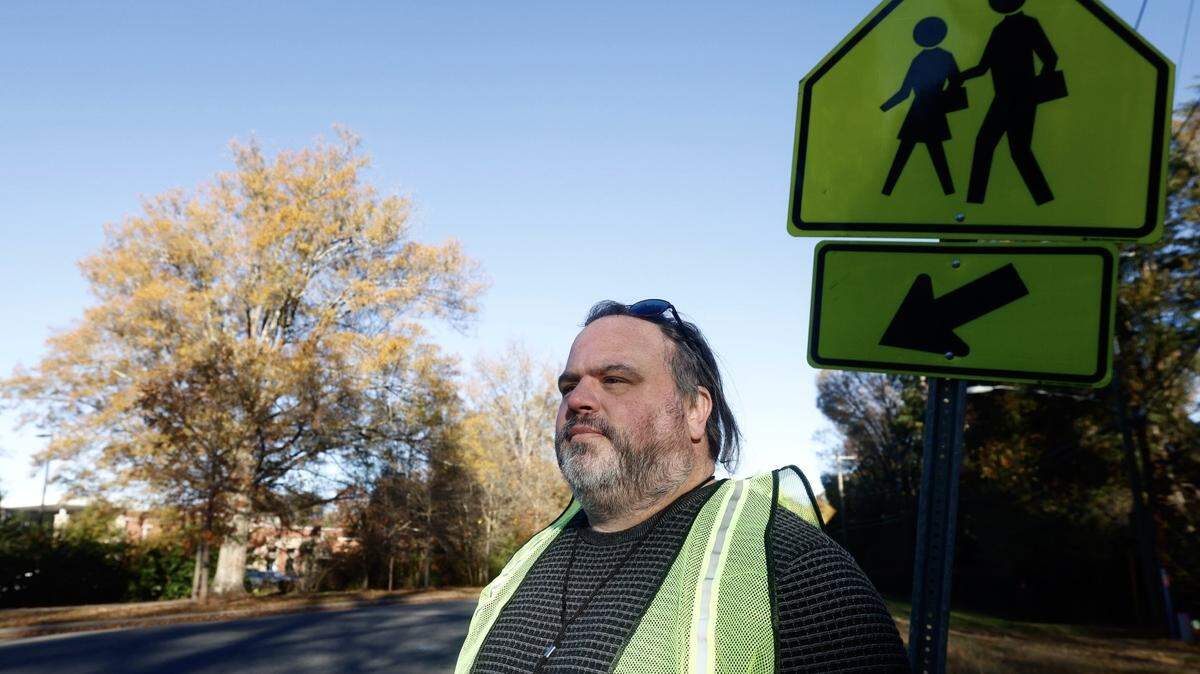
The writer is Council member-Elect, Charlotte City Council, District 5
When I first heard the name of the federal operation unfolding in our city, Charlotte’s Web, I thought it was a cruel joke. In the beloved children’s story, Charlotte spins her web to save a life. But in this version, federal agents have spun theirs to ensnare lives.
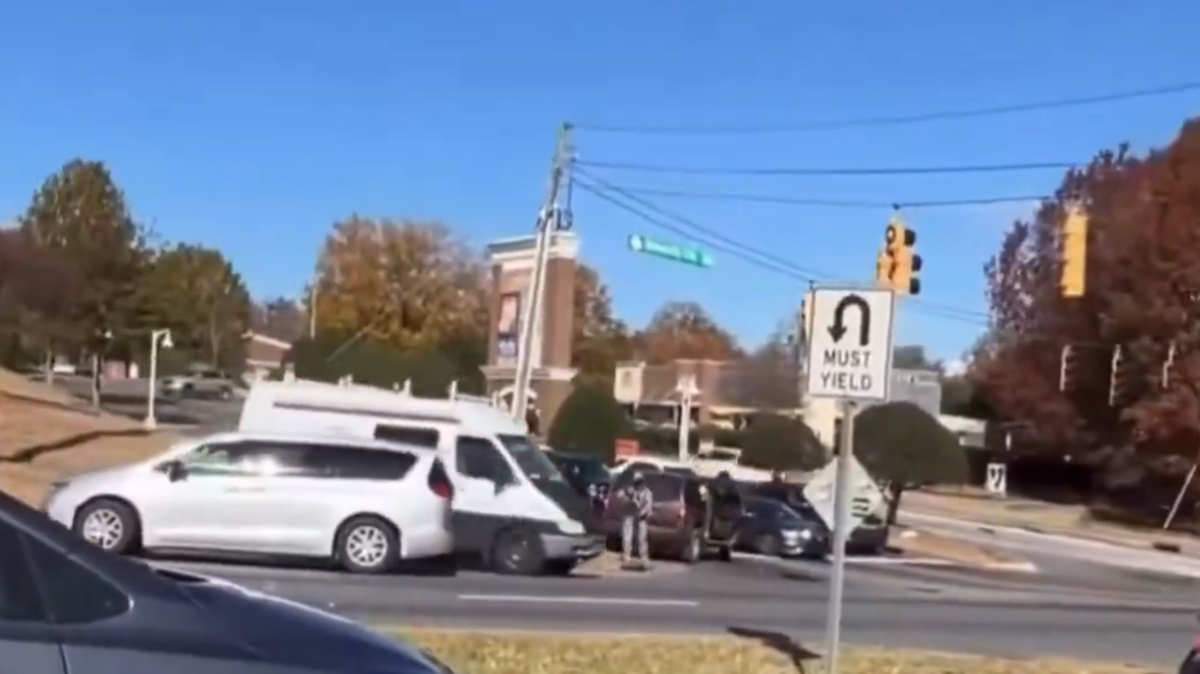
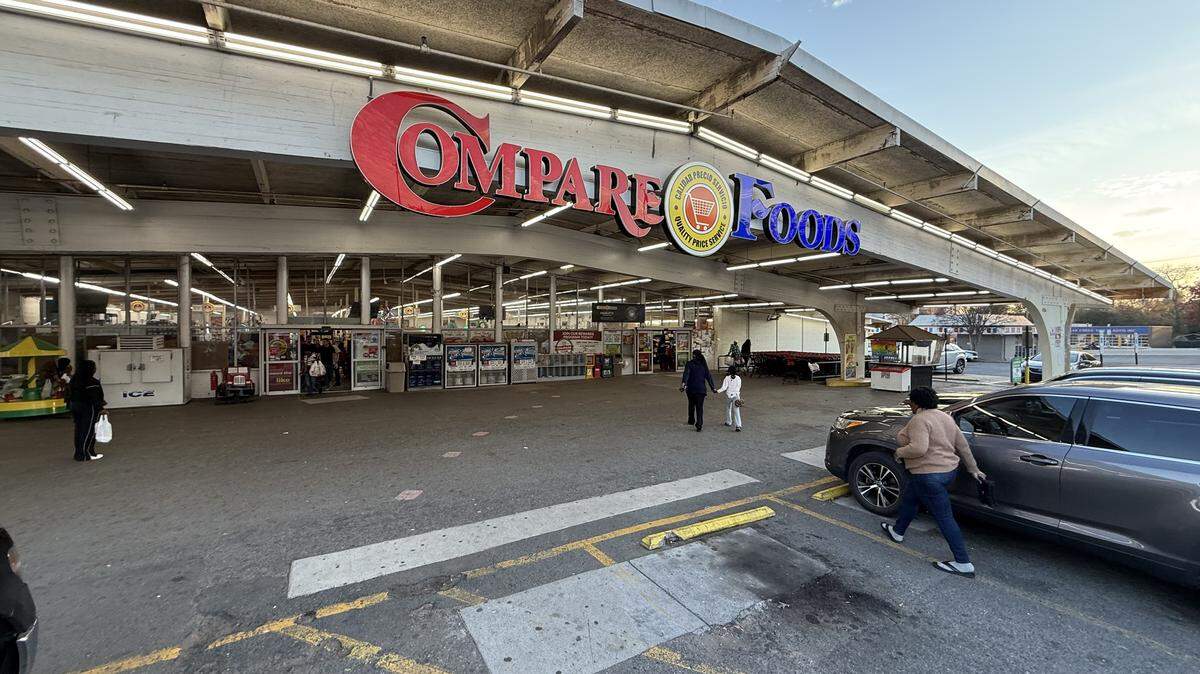
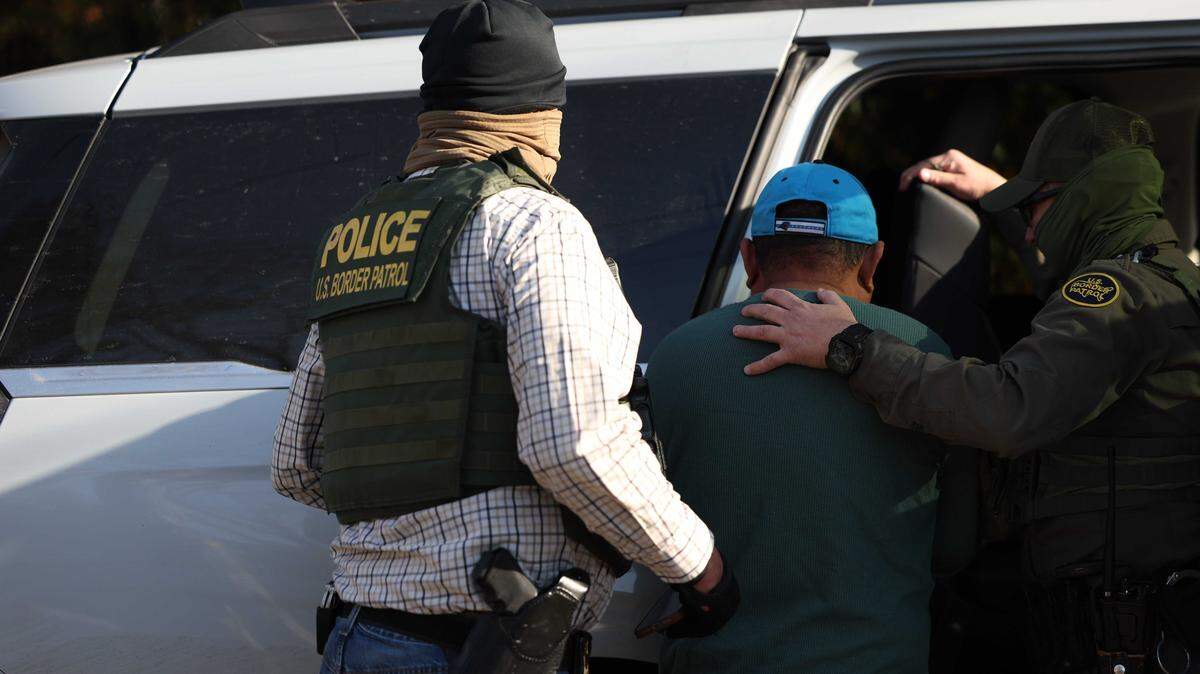
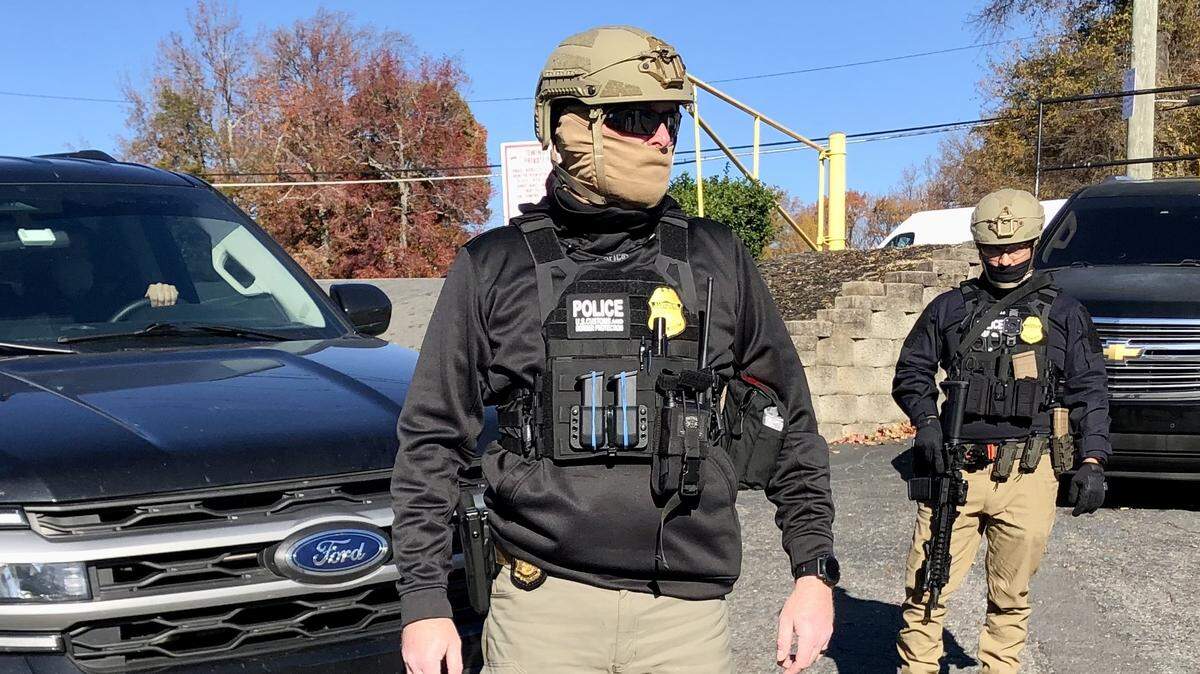
For multiple days now, Customs and Border Protection (CBP) agents have patrolled our streets, from East Charlotte and South Boulevard to the University area and West Charlotte, detaining our neighbors, questioning workers, and parking outside schools and nonprofits. Early Monday morning, they appeared outside OurBRIDGE for Kids, a place where migrant and refugee children as young as five come to learn and feel safe. Volunteers rushed to shield the entrance. When the community showed up, CBP left.
That is Charlotte’s true web: woven from courage and care, not fear and control.
The federal government insists these operations are about “public safety.” But the data tells a different story. The Chicago Tribune recently reviewed CBP’s Midway Blitz operation in Chicago and out of 614 arrests, only 2.5 percent involved anyone with a criminal record. Here in Charlotte, the Department of Homeland Security’s own numbers show that of more than 130 people detained, only 44 had serious criminal records, just 32 percent. The overwhelming majority were workers and parents trying to make a decent living. People with no record, no warrant, no threat to anyone.
Let’s call this what it is: an operation built not on safety, but on fear, quotas, and control.
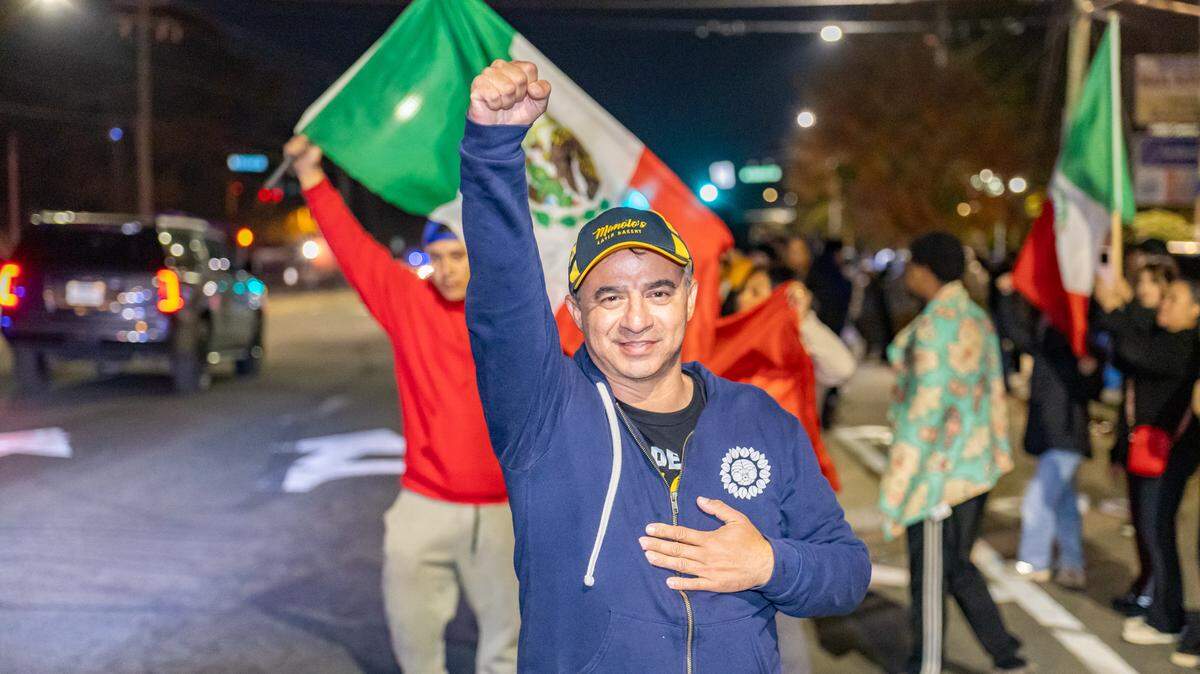
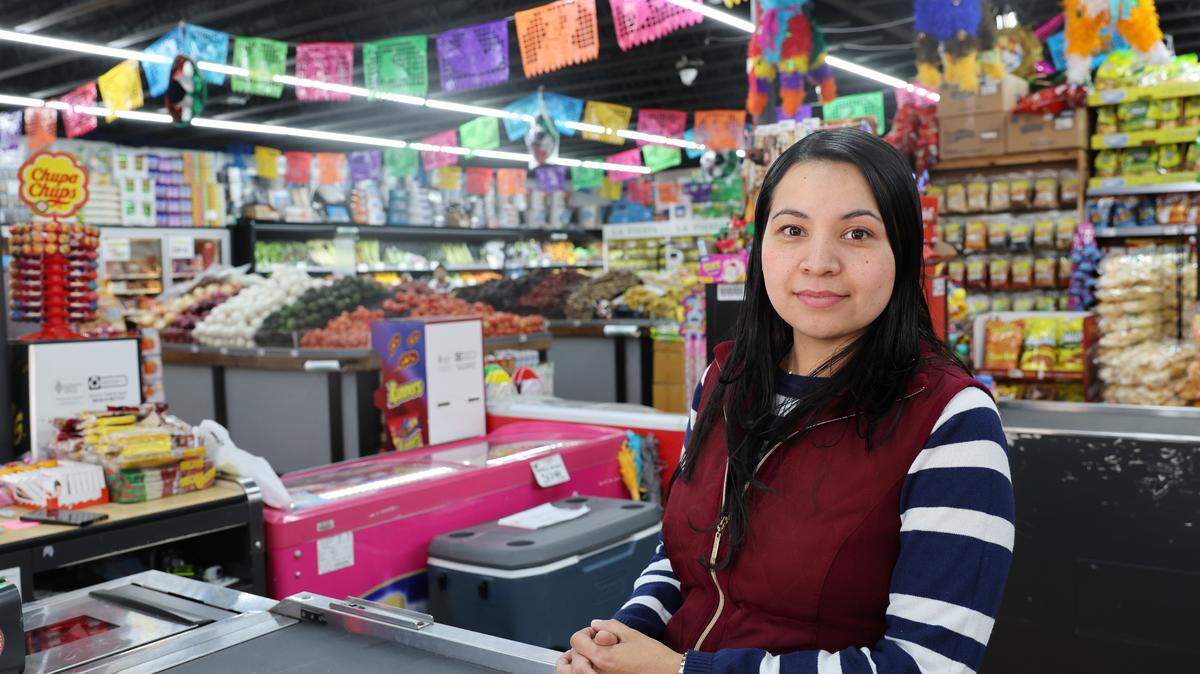
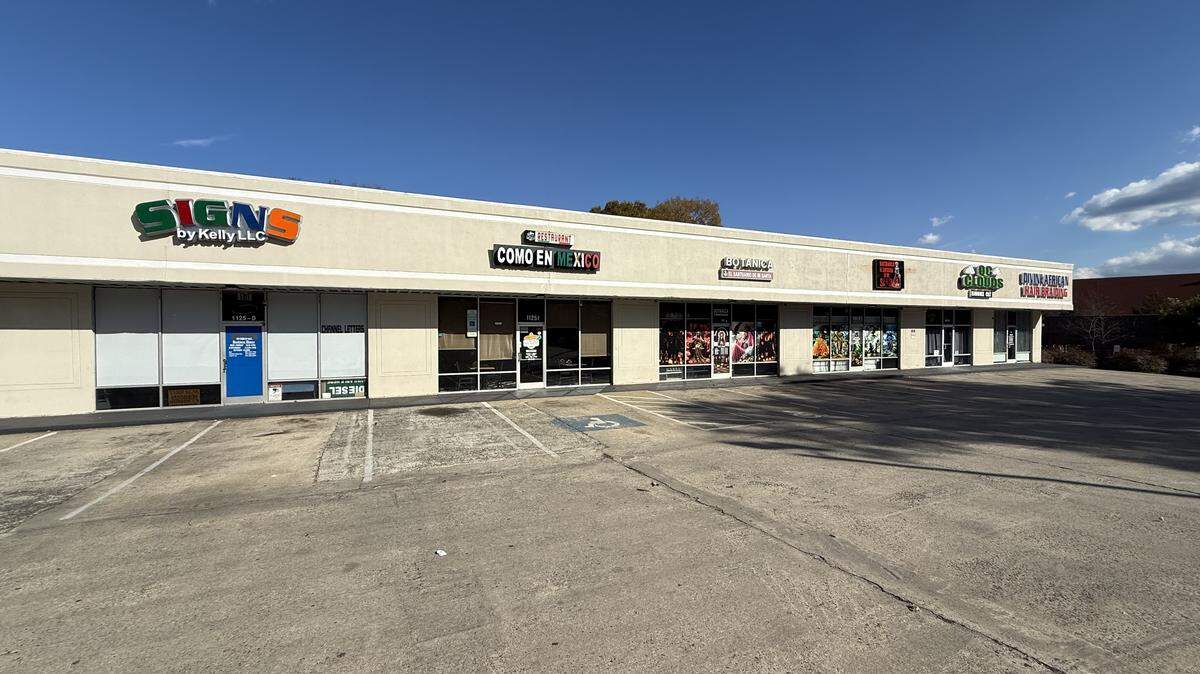
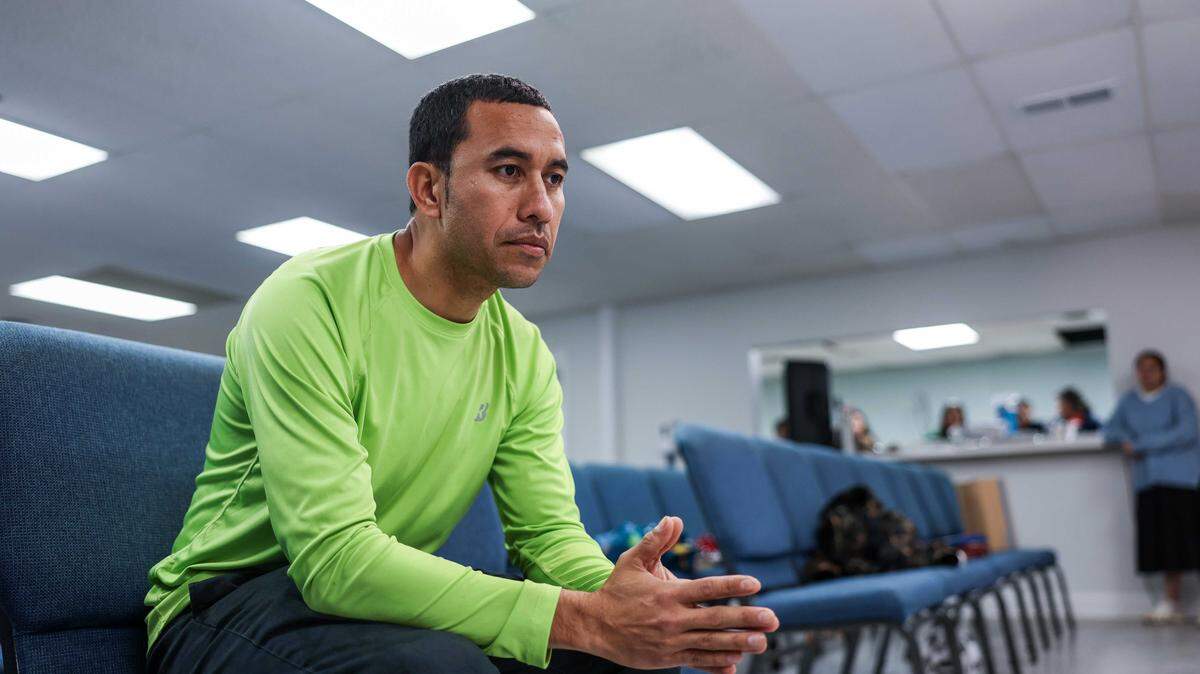
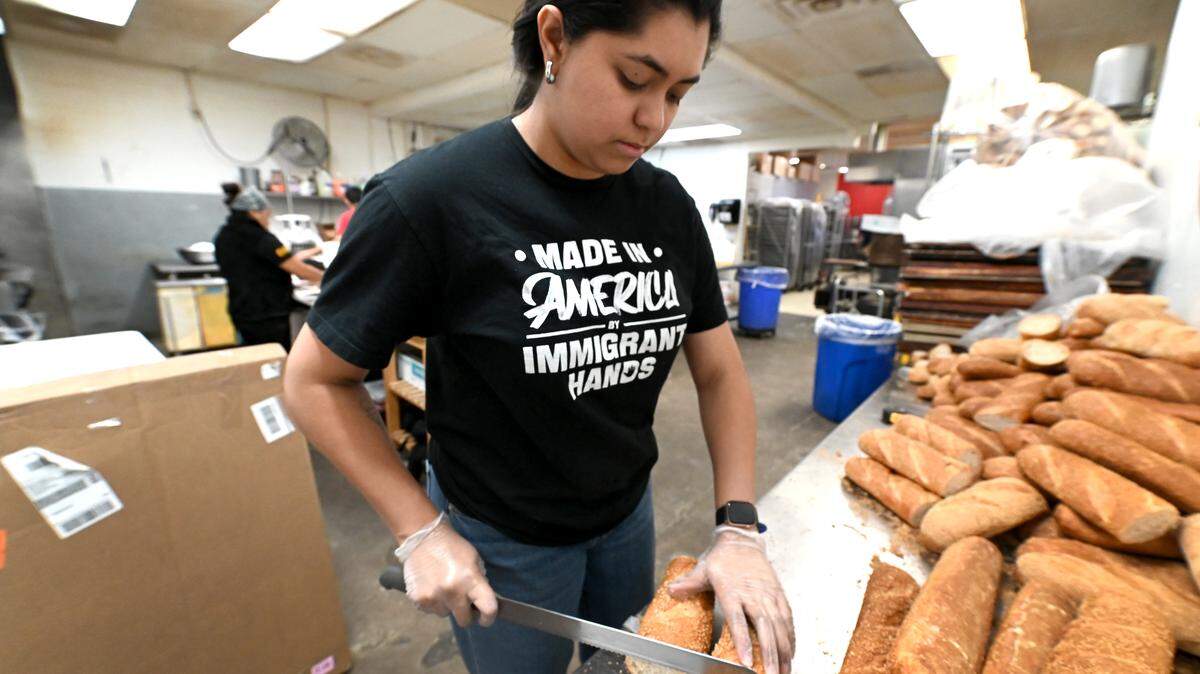
That fear has a cost you can measure. More than 21,000 CMS students missed school in a single day because their parents were too afraid to let them leave home. Small businesses like Manolo’s Bakery on Central Avenue closed their doors, losing days of income it can’t afford to lose. Families canceled appointments, skipped work, and stayed invisible. This is what happens when the government uses intimidation as policy: an economic lockdown of the very neighborhoods that keep Charlotte running, costing all of us a troubling loss to our local economy.
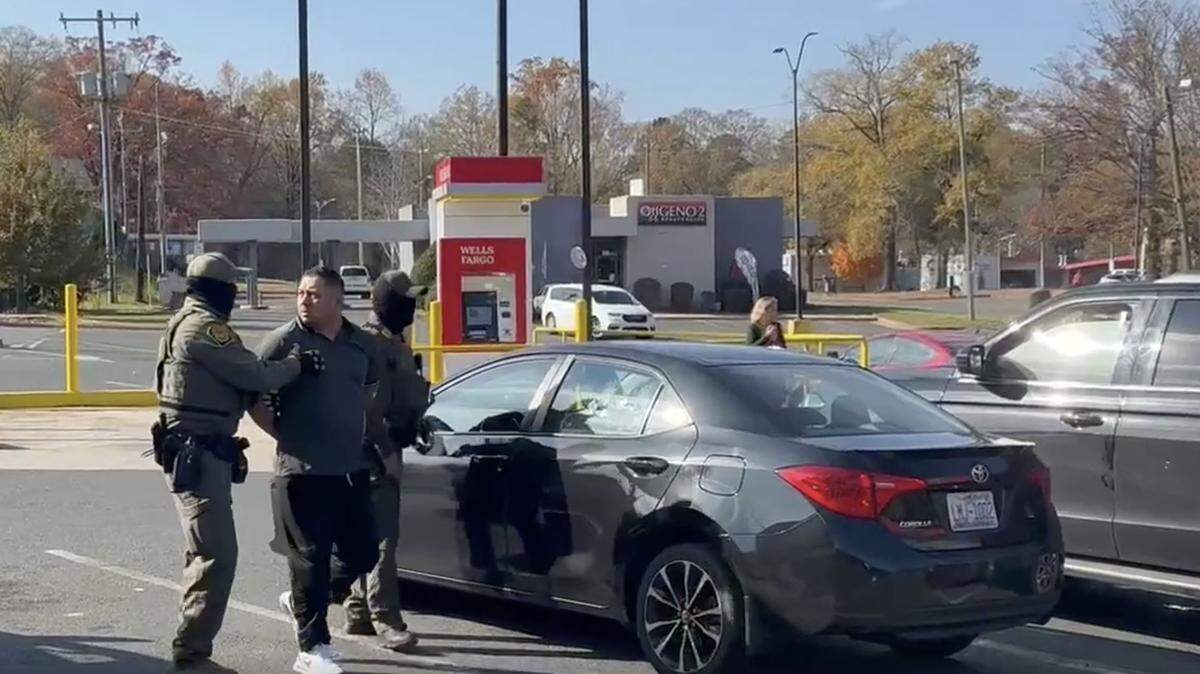
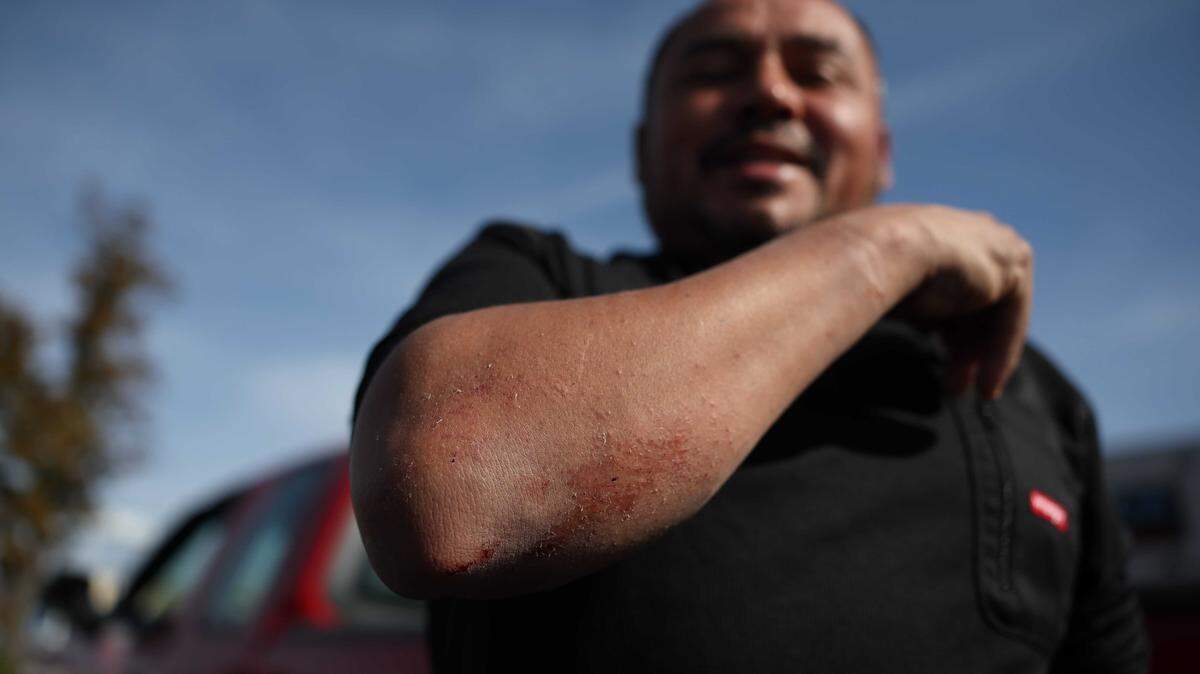
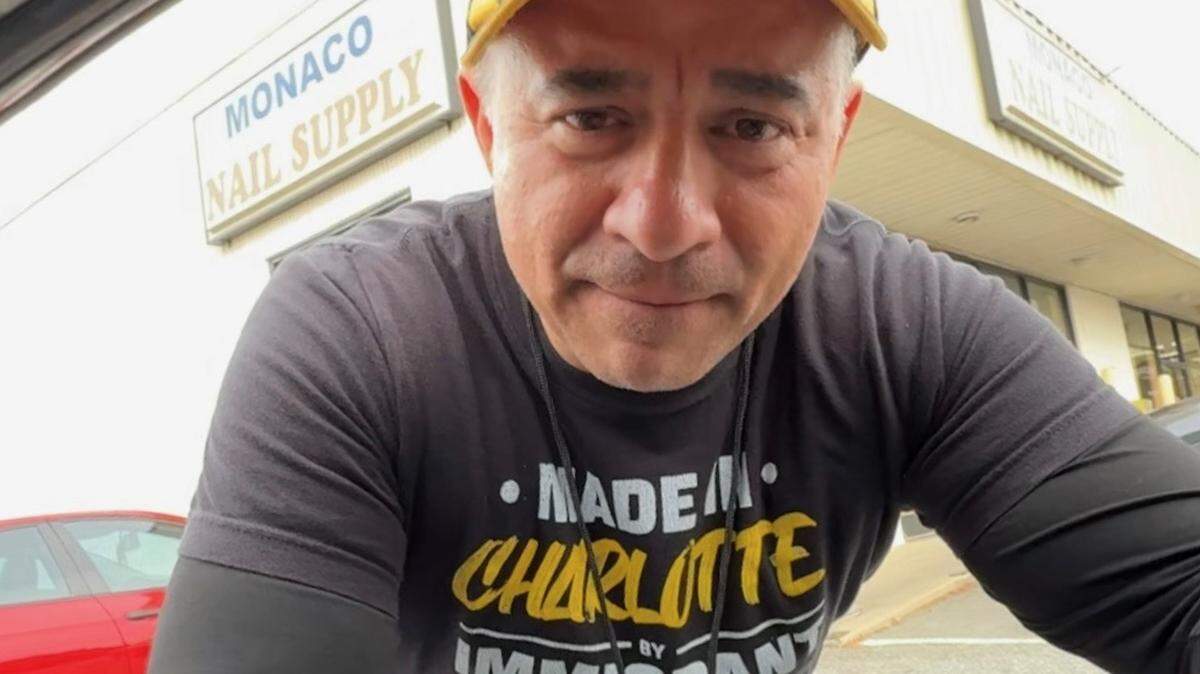
But make no mistake, this is not just an attack on immigrants. It’s an attack on all of us. When agents smash the window of a U.S. citizen’s car and detain him without probable cause, it’s not only cruel, it’s unconstitutional. Operations like these undermine the Fourth Amendment’s protection against unreasonable searches and seizures, and the Fifth and Fourteenth Amendments’ guarantee of due process. They erode the very fabric of citizenship itself.
As an immigrant who grew up in this city, I know that fear intimately. I remember loved ones whispering when an unmarked car drove too slowly down our block. I remember having to live in the shadows. That is not how a city built on hope should live.
And yet, Charlotte’s government has often prided itself on being apolitical, focused on efficiency, not controversy; on business as usual, not social causes. For decades, we’ve treated our role as one of service delivery: fixing potholes, balancing budgets, providing core services. But this moment has met us where we are tested, to decide whether our institutions truly protect all our residents.
We should treat this as a turning point for Charlotte, a moment to reject complacency and redefine what leadership means in our city. It’s time we move with boldness, with people-centered policies, and with the courage to defy what’s been considered “normal.” Because “normal” has too often meant silence in the face of injustice.
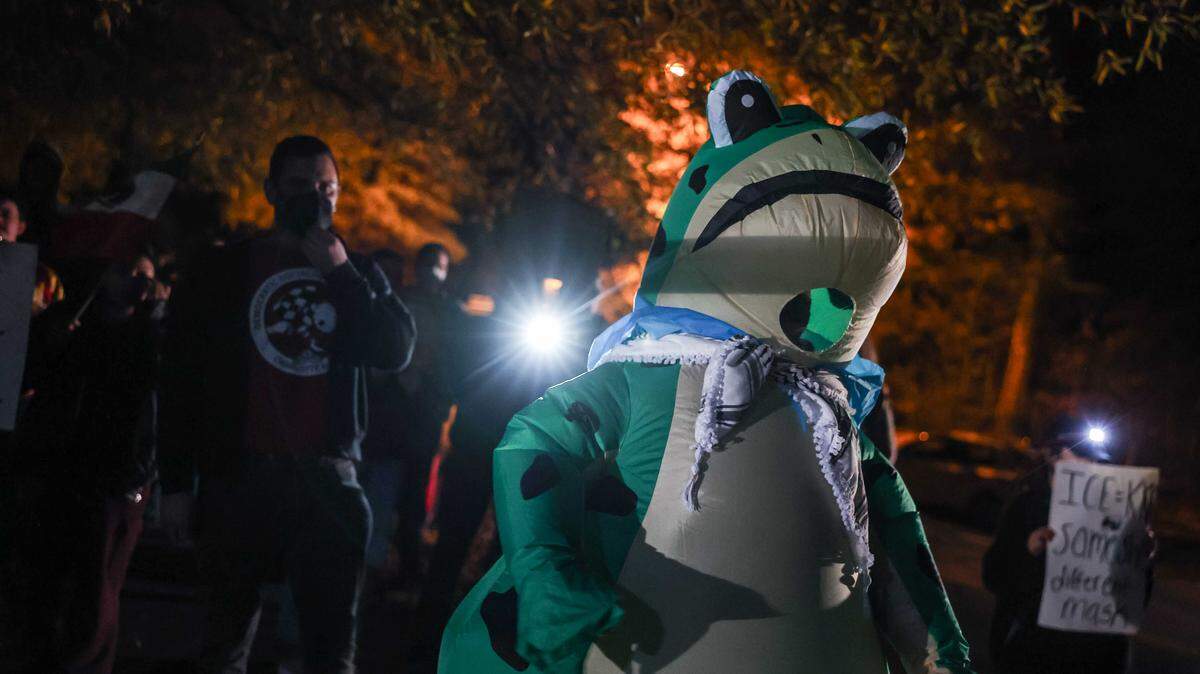
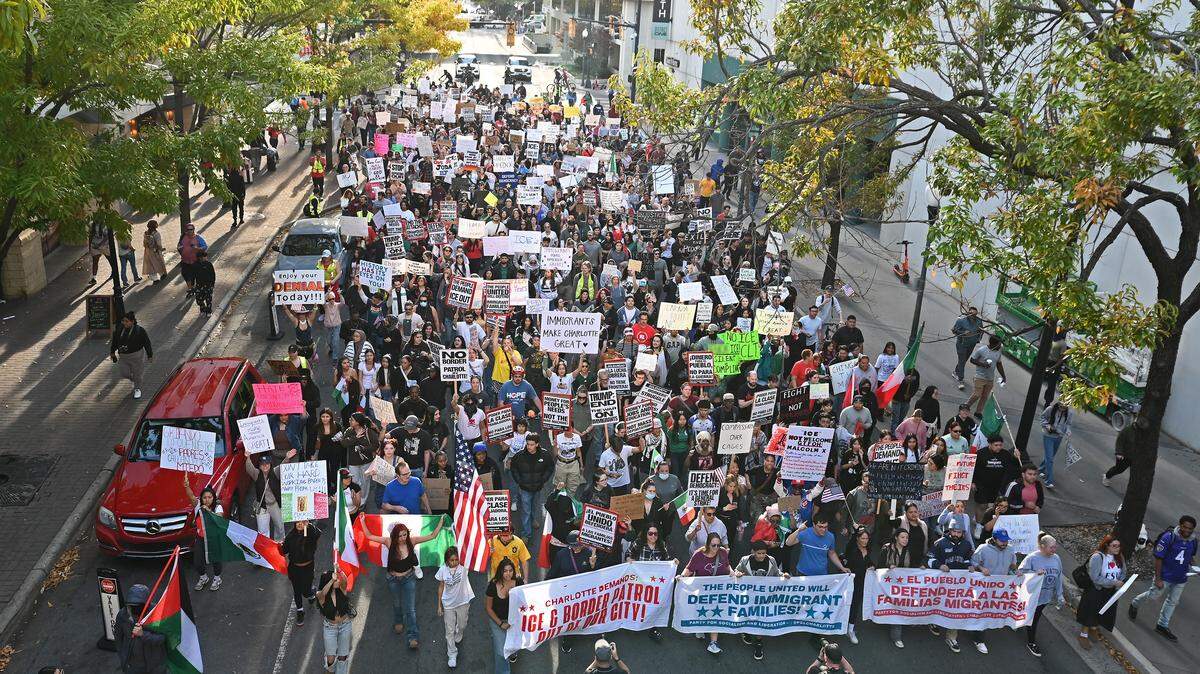
On Monday afternoon, residents packed our Government Center, shoulder to shoulder, demanding action. Council members Dimple Ajmera and Tiawana Brown led with conviction. James Mitchell reminded us of the urgency. LaWana Mayfield spoke truth about the power of community. Edwin Peacock introduced a motion that passed unanimously, directing the City Manager to deploy emergency funding before November 24 to support organizations on the front lines of this crisis.
That is leadership. That is what solidarity in power looks like.
But a city motion alone will not stop this. The responsibility now belongs to all of us: to call out the false narrative that equates immigration enforcement with safety; to show up for small businesses on Central Avenue, Albemarle Road, and South Boulevard; to remind our immigrant neighbors they are not alone.
Charlotte’s promise has always been bigger than fear. We are a city rebuilt by immigrants, by the bakers, the construction workers, the home-care aides, and the students who call East Charlotte home. When we let fear decide who belongs, we betray the very story of our city.
E. B. White wrote Charlotte’s Web during an age of rising authoritarianism. His message was simple: words can save a life; kindness is an act of resistance. We are being tested now in the same way. The question is whether we will accept fear as the price of safety, or insist that safety means every family goes home at night.
Charlotte’s web should never be one of entrapment. It should be one of protection, a web of compassion, woven by all of us. And if we hold it together, no agent, no policy, and no operation will ever be strong enough to tear it apart.
This story was originally published November 18, 2025 at 8:47 AM.