Star Charlotte athlete can’t get paid for snack named after him. Players want a change
Should high school athletes be able to profit from their name, image and likeness the way college athletes do? It depends on who you talk to.
The Observer spoke with more than a dozen athletes. All were in favor. Most coaches and administrators, however, were not.
Ultimately, with the way social media is growing, and with the ability for star athletes to amass big followings, the question may not be if high school kids should be granted the same rights NCAA athletes just got — but when it’s coming.
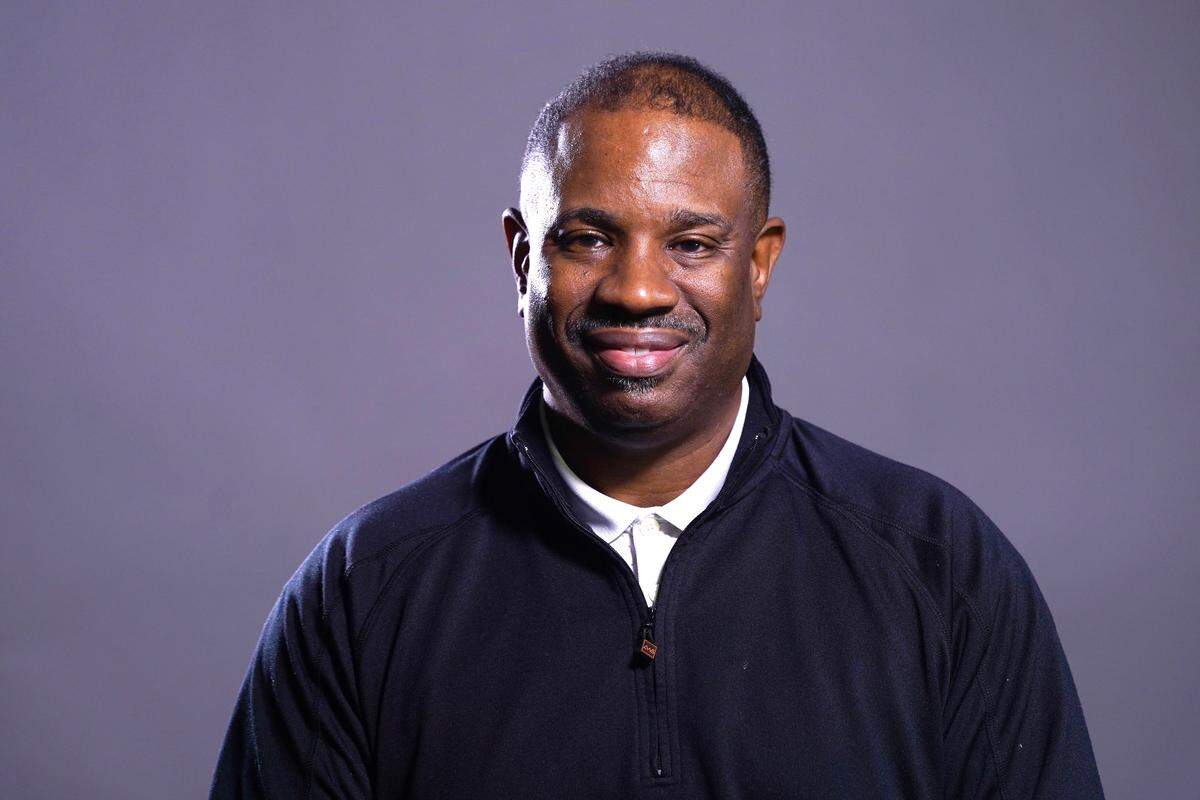
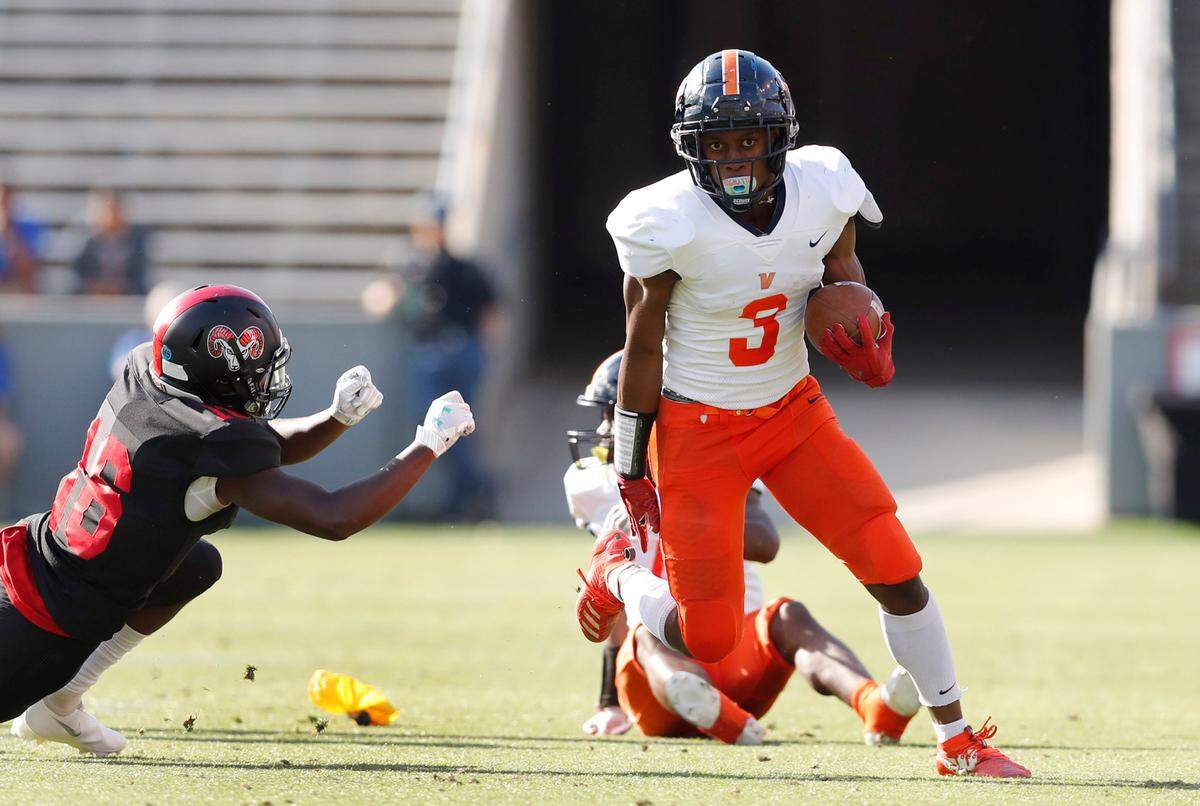
“I think we should 100 percent be able to do it,” said Chambers High junior Daylan Smothers, the reigning N.C. high school football player of the year.
Recently, Smothers found out that a local snack shop, Pelican’s Snoballs, had named a treat after him. It was a snow cone in his school’s blue and orange colors made of mango, lemonade and blue raspberry flavors.
Prices ranged from $2 to $5.50.
Smothers doesn’t get a dime.
“It doesn’t matter when you start making money off your name,” Smothers said. “A lot of little kids will be on the sidelines, asking for autographs and say they want to be like us and treat us like we made it somewhere. ... I’m pretty sure a lot of brands would love to sponsor some high school athletes and get them to represent their brand. Why not allow people to make money, so maybe if they’re struggling, they can pitch in and help their family situation? The quicker young people can make money and change their life, the better.”
Here’s the truth: if high schoolers did have access to NIL profiting, it would not affect the vast majority of them. But the vast majority of high school athletes — fewer than 5 percent — will play any sport in college; most of them will never have access to the NIL in college. But particularly in small towns and communities where high school sports are still front-page news, those teenage athletes might get be able to earn some money off their names before they graduate.
We live in a time where hundreds of highly trafficked websites are devoted to high school recruiting and college fans tune in to social media, in very high numbers, to find out where a star recruit is going to school. All-star football and basketball games are regularly televised by major sports networks. Major shoe companies sponsor travel basketball circuits and 7-on-7 football teams and fly players all over the country each summer for competition and exposure.
As a result, high school stars like Zion Williamson or Trevor Lawrence are household names before they ever enter college.
And this year, the Overtime Elite League is paying six-figure salaries plus a signing bonus to top basketball players nationwide, and players give up college eligibility to play. Overtime also sets aside $100,000 in college scholarship money for each player.
Bottom line? Businesses are investing major dollars into high school.
National Federation does not support NIL
Karissa Niehoff, the director of the National Federation of State High School Associations, told reporters during a video conference call this week that the NFHS rules do not allow its student-athletes “to engage in contracts and such that pertain to name, image and likeness.”
She argues that NILs could create dissension among athletes, a sentiment some coaches and administrators The Observer spoke with also shared.
AL Brown football coach Mike Newsome, for example, doesn’t think college athletes should get NILs, much less high school kids.
Still, Newsome said he could absolutely see a small business, especially in small towns, giving, say, a free meal to the local star in exchange for a social media post. And he admits it could grow from there, but he’s just not sure we should open Pandora’s Box.
In a few years, however, coaches like Newsome may not have a choice.
“I think we’re opening a big can of worms even discussing it, really,” Newsome said. “What happens to the kid that has to tell his coach, ‘I can’t come to the pregame walk-through because I have to go in front of the stadium and sign autographs,’ because some guy is paying me $500 to do that?
“I think we’re getting to the point where we’re monetizing amateur athletics. I just think we’re just getting too close to a bridge we shouldn’t cross.”
Could 5-star Mikey Williams convert 3M social followers into cash?
And if there is any high school athlete in North Carolina who could benefit from being able to monetize his name, image and likeness rights, it’s 5-star basketball recruit Mikey Williams.
Williams has 3.1 million Instagram followers, nearly 60,000 Twitter followers and has already done non-paid modeling gigs for famous rappers and clothiers.
A sponsored post from Williams could deliver a business a significant audience, particularly in the younger demo that many advertisers covet. But, right now, high school athletes cannot profit from their NIL, the way that college athletes have recently gained access to.
Williams’ father, Mahlon, doesn’t think that’s right.
And earlier this week, Mahlon Williams told The Observer that his son was leaving Lake Norman Christian to play for a new start-up, Vertical Academy, a basketball focused-program that will offer online or in-person classes at Lake Norman Christian or at the athletes’ traditional school.
“A high school athlete can go out and get a job at McDonald’s and get paid,” Mahlon Williams said. “It’s a job. So if you have to go wherever you’re modeling or do your social media posts, that’s your business, no matter what it is. It’s still a job.
“You’ve got all these high school associations regulating what kids can do and we’re about to create a situation, in a minute, where everything will be year-round club ball and people will go to private schools or (club teams). So at the end of the day, the high school associations are shooting themselves in the foot.”
Mahlon Williams said his son doesn’t intend to make money from his national following as a high schooler, but Vertical Academy will fall outside of the jurisdiction of state and national high school governing bodies that prohibit profiting from NIL. Other North Carolina athletics-focused high school schools such as Combine Academy in Lincolnton, Liberty Heights in Charlotte and Durham’s Good, Better, Best Academy could also allow players to profit from NIL.
Williams believes the NCAA should go further than just the NIL and pay college athletes. He argues that major Division I schools could pay football players $1,000 a month with little trouble.
“Let’s say there are 80 players on a team,” Williams said. “That’s 80,000 dollars. And let’s say you did that for 10 months. That’s 800,000 dollars, right? So let’s take Michigan, which has sold out for like 20 years. The concession stands probably make $800,000 a game. That’s not talking about parking lot (fees), season-ticket holders, merchandising. You’re telling me you can’t fork out $800,000 to the football team when you’re making that in a half of one game?”
Williams also believes that those who argue that student-athletes are paid with scholarships are misguided.
“What you’re really doing is putting one more chair in a classroom,” he said. “It’s equivalent to me driving to California and you asking me for a ride and I say, ‘Yeah, but the ride is worth $200 in gas.’ You’re looking at me saying, ‘You were coming this way anyway.’ That professor is going to teach 39 students in that class anyway. So I happen to be the 40th student (as a college athlete). What’s that taking away?”
This story was originally published July 16, 2021 at 9:48 AM.