
Charlotte Knights act as pro baseball’s testing ground for experimental rules
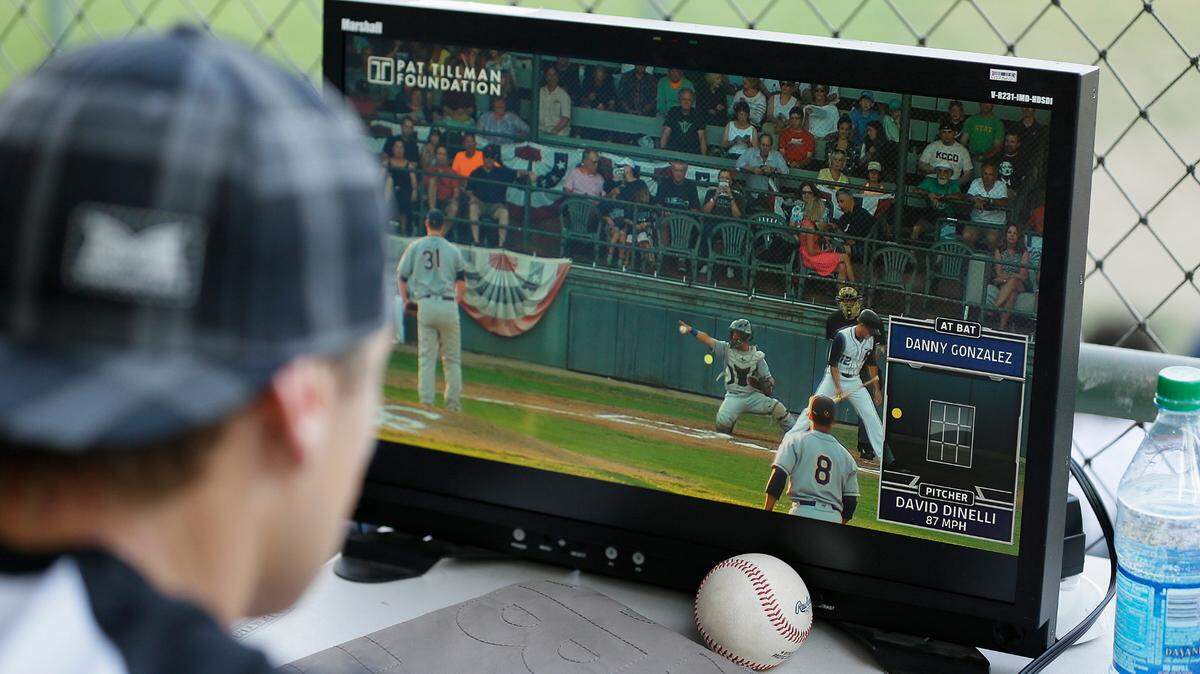
When the Charlotte Knights play at Truist Field in 2022, there will be nine players, three umpires and one robot on the diamond.
Sort of.
Major League Baseball’s current automated strike zone experiment, or robot umpires, will expand to 11 Triple-A ballparks this season, including Charlotte, beginning April 12 when the Knights host the Memphis Redbirds.
The Automated Ball/Strike system takes human decision-making away from home plate umpires, who historically have drawn the ire of fans, players and managers because of inconsistent ball and strike calls.
The demand for some form of an automatic strike zone has become popular, especially with the prevalence of television-based models shown during almost every Major League Baseball live telecast and in video games that give fans a representation of the strike zone found in the official rule book.
In a March 14 statement announcing the implementation of ABS at the Triple-A level, MLB indicated that the move is all part of an initiative to “ensure a consistent strike zone is called, and determine the optimal strike zone for the system.”
The Knights were selected to be included for several reasons.
“MLB felt it was important to provide players in the International League with some exposure to ABS. Charlotte became the preferred option after considering a number of factors including geography, ballpark infrastructure, and the willingness of the Major League Club to host the Automated Ball-Strike system,” MLB said in a statement provided to the Observer.
In Triple-A West, umpires will call balls and strikes through May 15, and the ABS system will be utilized in all games beginning May 17. In Triple-A East, ABS will be used throughout the season in all games played in Charlotte, the MLB said. In both leagues, the ABS strike zone will approximate the strike zone called by high-level umpires.
In addition to Charlotte, ABS will be used this season at ballparks in Tacoma, Albuquerque, El Paso, Las Vegas, Oklahoma City, Reno, Round Rock, Sacramento, Salt Lake, and Sugar Land.
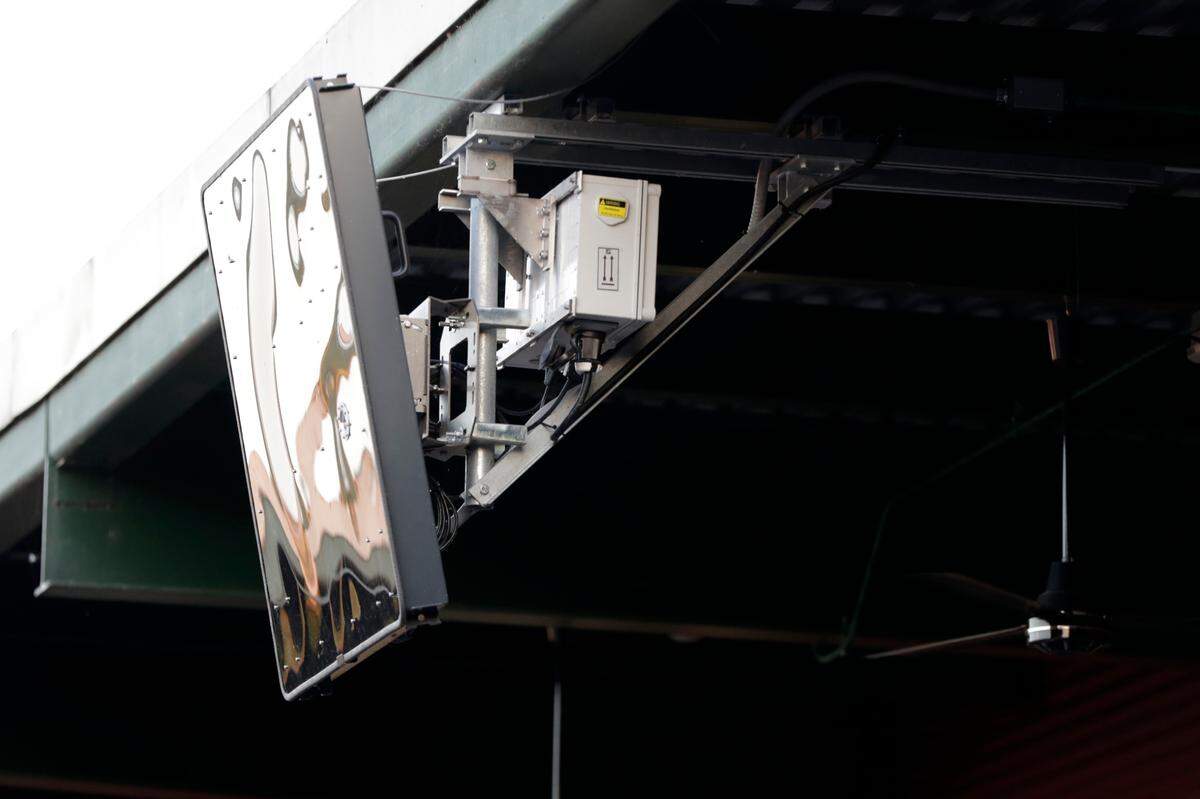
How a ball or strike is called through this unique system isn’t all that complicated.
The tracking system, which was developed by Danish-based golf startup TrackMan, uses technology through a computer-generated predetermined strike zone to relay calls to the umpire on the field. Once the system identifies the ball’s location and trajectory, it’s recorded and the decision — from a virtual voice — tells the umpire wearing an earpiece on the field whether that 95 mph fastball was a strike.
“The goal here is really to focus on demonstrating system reliability and to start to get more athlete feedback from more players, coaches, and umpires,” Chris Marinak, MLB’s chief operations and strategy officer, told the Associated Press last March. “We have a significant amount of accuracy in this new system, I think slightly plus or minus 0.1 inches.”
While ABS will be new to Charlotte and elsewhere, it is not new for professional baseball. In 2019, the independent Atlantic League used the system at its All-Star Game and for the second half of the season. It was later used in the Arizona Fall League.
In 2021, ABS returned after the pandemic shut down the minor leagues in 2020 and was used in nine ballparks in the Low-A Southeast League.
Baseball wants to ultimately test whether ABS — or some iteration of it — can be used in the majors in the near future, with franchises like Charlotte acting as testing grounds, first.
“The technology has really matured and gotten to the point where it’s ready to go,” Marinak said. “The delay in terms of the next step, in terms of trying to implement the Automated Ball/Strike system is really getting the players to understand how it works and try to get feedback on the shape and the design of the zone and other sort of behind-the-scenes features about how the system is sort of structured and communicated with players.”
This story was originally published April 8, 2022 at 6:00 AM.