Questionable calls and a colossal Panthers collapse, but — ultimately — gratitude
READ MORE
Super Men: The inside story of the 2015 Carolina Panthers
Expand All
The Panthers were favorites to win Super Bowl 50 from the moment it was determined that their opponent would be the Broncos, and in the run-up to The Big Game, Las Vegas casinos were getting few enough bets on Denver that the line moved even more heavily in Carolina’s favor.
But as the team was preparing for its showdown in the San Francisco Bay Area, Panthers director of communications Steven Drummond was preparing for the worst-case scenario.
This was, after all, his job.
The question: If Carolina lost, how would he handle star quarterback Cam Newton’s post-game media obligations?
“Because Cam was notorious for taking a long time after losses,” Drummond says. “He cared so deeply about winning; he didn’t handle losing great. And people criticized him for what they call pouting or whatever. But I respected the fact that as a fan — (the notion that) ‘When I go watch the Panthers play, I want the players to hurt just as much as I hurt. I don’t want you going back to your locker saying, Oh, well, we’ll get ’em next week. I want you to hurt.’
“Well, Cam, he hurt. So he would sit at his locker for 20, 25, 30 minutes before he got up to shower.”
Then after showering, he’d make his way to the media room.
Reporters in Charlotte had gotten used to that lengthy cooling-off period after losses (although in the one-loss 2015 regular season, such waits were far less common).
This, however, was THE SUPER BOWL. More than 100 million people would be watching. And after the game — if the Broncos pulled off an upset — millions would be waiting to hear from Newton, the NFL regular season’s most valuable player. Drummond knew that keeping the Super Bowl media horde waiting for a half an hour or more so Newton could cool down would create a PR nightmare.
He also knew the QB wasn’t someone who liked considering worst-case scenarios.
Says Drummond: “I thought about going to him and saying, you know, ‘Should we lose, Cam, we got the world waiting. So let’s just make sure —’ but he was not gonna listen to anything negative like that before the game.
“So we were just at the mercy of, Let’s pray to God we win. ’Cause if not, I knew it would be bad. I knew it would be bad if we lost.
“And it was bad.”
A ‘very sterile’ start to Super Bowl 50
Coming on the heels of a massively successful, outrageously fun season, confidence within Panthers Nation was high all week in the Bay Area.
“Leading into it, it was phenomenal,” says Zack Luttrell, who leads the fan group Roaring Riot.
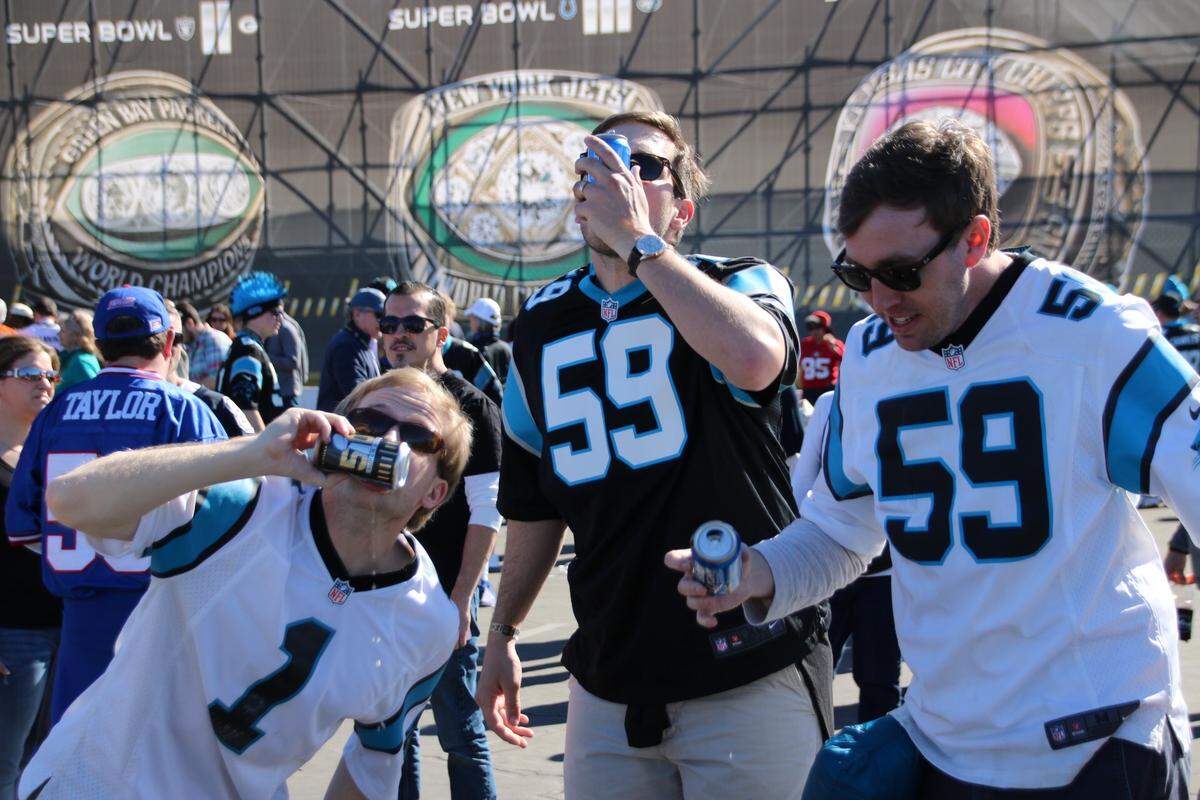
“We had a night-before event by the Giants baseball stadium there in San Francisco, and it was packed. … I mean, there were 500 people, and we were all happy talking about how we were gonna win the next day.”
But this was a fan base — and a team of players — that had grown accustomed to being passionately loved and intensely hated, to playing all season long to deafeningly loud crowds whether at Bank of America Stadium in Charlotte or on the road. Just two weeks earlier, 74,294 fans had BofA practically shaking at its foundation as the Panthers steamrolled the Cardinals, 49-15, to win the NFC Championship Game.
Levi’s Stadium in Santa Clara, Calif., immediately felt different. Not in a good way.
“It was almost kind of like when we came out of the tunnel I was expecting a home game, a home playoff game,” Panthers running back Jonathan Stewart says. “But it was a neutral site.
“It was so neutral that it was, like, very spectator-ish. Like, you’re just going to an environment, to a place, just to be looked at. That’s how I felt when we came out of the tunnel. We came out as a group and, you know, we were fired up, but there’s just not that same energy with the crowd engagement. ’Cause even, like, an away game, at least you hear boos.”
North Carolina Gov. Pat McCrory, who would watch the game with Panthers head coach Ron Rivera’s wife Stephanie, noticed it, too. “It felt very sterile,” he says. “So that wasn’t a good omen for the Panthers, I don’t think.”
This wasn’t unfamiliar territory for the Broncos, though.
Denver had been routed 43-8 by Seattle two years earlier in Super Bowl XLVIII, a game played thousands of miles from home for both, in New Jersey. More than 20 players from that squad — including quarterback Peyton Manning, now about to make his fourth and final Super Bowl start — were still around and ready to show they’d learned from that defeat.
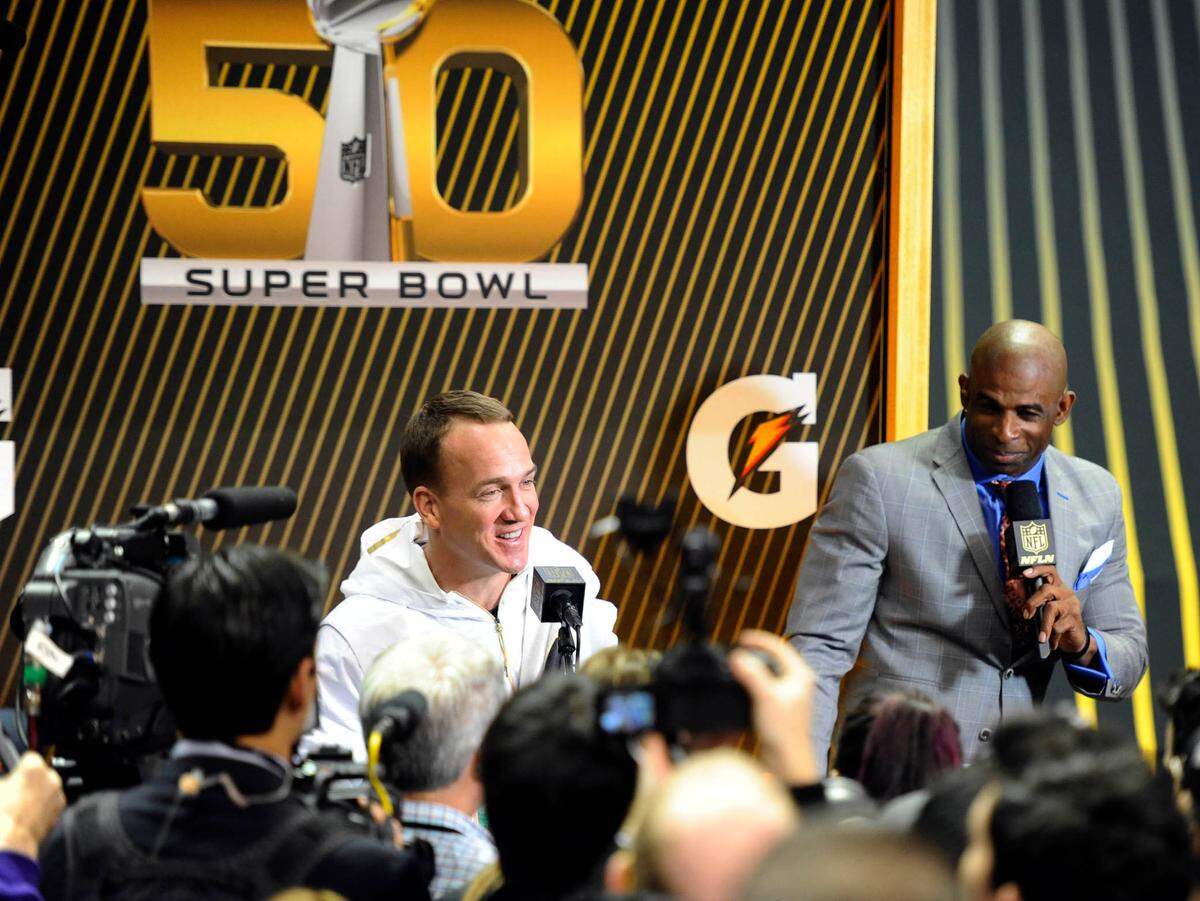
The Broncos were more than happy to be the underdog.
They also were no doubt pleased when they found themselves on the right side of a legendarily controversial call.
Did the Panthers’ Cotchery catch it?
Less than eight minutes into the game, with Denver leading 3-0, Newton hit wide receiver Jerricho Cotchery with a 23-yard pass that he appeared to catch — despite bobbling the ball and then hanging onto it only by trapping it between his elbow and his rib cage after he fell.
“So initially,” Cotchery says, “when the ball hit — boom, just trying to bring it back up to me at that point. And was able to do that kind of squeeze it as I was going to go into the ground — make sure I had control of it when I hit the ground, and then to try and hurry up and show that I made the catch … and rolled over. … And when I got to this point, the ball moved right while I’m rolling over. … It probably was moving when I hit the ground.”
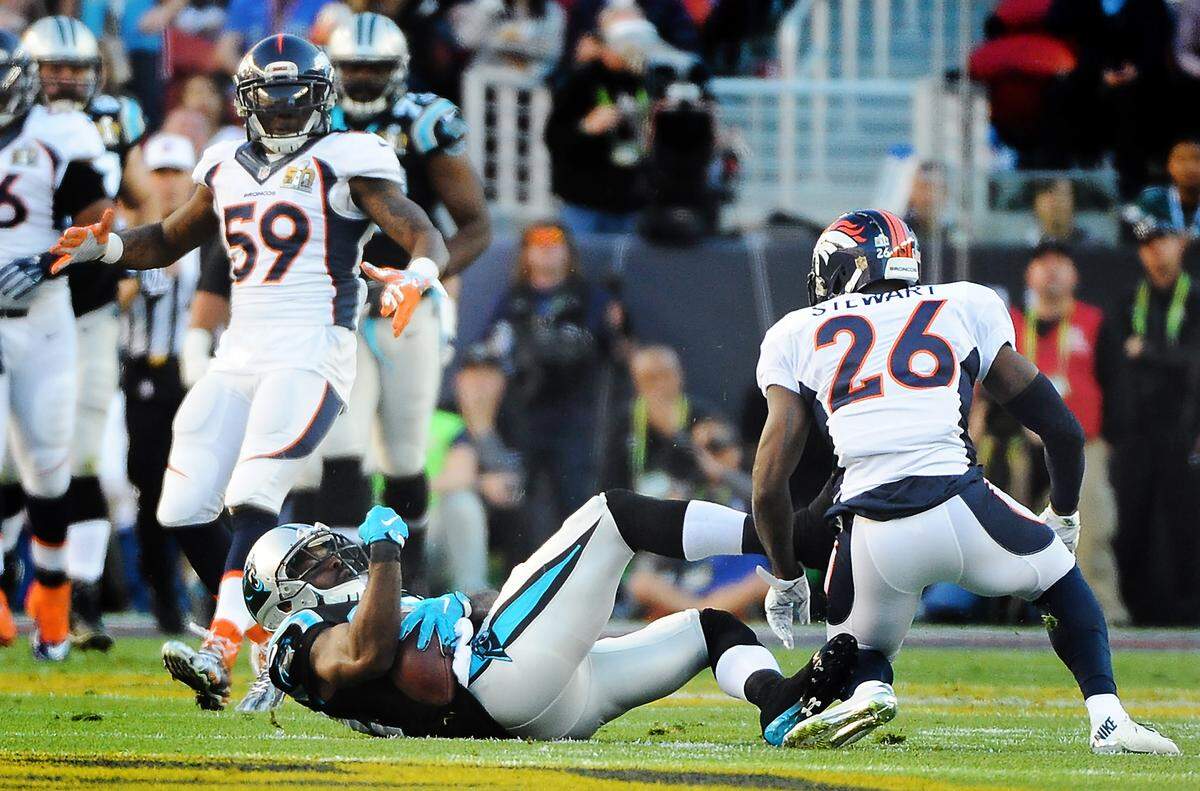
As such, an official ruled the pass incomplete. Rivera challenged the call.
Cotchery continues: “You can kind of hear on the sideline, even when they were reviewing it. … I mean, I knew I caught it, and everyone is kind of coming over, ‘Heck of a catch, big-time catch,’ and this and that, slapping my head. And … the same thing from upstairs (where the Panthers had coaches with access to replay). Like, ‘Yeah, that’s an absolute catch.’”
“That was a catch,” Rivera says. “That was a catch. I mean … you saw enough TV angles to tell you that was a catch.”
“Everybody in the world knows that was a catch by Jerricho,” says fullback Mike Tolbert.
But when the call was upheld upon review, Cotchery says, “Everyone’s looking around like, What? What is going on?”
Bewilderment would quickly turn to frustration: Instead of a first down around their own 40, the Panthers were facing second down still at their own 15-yard line — and just two plays later, Broncos linebacker Von Miller sped in from the outside to strip-sack Newton. Denver’s Malik Jackson recovered it and barely had to take two steps to reach the end zone. Touchdown. 10-0 Broncos.
“If that first down happens … it’s a different football game,” Panthers linebacker Thomas Davis says.
Instead, the no-catch gave Denver a measure of momentum it never relinquished.
Playing blame game at The Big Game
If you want to go down the rabbit hole, you could argue about what went wrong and who’s to blame all day.
You could argue that Cotchery (who dropped zero passes all season prior to SB50, where he dropped three big ones) could easily have caught the ball cleanly and eliminated any doubt. You could argue that the referees got it wrong and it’s all their fault; or, if you’re a conspiracy theorist, you could argue the officials were biased toward Manning because the NFL was biased toward Manning, who was a PR dream — at age 39 the oldest quarterback ever to start a Super Bowl, and one of the most popular NFL players of all-time.
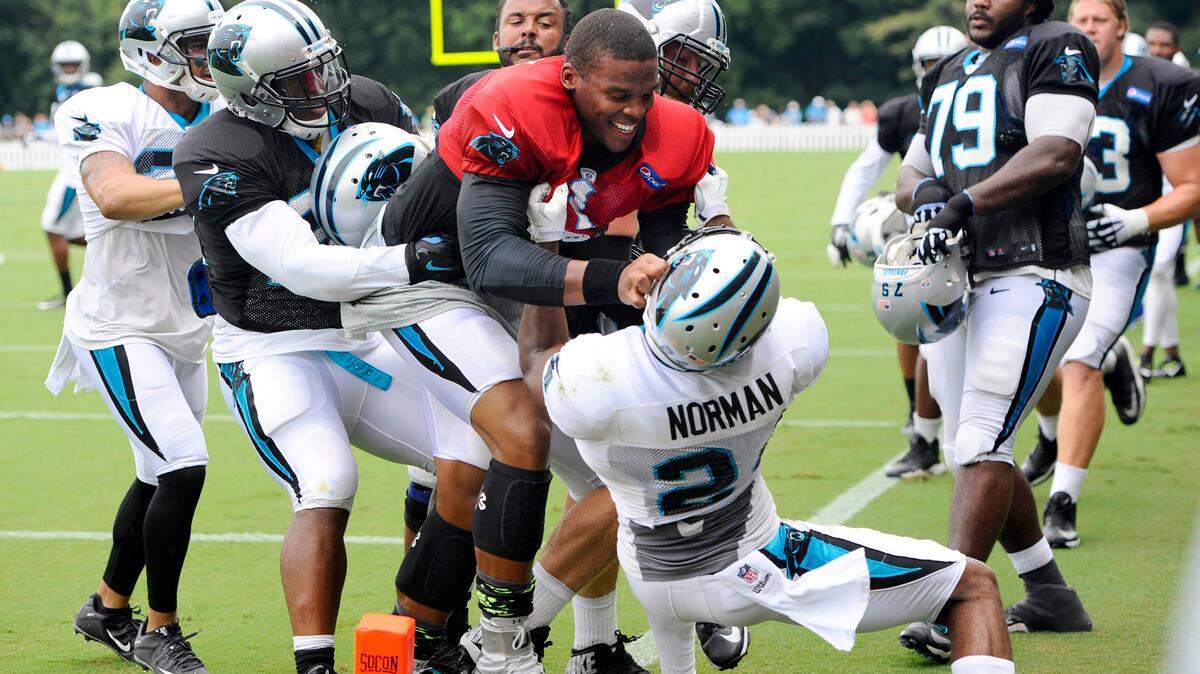
“It’s one of those things where, like, I believe that was the case,” says Tolbert, for example. “I believe that to a certain degree, the NFL can be swayed, with enough power and politics, just like anything else.” Adds cornerback Josh Norman: “There was no way they were … letting Peyton out of there without a W.”
On top of that, you could argue that Panthers tackle Mike Remmers is to blame.
After all, he was the offensive right tackle specifically responsible for containing Miller, and if Miller had been contained two plays after the Cotchery call it’s — as Davis pointed out — a different football game. And Remmers was the guy who would let Miller strip-sack Newton again with just over four minutes left in the fourth quarter and Carolina at its own 25-yard line but still in it, trailing just 16-10.
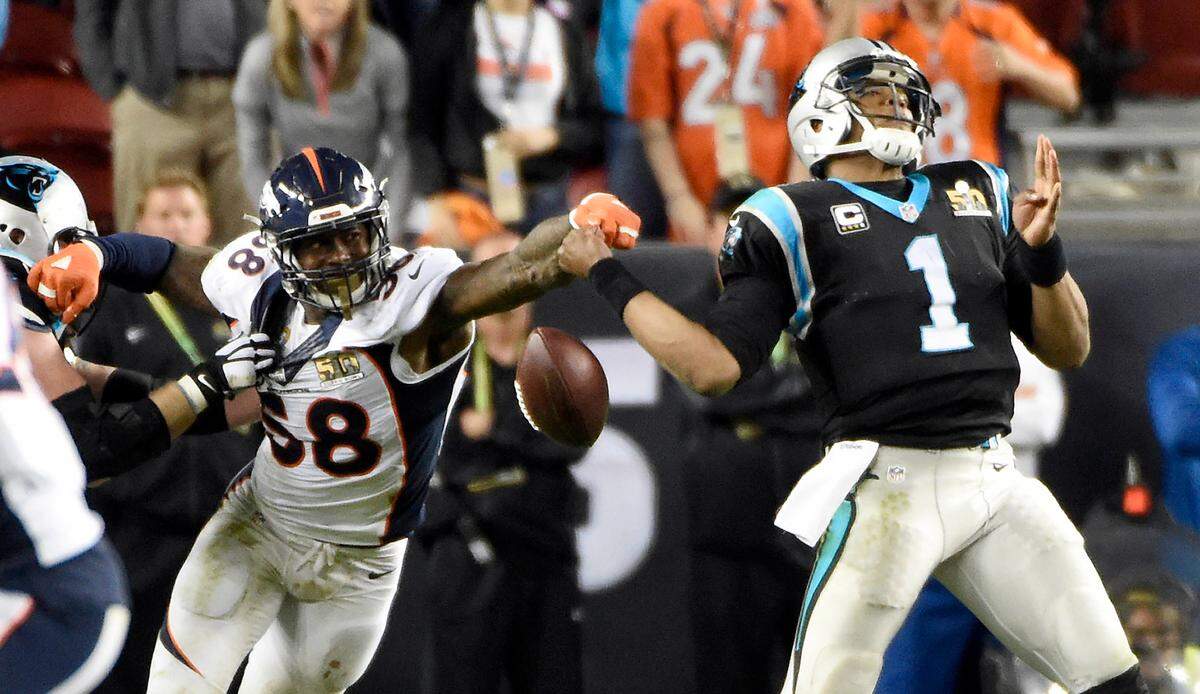
“With his speed and his ability … if you’re a half-click behind, you’re in trouble,” Remmers says of Miller, SB50’s eventual MVP. “I was literally one step away.”
But as the ball came loose and the game literally bounced away from the Panthers, another scapegoat was suddenly added to the mix.
Cam Newton.
‘I should have jumped on the fumble’
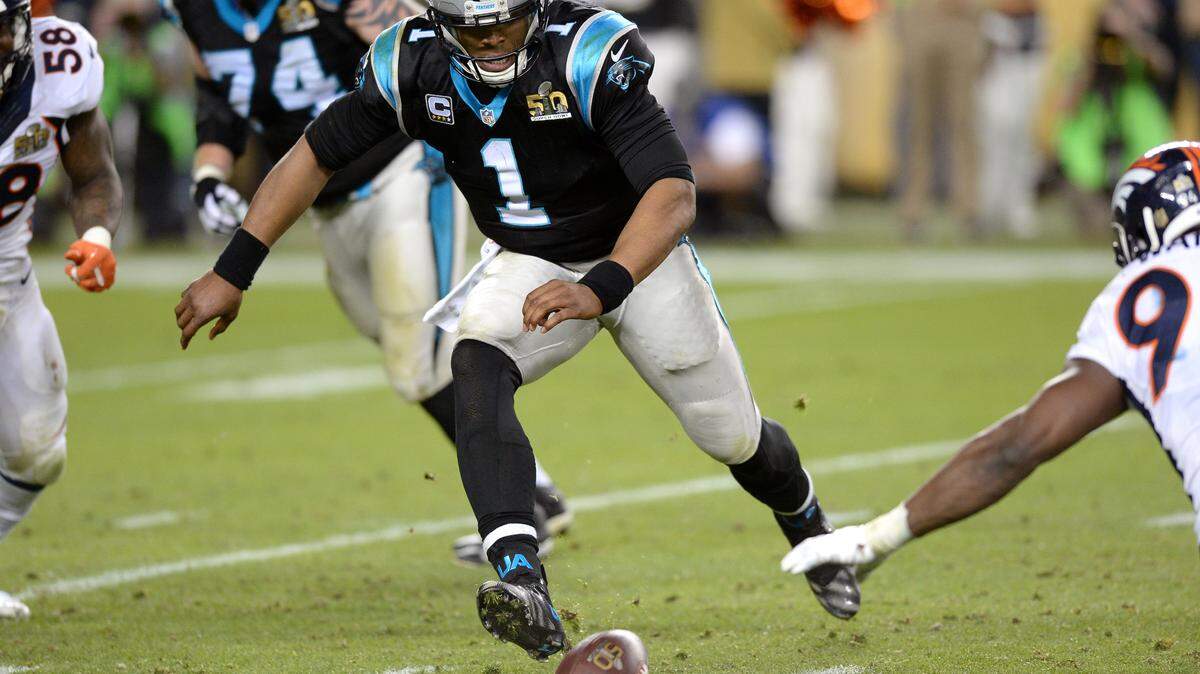
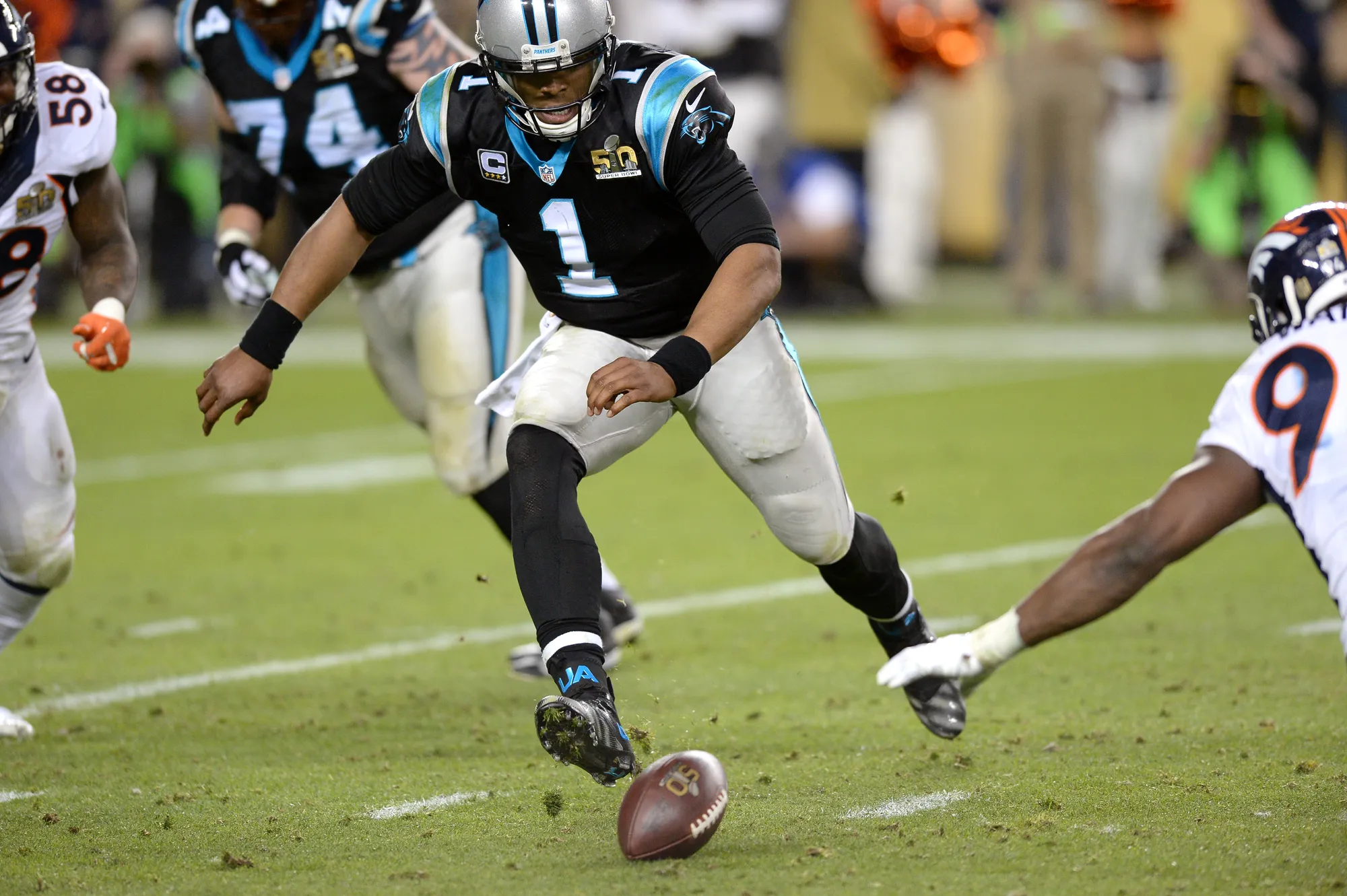
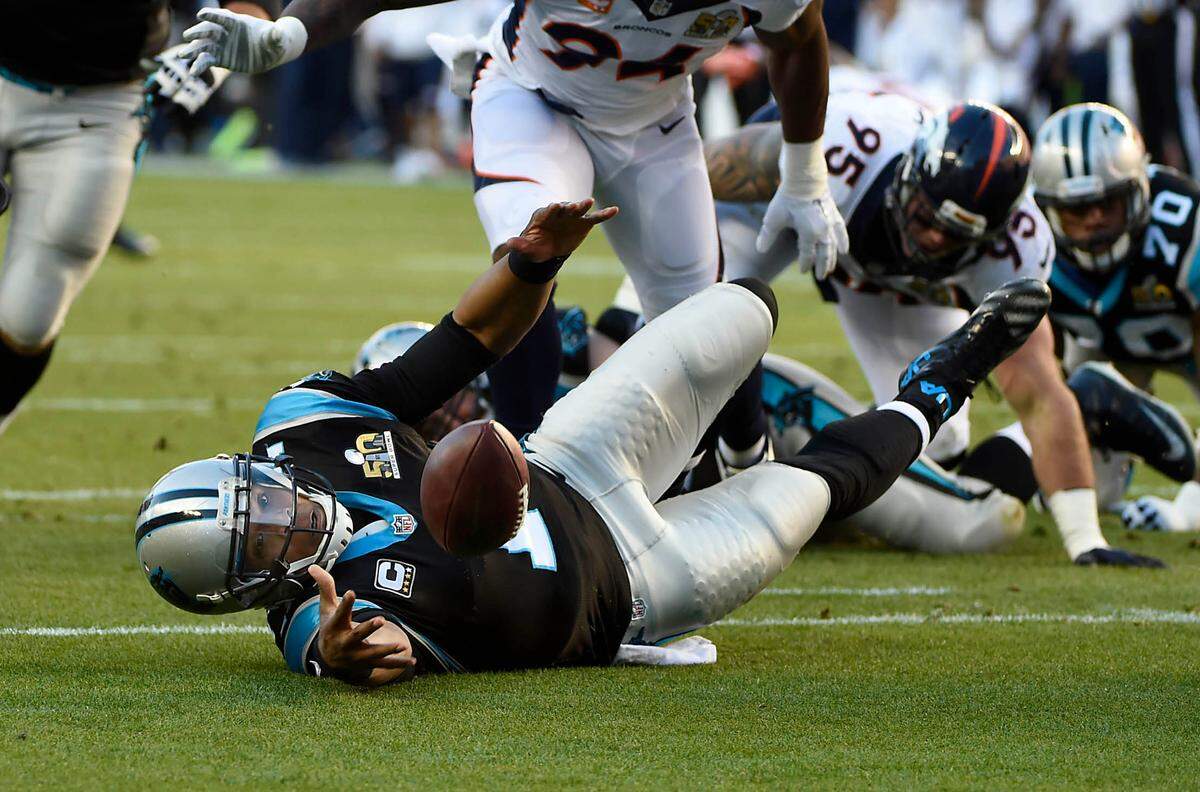
It’s a far more infamous image than the one of Cotchery trying to hang onto that catch: Newton taking a brief, two-step chase after the bouncing ball, then hitting the brakes as he made the snap decision not to jump on the fumble.
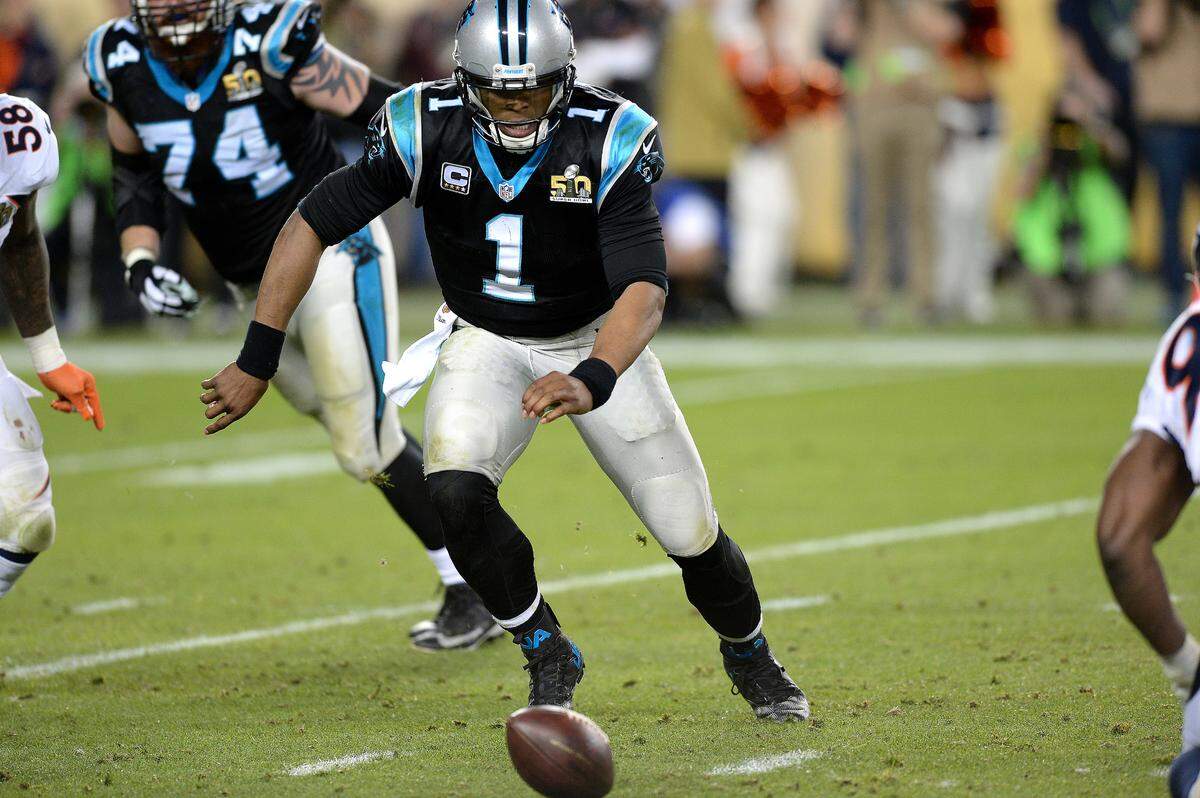
With just over four minutes left in a six-point game. In the Super Bowl.
Forget whether Newton would or wouldn’t have actually been able to recover the ball. To the outsiders looking in, it was more the idea that a guy who all season had played and acted like Superman — a guy who would risk serious injury by leaping up and over defenders to get into an end zone — would avoid going after a fumble in the biggest game of his life. One that the Panthers still had a shot at winning.
“Devin Funchess was wide-the-f--- open,” Newton said while talking about the first half of that fateful play during an episode of his “4th&1” podcast in February 2024, “and I was throwing it to him.”
As for what happened next, he admitted there “ain’t no excuse for me not jumping on the fumble. I should have jumped. I should have jumped on the fumble. Straight-up. … The competitor in me, if that happens again? Duh. … That was the Super Bowl. And I think that is what hurts the most is like, ‘Yo, you don’t get an opportunity to go back. It’s not promised for you to go back.’”
His teammates don’t blame him at all, though.
“I think there’s plenty of times,” says Panthers linebacker Luke Kuechly, “when you can look at plays during his career where he’s running the ball and he gets hit by six or seven guys and continues to fight, gets hit by five or six more guys … and leans forward and takes a couple more shots and gets a first down. Like, there’s 100 of those. So for people to think that it didn’t matter to him, I just — I don’t buy into that.”
Adds Davis: “You have a split second to make a decision that could ultimately affect or make a difference in the legacy of your career, and you just gotta make the right decision every single time. And people don’t understand how tough that can be. So I don’t look back and say, ‘Oh, it’s Cam’s fault.’”
It’s human nature, Carolina tight end Greg Olsen says, to find a scapegoat. Cotchery. Remmers. Rivera. Newton. Manning. The refs. But the bottom line, Olsen says, is that “we couldn’t have played worse in a season where we probably couldn’t have played better.”
Panthers’ loss yields numbing sadness
As time expired and the Denver Broncos celebrated a 24-10 Super Bowl victory that put a big, beautiful bow on what turned out to the last game of Manning’s career, Norman sat on top of the Panthers’ bench and broke down in tears.
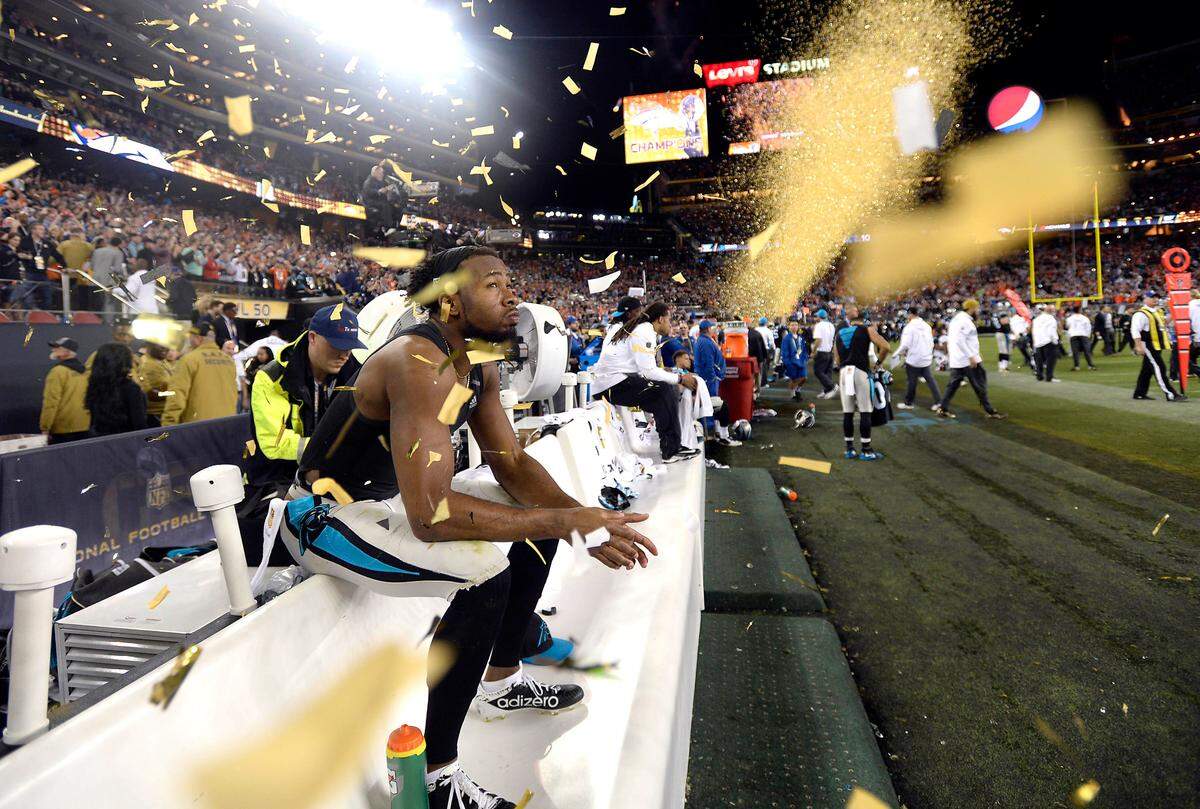
Davis — whose wife Kelly says always talked to her after games, win or lose — was too shaken up to say a single word to her.
Younger players on the team tried to create a bright side by saying things like, “Hey, don’t worry, we’ll be back”; but older players who were more familiar with the harsh realities of the NFL quietly shook their heads. This doesn’t happen every year, they thought to themselves. There’s no guarantee whatsoever that it’ll happen again. Most would never see another Super Bowl except on TV.
Then there was Newton.
“He was crushed,” Rivera says. “He was absolutely crushed. … I promise you, he feels like he let a lot of people down.”
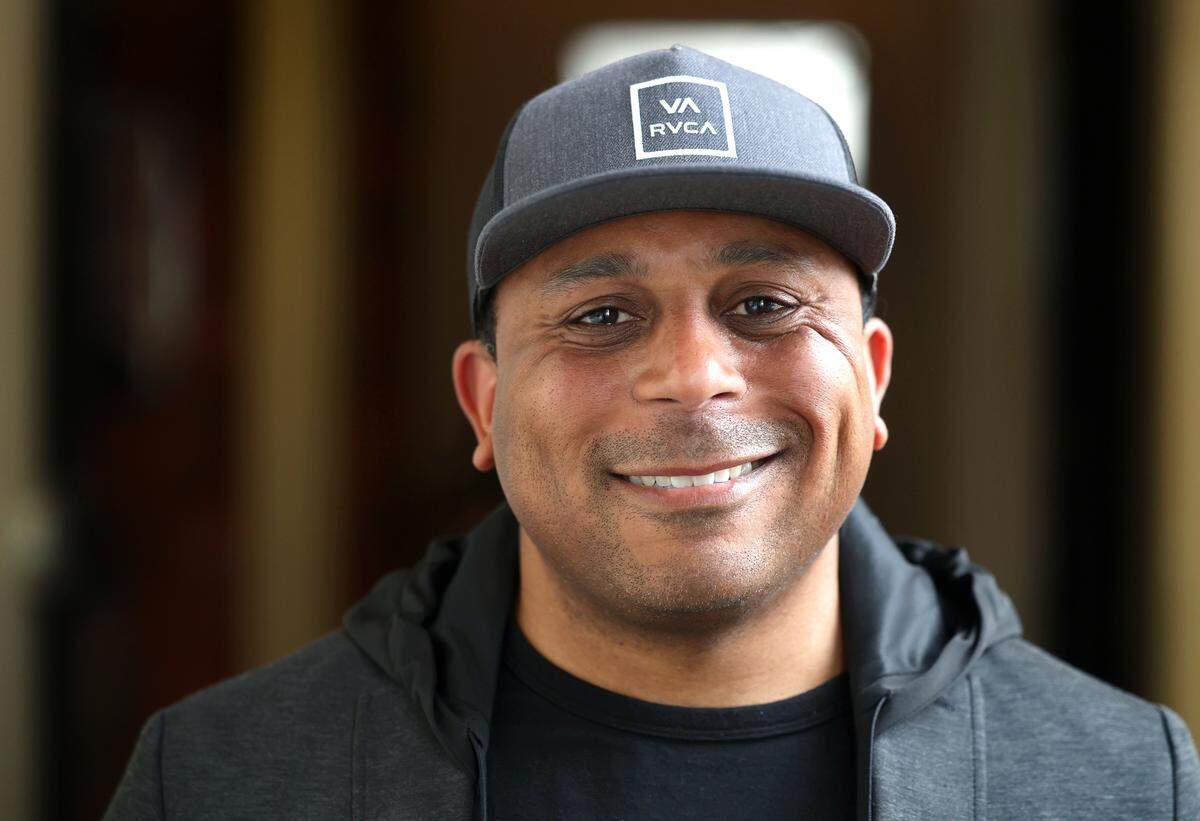
Drummond, the Panthers’ communications director, was seeing his worst-case scenario come true. The praying hadn’t worked. The Panthers had lost. Now he had to figure out how to get a sullen Newton to the podium to face a throng of reporters with a laundry list of tough questions.
“Right after Coach addressed the team,” Drummond says, “I saw Cam, and I said, ‘Cam, we can’t do what we normally do. We gotta hurry up.’”
That meant no sitting quietly at his locker for 20 to 30 minutes, no shower, no taking his time to collect himself while slowly getting dressed. But Newton still found a way to stall, behind the training room, Drummond says, where he sat moodily for just as long if not longer than he would have if he’d been told it was OK to hit the locker room and the shower first.
“Then it became, We just gotta get him to the podium,” Drummond says. “... And we’re late. People are annoyed ’cause we’re late. And back then, the way they had it, they just had a curtain separating the winning team from losing team. So the Denver guys are running their mouths on the other side of the podium. So that sent him into a further tailspin. So when we actually sit him down in front of the microphone, I’m just thinking to myself, Please, God, just let him say something. Just say a word. I don’t even care what you say, just please say something.
“And you guys saw what happened.”
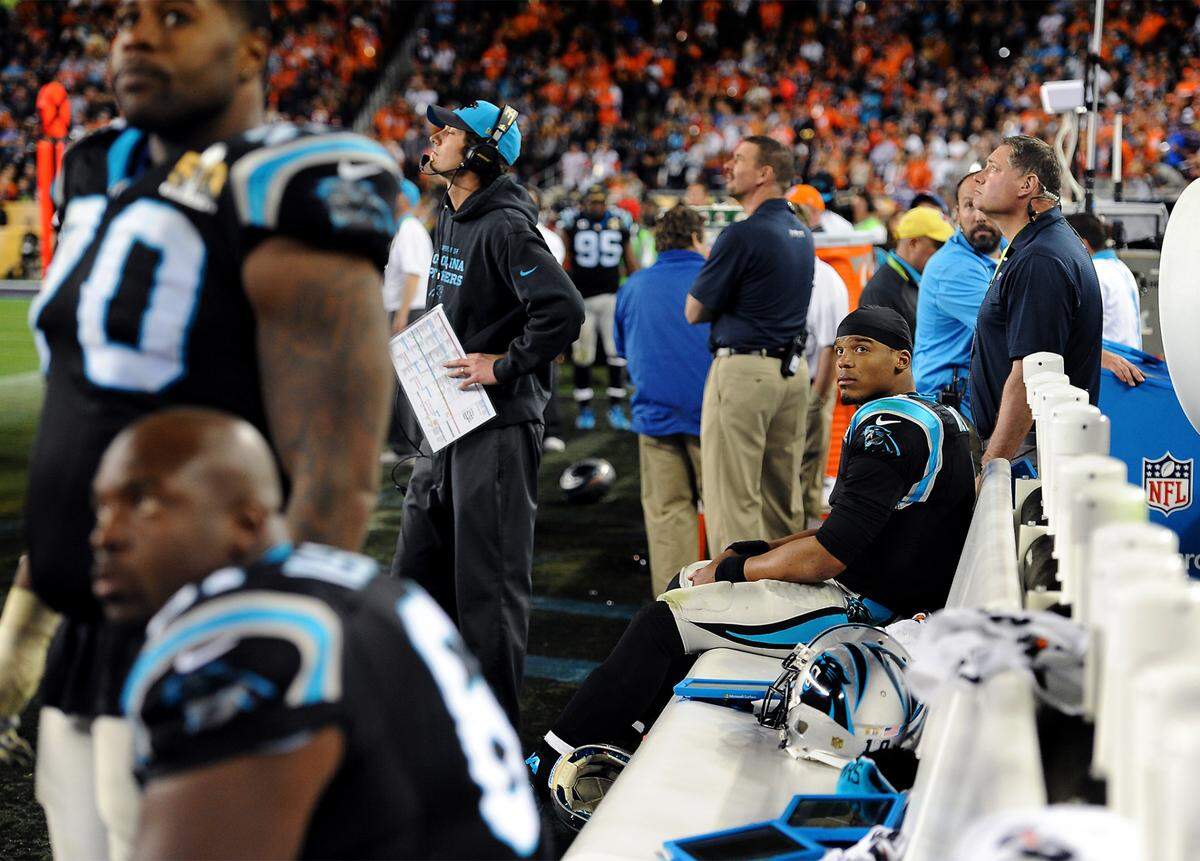
In post-SB50 interview, Cam clams up
Newton, clad in a black hoodie and his game-worn pants, sulkily answered 13 questions in 2 minutes and 29 seconds before he got up and abruptly left the podium. Of the quarterback’s 13 responses, 11 were three words or fewer.
Morgan Fogarty, the WCCB Charlotte news anchor, was in the interview room at the time.
“He was not giving anybody any good answers about anything,” she says. “And I asked him, ‘What do you want to say to your fans back at home?’ A softball. Say something, Cam. And he did not say anything encouraging or supportive or even ‘Thank you’ to the fans, and I was pretty disappointed in that moment, as (someone) there representing fans — like, You’ve had all this support and encouragement for the whole season, and it didn’t go our way, but, you know, talk to your fans.”
Yet ultimately, Drummond says he blames himself, not Newton.
“I should’ve just let him go through his normal routine, work it out the way we had all year long, instead of trying to change things because of outside pressure.”
Then he also says something that underscores how easy it is to forget how much sports — in this case, football, and specifically, success at the NFL level — can matter to those playing the game.
“Everybody was saying, ‘Be professional. ... Accept losing,’” Drummond says. “But people also don’t realize what someone like Cam had put into just getting to that moment.”
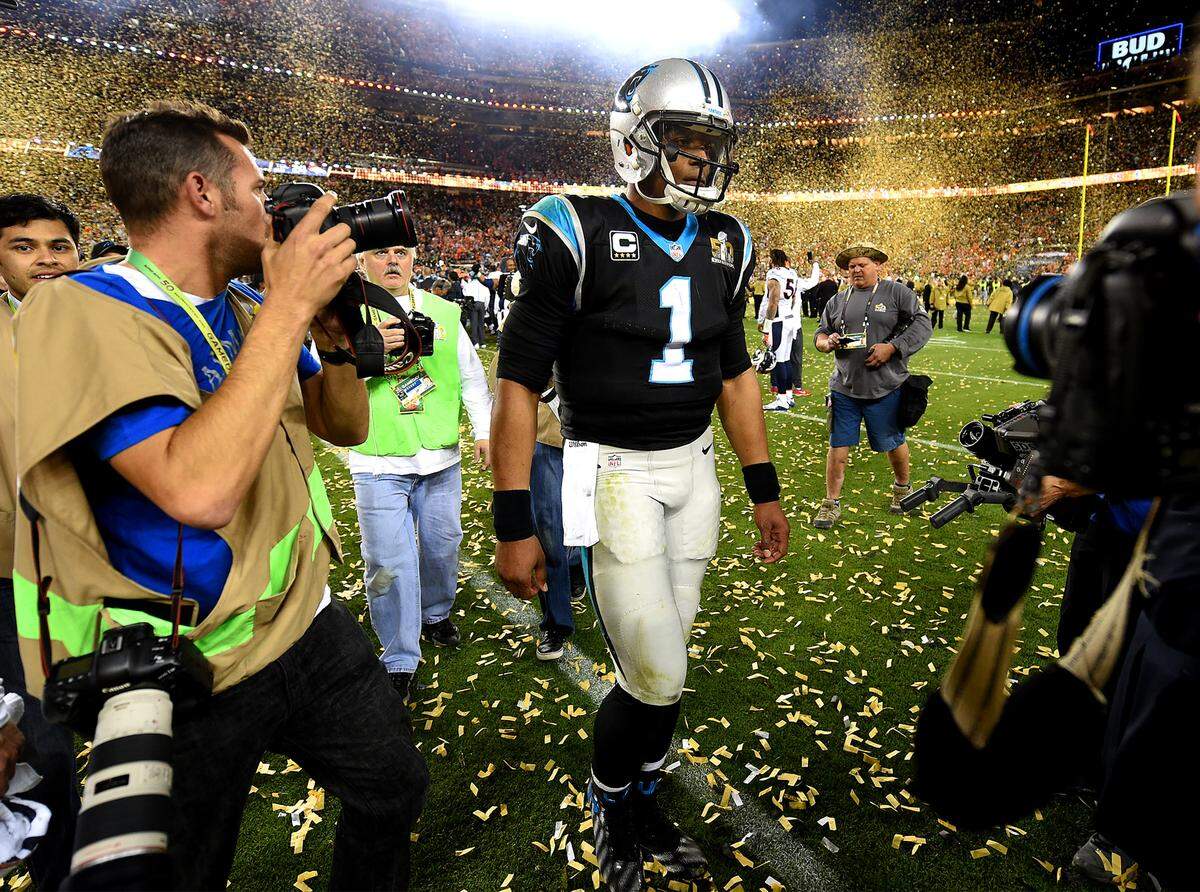
Achieving pro superstardom despite being counted out multiple times over the course of his college career, beginning with his transfer from the University of Florida in disgrace over his involvement in a stolen-laptop scandal. Despite being relentlessly criticized for dancing, and dabbing, and just generally not acting like Manning, or Tom Brady or Drew Brees. Then leading the Panthers to a franchise-best 15-1 regular-season record, winning the NFL MVP award, and getting them within 60 minutes of winning the Lombardi Trophy.
“Then people want you to ‘act professional,’” Drummond continues, “and ‘lose with grace.’ And I get all those things. I really do. But I do totally understand his side of it, too.”
Did Newton make mistakes in the Super Bowl? Sure.
But “one thing I know for certain,” Thomas Davis says: “Had we not had Cam, we’d never be in that position anyway.”
‘You brought the Carolinas together’
And once the crushing disappointment wore off, the team found its way to an appreciation for all that came before it.
“I think a lot of times when you’re working and you’re doing something that you’re getting paid for,” Davis says, “you lose sight of the ability to have fun doing it. But we had so much fun as a football team that year that it just never, ever felt like work. It just felt like every single day, you got to live out a dream.”
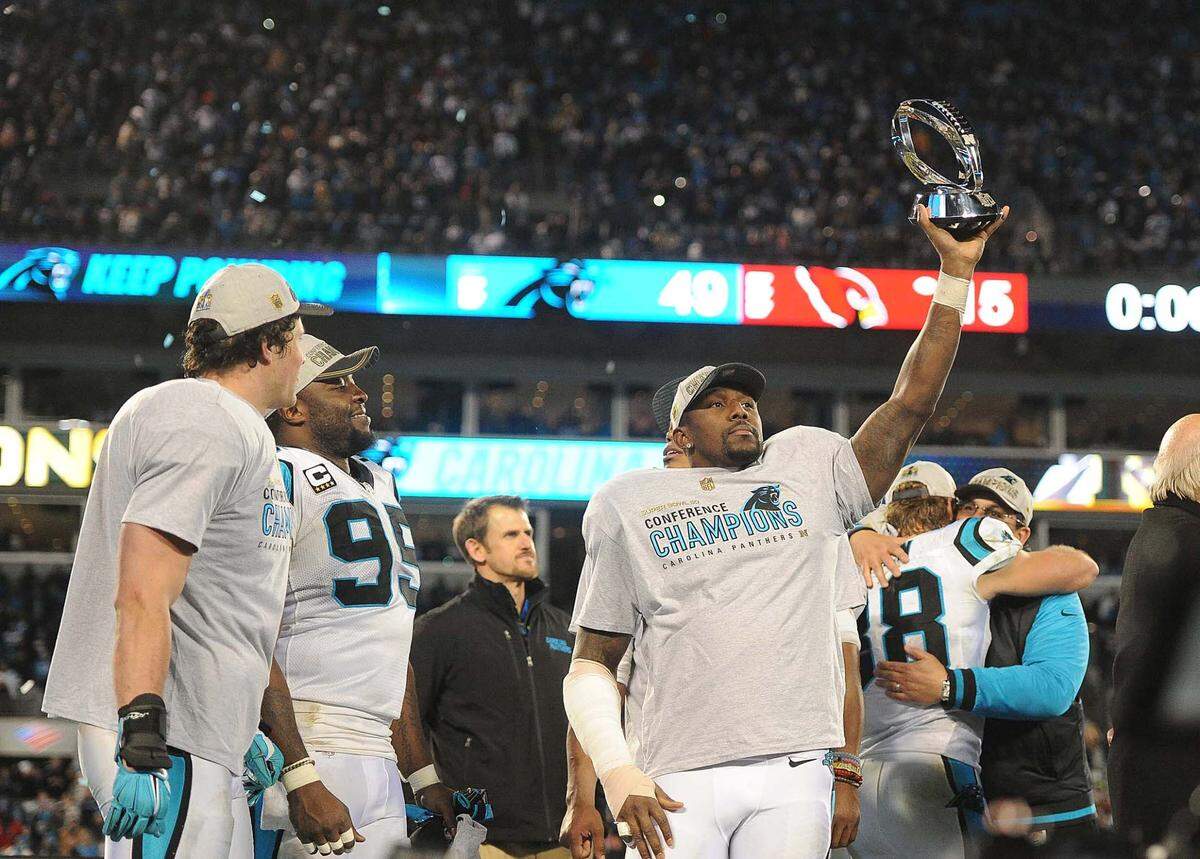
Meanwhile, for a city like Charlotte, the Panthers’ runaway success in the regular season and the playoffs united the populace in a way that doesn’t happen every day, every year, every decade, or even every lifetime.
That’s why Rivera, for one, initially felt extra-awful after losing the Super Bowl.
“God, we let a lot of people down,” he says. “You know?”
But the coach recalls going to a Duke men’s basketball game after the loss, and a conversation with Mike Krzyzewski in which the legendary Blue Devils coach told him: “You brought the Carolinas together.” Just as powerfully, he remembers interaction after interaction with fans in the aftermath, him saying “Ahhh, I wish we could have won for you,” them saying, “That’s OK, Coach. That year, I’ll never forget it.”
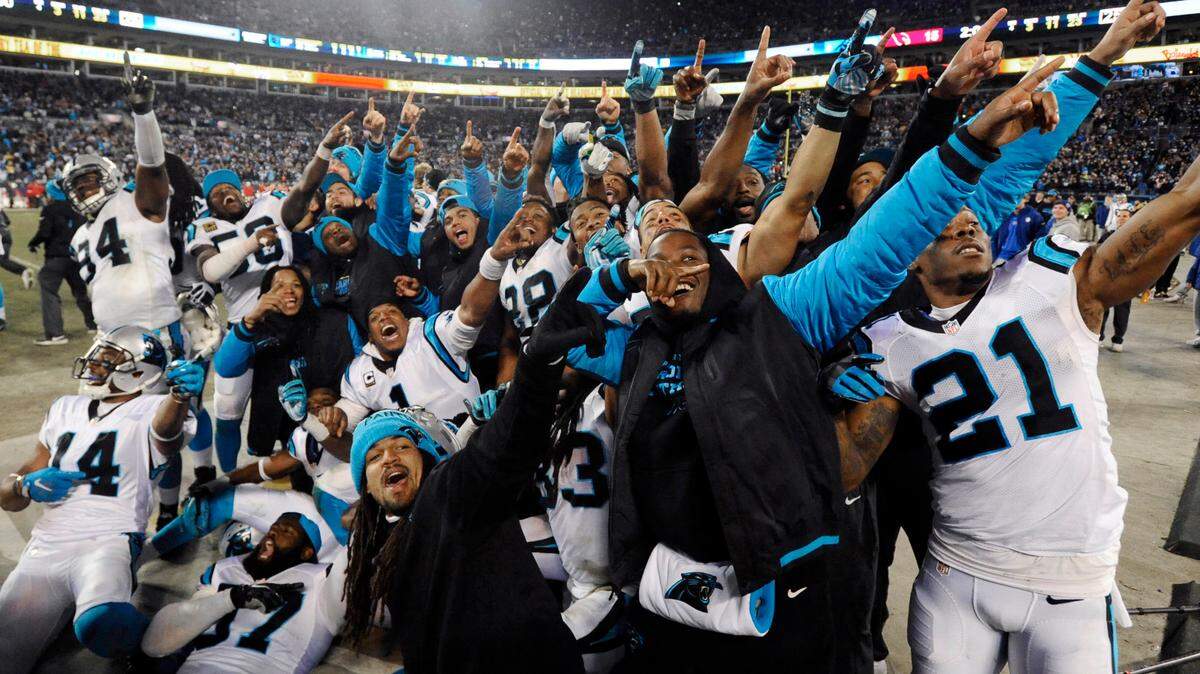
It was a bandwagon carrying hundreds of thousands of people, and no one wanted to get off.
Not only that, but pretty much anyone who took the ride with the Panthers that season would say it was absolutely, positively worthwhile — despite the way the Super Bowl turned out.
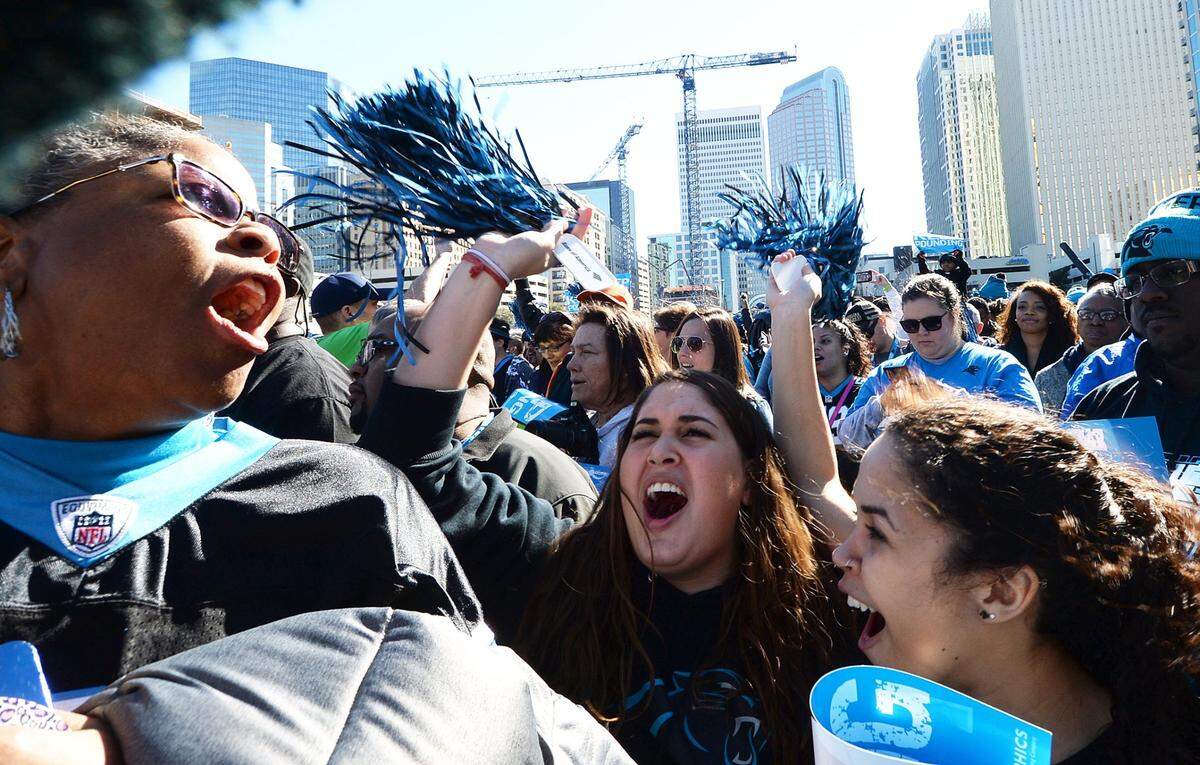
Three hours of heartache can’t erase six months of unbridled passion and unmitigated joy.
Six months of Panthers flags whipping in the wind from their perches on SUVs rumbling up and down I-77. Six months of seeing more blue, black and silver jerseys in supermarkets on Sundays than church clothes. Six months of PSL owners who couldn’t make it to every game suddenly finding themselves with family members, friends and co-workers being nicer to them than ever before. Of at least one person doing the dab every time someone pointed a cellphone camera at a group of Panthers fans. Of rallying around an ebullient 6-year-old boy with cancer named Braylon Beam. Of tailgate parties packed tighter than South End bars on a Saturday night.
Cam, Luke, Thomas Davis, Jonathan Stewart, Greg Olsen, Josh Norman — or whoever else might have been your favorite player on that team — they weren’t just household names here. They weren’t just extraordinary football players. They weren’t just special human beings who bonded uniquely while actively trying to lift up the less-fortunate in their city.
They were superheroes.
And save for a handful of hours over the course of the Panthers’ historic 2015 season, everyone rooting for them felt invincible, too.
.jpg "P11111ANTHERS_CARDINALS_168 (1).jpg")
This story was originally published July 17, 2025 at 5:00 AM.