What defined the decade for the Carolina Panthers? These 10 transactions, to start
READ MORE
Saints at Panthers
Expanded coverage of Carolina’s Week 17 loss to New Orleans
Expand All
Welcome to the end of the 2010s, Carolina Panthers fans. This decade felt a whole lot better a few years ago, didn’t it?
This is the first of a two-part series defining the past decade for the Panthers. The second part: 10 days that made Panthers history over the past 10 years.
For this first story, though, I will concentrate on transactions: Players coming and players going, through drafts, trades, free agency or otherwise. This list isn’t a “greatest hits” list, although there are some of those — it’s a mixture of the best and worst moves of the decade.
In order of importance, here are the Panthers’ 10 most significant player moves of the 2010s:
10. Drafting Kelvin Benjamin (2014). In 2014, the Panthers needed another weapon for Cam Newton and were picking No. 28 in a draft that was deep at wide receiver. Davante Adams, Jarvis Landry and Allen Robinson were all available at No. 28, and all would eventually make the Pro Bowl for other teams.
But Carolina took Benjamin — a big, slow receiver from Florida State. Benjamin did post a single 1,000-yard season as an NFL rookie, but it was telling that the Panthers’ Super Bowl season of 2015 came when Benjamin missed the entire year due to injury. The Panthers were able to eventually pawn Benjamin off to Buffalo in 2017 for two draft picks, so this wasn’t a total loss, but Carolina has had to repeatedly try to address the position over the past decade due in part to this misfire.
9. Trading Jon Beason (2013). It’s easy to forget now, since Luke Kuechly made the Pro Bowl for seven years in a row and Thomas Davis became a medical miracle, but Jon Beason was once the dominant force for Carolina at linebacker. Beason made the Pro Bowl three times for 2007-10 for the Panthers. But then-Panthers general manager Dave Gettleman never was one for nostalgia, and he traded Beason (who by then couldn’t stay healthy) away for a seventh-round pick in 2013 to the New York Giants.
The Panthers didn’t miss a beat with Beason gone, since Kuechly was fully in his prime. But the move was symbolic for Gettleman, a clever GM with a harsh bedside manner. Gettleman eventually also sent Steve Smith, DeAngelo Williams and Josh Norman packing. And Gettleman himself would later be sent off in a similarly brusque fashion just before the 2017 training camp by owner Jerry Richardson (Marty Hurney served as the team’s GM both before and then after Gettleman’s tenure).
.JPG "PANTHERS_BROWNS_32 (1).JPG")
8. Re-hiring Julius Peppers (2017). The most successful pass rusher in Panthers history was Julius Peppers, who spent the first eight years of his career at Carolina from 2002-09 before deciding to try something new — first in Chicago, then in Green Bay.
But Peppers wanted to come back home to North Carolina in 2017, at age 37, and he made the move work by posting an 11-sack season for the a Panthers team that made the playoffs. He stuck around one more year after that as a player and now has a front-office role with the team.
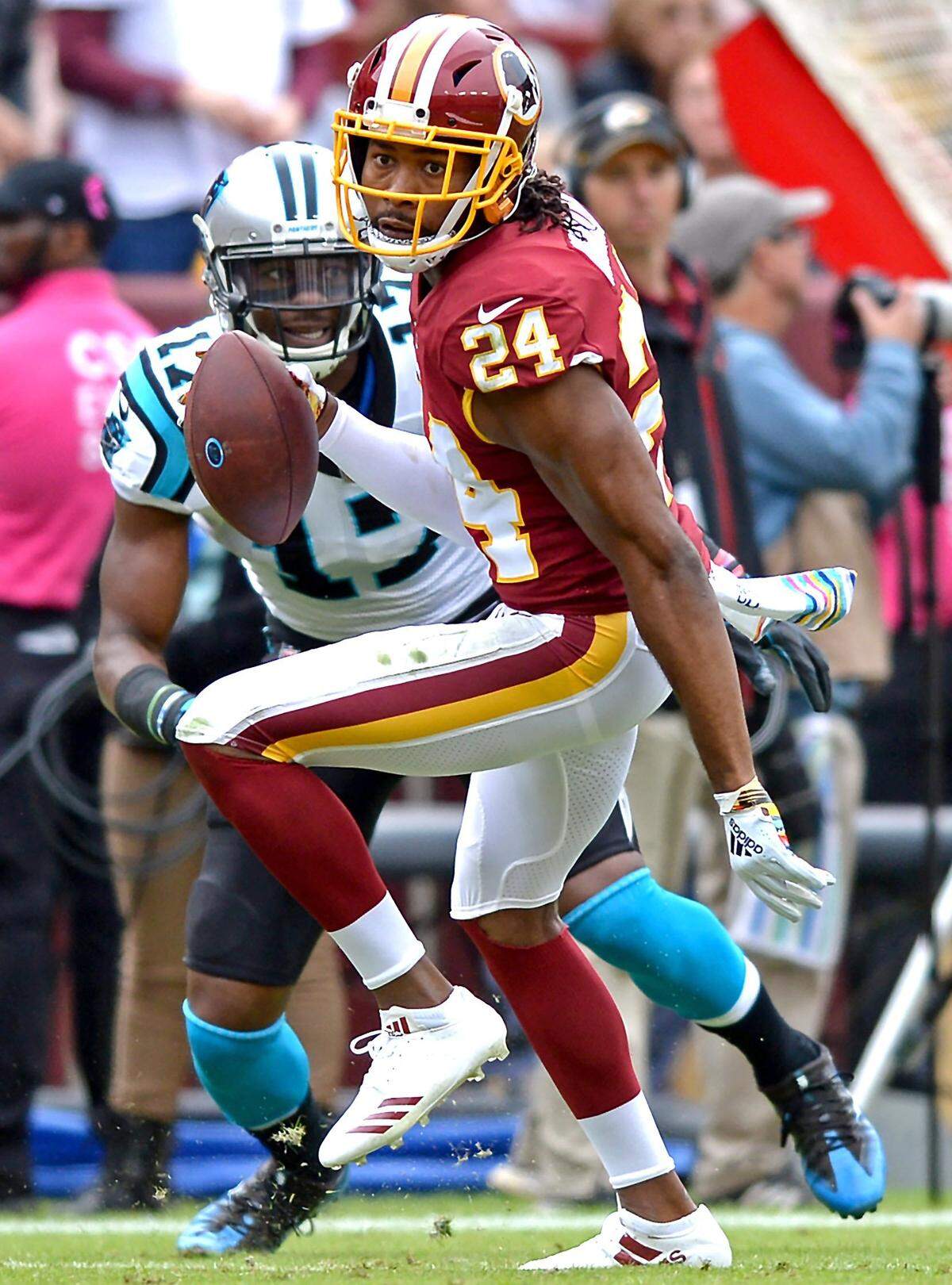
7. Letting Josh Norman walk (2016). Norman was the best cornerback in the NFL and the most-sought cornerback in free agency following the Panthers’ 2015 Super Bowl season. The Panthers placed a franchise tag on Norman but then Gettleman rescinded it, deciding a one-year rental of Norman for $13.95 million wasn’t worth the price.
Norman quickly signed a five-year, $75-million deal with Washington, but his career there has been uneven (to put it kindly). It’s safe to say both the Panthers and Norman missed each other once they got their divorce, and this messy parting was another one of the reasons Gettleman was ultimately ousted.
6. Extending Cam and Luke (2015). Before the 2015 season began, Gettleman locked quarterback Cam Newton and middle linebacker Luke Kuechly into long-term contract extensions.
The deals ensured that the anchor of the team’s offense and defense would remain in place longer than Gettleman did, ultimately — Newton’s contract runs out after the 2020 season, and Kuechly’s following the 2021 season. Gettleman told me once he did it that way on purpose, figuring it would be difficult for the front office to deal with having both extensions run out in the same season.
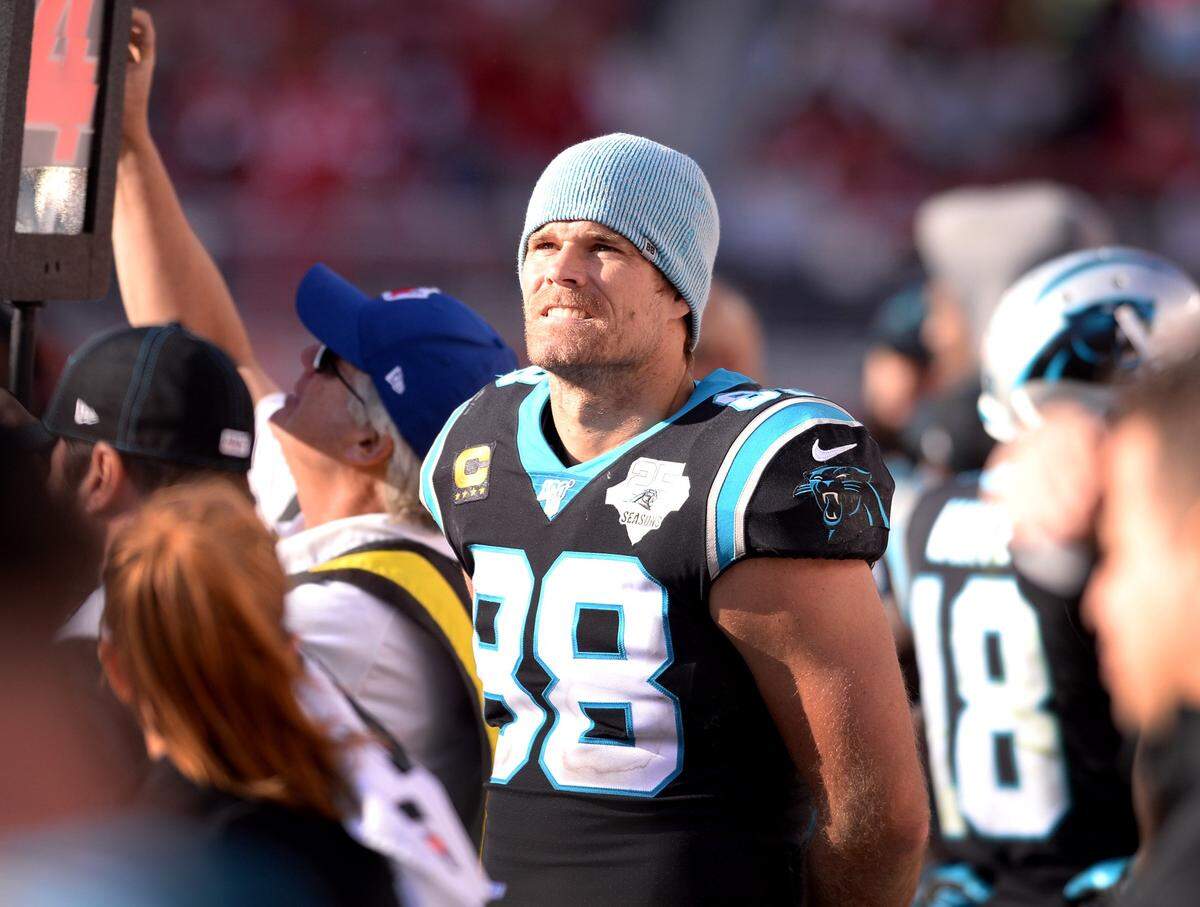
5. Trading for Greg Olsen (2011). In what turned out to be the best trade in Panthers history, Hurney dealt a third-round pick to the Chicago Bears before the 2011 season began in return for tight end Greg Olsen. At the time, the Bears had an offensive coordinator named Mike Martz who didn’t like to use the tight end as a pass-catcher at all.
Olsen ended up breaking nearly all of Wesley Walls’ records with the Panthers, posting three consecutive 1,000-yard seasons and making himself a shoo-in for the team’s Hall of Honor one day while also making a massive contribution to the community through his charity work.
4. Firing Steve Smith (2014). In one of the most contentious moves in Panthers history, Gettleman released Smith after the 2013 season, the wide receiver’s 13th with Carolina. The unspoken message seemed to be that it would never fully be Cam Newton’s locker room unless Smith — like Newton a charismatic, alpha type — exited the room. I disagreed with the move then and still do now — on the 2014 Panthers in particular, Smith would have made a big difference in firepower, and he and Newton knew that each was valuable to the other.
Smith remained a productive player for three more seasons with Baltimore — he had 139 yards and two touchdowns against Carolina in a 2014 game — and the grudge he held against Gettleman has gone on for years. Fences have been mended with the Panthers since Gettleman’s firing, however, and Smith was inducted into the team’s Hall of Honor in October.
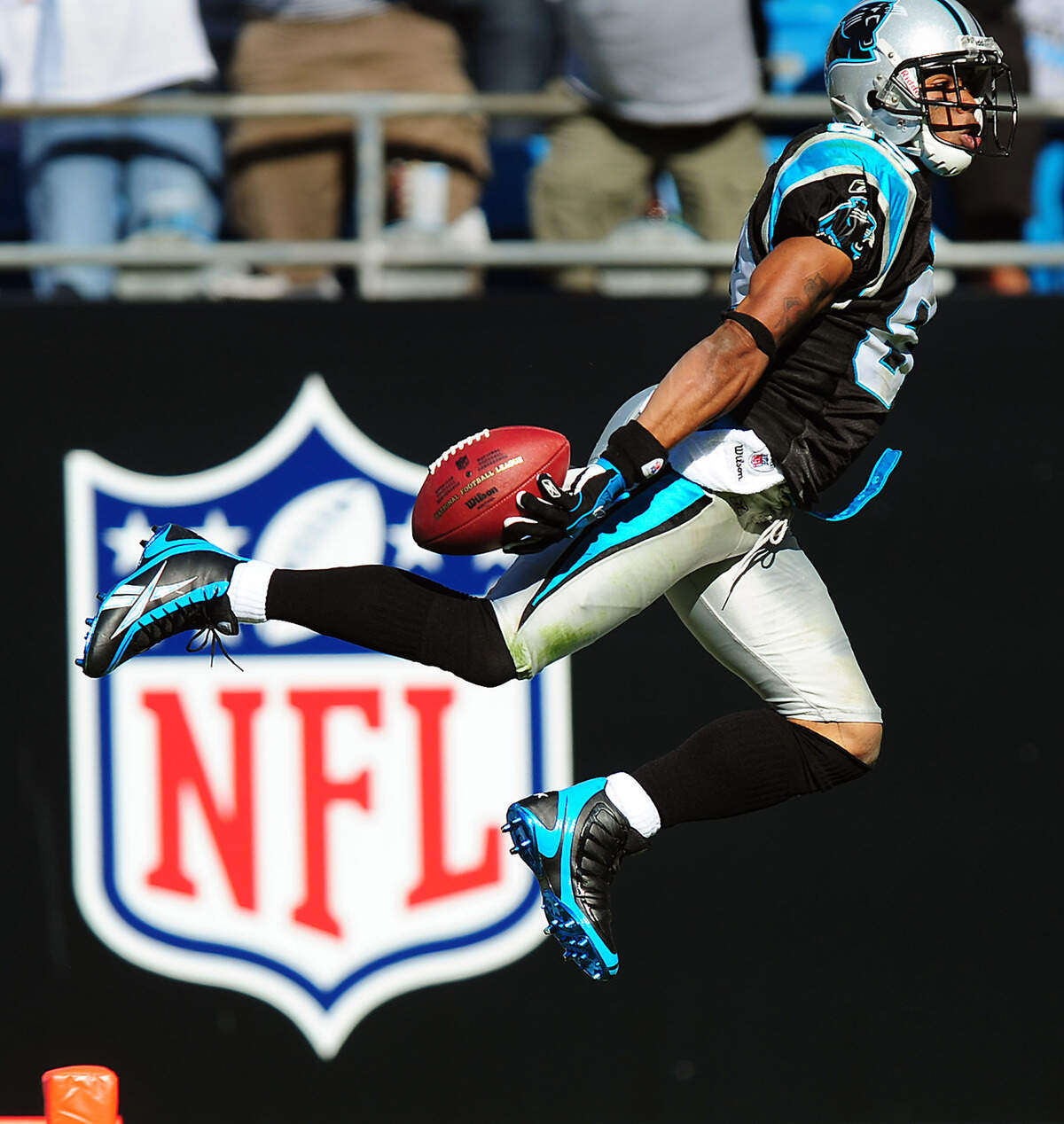
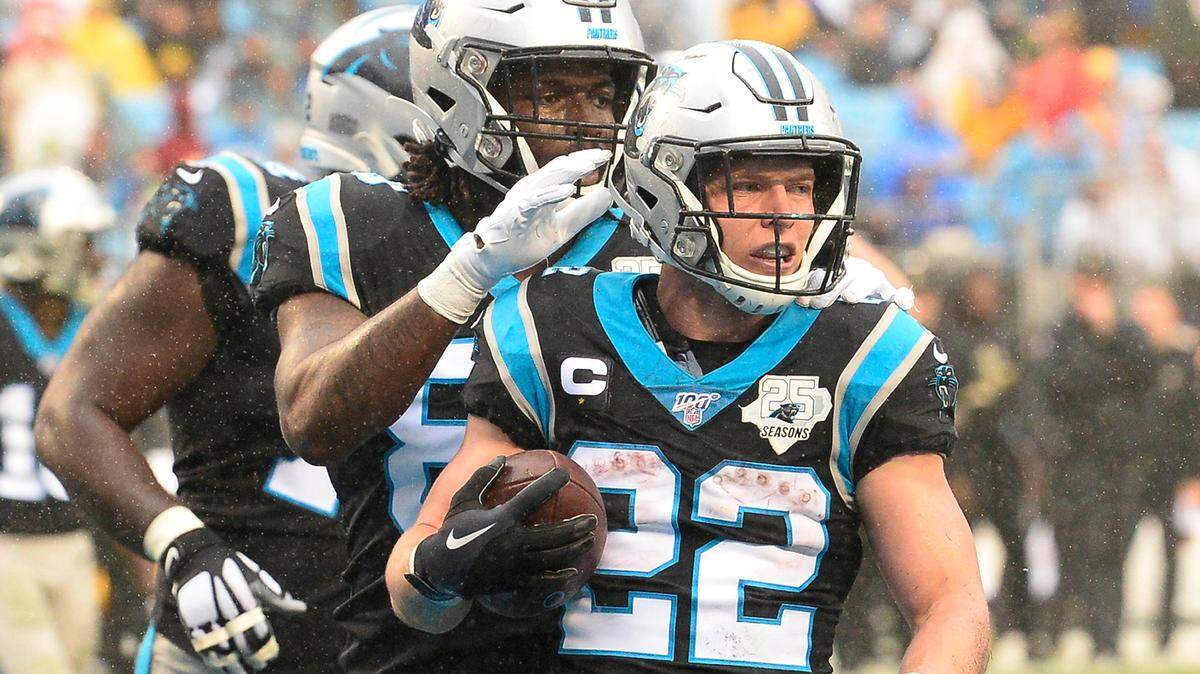
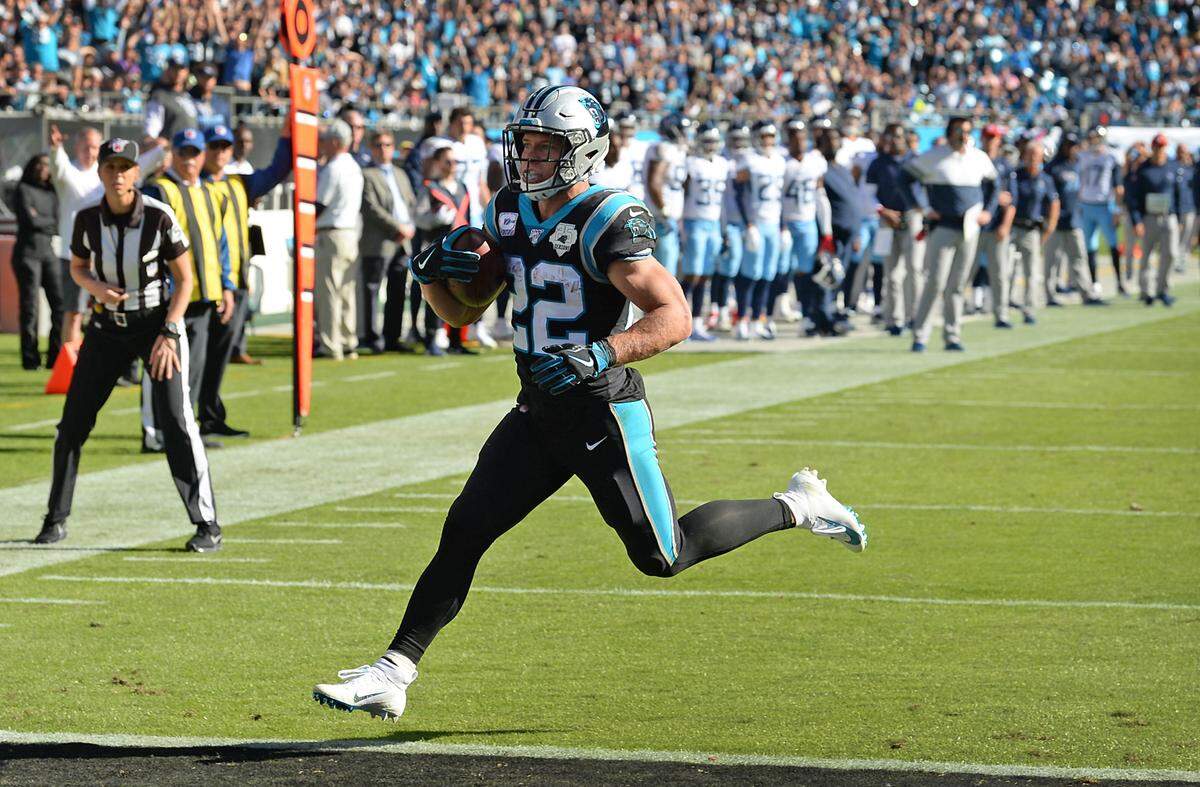
3. Drafting Christian McCaffrey (2017). Gettleman’s final first-round pick with the Panthers netted the team its most dynamic running back ever. McCaffrey’s emergence as the team’s go-to threat has been fully realized in 2019, as he has had one of the best individual seasons in NFL history at the position. A contract extension is undoubtedly forthcoming for “Run CMC,” who likely will be a defining player for the 2020s, too, since he’s only 23.
2. Drafting Luke Kuechly (2012). The Panthers got an idea about what Kuechly was like when he skipped the all-expenses-paid trip to New York and the NFL draft and instead spent draft week with his friends in Ohio, playing Wiffle Ball and hanging out.
On his first full day as a Panther, Kuechly spoke so fluently about football that I wrote about that press conference at the time: “I was occasionally reminded of the way the late Sam Mills used to talk about football — with a glint in his eye and an obvious mastery of the chess-piece aspect of the game.”
It would have sounded like a traitorous thing to say at the time, but Kuechly would end up to be an even better player than Mills.
1. Drafting Cam Newton (2011). The Panthers were defined by Newton more than any other player in this decade. Drafting the quarterback in 2011, a few months after he won the Heisman Trophy at Auburn, in retrospect seems like a slam dunk. In fact, it was a difficult decision at the time (Von Miller, J.J. Watt, Julio Jones and A.J. Green were all selected among the top dozen picks).
Newton had attended three colleges and had left the first (the University of Florida) after an arrest involving a stolen laptop (charges were later dropped). But Hurney and Panthers coach Ron Rivera fell in love with Newton’s potential and decided to take him. The Panthers have never been the same.
This story was originally published December 27, 2019 at 11:55 AM.