So close but so far: The challenges of being alone and being with others during COVID
When it comes to closeness, the COVID-19 pandemic has been an exercise in contradiction. We’ve experienced the toll of both isolation and intimacy. We’ve reckoned with the pain of loneliness and of conflict with others. We’ve never felt closer to some people – and further from others.
We’ve learned that being alone is hard, but so is being with someone else. We’ve been quarantining and isolating with spouses, roommates, children and others for the past year. And we feel like we’ve lost a little bit of ourselves along the way.
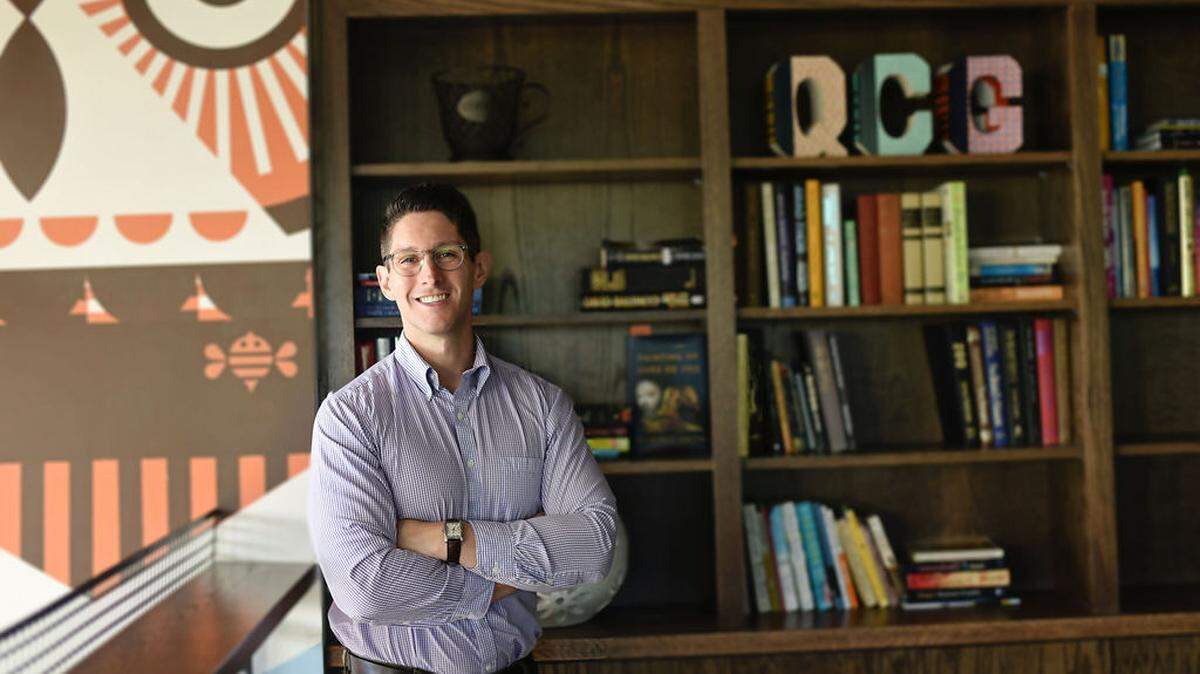
“I tell my clients this: If you’re an extrovert, you’re in trouble,” said Ryan Wishart, a psychotherapist with a Charlotte-based private practice. “There’s no way to get what you need. And if you’re an introvert, you’re in trouble. If you’re living with someone, you don’t have the space you need. It doesn’t matter who you are or what your personality is. You’re in trouble. You’re not going to get your needs met.”
As part of a series of articles about how the pandemic has affected romance, friendship and other relationships in Charlotte, we explore how COVID-19 has thrown into sharp relief the challenges of both isolation and close proximity – and what we can do to come out of it intact.
‘People’s true colors are coming out’: When being close is too close for comfort
Having a co-captain was a blessing for many people in the, dare we say, “rosy” beginning of the pandemic, when few of us understood the gravity of the situation. Having someone by your side was a welcome relief, whether it was a roommate to try the latest Tik-Tok food trend or brave the supermarket aisles with, a partner to help wrangle the kids, or a family member to share a cup of turmeric tea with.
But months dragged on. Zoom calls maddeningly multiplied. Tempers shortened. The political system flailed; opinions about it clashed. George Floyd’s death sparked widespread protests. An election nearly brought the country to its knees.
“Everyone’s maxed out,” Wishart said. “No one is functioning at peak capacity. No one. When we add all [of these issues] plus differing viewpoints and individual risk tolerance – that can be really combustible.”
Put simply, our brains were literally not prepared for this. And we don’t know how to handle that.
“What’s happened is people’s true colors are coming out,” said Charlotte-based therapist Veronda Bellamy. “People are seeing each other in a much more intense way. ... It’s all become a little too real.”
(1).png "Blue with Greyscale Photo Greeting Engagement Facebook Post(2)(1).png")
“Within close quarters, you’re seeing new dynamics and you’re seeing the other person in new ways,” Bellamy said. “And no one has the coping skills to manage it.”
Wishart said one of the most common complaints he’s heard from couples is a lack of connection.
“If you’re in a relationship, all the things you had before – the rhythm you had: I wake up, I work out, I commute to work – that has been totally disrupted,” Wishart said. “You have kids at home all day. You have online learning. You have jobs. You’re exhausted. There’s financial stress. … A lot of people go back to, ‘We’re missing each other.’
“Everyone’s anxious,” Wishart continued. “Everyone’s probably mildly depressed. It’s just too much. … What does reconnection look like when you have kids at home, when you’re stressed? What is reconnection like when we’re all maxed out?”
The corrosive nature of isolation
And while we’ve all had imperfect interactions with others over the past year, we still need them. Our brain and our tendency to socialize are quite literally intertwined. Basically, extreme isolation is (unsurprisingly) bad for us. Simply, we need to interact with other people.
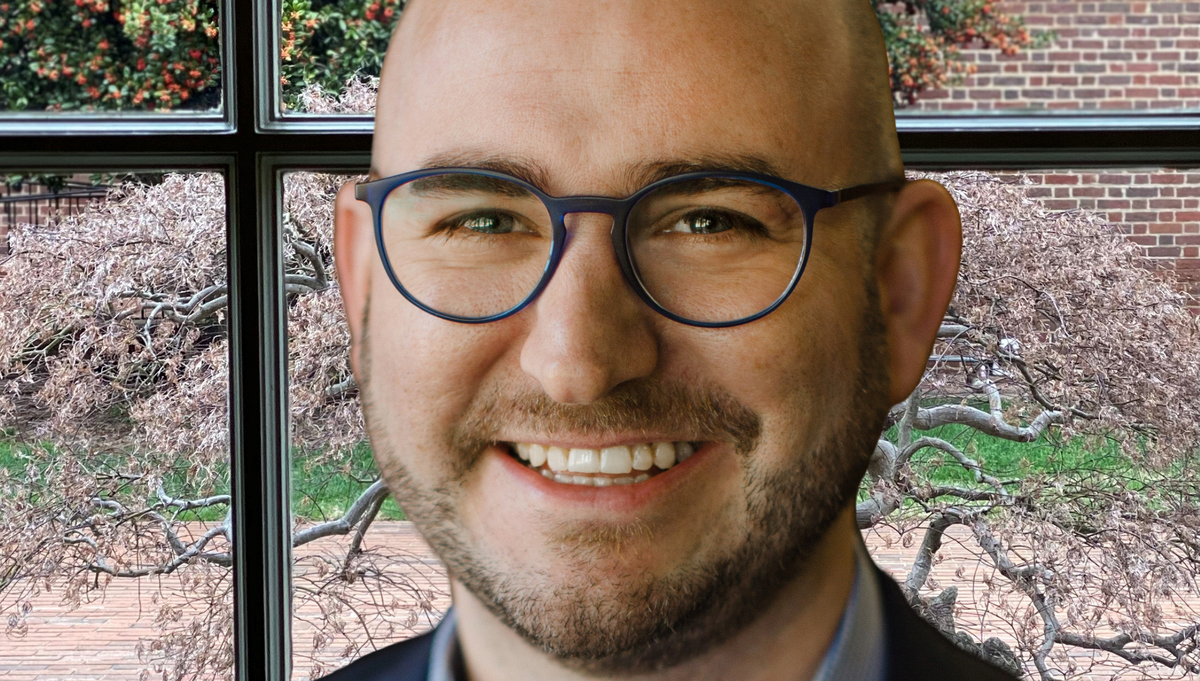
“There’s something almost mysteriously intangible being with someone,” said Rev. Benjamin Boswell, Myers Park Baptist Church’s senior minister. “But now you can’t see someone. You can’t feel them. … We’ve had to live with 50 percent of our capacity.”
And for those living alone, the pang of loneliness tugs particularly hard.
“I definitely feel the change (in socializing) as a single person living alone,” said Christina Birckhead, a Charlotte-based clinical nurse consultant. “We’re human, we have to have connection. ... I know I need to take precautions, but I also need to have some sort of connection.
“I always say this, it’s a constant struggle of being safe and staying sane.”
The silver living is that individuals are leading the charge in productive socializing. Amy Kunz, a licensed marriage and family therapist whose practice is based in Charlotte, said what’s notable about her individual clients, as opposed to families and couples, is how they’re making a concerted effort to have safe, quality time with other people.
“They’re doing a much better job at pursuing quality time,” Kunz said. “Whereas with families and couples with kids, it’s harder. They’re not able to create that quality time. … With individuals, since you have to pursue it, you are more intentional about it.”
The bright side: Therapy is easier to access than ever
The pandemic has tested all relationships. Now, even the smallest disagreement with an acquaintance – over COVID-19 protocols, over politics, over anything – can send anyone into a stubborn funk.
It can all feel like too much. And when it feels like that, the mental health experts we spoke to all unanimously suggested one solution: Therapy.
One of the bright sides to the past year has been a dramatic increase in demand for and availability of mental health services, a promising dual growth witnessed by all of the mental health experts we spoke with.
“There’s fewer pain points to get to therapy now,” Wishart said. “It’s just easier for people now. … Therapy is a unique experience if you find the right fit. That is a touchpoint during isolation.”
The rapid increase in telehealth since the onset of the pandemic has reduced barriers to care, and the shared experience of emotional distress over the past year could arguably help destigmatize mental illness.
“I genuinely hope that stigma [surrounding mental health care] is constantly reducing,” Kunz said. “I would say that more people are struggling with things like depression and anxiety than they are in the past. I think access to different tools has gotten better for a lot of people now.”
Yet while therapy has become increasingly accessible, the reality is that many people still don’t have mental health care. If you can’t access or perhaps are not ready for therapy, here are some practical strategies to manage your mental health.
“If you work at home, have a beginning and an end, and when it ends, be able to walk away,” Kunz said. “Have at least two hours where you reconnect with your family or take some time off.”
“Read a good book,” Bellamy said. “Another thing to do is go for a walk; get up, go outside for at least 15 minutes. Create healthier routines for yourself. … It’s really about creating and defining and finding coping skills.”
“Whenever you’re going to that place — I don’t want to get up, I don’t want to shower, I don’t want to work — stop for a second,” Bellamy said. “Notice what’s going on in your body. When you’re feeling off, there’s something going on in your body. When your mind isn’t right, it affects everything else. Ask yourself, ‘Does this really serve me positively? Is this really productive?’”
‘It’s undefeatable’
The pandemic has tested every aspect of life, relationships in particular. We’ve gotten into arguments. We’ve had disagreements. We might have stopped talking to some people — but we also might have started talking to new people. In the end, humans are remarkably resilient.
“We needed a reset [with] our personal lives,” Birckhead said. “I feel like all this craziness came out this year because it couldn’t be ignored. Now, we have to think about all of these important things.”
“There’s a resiliency to the human spirit,” Boswell said. “It’s undefeatable. We can survive these really, really difficult circumstances. … We’re going to be resilient and make it through. And not only that – we’ve been talking about not only surviving but thriving.”
Read more
Should you just give up dating for a year — or more? On finding love during COVID.
Coming tomorrow: Lost in the crowd: When a pandemic takes away the friends we didn’t know we had.
This story was originally published February 23, 2021 at 10:12 AM.