
How to quit drinking in Charlotte — or change your relationship with alcohol — in 2023

READ MORE
So, are we doing New Year’s resolutions in 2023 — or what?
Many people set a resolution each January, but not everyone. In fact, last year, the New York Times reported that many people (namely, Gen Z and millennials) were abandoning the annual tradition.
Expand All

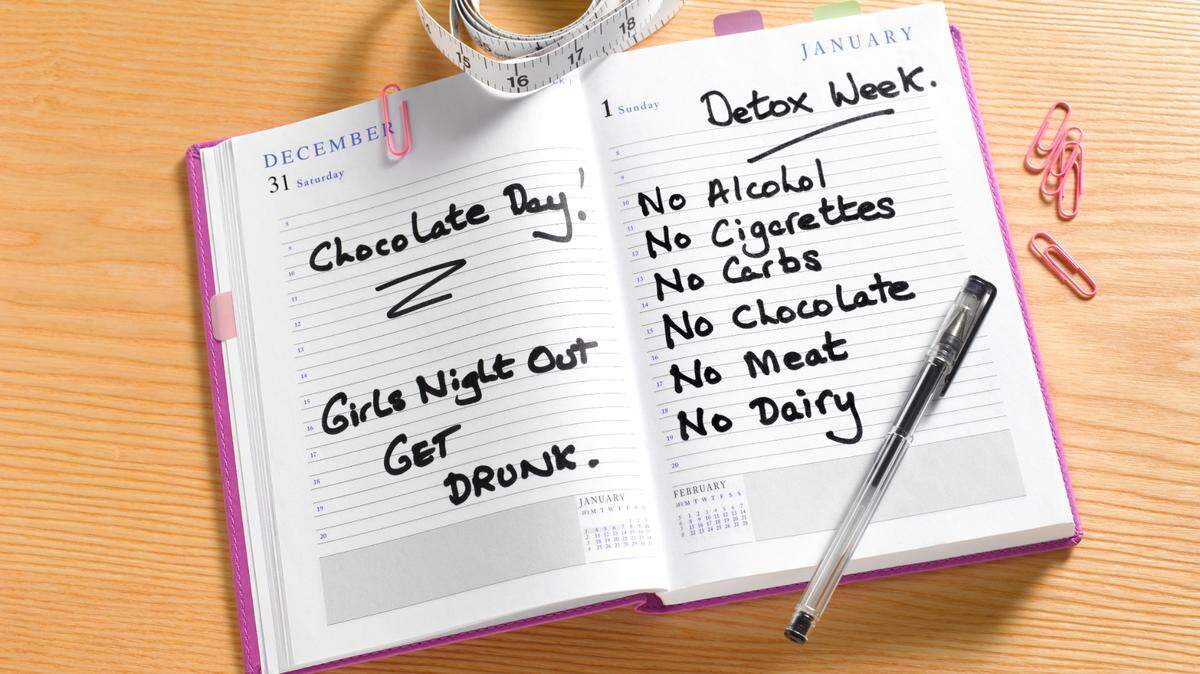

Each year, millions of people participate in Dry January, or 31 days of abstaining from alcohol, and that includes many in Charlotte.
WHY DRY JANUARY? There are plenty of reasons people choose to take a break from booze or quit drinking altogether, not just in January but any time of year:
Needing a break after a boozy holiday season.
Health benefits to removing alcohol, including:
better sleep
clearer skin
potential weight loss
lower blood pressure.
[RELATED: So, are we doing New Year’s resolutions in 2023 — or what?]
WHEN IT FAILS: Many approach Dry January or an alcohol-free life like they would a restrictive diet, seeing it as a punishment for overindulgence. This restrictive approach is unsustainable because it comes from a place of deprivation rather than empowerment.
If you’re interested in taking a break from booze, here are some tips to help you stick to your commitment:
Commit to the decision – If alcohol is a big part of your lifestyle, it may feel challenging to imagine life without it. However, if you start each day with a commitment to yourself that you won’t drink that day, you’ll make it easier on yourself later should temptation arise. Commit to your decision by telling a friend, posting on social media or just writing it down as a promise to yourself.
Don’t go it alone – It can feel isolating to be a non-drinker in our alcohol-heavy society, so if you can find a friend who doesn’t drink or a community of people who have been where you are, you’ll have an added layer of accountability.
Create a routine you enjoy – A consistent, enjoyable routine is key to making a sustainable lifestyle choice. Don’t completely overhaul your life in an attempt to create a new routine overnight. If you try to make too many changes all at once, you may feel overwhelmed. Start with small additions to your routine, such as 10 minutes of journaling or a morning walk. If you do the same thing every day, you don’t have to think about it, you just do it.
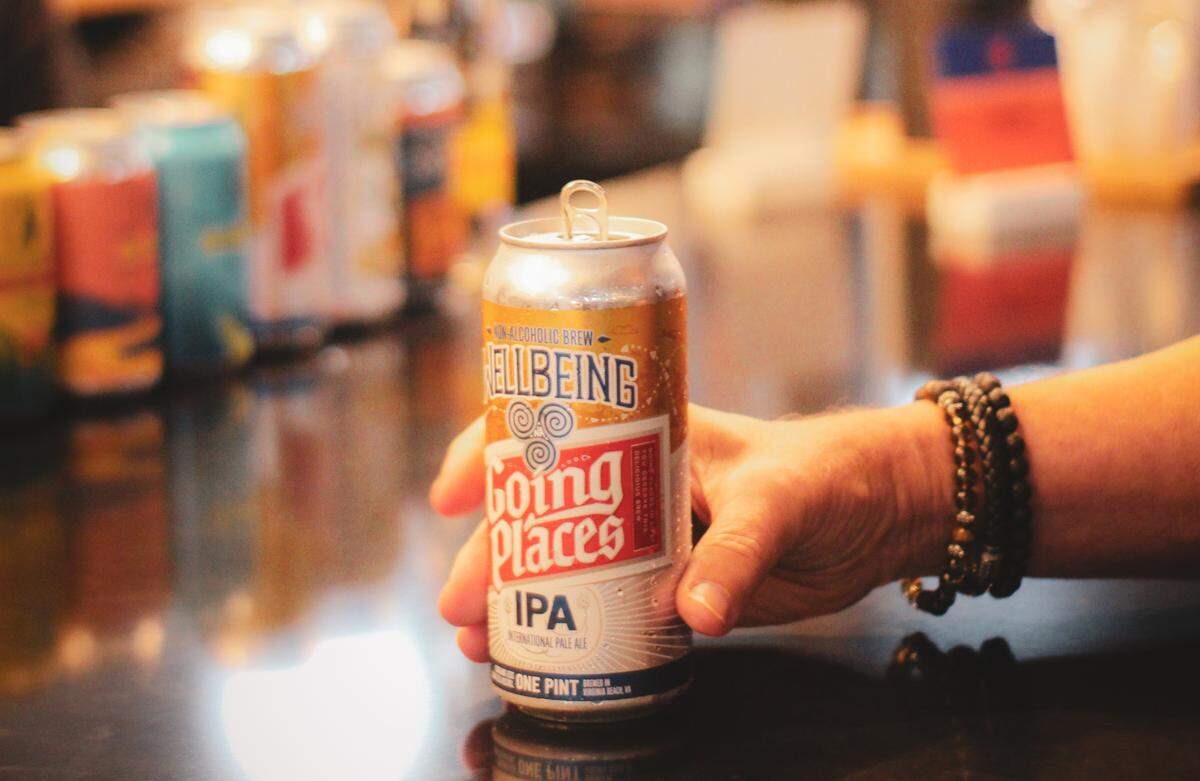
Load up on non-alcoholic drinks — Breaking the habit of a nightly glass of wine after work or a nightcap before bed can be the most challenging part. Break the routine by taking a new action. It could be swapping your nightly spirits with your favorite tea or kombucha. If possible, remove alcohol from your house. This is a form of what psychologists call “self-binding,” putting restraints in place to benefit your future self.

Pay attention to your thoughts — and observe them with curiosity rather than judgment. This practice will help you understand your triggers and habits without shame. For example, maybe every time you’re stressed out at work you start craving alcohol because you think it will help you unwind. Once you know the “why” behind the craving, you can come up with alternative alcohol-free solutions.
Make time for fun — Before I quit drinking for good, I had never participated in a Dry January. One of the reasons was because my friends who did take that break always seemed so miserable. They’d look at my martini at dinner with envy and talk about how hard the month away from drinking was for them. Because of these experiences and my own relationship to alcohol, I had a misconception that fun wasn’t possible without booze. But the thing is, fun is totally possible and you have even more time for it without alcohol. When you’re not recovering from a hangover or drinking until the wee hours of the morning, you’ll have more time to try new activities you’ve always wanted to do.
Try journaling — Journaling is scientifically proven to boost mood, can help you process thoughts more deeply and provide a written record of how you’re feeling day-to-day. Set a goal of writing for just five minutes at the same time every day, either with your coffee or before bed.
Set boundaries — Your sobriety might mean having tough conversations with people in your life. The good news is, if someone wants to support your growth, most likely they will have no problem with your choice to abstain. However, if there are people in your life who push alcohol on you, you’ll need to vocalize a clear boundary with them.
Don’t give up — If you slip up, don’t give up on your goal. Instead, use the experience as an opportunity to learn from what happened. Ask yourself what led you to drink and what you can do differently in the future. Once you’ve processed the situation, let it go and start fresh the next day.
It’s important to note that if you believe you may have a severe alcohol-use disorder and cannot quit drinking on your own, you should seek professional medical assistance. Alcohol withdrawal without medical supervision and detox can lead to medical emergencies and even death if you are physically dependent. Local addiction treatment centers and Alcoholics Anonymous meetings are available.
.jpg)