Charlotte theaters find flexibility is key during COVID-19 as they eye the future
READ MORE
CLT Fall Arts Guide 2020 Series Nav
Our coverage of the Charlotte Fall Arts season amid COVID, social justice protests
Expand All
What Children’s Theatre of Charlotte’s Adam Burke misses hearing is 550 first-graders screaming in delight at something they’ve seen on stage.
“There’s nothing like a sold-out full theater of school kids,” said Burke, the group’s artistic director. “It’s a powerful feeling.”
Since March, Charlotte’s theaters have been closed due to COVID-19 state regulations. Most were in the production process — rehearsing for the next show, finishing up a production or in the middle of one. Each theater was forced to make quick decisions about how to proceed.
With ingenuity, a skill well-known to theater staff, the theaters offered virtual programs and socially distanced events to provide the Charlotte community with entertainment during the novel coronavirus pandemic.
For the coming season, staff are choosing scripts with smaller casts so the actors can socially distance on stage without changing the performance. They’re also moving shows online and outside.
“Things are changing so fast,” said Ron Law, executive director of Theatre Charlotte. “Flexibility is really key. Things change, if not daily, weekly.”
By shifting how they bring productions to audiences, these four theaters — Actor’s Theatre of Charlotte, Blumenthal Performing Arts, Children’s Theatre of Charlotte and Theatre Charlotte — ensure the community will have something to enjoy.
Actor’s Theatre of Charlotte
Chip Decker, executive director of Actor’s Theatre of Charlotte, remembers guests laughing at the hand sanitizer placed on the concession counter for a show in mid-February. COVID-19 seemed like a joke at that time, Decker said.
Once it became clear the pandemic wasn’t going away, Actor’s Theatre canceled the remainder of the season.
The federal Paycheck Protection Program and a grant from the National Endowment for the Arts provided funds for his staff through Sept. 1. But the staff are now on furlough until next summer, when they reopen for season 32, The Redux.
“The company will be in hibernation,” Decker said. “We’ve stored up our fat reserves and in the spring, we will have the means and the funds to rehire the staff and actors, pay the rent, electric and get ready for an entire season.”
During hibernation, ATC will host “Actor’s Theatre’s Neighborhood” beginning Sept. 10.
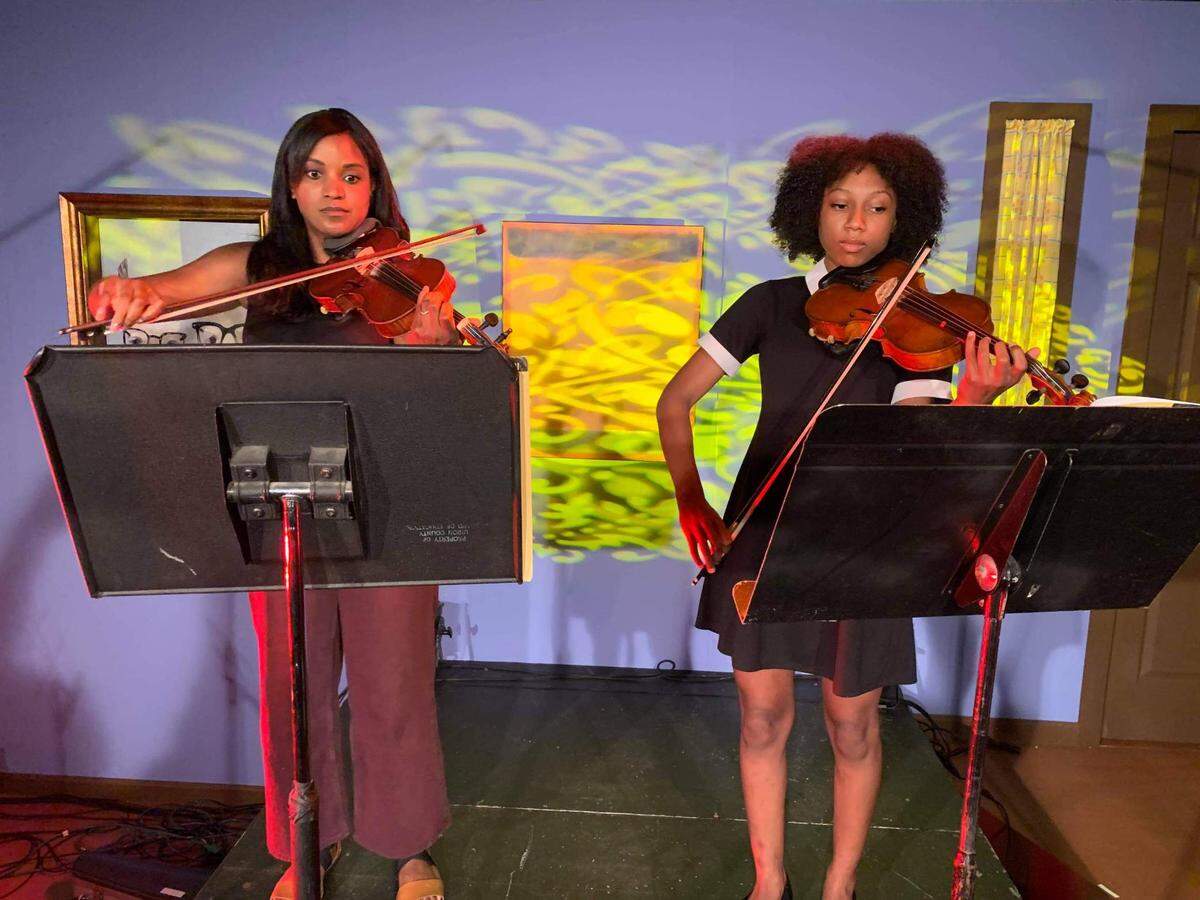
It’s a virtual hour-long variety show, a mix of “Mister Rogers’ Neighborhood,” “The Carol Burnett Show” and “The Lawrence Welk Show.” The subscription-based program highlights local aerialists, dancers, magicians, musicians and sword swallowers. The show will run monthly until ATC opens next summer.
“We’re still here,” Decker said. “We’re still coming back. We all can’t get together in the same room right now so here’s a little something for you to enjoy until we’re back in the theater.”
Blumenthal Performing Arts
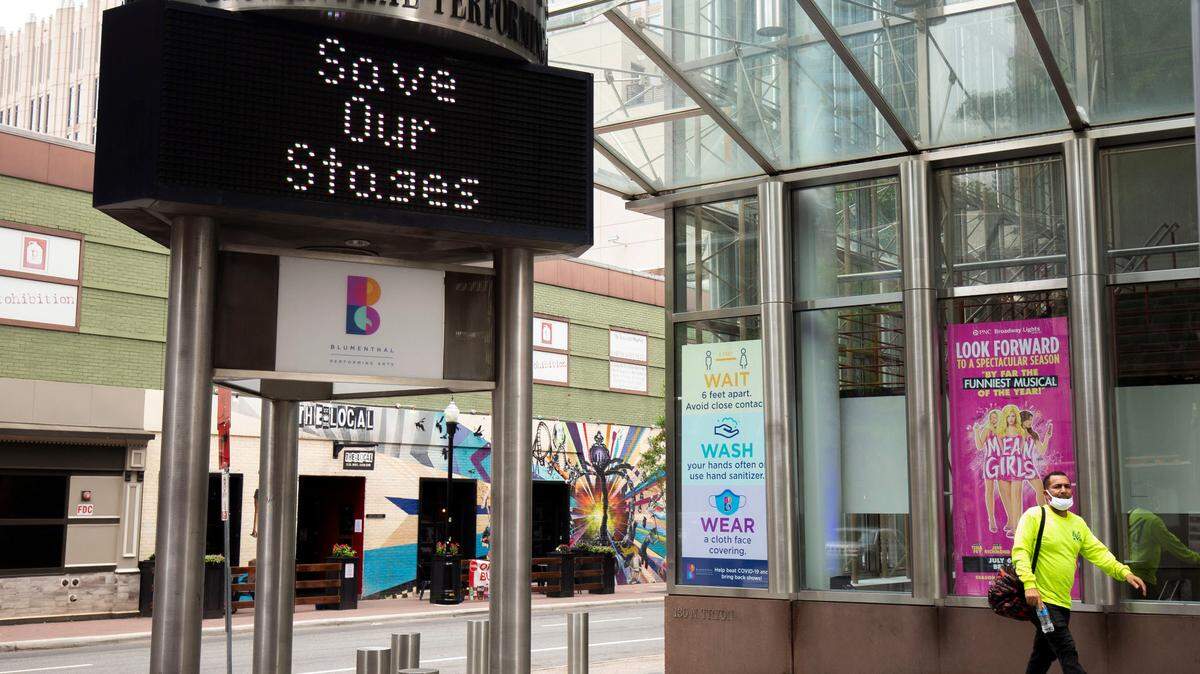
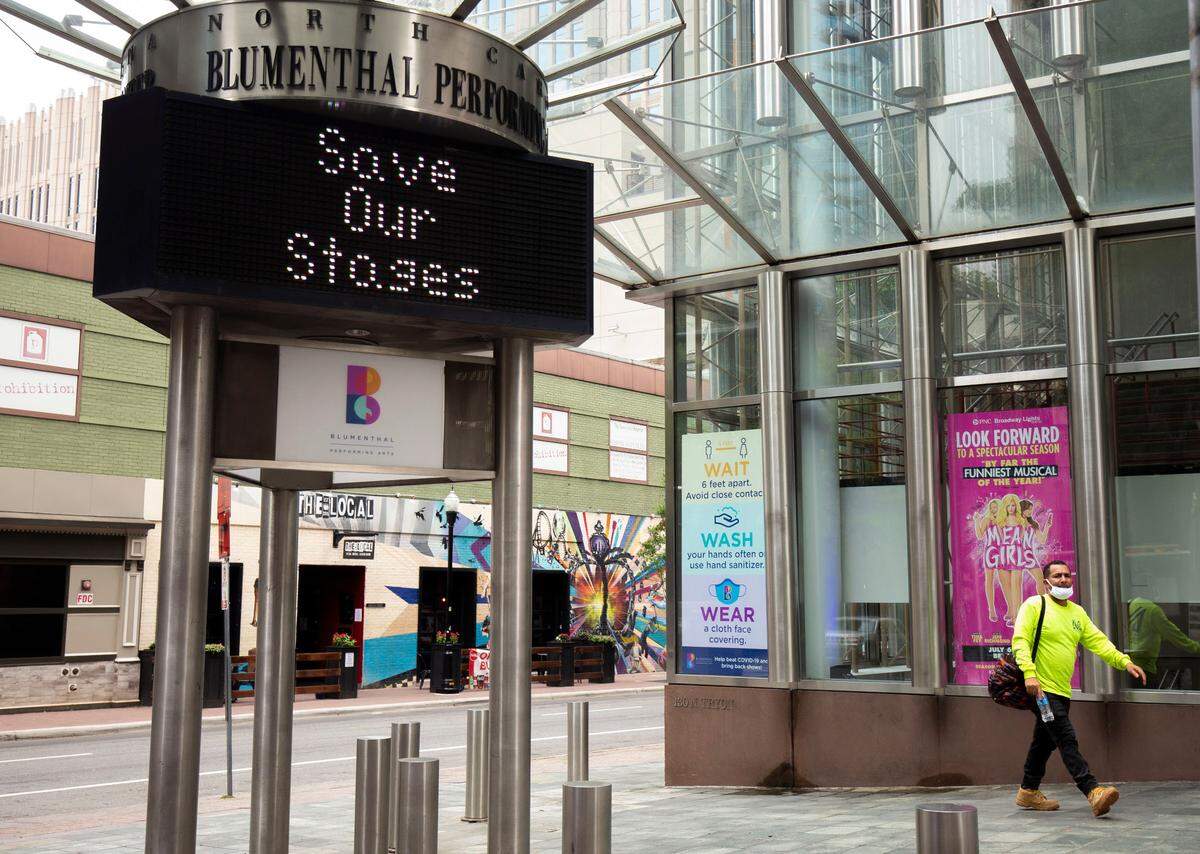
Blumenthal Performing Arts closed all six of its venues — Belk Theater, Booth Playhouse, Duke Energy Theater, Knight Theater, McGlohon Theater and Stage Door Theater — when state regulations required it. Blumenthal secured $1.7 million in funding from a federal PPP loan, saving staff from layoffs and furloughs, said Tom Gabbard, CEO and president of Blumenthal.
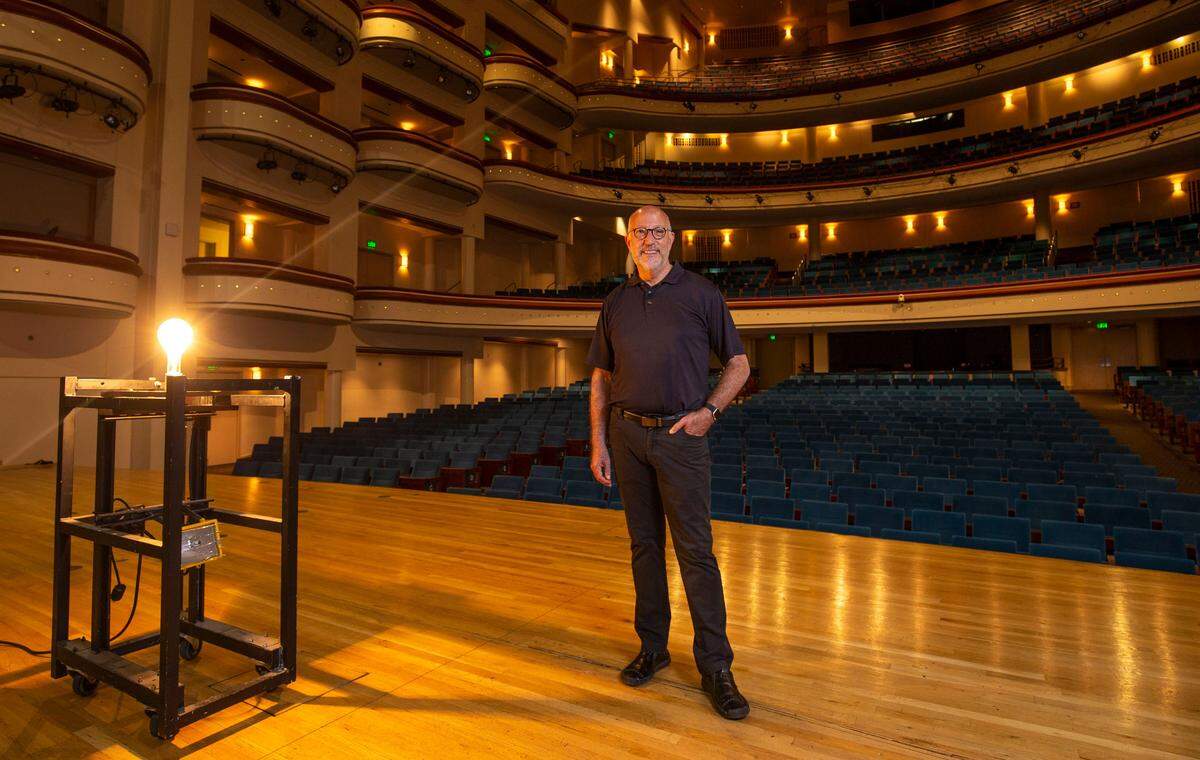
“Most part-time positions were ended July 5 at the end of the PPP funding,” Gabbard said. Reductions among full-time staff began Sept. 1. “Senior leaders reduced their own salaries, first, with reductions of 50% for my position and 25% for all vice presidents,” he said
Those layoffs included 165 part-time workers and 30 full-time staff members. Remaining are 73 full-time workers and one part-time employee.
Gabbard is part of an international COVID-19 theater think tank. Colleagues share information about possible solutions like the breath analyzer being researched at Ben-Gurion University in Israel. In 15 seconds, this test can detect COVID-19, Gabbard said.
Blumenthal theater guests and staff will be expected to wear a mask and possibly answer a four-question survey developed by the Centers for Disease Control and Prevention. Other precautions that will be implemented include: circulating fresh air, investing in high-quality cleaning and changing protocols for backstage staff.
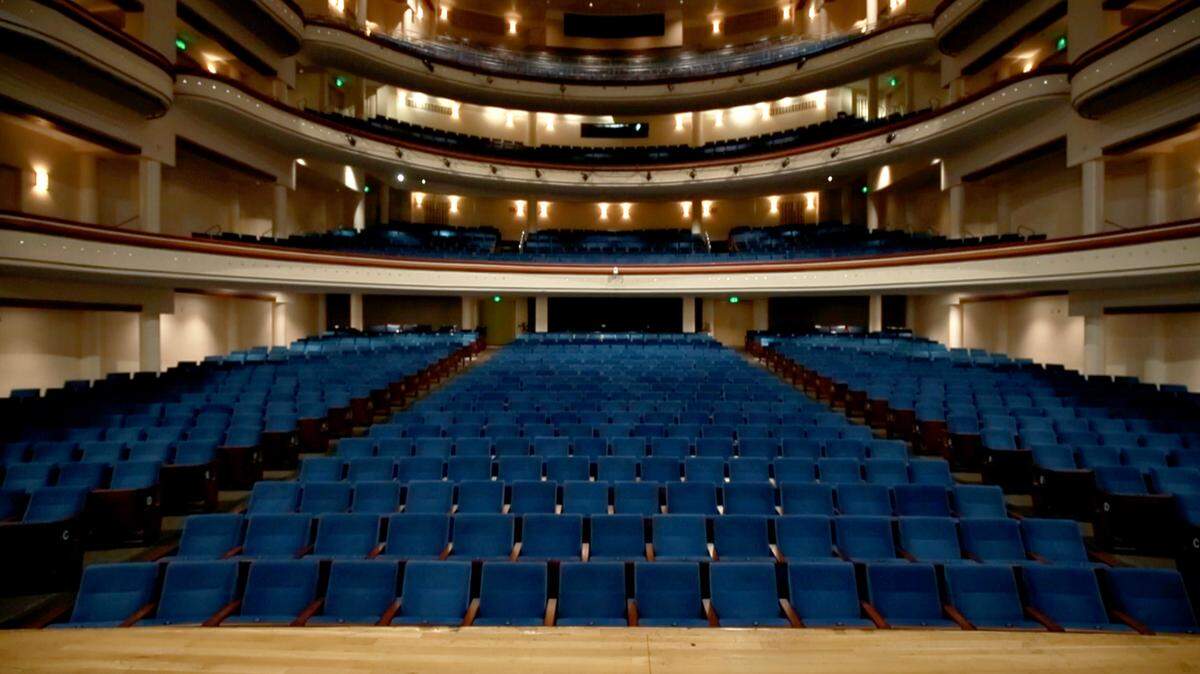
“We are out there looking for solutions,” Gabbard said. “Fortunately, there are some that I think will give us some hope.”
While they’re still working on how to get guests indoors safely, Blumenthal is hosting “Sounds on the Square” at 7 p.m. on Fridays in September on the Spirit Square plaza. The event features local comedians and musicians. It’s free and open to the first 50 guests; masks are required.
Blumenthal is also producing a local version of the international arts and dance festival “Breakin’ Convention.” Charlotte artists AJ Glasco, Greg Jackson, Boris “Bluz” Rogers and Bree Stallings are taking the lead with “We Are Hip Hop,” a yearlong series of events. The kickoff is set for Oct. 22-25 at Booth Playhouse.
On Sept. 9, Blumenthal named named Boris “Bluz” Rogers, an Emmy Award-winning poet and author, as director of creative engagement. It’s a new position designed to develop and launch new programs to expand the Blumenthal’s impact on the community.
Dsepite the challenges of COVID-19, “it’s essential that we keep moving forward with critical initiatives that will help us grow the range of ways that we serve, and people that we serve,” Gabbard said. “Bluz will be a key leader on our team in these efforts.”
Children’s Theatre of Charlotte
The pandemic never really closed Children’s Theatre of Charlotte, said Adam Burke. Children’s Theatre staff moved June camps online, offered four Zoom productions and provided virtual and small group in-person camps for July and August.
But even with continued operations, Children’s Theatre faces an 80% drop in revenue from production and education programming.
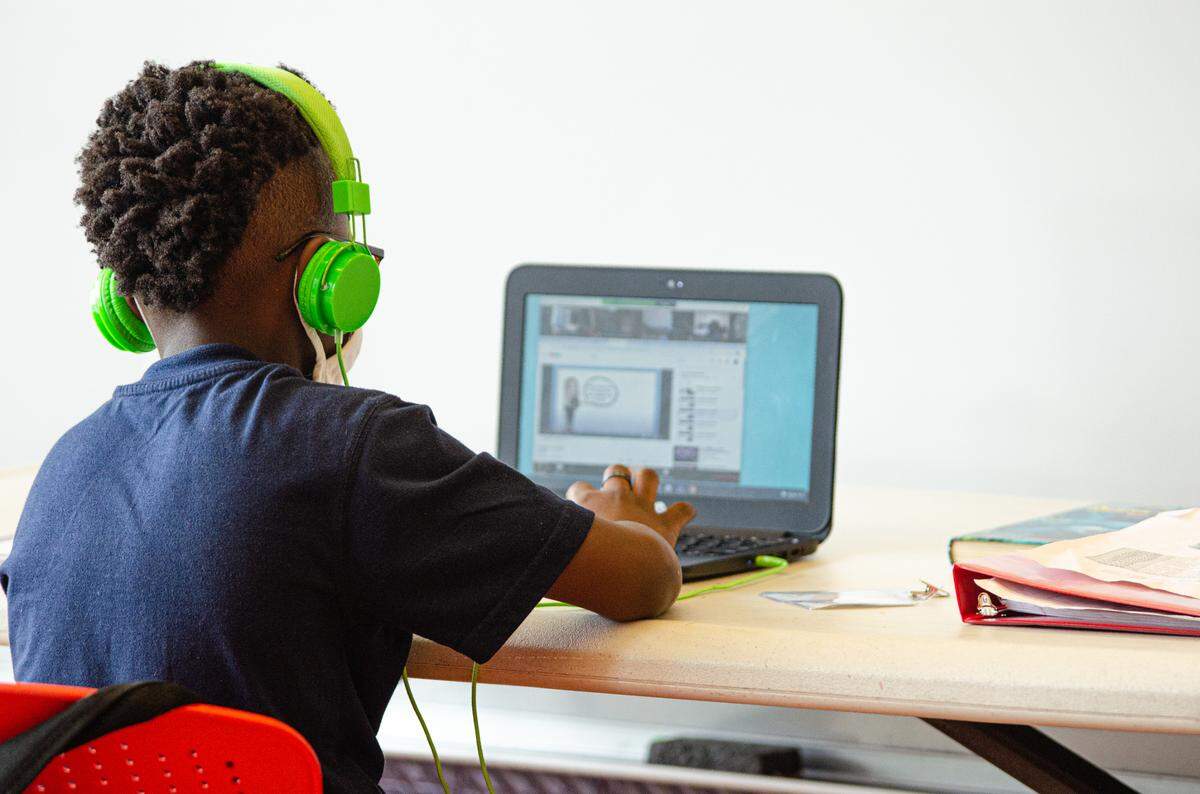
Since Children’s Theatre shares a space with ImaginOn: The Joe & Joan Martin Center, it’s required to follow CDC, county, federal and state regulations.
A Return to Work Task Force is reviewing how to move forward with staff and programming. It will require mask wearing and social distancing, setup a building traffic pattern and use a health application based on CDC guidelines.
This season will look different.
Children’s Theatre is releasing one virtual production per month: “The Velveteen Rabbit” in December, “GRIMMZ Fairy Tales” in January, “My Wonderful Birthday Suit!” in February and “Tropical Secrets: Holocaust Refugees in Cuba” in March. Households will be able to purchase access to individual performances or a block of all four.
In the spring, Children’s Theatre is bringing toy theater to Charlotte.
Burke hopes it becomes a mobile series that may be brought to community centers, libraries, parks and preschools. The first one will be based on the book, “The Dot” by Peter Reynolds.
“Toy theater is a specific genre,” Burke explained. “You create a puppet show inside a toy proscenium. We are creating one-person shows that we build out of something like a trunk or suitcase.”
Theatre Charlotte
Law was set to retire on June 30 after 15 years working at Theatre Charlotte. But the season closed on March 13, and he decided to wait until next year to retire.
Despite canceling four shows, Theatre Charlotte continued to keep its audience engaged with virtual and social distanced programs. “Isolation Radio,” an hour evening radio program featuring old comedy, drama and mystery scripts, was performed March through June.
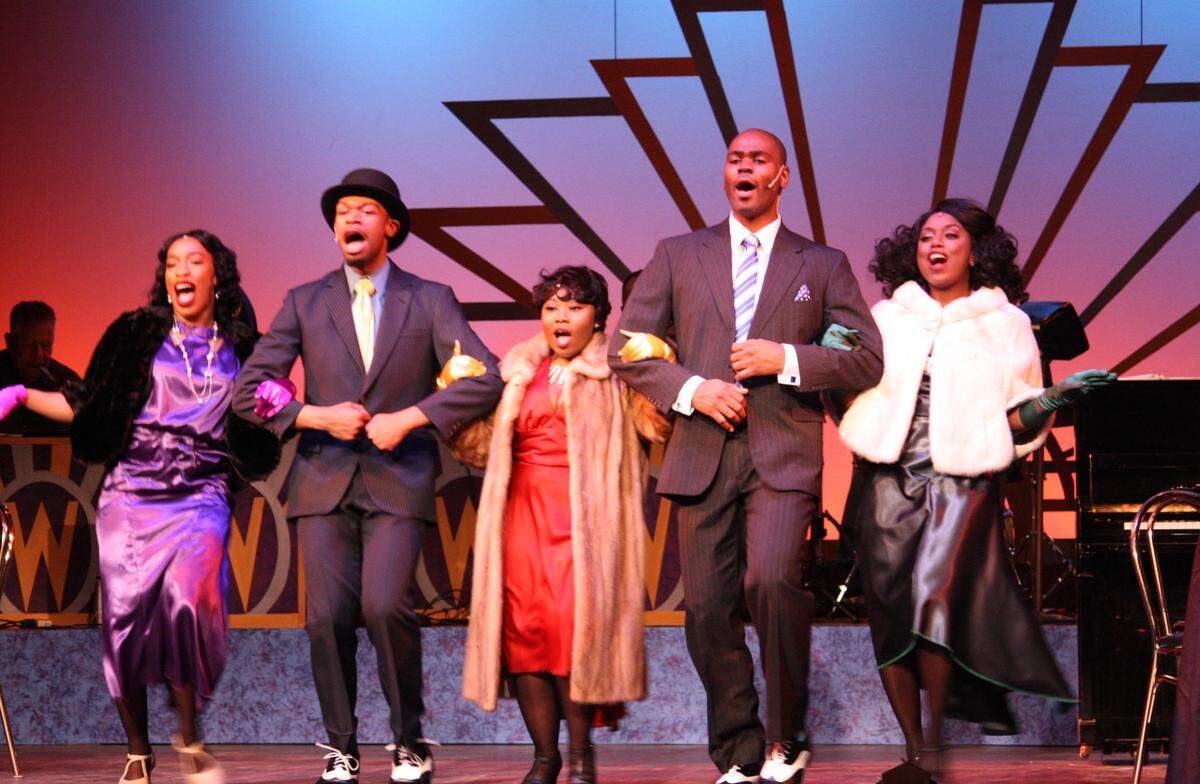
Parking Lot Performances are 45 minutes on Fridays through Sept. 18. Two singers perform for an audience of 50. Guests are encouraged to bring their own chair, beverage and snack. Tickets are a donation to Theatre Charlotte and may be purchased beforehand.
The theater lost close to $140,000 after canceling four shows and a fundraising gala. Loans and grants helped cover payroll through July.
Other monies are paying for new programs and theater cleaning. The theater raised $5,000 with auditions for a fake show called, “Quarantine: The Musical.” More than 150 people sent in a video performing a song with the lyrics changed to relate to COVID-19.
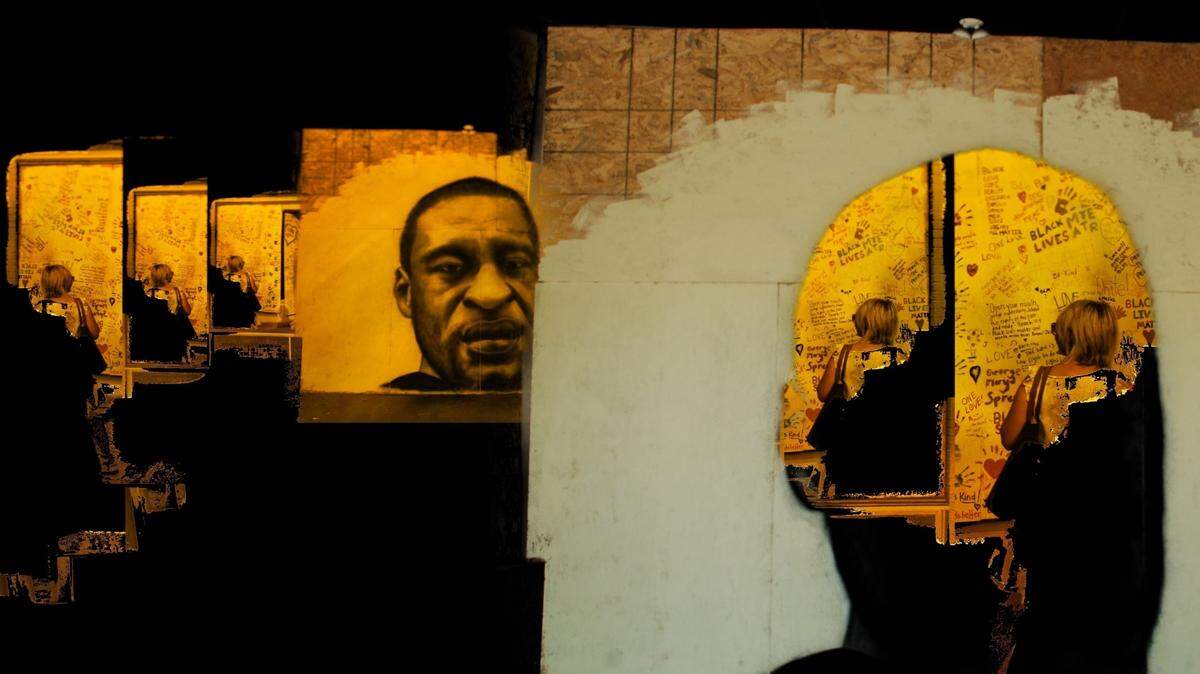
And in response to the Black Lives Matter social justice movement, Theatre Charlotte is producing “Perspectives: Black Theatre in America” with a grant from Foundation for the Carolinas and United Way.
Corey Mitchell, a Charlotte-Mecklenburg Schools teacher at Northwest School of the Arts and Tony Award for Excellence in Theatre Education recipient, is curating and hosting four episodes. He’s interviewing theater artists such as Shirley Jones and Melba Moore.
The 93rd season is a mixture of streamed events and live shows with a limited audience.
When Theatre Charlotte’s building does open, concessions will be closed, paperless tickets will be in use, masks will be required of patrons and theater staff, temperatures will be taken of patrons and staff, and the theater will be sanitized daily. Law looks forward to getting people back into the theater.
“I want to see the true theater experience,” Law said. “It’s being in the same room with the performers. It’s sharing in that story telling. It’s more impactful than any other experience.”
This story is part of an Observer underwriting project with the Thrive Campaign for the Arts, supporting arts journalism in Charlotte.
More arts coverage
Want to see more arts stories like this? You can join our Facebook group, “Inside Charlotte Arts,” at https://www.facebook.com/groups/insidecharlottearts/
This story was originally published September 9, 2020 at 12:55 PM.