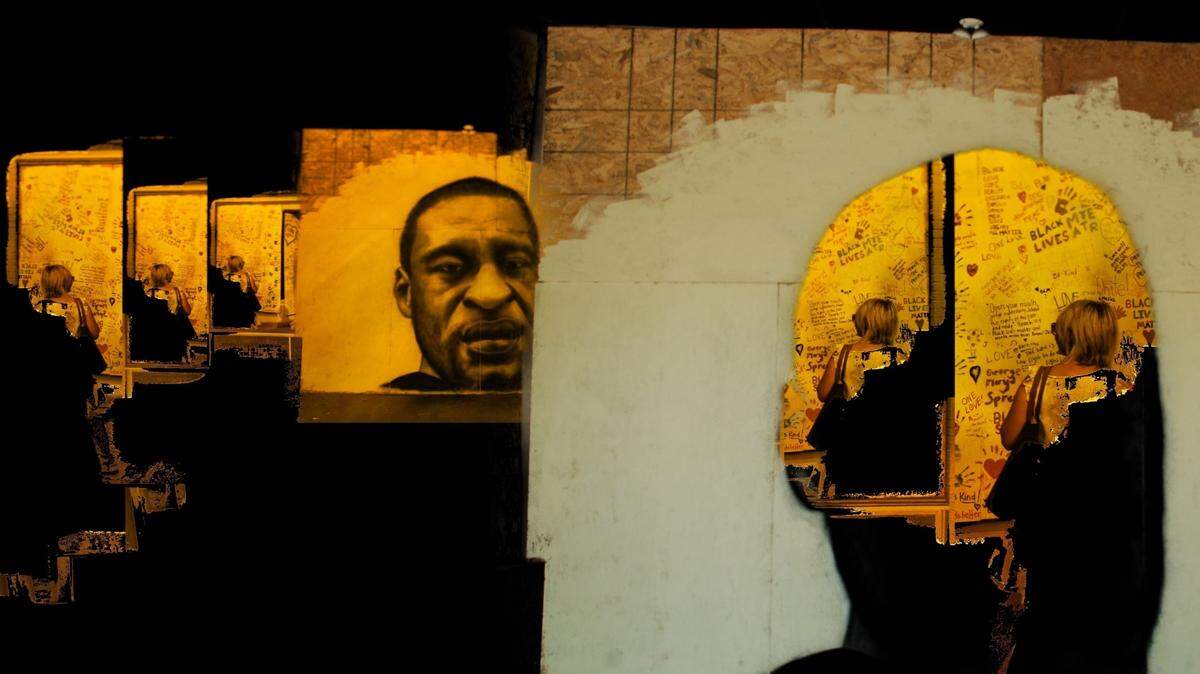
Charlotte art museums yearn for community, prepare to reopen cautiously amid COVID-19
READ MORE
CLT Fall Arts Guide 2020 Series Nav
Our coverage of the Charlotte Fall Arts season amid COVID, social justice protests
Expand All
If the COVID-19 pandemic has taught Charlotte’s major art institutions anything, it’s the power of the present.
Gone are the visions of packed gallery spaces and engaging in-person galas and forums. Fall brings new challenges, but the new season also offers fresh opportunities as museums are now allowed to reopen under limited capacity, under North Carolina’s Phase 2.5 order from Gov. Roy Cooper.
From showcasing bold expressions at the Gantt Center to an inaugural virtual art sale at the McColl Center, a new window treatment honoring women at the Mint to an overlooked Chinese-American immigrant experience at the Bechtler, local arts institutions have a lot to say this fall.
Bechtler Museum of Modern Art
New to the Bechtler Museum of Modern Art last December, curator Anastasia James will debut her first exhibition, 1 Cent Life, when the museum reopens today. Entrance to the Bechtler will be free through Sept. 27.
The exhibition shares the overlooked story of Chinese-American visual artist and poet Walasse Ting through a selection of color lithographs from his 1964 print portfolio, which James discovered in the Bechtler’s collection.
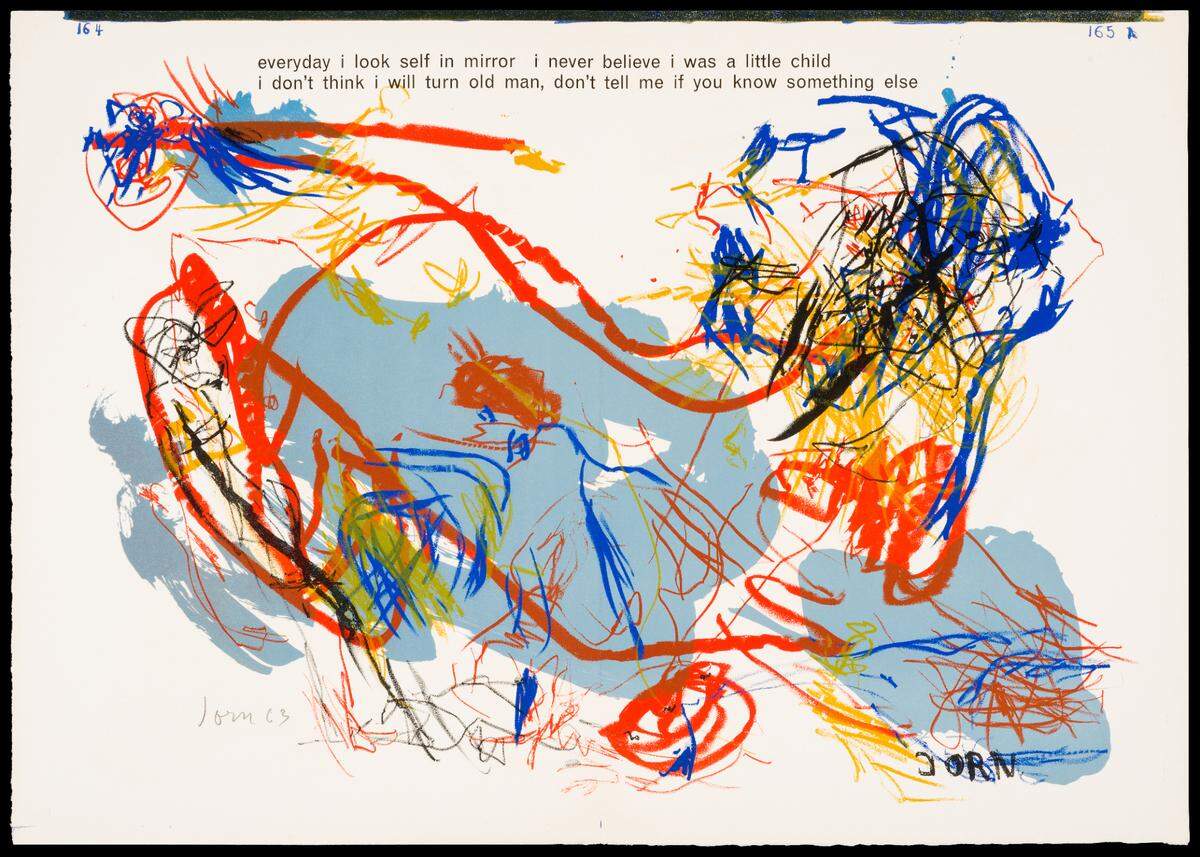
“It struck me how contemporary the portfolio felt, but also how poetry and art came together to capture a moment of a recent New York City immigrant,” James said. “It’s a look at the Asian-American immigrant experience and those (artists) on the margins who were overlooked. It looks at how he fits into the historical narrative that he was left out of.”
Due to the novel coronavirus pandemic, James had to recreate the exhibition’s flow.
“It’s difficult to curate without physically being in the space,” she said. “We have one-way traffic through the exhibition. ... I don’t like to force a direction upon viewers, but in this case, there is a direction.”
The Bechtler closed March 16 as the pandemic took hold. Counting admission, closed public programs and canceled private events and fundraisers, the museum estimates that it lost about $397,000 in revenue. But its leadership offered the popular Jazz at the Bechtler concerts virtually, for free.
The Bechtler will launch Music + Museum, fusing sight and sound to encourage new perspectives on art in October. Cocktails and Conversation, which launched in June, will continue with an event featuring James, Tanja Bechtler and Vivi Bechtler-Smith discussing select works from the collection.
The pandemic also had delayed the museum’s search for a new executive director. Todd Smith started on Sept. 8.
Reopening will look different.
Visitors and staff will be required to wear masks. Social-distancing signage will guide guests during their visit, and sanitary barriers were added at the admissions desk. Hand sanitizer dispensers will be found throughout the building, and check-ins will involve minimal contact.
The Harvey B. Gantt Center
Walk along Stonewall Street, past the Harvey B. Gantt Center for African-American Art + Culture this fall and you’ll notice something different.
The southwest exterior wall will feature an exhibition of local artists in expressions of “I Can Breathe.” Vivid panes will tackle tough topics from police and housing reform to voting, and will include artists from the summer’s Black Lives Matter mural uptown.
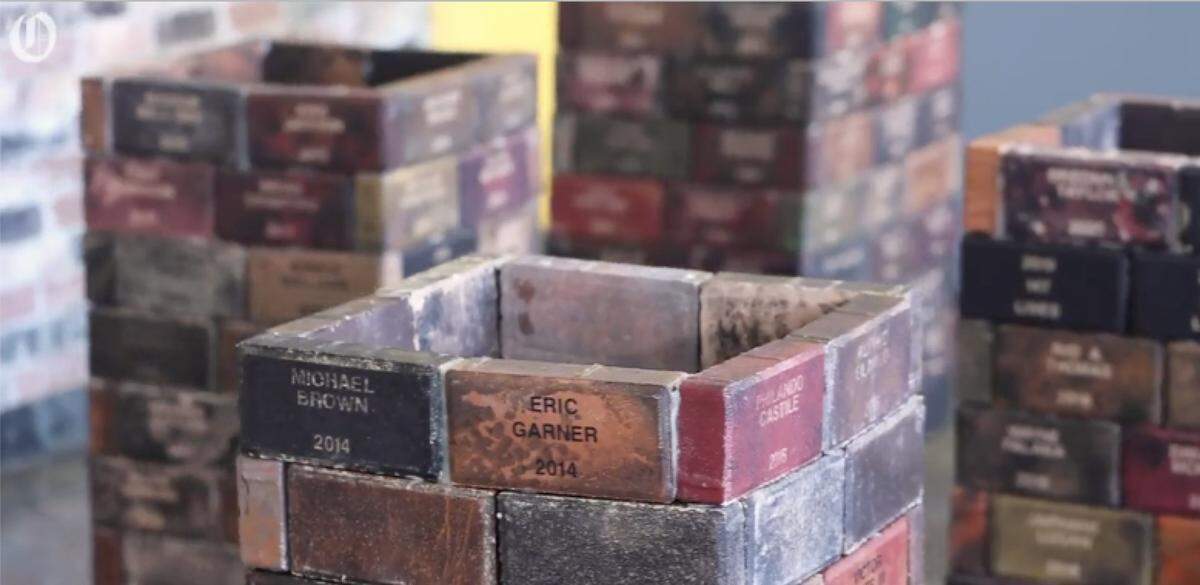
“Even if patrons don’t come into the center, it might influence somebody’s thinking that day,” said David Taylor, president and CEO of the Gantt Center. “It gives them a chance to reflect” — at a safe distance.
The Gantt has taken a conservative approach to reopening. Following Cooper’s Phase 2.5 announcement on Sept. 4, the center implemented a 30-day reopening plan and intends to open, with modified hours, on Oct. 1.
“We enjoy what we do and believe what we do is important, but want to make sure people come experience our work in a safe manner,” Taylor said. “That’s what drives us as we make our decisions.”
Systemic health and social inequities make people from racial and ethnic minority groups at greater risk for contracting the coronavirus.
“African Americans have been disproportionately affected by COVID,” Taylor said. “So we want to make sure that, when our patrons visit, they can be assured that we’ve taken every step to consider their safety.”
Once the museum reopens, staff and visitors will need to wear masks and follow on-site signage promoting physical distance. They museum also has implemented a new touchless check-in and payment system, and installed Plexiglas partitions throughout the gallery space.
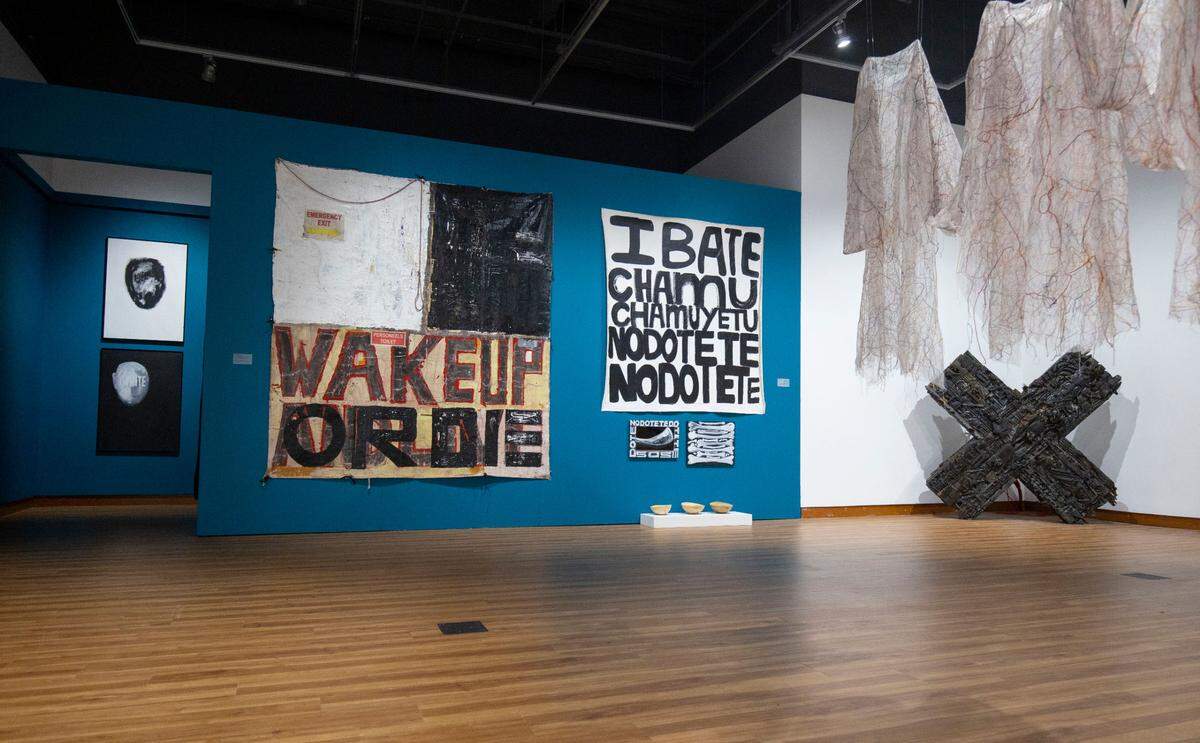
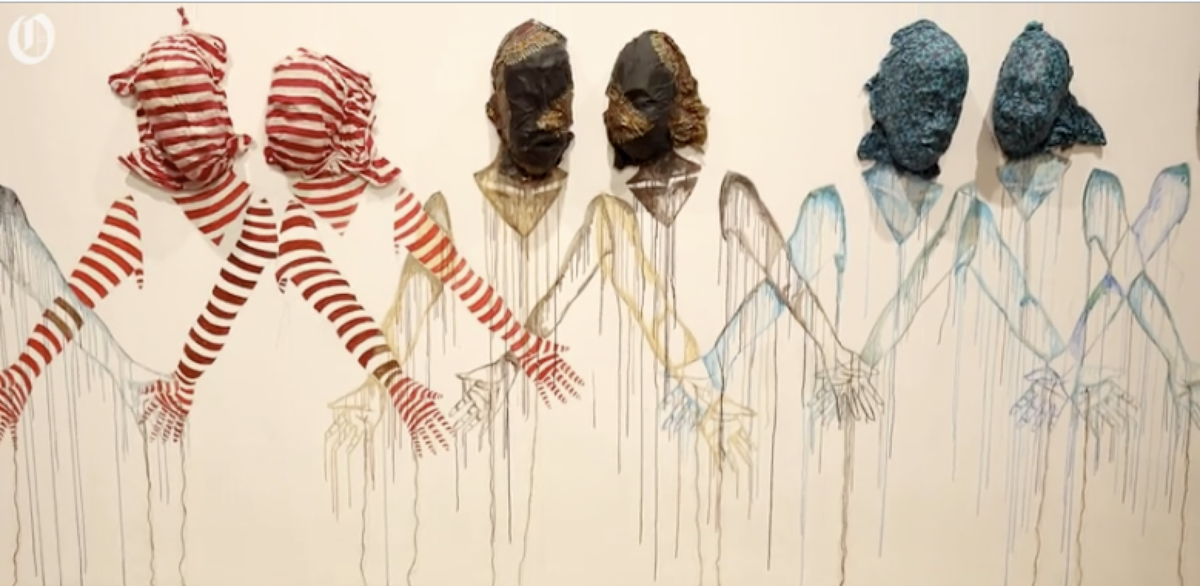
Of note this fall, ”Inter | Sectionality: Diaspora Art from the Creole City” features 25 artists from 17 countries, plus two guest artists from North Carolina — Monique Luck and Stephanie Woods. The exhibition is grouped around wide-ranging themes of the African Diaspora, including memory, politics, myth, religion and culture.
”Unmasked,” a live community conversation that highlights disparities in the Black community and offers solutions, will continue virtually.
“We were already eager to get virtual programs moving forward,” Taylor said. “COVID forced it on us, as well as the technology, to ensure we had a platform to deliver these things.”
McColl Center for Art + Innovation
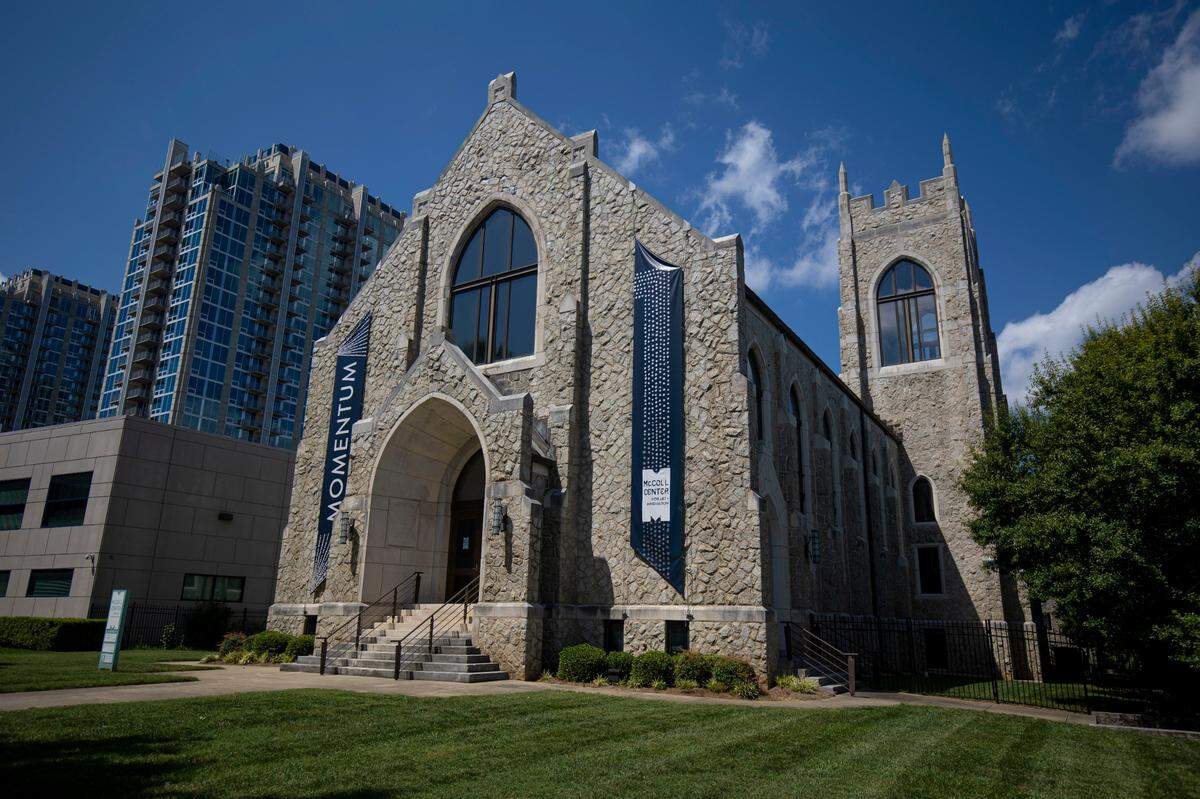
The McColl Center for Art + Innovation has welcomed its four new artists in residence. They hail from Brooklyn, N.Y., Baltimore, Miami and Seattle.
By now, the center normally would have held an open house or open studio times with the new crop, the linchpin of the McColl Center. But because they aren’t yet open to the public, that won’t happen this year. An opening date has not yet been determined.
“We’re working on plans for what (reopening) will look like,” said McColl Center president and CEO Alli Celebron-Brown. “But the artists are central to what we do, so we wanted to make sure they had space to create.”
Like the other art museums, the McColl Center has taken a hit financially due to the pandemic, especially with event rental income. But a federal Paycheck Protection Program loan and added support from donors and artists helped bridge the gap, Celebron-Brown said.
Still, she said, the change and growth at the McColl Center has been encouraging.
“The first week we went home, I told the staff: Get ready to throw out your job descriptions. We’ll have to retool and pivot,” Celebron-Brown said. They dug into live streaming artist workshops and, within two weeks, delivered online workshops.
”Creative shifts” at the McColl Center are live Facebook discussions between artists and curators about what it means to create and share art in the rapidly changing new normal.
“This is something that we wanted to do, to expand more digital opportunities to reach more people and places,” Celebron-Brown said. COVID pushed them into it.
“Risk taking needs to be even more a part of our DNA as cultural institutions,” she said. “If we look to our own resilience, now is the time to take some risks and reevaluate our practices.”
On Oct. 29, the McColl Center will host its first virtual benefit art sale, featuring 75 original works, many by local artists, starting at $250.
Artists come to Charlotte for an opportunity to create at the McColl Center and, “all of a sudden, they meet other creators, an idea is seeded, and it flourished over months and years,” Celebron-Brown said. “I’ve really missed that sense of community.”
The Mint Museum
The Mint Museum reopens its doors today, offering a free first weekend. “When we open, it’s really going to be about celebrating community,” said Todd Herman, the Mint’s president and CEO.
“There is no substitute for being in front of the work of art,” he said. “There’s something about being in that physical presence with the work that can’t be duplicated digitally. Otherwise, why would anyone travel to Rome?”
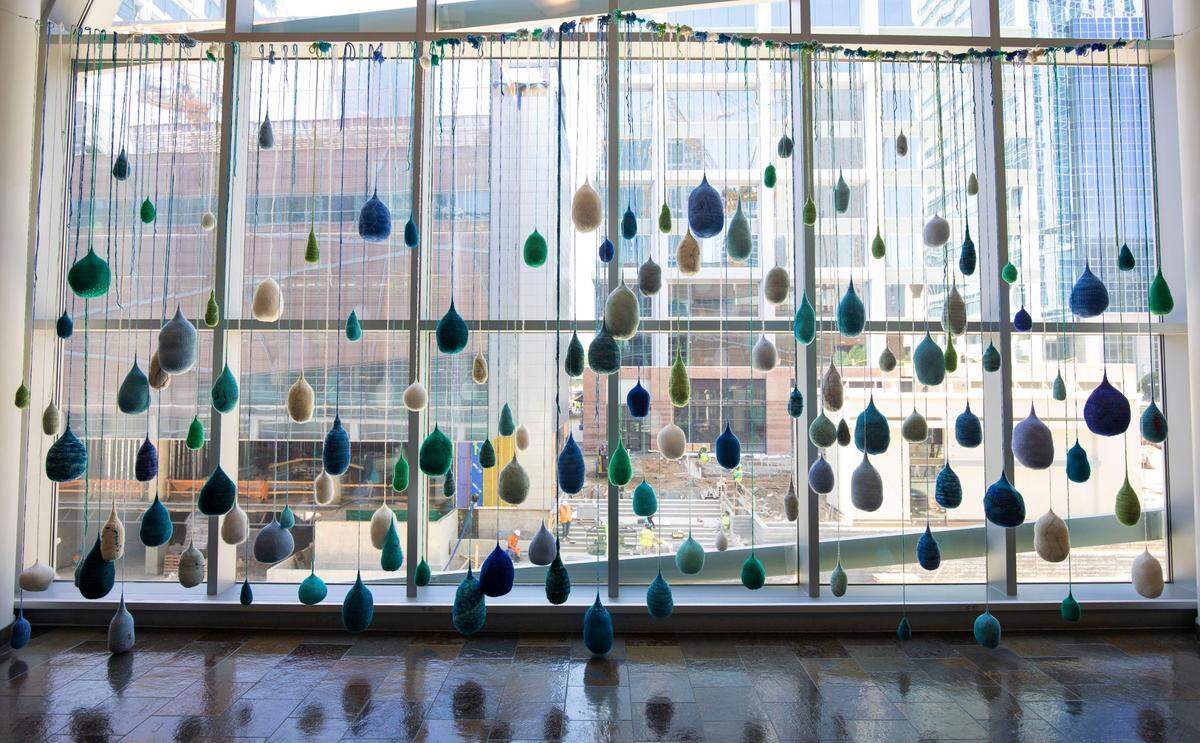
One installation that debuts this fall, “Foragers,” by Brooklyn, N.Y.,-based artist Summer Wheat, covers the 96 windows of Mint Museum Uptown’s atrium. With a vivid stained-glass effect, “Foragers” pays tribute to the anonymous female creators and laborers who helped make Charlotte what it is today.
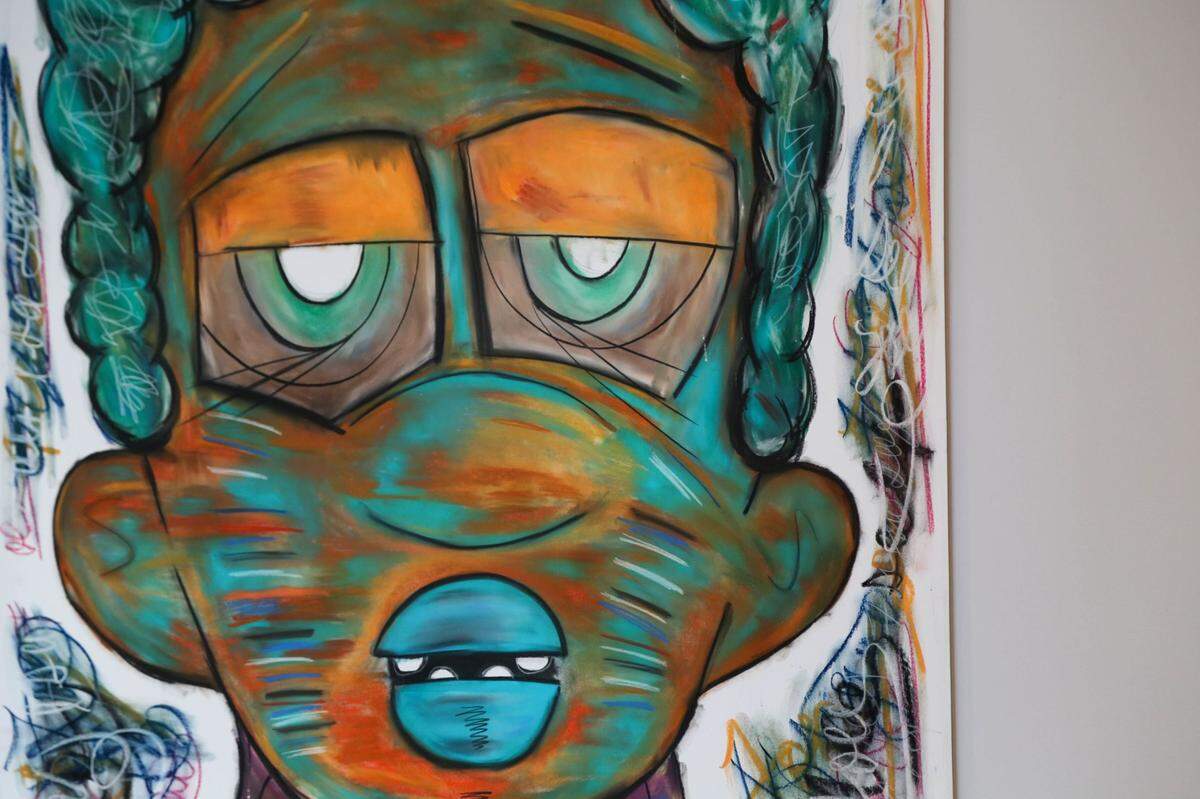
Local artist de’Angelo Dia is the latest Constellation CLT artist, whose work is on view in the public spaces of Mint Museum Uptown. His work explores the hybrid nature that those from the African diaspora must create in their new communities.
Like the other museums, the Mint’s earned revenue from catering, the gift shop, admission, weddings and event rentals dried up when the museum closed. It was able to secure a PPP loan and some other bridge support, and no staff was furloughed.
“We feel really good about the position we’re in,” Herman said. “The belts are about as tight as they can go, but we did it. It shows the generosity of our supporters, and that’s a big deal.”
“New Days, New Works” features more than 80 works of art from the Mint’s permanent collection. Many of the works of art were recently acquired or have never been on view at the Mint before.
The Mint also created a cutout of Allan Ramsay’s famous Queen Charlotte painting, which is on view at the Mint Randolph, wearing a mask and holding a 6-foot-tall scepter, a ruler to demonstrate appropriate social distancing.
Staff will implement a timed entry system to cut down on large clusters of visitors. With the help of the City of Charlotte, they also installed touchless toilets uptown and touchless faucets at the Randolph location.
Herman is eager to fill the galleries with guests again. “When you see people coming upon a work that has meaning for them, and you know that makes them feel inspired, or triggers a great memory — we’ll change them in a way. That’s what’s exciting.”
This story is part of an Observer underwriting project with the Thrive Campaign for the Arts, supporting arts journalism in Charlotte.
More arts coverage
Want to see more stories like this? You can join our Facebook group, “Inside Charlotte Arts,” at https://www.facebook.com/groups/insidecharlottearts/
This story was originally published September 23, 2020 at 6:30 AM.