
Charlotte’s first arts and culture officer on inclusivity, resilience and funding plans
Priya Sircar, Charlotte’s first-ever arts and culture officer, believes the future is bright for the city’s already bustling creative scene.
But when Sircar reports to work virtually on her first day in mid-September, she faces a bevy of challenges. The City Council created her position — and an accompanying advisory committee — this year to figure out sustainable, long-term funding streams for Charlotte’s fractured arts ecosystem.
Sircar most recently worked at the John S. and James L. Knight Foundation in Miami, where she oversaw arts strategies and investments in eight cities, including Charlotte.
Sircar, who was among 111 applicants to Charlotte’s inaugural arts job, will make $150,000 annually, city spokesman Cory Burkarth said. The job is for three years.
Even before the coronavirus pandemic, local arts funding and workplace giving was in jeopardy. In November 2019, Charlotte residents voted against a sales tax referendum that could have generated $22.5 million for the local arts sector.
With financial problems exacerbated by COVID-19, the City Council this year decided to upended a decades-long model of relying on the Arts & Science Council as a pass-through funding agency. Instead, Charlotte is using a blend of of public funding, matched by private sector donations, for its annual arts allocation.
That approach drew rebuke from a coalition of artists and organizations who felt excluded from Charlotte’s planning process.

But Sircar is expected to convene “individuals artists and creatives, arts organizations, community members, corporate and nonprofit partners, and elected officials to create a cultural plan for Charlotte,” the city said last week.
Sircar’s comprehensive plan will ultimately create a roadmap for the future of cultural programming infrastructure and investment, with an emphasis on “maximizing the economic impact of this crucial sector,” city officials said.
Sircar has a master’s degree in arts administration from Teachers College of Columbia and a bachelor’s degree from the University of Texas. She plans to relocate to Charlotte with her family in the coming weeks.
The Charlotte Observer spoke with Sircar on Tuesday evening about her new role. Her vision is ensuring sustainability from a financial and workforce development perspective. Here’s what she had to say. Responses have been edited for clarity and brevity.
Why were you drawn to this job?
“I have had a chance to get to know Charlotte a bit over the past few years with my previous role with the Knight Foundation. I really fell in love with the city and with the arts community. It’s a very vibrant arts community. There’s a lot of great energy and interesting arts going on across all different kinds of artistic disciplines.
When I saw that this position was created and was going to have a really important role in working with the community to help establish a strong footing for the arts and culture sector, I just thought, ‘Well this is a great confluence of a lot of my background and my interests.’ I have been involved with the arts my whole life, mostly in the performing arts, but also film and I write a bit.
I started my career in fundraising and moved into grant-making. That is really when I fell in love with working with community and also got interested in policy — how policies are developed and how they impact communities, and also in advocacy.
Years later, I decided to go back to school to find a way to combine my passions for arts and culture with my passion for nonprofit. I got to work with a lot of different organizations and communities across the United States and abroad on strategies for organizations, as well as community-based cultural planning for districts, cities and in some cases, on a more multi-county or statewide level.
What are some obstacles facing the arts in Charlotte?
“Arts and cultural organizations and communities often unfortunately struggle with under-resourcing, and I think we know that has been the case even prior to the pandemic in Charlotte.
Finding ways to make the sector be resilient coming out of the pandemic, as well as ready for potential future and unforeseen challenges, is important. Preparing for resilience and also sustainable funding sources is going to be an important focus of the planning process.
Designing and undertaking an inclusive planning process is going to be top of mind. We have an opportunity to really engage with hopefully the full breadth and depth of the Charlotte community to make sure that the process benefits from the insights and inputs from people across the community.
I’ve been aware of the challenges that Charlotte has been experiencing over the years with regard to economic mobility. In talking to artists and creatives from Charlotte over these past few years, that has come up, as well as trying to make sure that artists and creatives can afford to continue to live in Charlotte — and continue to be active as artists and creatives in the city that they love.”
Do you see that as affordable housing for artists?
“Affordable housing is really important. Another factor has to do with transportation — being able to access different types of resources to be able to do your work as an artist or further your training and professional development as an artist.
Another factor is thinking about a whole pipeline that leads from people being able to be educated in the arts and trained in the arts, and then to have different outlets by which they can practice and show their work, perhaps sell their work and continue along a pipeline of development as a creative person.”
What does an inclusive planning process entail?
“My work and approach, which I learned while doing community-engaged cultural planning, really depends on trying to make sure that a wide breadth of voices are heard and that people across the spectrum of the community are meaningfully engaged in a process.
This also means partnering with neighborhood organizations and different kinds of civic organizations... faith-based organizations and schools. Then we will glean from those: What are the themes that we’re hearing and the findings that point to top priorities?”
Do you plan to build a relationship with the ASC?
“I imagine that I would be working closely with the ASC. Fortunately, I know the ASC from my past work.
Given that a lot of Charlotte artists and organizations have been supported by the ASC — and that the ASC does have decades of experience of supporting the Charlotte creative community — I see them as a really important partner in this work.”
Would you consider another sales tax referendum?
“It’s early for me to propose any particular source or sources. Part of the planning process will include some serious study at different options that have worked elsewhere that Charlotte might look to and consider, as well as the input of the community as to what might be viable in Charlotte.”
Some options, according to Sircar, include:
▪ Different types of sales, hotel or transportation taxes
▪ In Denver, for example, the Scientific and Cultural Facilities District outlines a penny sales tax on every $10 purchase in a seven-county metro area, according to the Denver Art Museum.
▪ In Houston, the city has categorized part of uptown as a tax increment reinvestment zone to spur economic development and community investments.
What are the benefits of making Charlotte into a destination city?
“For me, Charlotte is already a destination city. I’m drawn by the arts and culture scene. There is a history of artists being involved who are from Charlotte, but also contemporary artists that are doing interesting things and making interesting work.
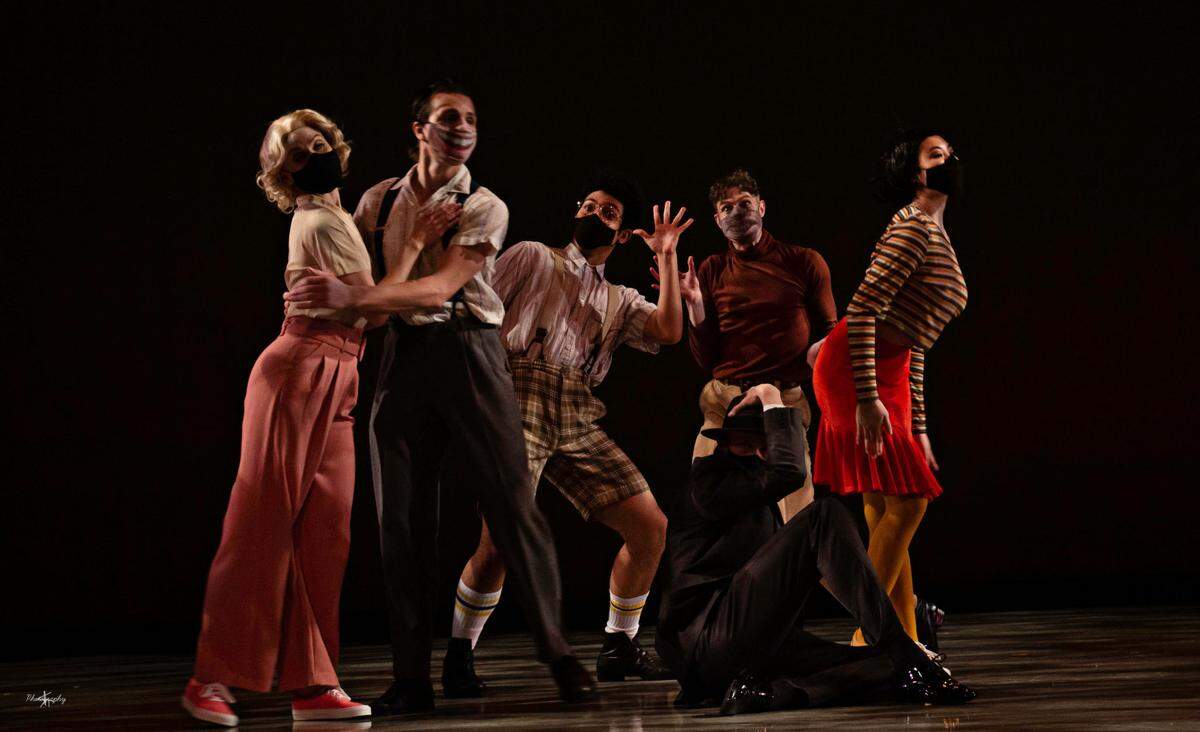
A couple of the great things that can come out of a cohesive cultural plan is helping the local community who may not be aware of the full breadth of what is available become aware, so they can become more involved.
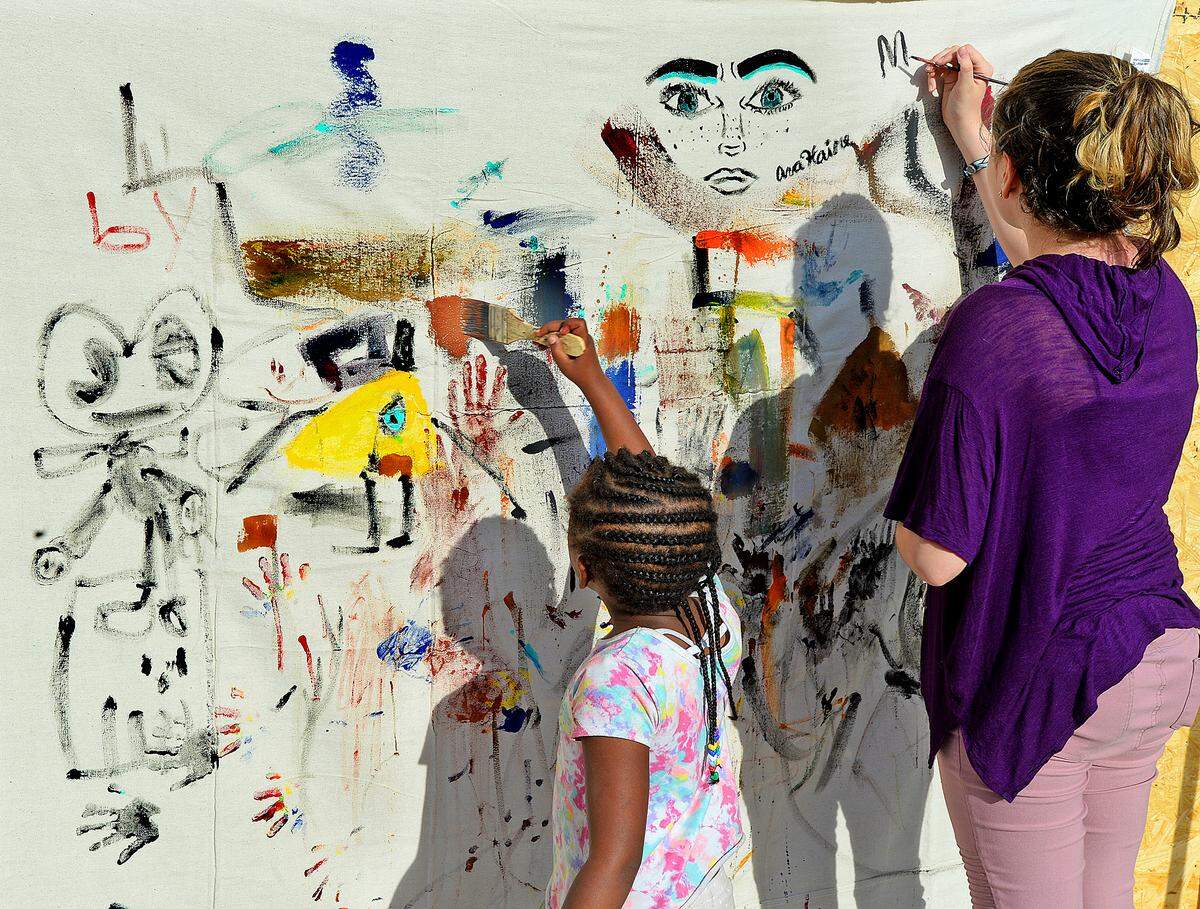
This planning process is a really important way to have a community-wide conversation about arts and culture, which unfortunately doesn’t happen enough in most communities. Hopefully this yields a plan that results in greater equity — equity of participation and equity of support for the arts.
What are some of your favorite memories from Charlotte’s arts scene?
One of my favorite memories is actually my very first visit to Charlotte, which was a few years ago. I was relatively new in my role at Knight Foundation.
We hosted a meet and greet in Camp North End. It was just an opportunity for me as a new person to Charlotte to try to meet as many folks as I could and start to get a feel for the arts and cultural community.
We thought we might get about 30-35 people. It was a Monday night. Seventy-five people showed up, and we were there for almost four hours. It was such an energizing experience that I will never forget it. It really gave me and my colleagues a sense of palpable excitement about what is happening in Charlotte and what is possible.
What message do you have for Charlotteans?
“I just think Charlotte is one of the most exciting communities I have been in. It has a very exciting arts and cultural community, and the future is bright.
I would really encourage anyone who has any kind of arts or cultural experience to please get involved in this cultural planning process that Charlotte is about to embark upon. It is a really wonderful opportunity to have your say in what you what love about Charlotte and take ownership of the future of Charlotte.”