Charlotte I-77 debate stirs memories for families displaced by highways in the ‘60s
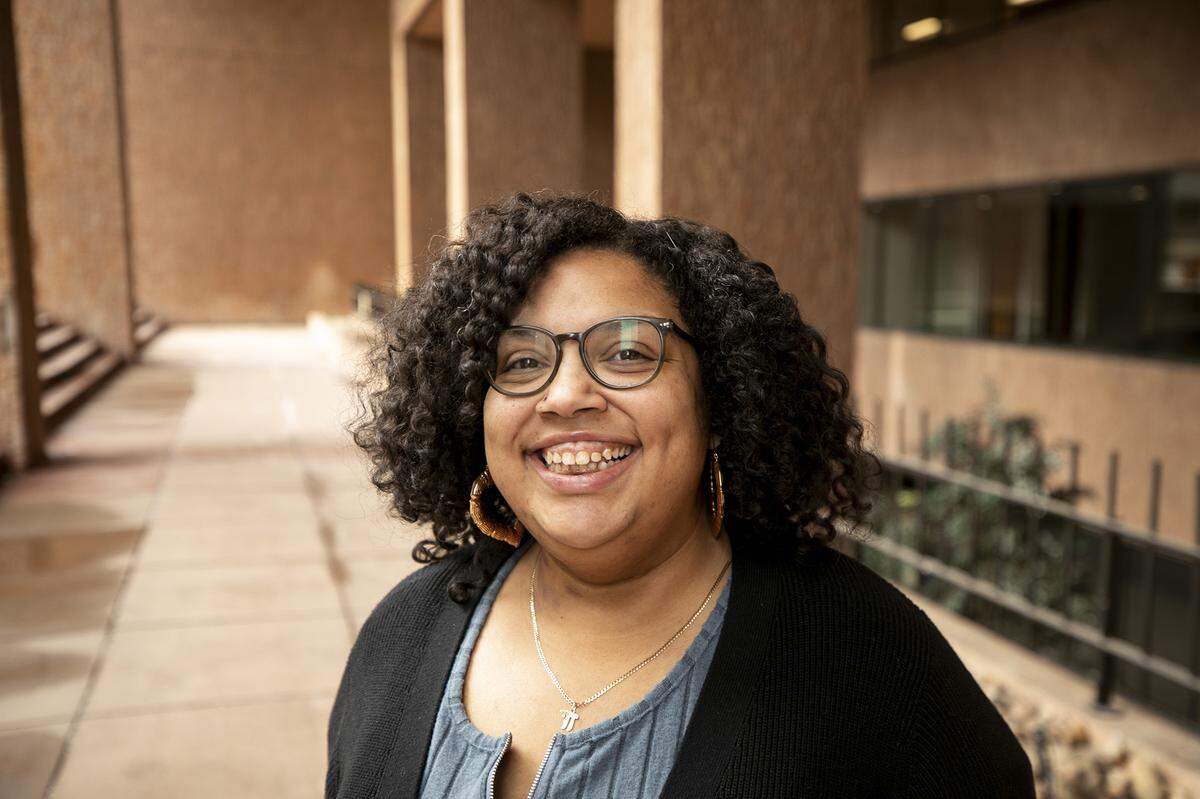
Gwen Carter-Adamson doesn’t remember everything from 1965. She was 13 years old and finishing eighth grade at Our Lady of Consolation off of Statesville Road.
But there are two memories she vividly recalls.
One, she was living the teenage dream, throwing pajama parties surrounded by friends and neighbors on Platinum Hill in the McCrorey Heights neighborhood of Charlotte. At 643 Fairfield St., Carter-Adamson was carefree and content.
The second memory: all of that would change because a highway was being built straight through her house.
“My friend said one time, ‘Gwen is going to be in the bathtub taking a bath and the highway is going to come right through her house,’” said Carter-Adamson, now 74 and living in High Point.
That highway was the Brookshire Freeway, or NC-16. And as the Brookshire, along with Interstates 77, 85 and 277, were constructed they would tear through Carter Adamson’s home, the seven or so houses on Platinum Hill and hundreds of other residents’ houses in the West End and other historically Black communities.
In the name of growth and connectivity, the North Carolina Department of Transportation strolled through McCrorey Heights and other neighborhoods telling, not asking, residents to leave.
Now, NCDOT is knocking again,this time for a nearby interstate.
The controversial I-77 South toll lane project is underway and in the design phase. Some 29 homes in or around the Wilmore neighborhood will be taken via eminent domain.
Most residents understand Charlotte’s growth needs. They understood it 58 years ago. But residents then and now are asking why they’re being displaced for cars and a highway?
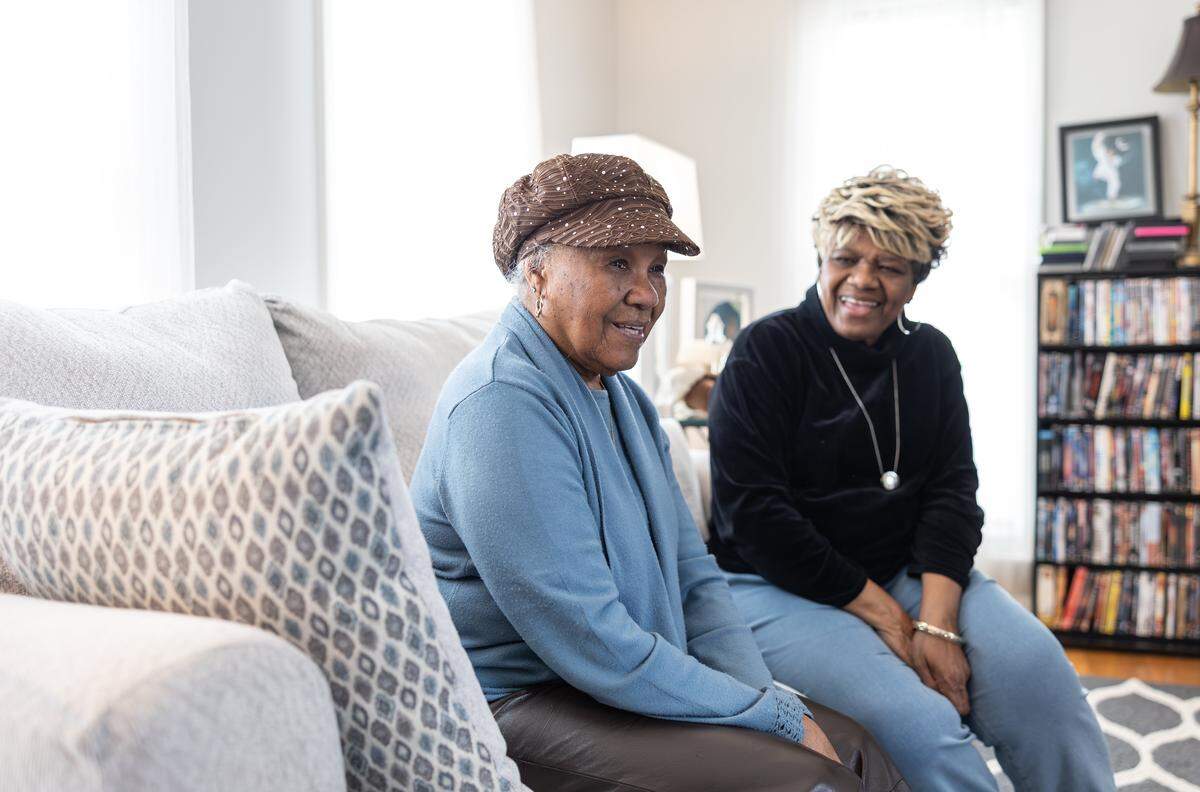
People like Carter-Adamson and her mother are still around to tell the story of what happens when a highway and city grows on top of its residents.
“I just remember when they came and offered money,” said Esther Carter-Buie, Carter-Adamson’s 96-year-old mom. “They said the highway was coming through there and our house was in the left lane.”
I-77 South toll lane refresher
I-77’s history is an essential part of why residents are upset with the current project.
NCDOT is planning to add toll lanes to an 11-mile stretch of I-77 from uptown to the South Carolina border. The aim is to reduce traffic and crashes.
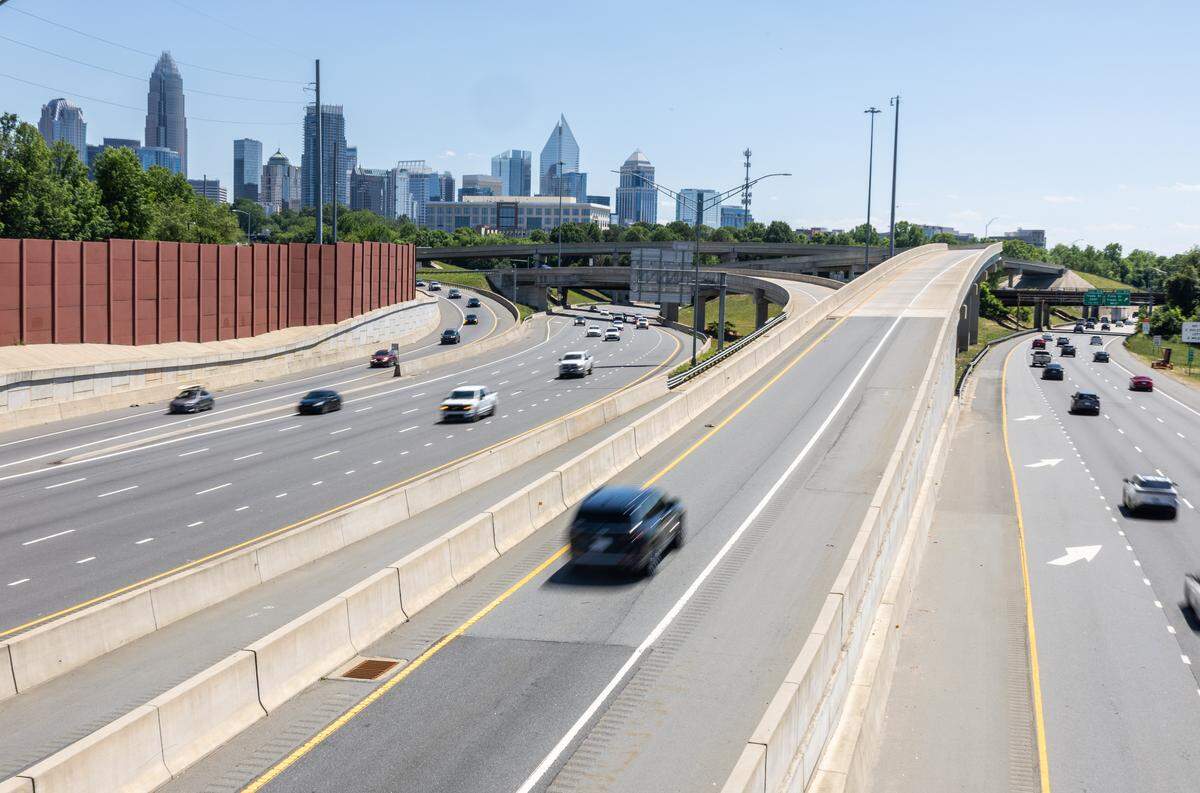
I-77 South, according to NCDOT, has the state’s highest congestion levels, seeing over 160,000 cars a day. The agency estimates that with or without the toll lanes, I-77 will see a 25% increase in traffic by 2050, meaning the roadway will see over 200,000 cars a day.
“Without Express Lanes, congestion on the corridor will worsen and ultimately constrain regional economic growth and opportunity,” NCDOT wrote on a recent slideshow presenting updates on the project.
Charlotte’s love of growth and highways
That sentiment is why the highways were built in the first place.
In 1957, the city, along with state and federal highway officials, agreed on the “Thoroughfare Plan.” It was a 20-year guide that would shape Charlotte’s streets and traffic needs.
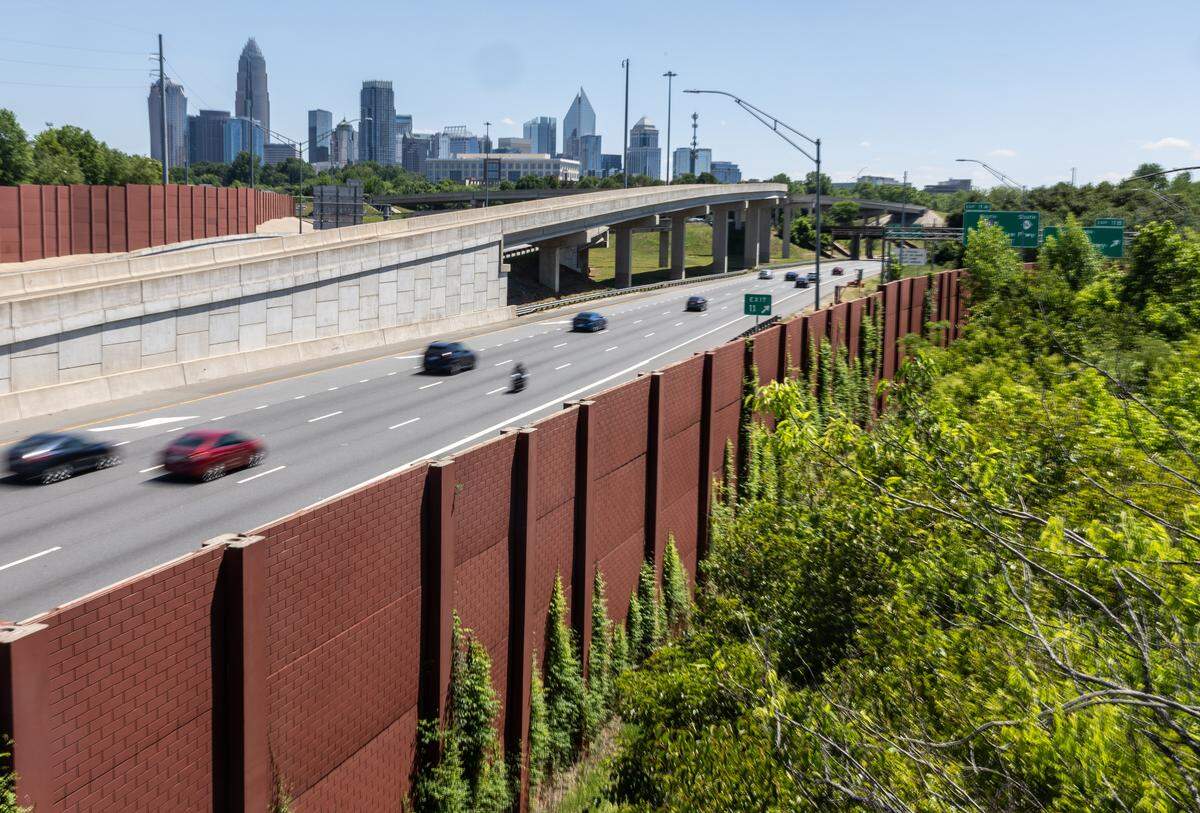
And in April 1960, the plan was unveiled, announcing several street extensions and highways, including the $10 million North-West Expressway, or the Brookshire Freeway. These expressways would rapidly move large volumes of vehicles in and out of the central business district without using local roads.
It was a “transportation must,” according to an April 1960 Charlotte Observer article, because if people couldn’t get in and out of downtown quickly, they would go somewhere else.
Pre-highway life in McCrorey Heights
While the city and state were having highway conversations, families were building homes in McCrorey Heights, one of the few Charlotte neighborhoods where Black residents lived. It’s why Carter-Adamson and her family moved to McCrorey Heights in the early 1960s.
McCrorey Heights was a thriving Black community filled with some of Charlotte’s most influential educators, doctors, lawyers, politicians and civil rights activists
“Everyone knew everyone,” Carter-Buie said. “It was a good life.”
And she does mean everyone.
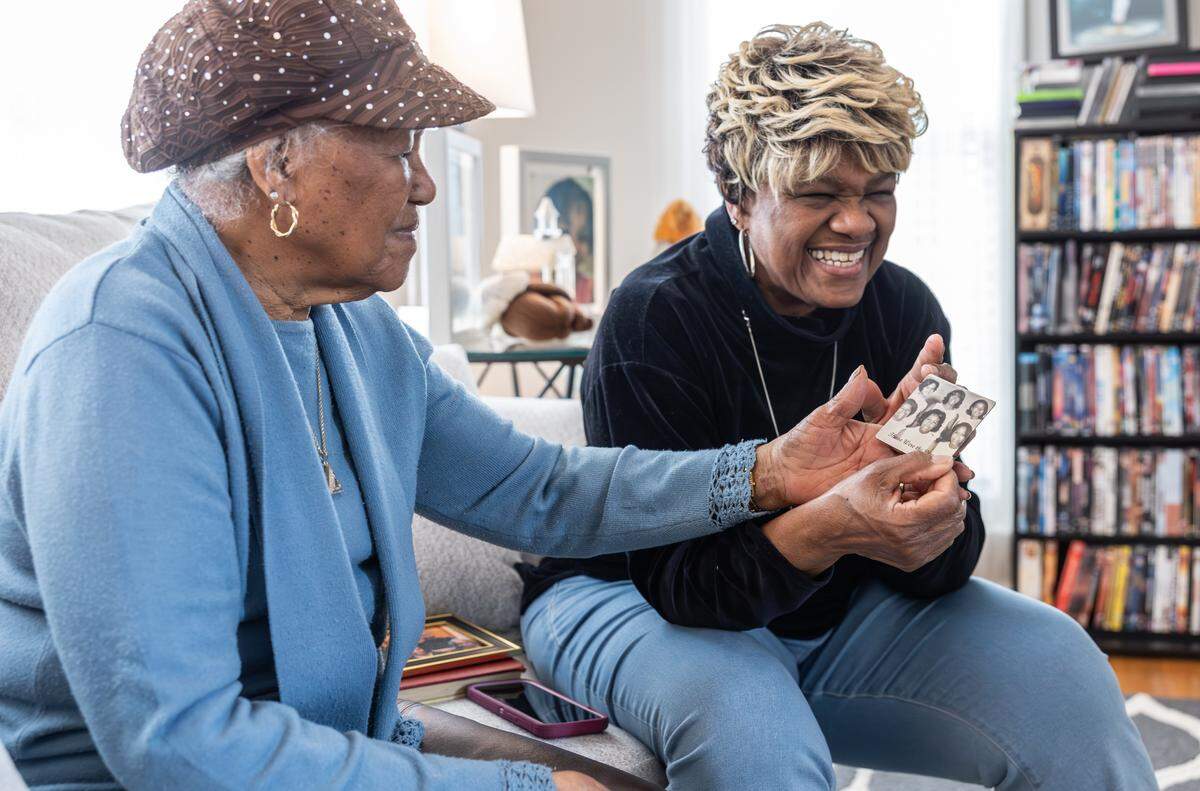
There was Miss Arnold, who may have been a nurse. Roy Hunter and his wife, who may have been teachers. Ms. Evelyn Floyd, definitely a teacher, and Dr. Hill. Mostly, Carter-Adamson remembers the fun.
Darnell Ivory, 74, had a similar experience.
Ivory’s mother, Emily, moved to 1631 Van Buren Ave. after her husband died in 1961. The Ivorys were familiar with McCrorey Heights. Ivory’s grandmother and aunt already lived there.
Ivory was about 11 years old. She remembers watching her brothers swing from a vine Tarzan-style across Irwin Creek. In the woods, the teens cleared a spot for a campfire where they’d roast marshmallows. And when it snowed, Platinum Hill became sledding central.
Ivory and Carter-Adamson didn’t know each other, but their sentiments are the same.
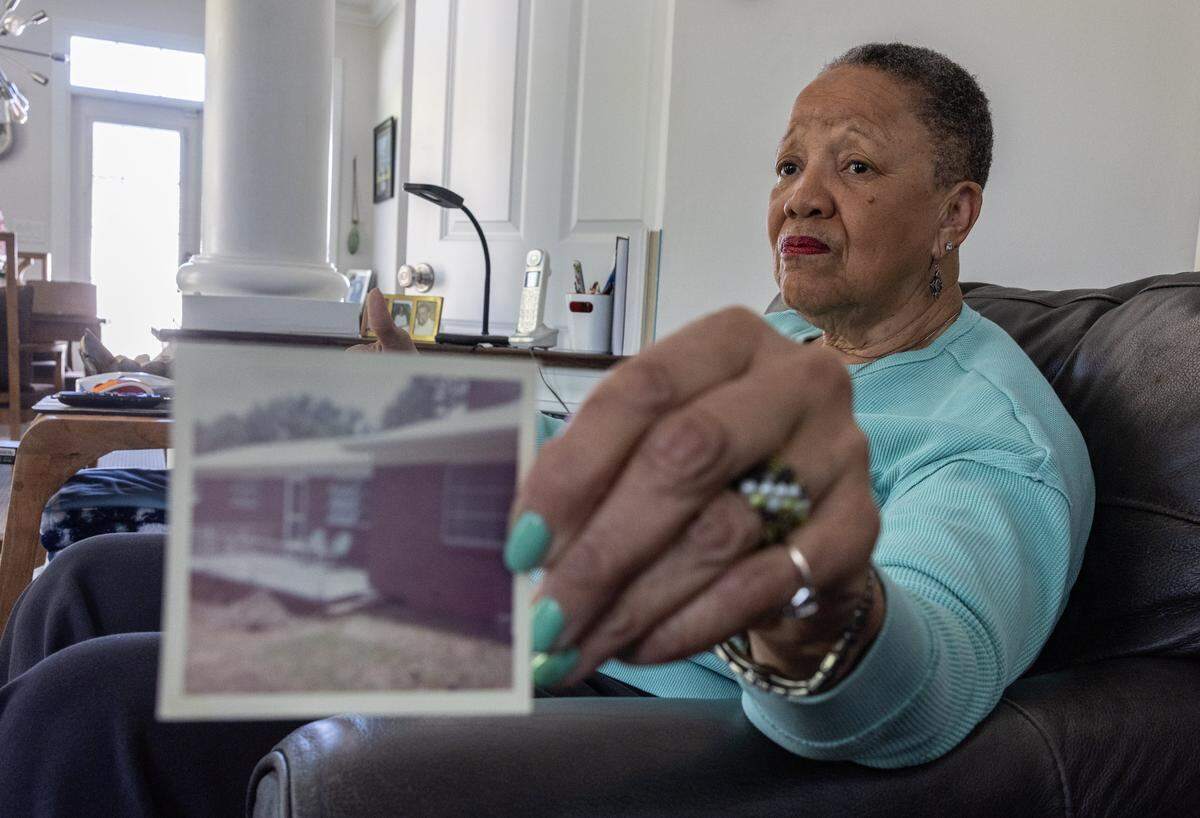
“We looked out for each other,” Ivory said. “This was our neighborhood. If anybody saw us doing something we should not have been doing, then they had the permission to report it to our parents.”
Carter-Adamson continued, “It felt like a safety net. So when the highway came, it sort of shattered it.”
McCrorey Heights displacement
Ivory doesn’t remember what happened when her mom received the letter from the state highway commission. But it came on December 28, 1966.
In a March 1968 Charlotte Observer article, Emily Ivory said she cried all night when the state said it needed her home for the highway.
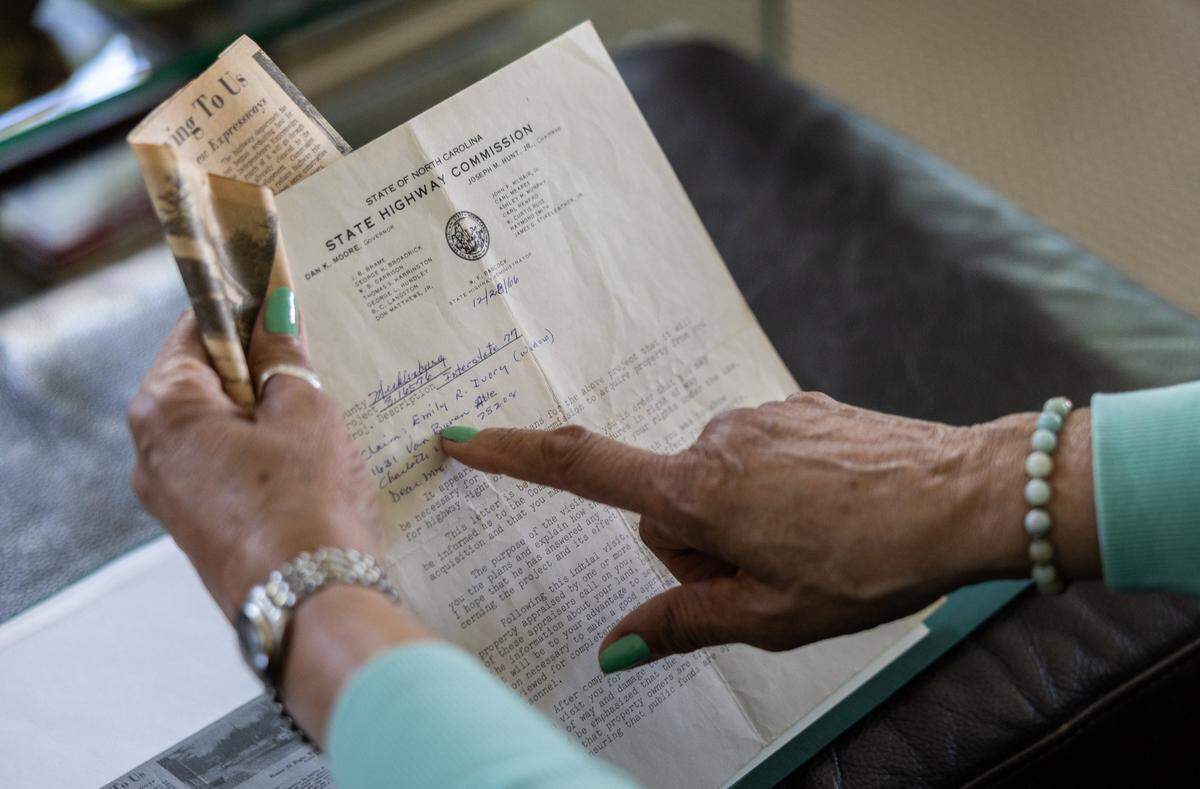
“She had just built the house in ‘62,” Darnell Ivory said. “She was a young widow and never expected to be put in that situation … She’s raising three of us off her income. She’s right there with her sister and mother who were her village. It was emotional.”
Carter-Adamson remembers that sadness.
“When I realized that I was going to be moving, I didn’t want to talk about it,” Carter-Adamson said. “We were going to live in Charlotte forever. That seemed like the plan.”
The Carters and Ivorys took different paths as they prepared to leave the neighborhood they called home.
The Carters sold their house to JCSU Professor William Bluford Sr., who relocated the house to another plot in McCrorey Heights on Madison Avenue.
The Carters then moved to Greensboro before settling in High Point. It worked out for them, Carter-Buie said because they got to move closer to family.
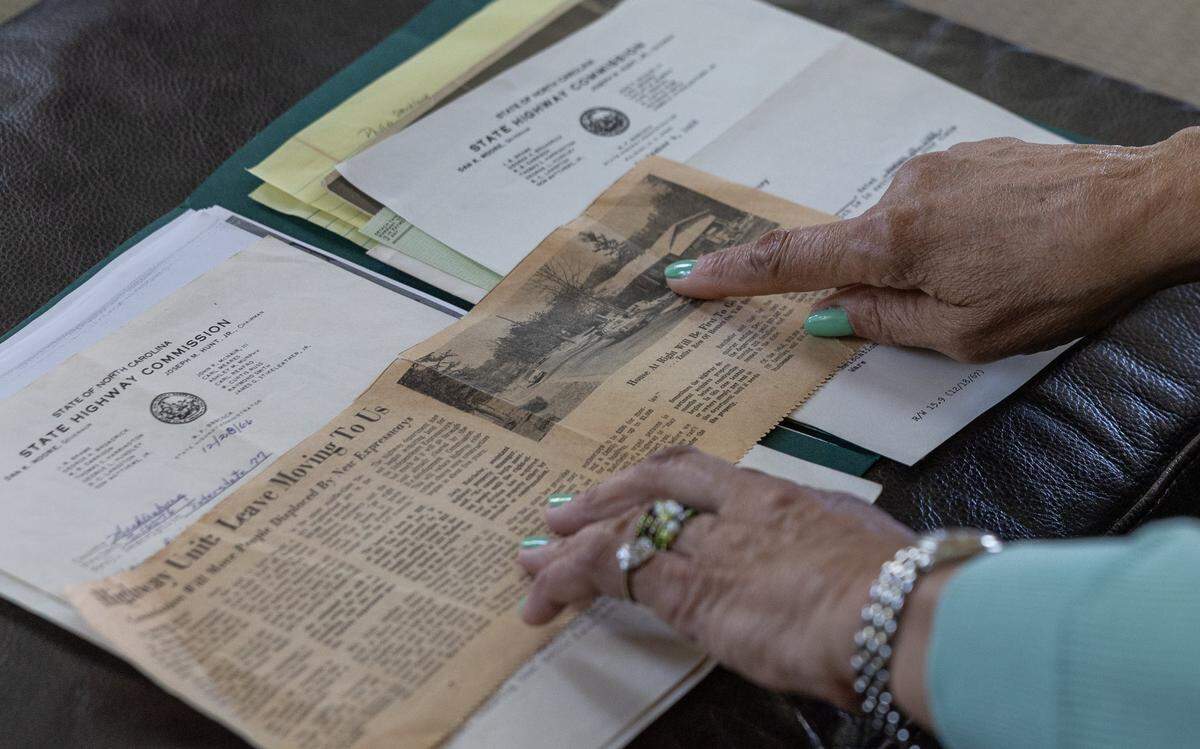
“(The state) paid so well, we ended up not caring,” Carter-Buie said. She doesn’t remember how much the family received.
But the Ivorys received $90 (roughly $900 in today’s dollars) to relocate their home. They moved to Hyde Park, another affluent Black neighborhood in Charlotte.
And it worked out for them too. Ivory’s mother added an extension to the home and a carport.
“She planned this thing, step by step, and knew the outcome would be to her benefit since she had no choice,” Ivory said. “These folks said you have to give us all your information. If you hold anything back, it’s going to hurt you. It was a little threatening to have somebody write that to you and say that to you.
“You feel like your hands are tied, and you don’t have any other choice.”
Hyde Park wasn’t close to McCrorey Heights. Though she knew she’d come back to the neighborhood because of her aunt and grandma, the move was still a social shift for Ivory.
It was a shift for the people who stayed in the neighborhood too, according to Lorena Hawkins, Ivory’s cousin.
“You lost your friends,” Hawkins said. “They weren’t as accessible.”
What’s next for I-77 South
Carter-Adamson and Ivory were disappointed to hear that I-77 will once again disrupt lives around Charlotte.
Both understand the need to expand, but at what cost?
Carter-Adamson experienced displacement twice because of city growth. Once in McCrorey Heights and again in Greensboro for a city dump.
But for McCrorey Heights and the uptown neighborhoods, Ivory said displacement was bound to happen again because NCDOT built I-77 so close to existing homes.
It feels like a take-over again of Black neighborhoods, Ivory said.
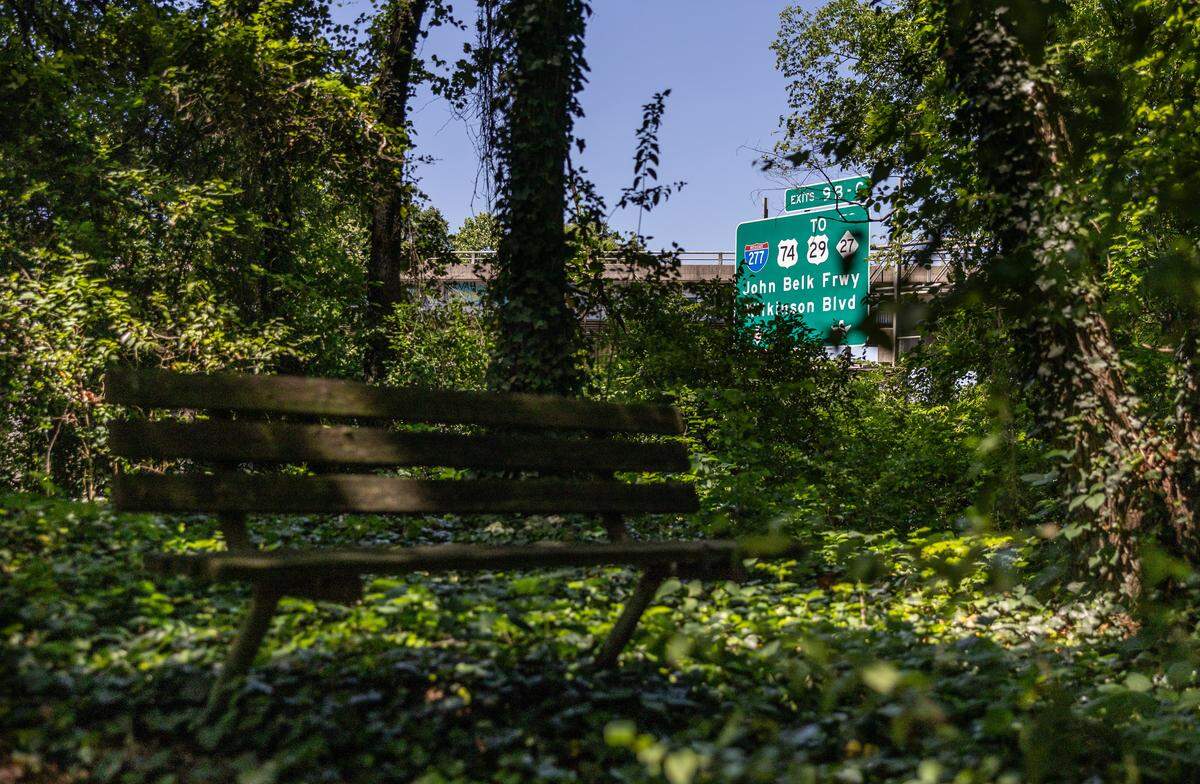
Rita Dawkins agrees. Her mother still lives on Van Buren. While homes in McCrorey Heights won’t be taken this time, an elevated highway will be built nearby. Oaklawn Avenue Bridge, one of the vital entry points into the neighborhood, will be reconstructed.
“You’re saddened and angry about it because it’s still being done,” Dawkins said. “It’s still a threat.”
On Monday, May 11, Charlotte City Council will discuss a proposed resolution asking NCDOT to pause any “irreversible actions” on the I-77 project until it satisfies a list of its requests.
Whether that includes home acquisition is unclear. But NCDOT has a fight on its hands, Ivory said.
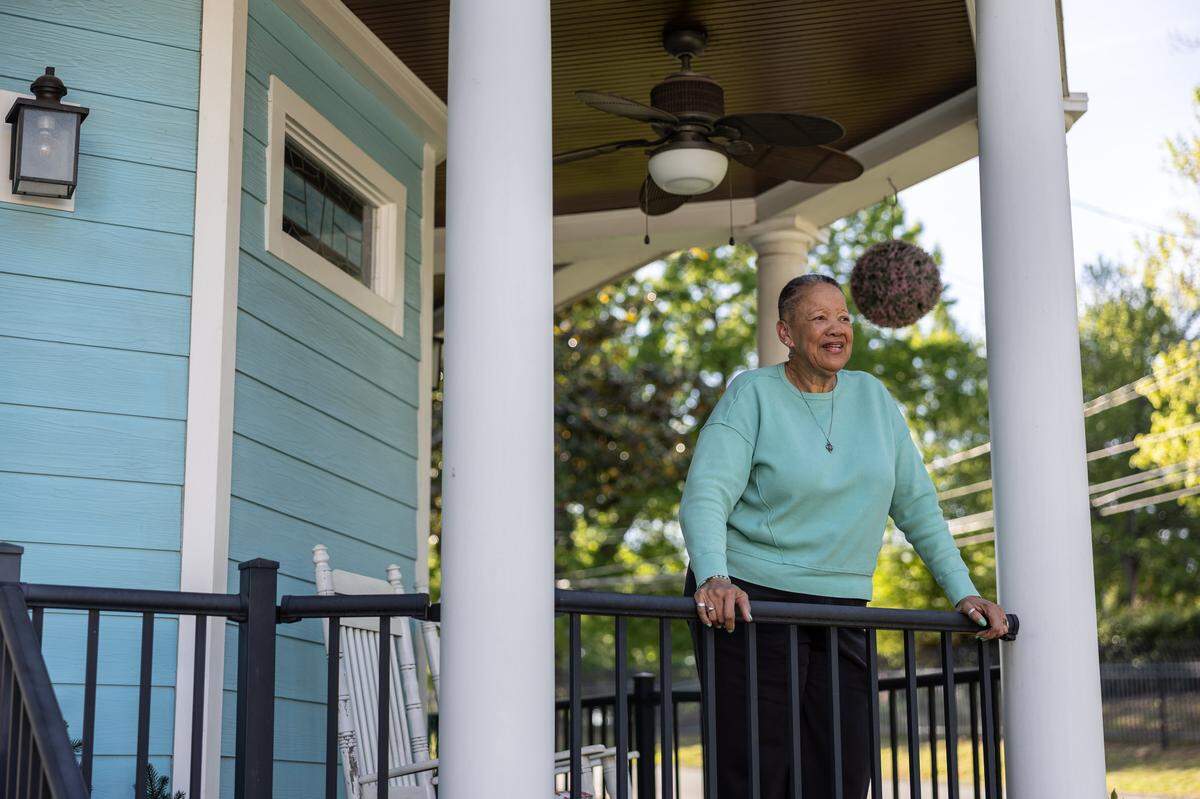
“I think they thought people were going to sit back and let them do it again,” Ivory said. “And that’s not happening.”
Back to McCrorey Heights
Displacement looks different in the 1960s then it does now. For one, keeping in touch was harder sans social media.
But in moving to Greensboro, Carter-Adamson kept up with one person, her best friend Karen Davis.
Entering the social media era, Carter-Adamson ended up reconnecting with a few friends after 50-something years. They recently took a girl’s trip to San Antonio, Texas.
In 2024, Carter-Adamson and her mother were invited to McCrorey Heights for a reunion. It had been a long time since Carter-Adamson roamed her old neighborhood.
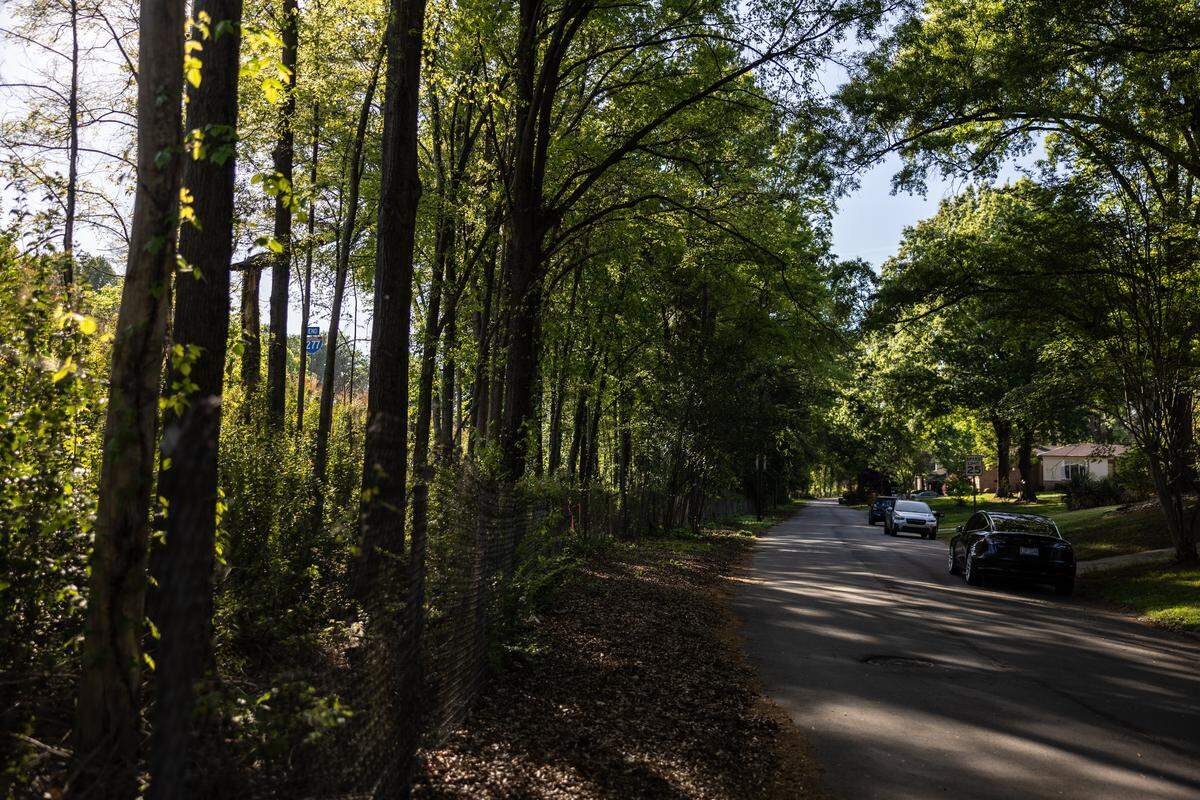
She headed to Fairfield, which ends at Van Buren now. Memories surrounded Carter-Adamson. Like an oasis to a thirsty traveler, she saw her house atop the hill transposed upon the highway embankment.
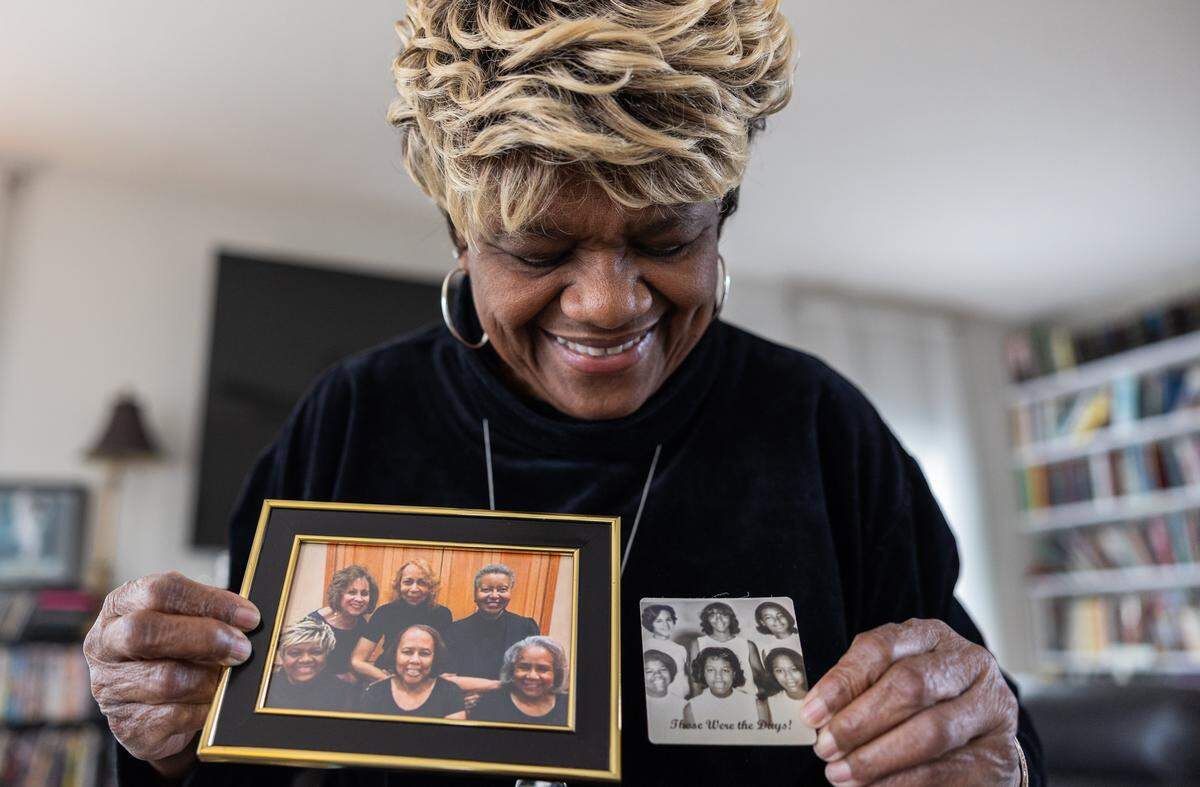
Carter-Adamson remembered what she had and what was taken.
“I was standing there, and it was like I was in a dream,” Carter-Adamson said. “You look down the street and there used to be woods. Now, there’s a highway. And I said, ‘That’s where we used to live.’ ”
This story was originally published May 11, 2026 at 5:15 AM.