Charlotte shoppers still favor these 3 grocery stores, new industry report says
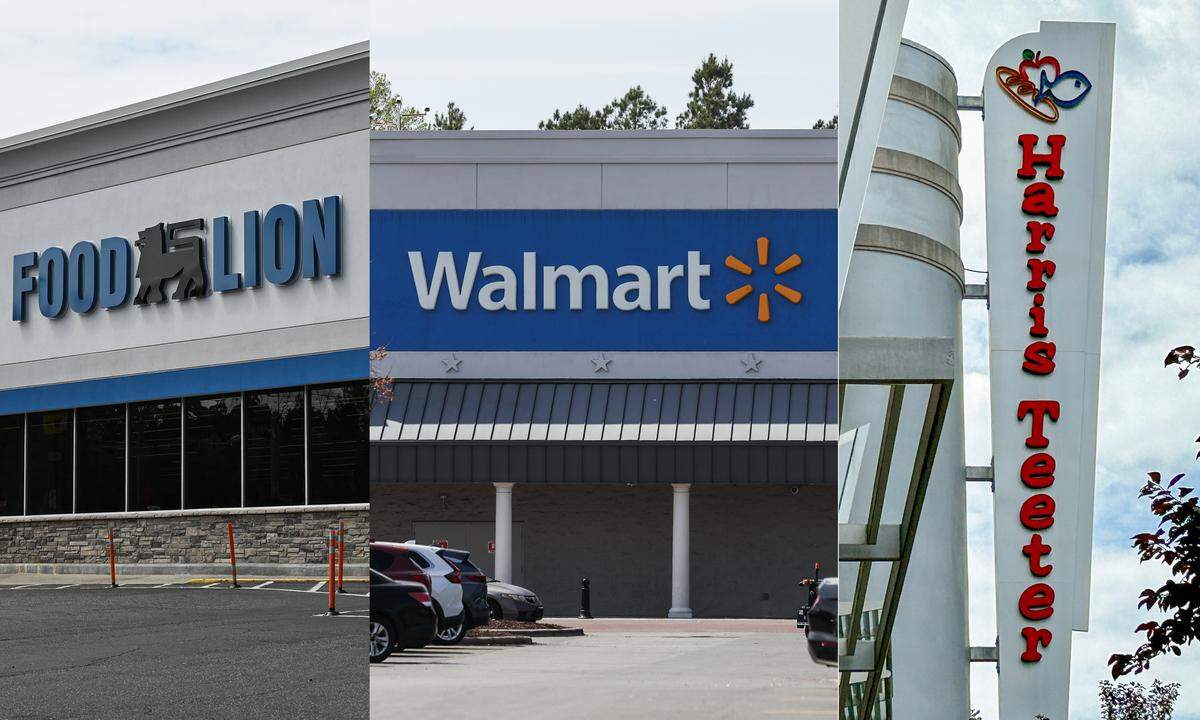
For the seventh year in a row, Walmart captured more money from Charlotte-area shoppers than any other grocery store, despite intense competition from local grocers like Harris Teeter and Food Lion.
It remains a lucrative market, and saw record sales of over $10.8 billion last year — a 4% increase from $10.4 billion in 2024, according to a new annual report by Chain Store Guide released Monday . The sales tracking firm gets its data directly from grocery stores.
Walmart grabbed 23% of the market share last year, the same as in 2024. It accounted for $2.4 billion in revenue, the same as 2024.
There are 737 grocery stores in the Charlotte region, up from 729 in 2024, according to the report. Dollar General has the most stores, 149, followed by Food Lion and Family Dollar. This fall, the highly-anticipated debut of the Charlotte-region’s first Wegmans will likely further shakeup the market.
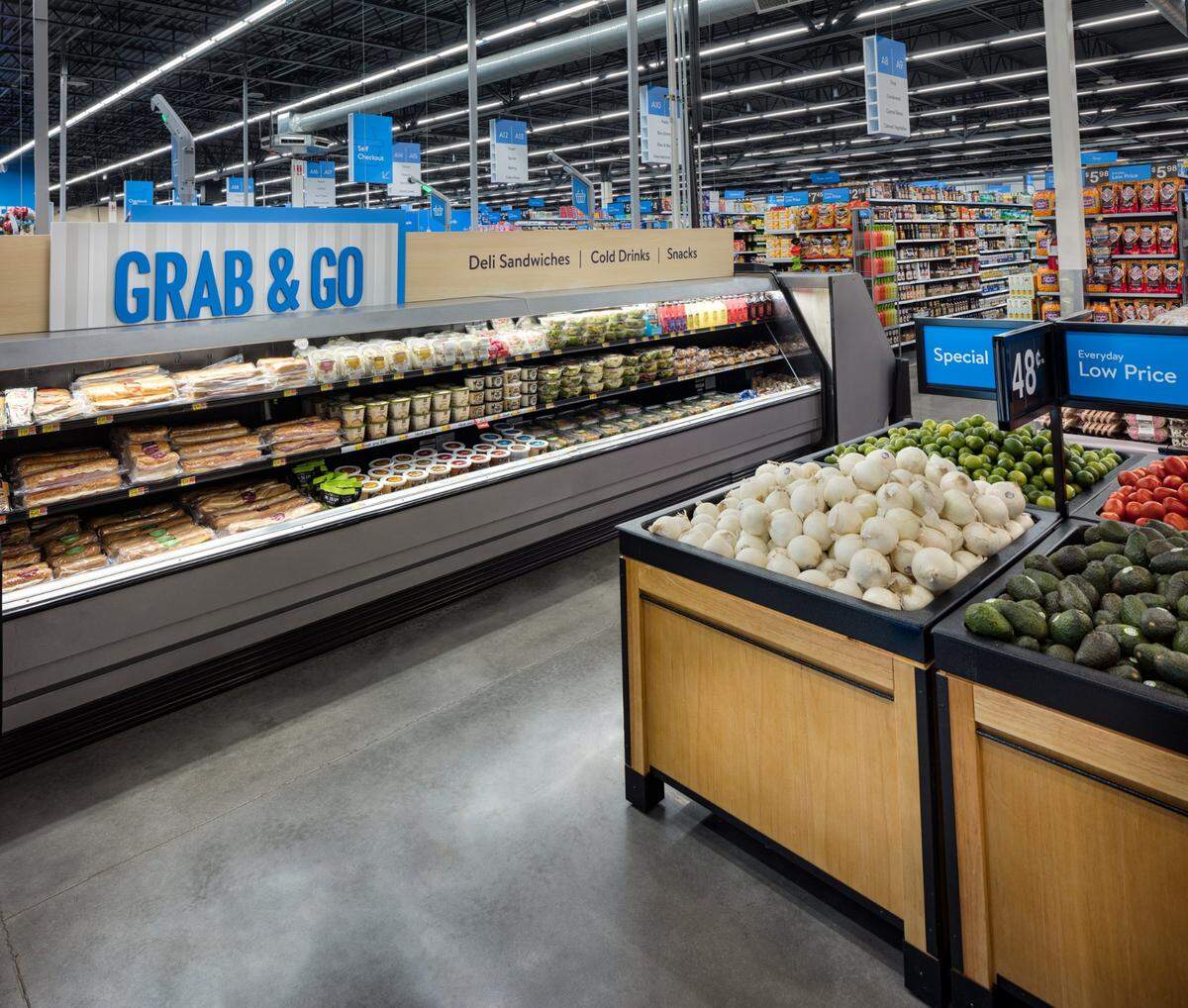
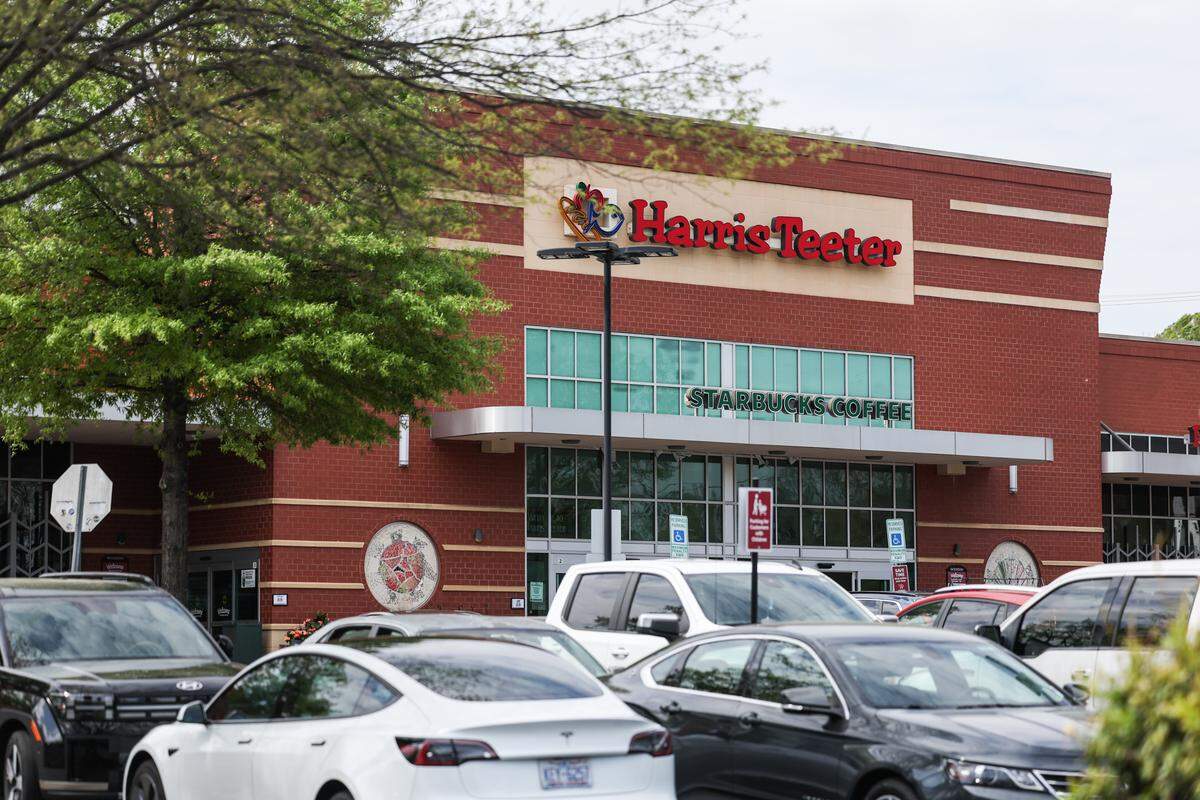
Matthews-based grocer Harris Teeter, owned by The Kroger Co., remained second in market share for the seventh year. It had $1.7 billion in regional sales and 15.7% of the market share. That’s a slight decrease from 15.9% of market share in 2024.
Salisbury-based Food Lion, owned by Ahold Delhaize, consistently ranks third. Food Lion took 15.5% of the market share last year, which was up from 15% in 2024. Food Lion saw $1.7 billion in sales compared to $1.5 billion in 2024.
The trio of chains continues to make up over half of all local grocery sales.
Since 2019, Walmart has dominated the Charlotte market share after knocking Harris Teeter from its No. 1 spot. Harris Teeter had ranked No. 1 from 2016 to 2018. Now, Food Lion is edging up to Harris Teeter by sales revenue.
“We’ve continued investing in our stores through remodels and upgrades, including seven in the market last year alone,” retail giant Walmart said. “We’re focused on helping customers save time and money with a wide grocery assortment at everyday low prices, plus fast pickup and delivery in as little as an hour.”
Food Lion said it focuses on “affordable prices” while announcing in November that it is investing nearly $500 million in store remodels across its Charlotte stores.
“These remodels reflect our continued commitment to investing in the community and making shopping convenient for our customers,” the company said.
Harris Teeter did not respond to a request for comment.
Florida-based Publix also gained market share last year at 11.1%, up from 10.8% in 2024. The total sales revenue was $1.2 billion compared to $1.1 billion in 2024. Publix also added one store for a total of 28, according to the report.
About the Charlotte grocery market share report
Walmart has 32 supercenter stores in the region, Harris Teeter has 60 stores and Food Lion has 109 regional stores. Only Food Lion’s number of stores changed from 2024, adding six. Walmart Neighborhood Market’s eight area stores gained over $171 million in sales for 1.6% of the market share. That’s a slight increase from $169 million in sales in 2024. The report counts those smaller store sales separately from the Walmart supercenters.
In the report, the Charlotte region includes Cabarrus, Gaston, Iredell, Lincoln, Mecklenburg, Rowan and Union counties, as well as Chester, Lancaster and York counties in South Carolina.

What do the Charlotte grocery numbers show?
So what to make of the latest data in the grocery report?
For one thing, Walmart’s flat market share is a “quiet win” given rising competition as rivals like Food Lion, Publix, and Lidl chip away at its dominance, said California-based supermarket analyst Phil Lempert.
But Food Lion is winning budget-conscious shoppers with its value and private label strength, Lempert said. While Publix attracts higher-income customers for its service and prepared foods, signaling confidence with more store expansions coming.
After Kroger acquired Harris Teeter in 2014, visible changes to stores have been minimal. “That conservative approach preserved the brand but may have also prevented the kind of aggressive reinvention needed to compete against Publix’s experience and Food Lion’s value,” Lempert said.
For a metro growing as fast as Charlotte, stores that survive will have clear identity on price, in-store experience or convenience, Lempert said.
“The ones stuck in the middle will have the hardest road,” Lempert said, referring to Harris Teeter and others.
Other grocers in the Charlotte area
Rounding out the rest of the top 10 in market share were: Sam’s Club, 5.7%; Costco Wholesale, 4.3%; Super Target/Target, 4.3%; Lidl, 2.8%; Dollar General, 2.3%; Aldi 2.2%.
After the top 10, here’s how other stores ranked for capturing market share: Whole Foods Market, 1.6%; BJ’s Wholesale Club, 1.6%, Ingles, 1.5%; Family Dollar, 1%; Trader Joe’s, 0.9%; Dollar Tree, 0.8%; Lowes Foods, 0.7%, The Fresh Market, 0.6%; Sprouts Farmers Market, 0.6% and Earth Fare, 0.4%.
Another 87 stores made up 2.5% of the market share, down from 3.2% in 2024 with 92 stores.
Sprouts is new to the list with three stores. Some other changes of note in the report include:
- Sam’s, with seven stores, gained market share in 2024 over Costco, which has three stores.
- Whole Foods, with four stores, pushed past Walmart Neighborhood Market.
- Lowes Foods with four stores surpassed both specialty grocers Fresh Market, with five stores, and Earth Fare, which closed one store and has two left in the region.
Store expansions continue to shake-up where Charlotte supermarket customers shop.
This year, several grocery stores have opened and more are planned for the region, including from Lowes Foods, Whole Foods Market and Trader Joe’s.
This story was originally published April 2, 2026 at 5:00 AM.