Lessons for Charlotte from a $7 billion transit plan and property tax hike in Texas
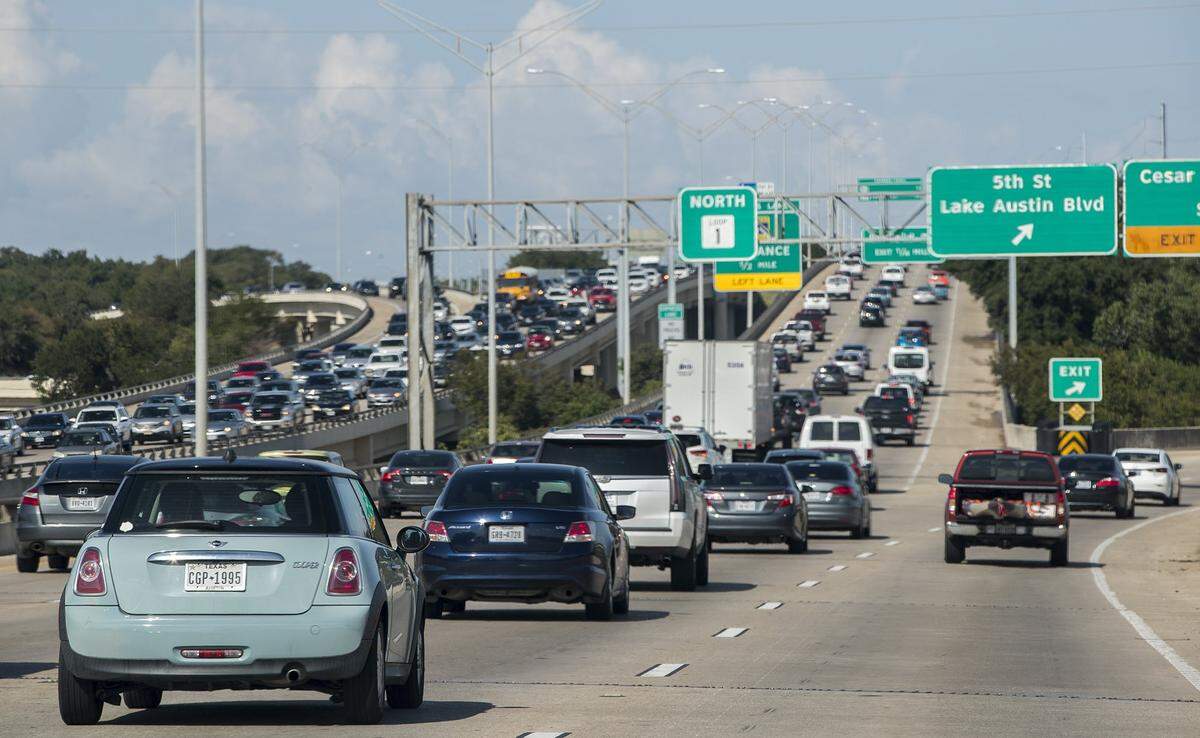
.JPG "In 2019, Austin, Texas ranked No. 10 in the country with the worst congestion, according to one study. A year later, voters approved a massive, $7 billion transit plan that would give people more options to get around and take cars off a road like Interstate 35, pictured here.")
READ MORE
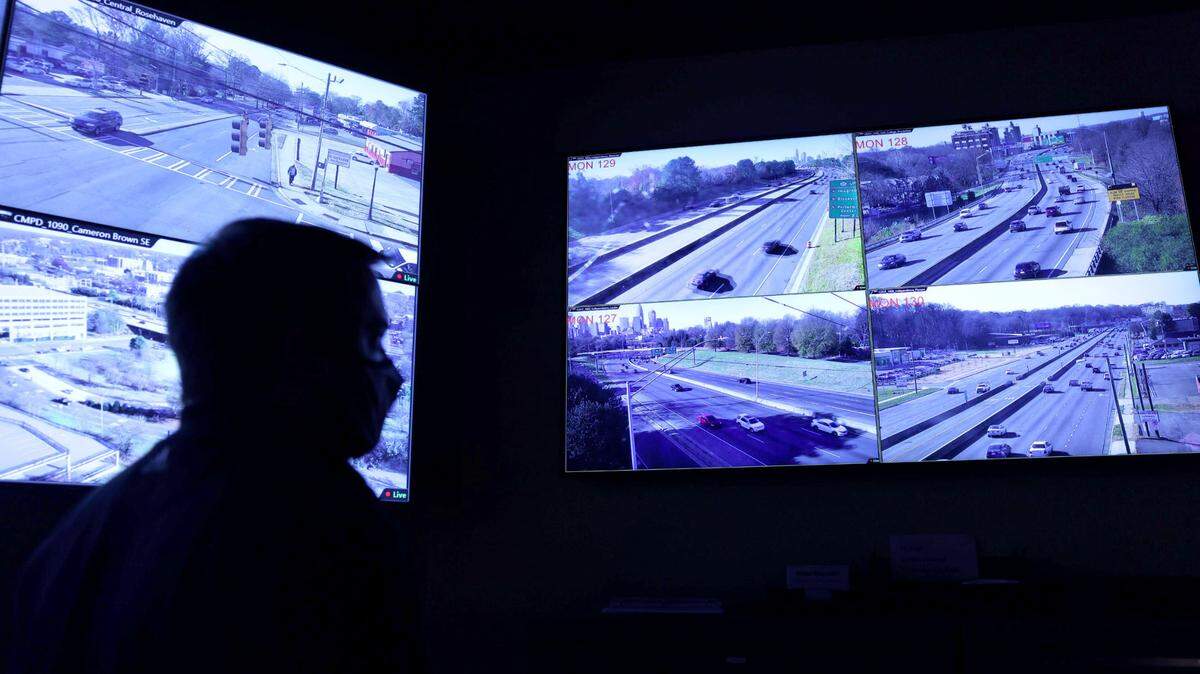
Can Charlotte escape traffic hell?
Expand All
Charlotte and Austin, Texas, have a lot in common — and one big difference.
The two Sun Belt cities boast some of the hottest housing markets in the Southeast. People flock there for jobs and a better quality of life. But with growth comes congestion.
Before the pandemic, Austin was dealing with one of its highest levels of traffic congestion ever, said Chandra Bhat, a professor in transportation engineering at the University of Texas at Austin.
In 2019, Austin ranked No. 10 in the U.S. for most congested traffic, according to a global index study from navigation provider company TomTom. Charlotte ranked No. 34.
A year later, Austin took a major step toward addressing the impact that growth was having on its traffic — voters approved a massive, $7.1 billion transit plan. The city’s share of the plan will be funded by a roughly 4% property tax increase, which is expected to generate $147 million this year, Austin officials said.
In Charlotte, local leaders are looking to a sales tax referendum to tackle $13.5 billion in transportation needs. But it’s not clear whether they can get it on the ballot or if voters would approve it.
City officials could emulate some of the steps Texas took to persuade voters to hike property taxes.
Here’s a look at Austin’s plan and why some backers say it worked.
Lots of scrutiny
In November 2020, around 58% of Austin voters supported the referendum. Known as Project Connect, the plan would create the city’s first mass transit system.
It calls for 27 miles of light rail that would connect the airport and other popular destinations. It also includes a tunnel that would separate two light rail lines from vehicle traffic in downtown Austin, bus rapid transit lanes and other extended bus routes, among other projects. The whole project is expected to take 13 years to complete, Austin officials said.
A second proposition in Austin also won approval to invest in new bike lanes, sidewalks, urban trails and improved intersections. Voters approved $460 million in general obligation bonds to pay for those.
Before those votes, Charlotte officials had already heard from Austin transportation leaders about how they’ve helped push forward transportation initiatives.
Part of the success came from updating the city’s comprehensive plan and creating a clear vision for future growth, Annick Beaudet of the Austin Transportation Department told the Charlotte MOVES task force last July. The city also engaged with the community and those who needed mobility the most as a way to build trust, she said.
So when the property tax vote passed, Charlotte leaders were certainly paying attention, as they need to win approval of a 1-cent sales tax hike to help fund a massive expansion of transportation and transit options.
Over the past two decades, referendums on public transportation measures across the U.S. have won more than 70% of the time, according to the Centers for Transportation Excellence, an information clearinghouse based in Buffalo, N.Y., that promotes public transportation.
Project Connect went through years of public scrutiny and encompassed a range of options, from bus expansions to light rail, that people believed would actually lessen traffic, Austin Mayor Steve Adler told the magazine FastCompany.
Austin’s plan will take an estimated 250,000 daily car trips off city streets, the mayor told the magazine.
Texas tunnel concerns
Austin is growing at such a rate that it doesn’t have the financial means to keep building new roads and bridges, professor Bhat said.
While congestion won’t be solved completely, providing more options and investing in a multimodal system has benefits, he said.
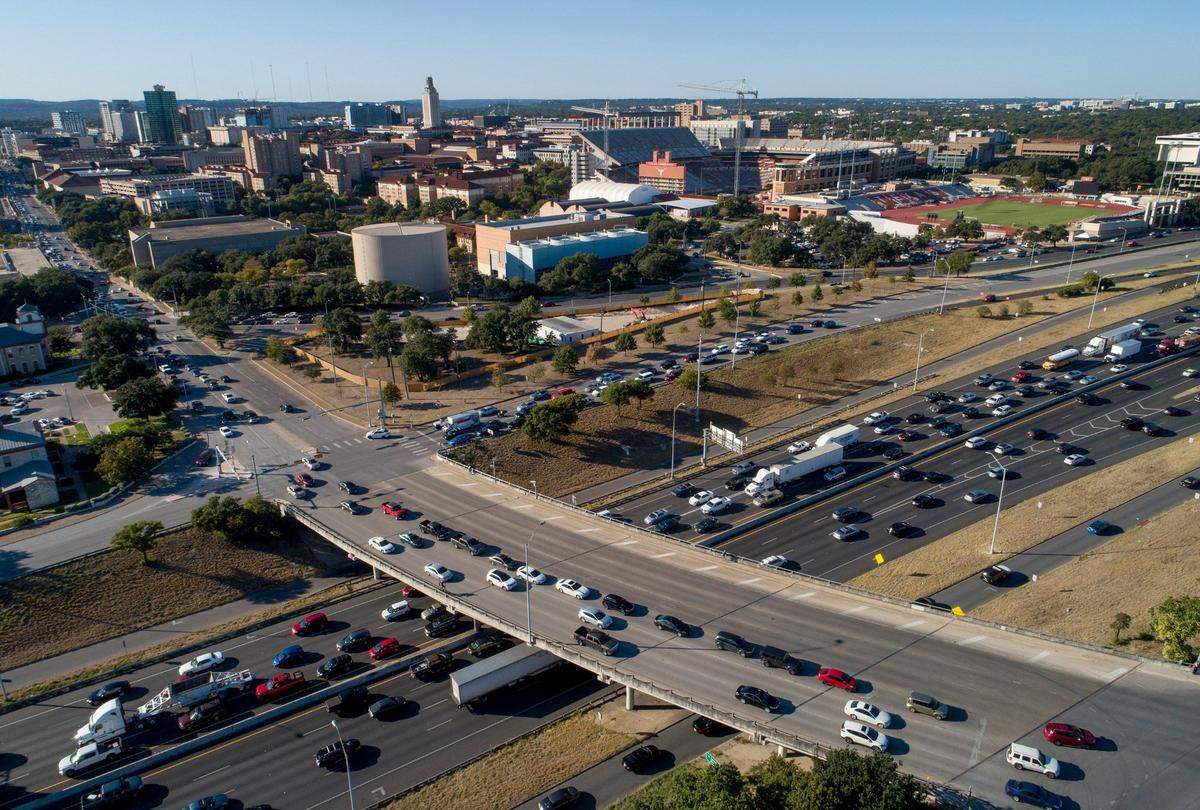
Bhat shared concerns about the tunnel, though, pointing to uncertainties that can arise when digging and not knowing what you’re going to hit. He pointed to Boston’s infamous “Big Dig” as a cautionary tale, a highway project that dragged on for years and ran into a number of problems along the way.
Austin officials have a goal of getting half of the people to use cars and the rest to use public transit or transportation by 2039. And they’re hopeful that building out the $7 billion plan will get them there.
This story was originally published December 19, 2021 at 6:00 AM.