
A timeline of the Belk department store: From 1888 to now
READ MORE
Belk after Bankruptcy
Expand All
‘It’s not enough.’ A year after Belk’s bankruptcy, retail experts remain skeptical
A timeline of the Belk department store: From 1888 to now

These retail stores opened in the Charlotte area over the past year, despite COVID
Do you shop at Belk? Take our survey and let us know about your favorite retailers.
Belk has grown from one bargain store in Monroe to nearly 300 stores across the Southeast with over 17,000 employees during the last 134 years.
The iconic brand is synonymous with Charlotte, where it’s headquartered, as Macy’s is with New York City.
Belk survived the Great Depression, two world wars, the Great Recession, the COVID-19 pandemic and bankruptcy. Thousands of locals have worked there, bought prom and wedding gowns, and jewelry for special occasions. Several people shared their memories with the Observer last year.
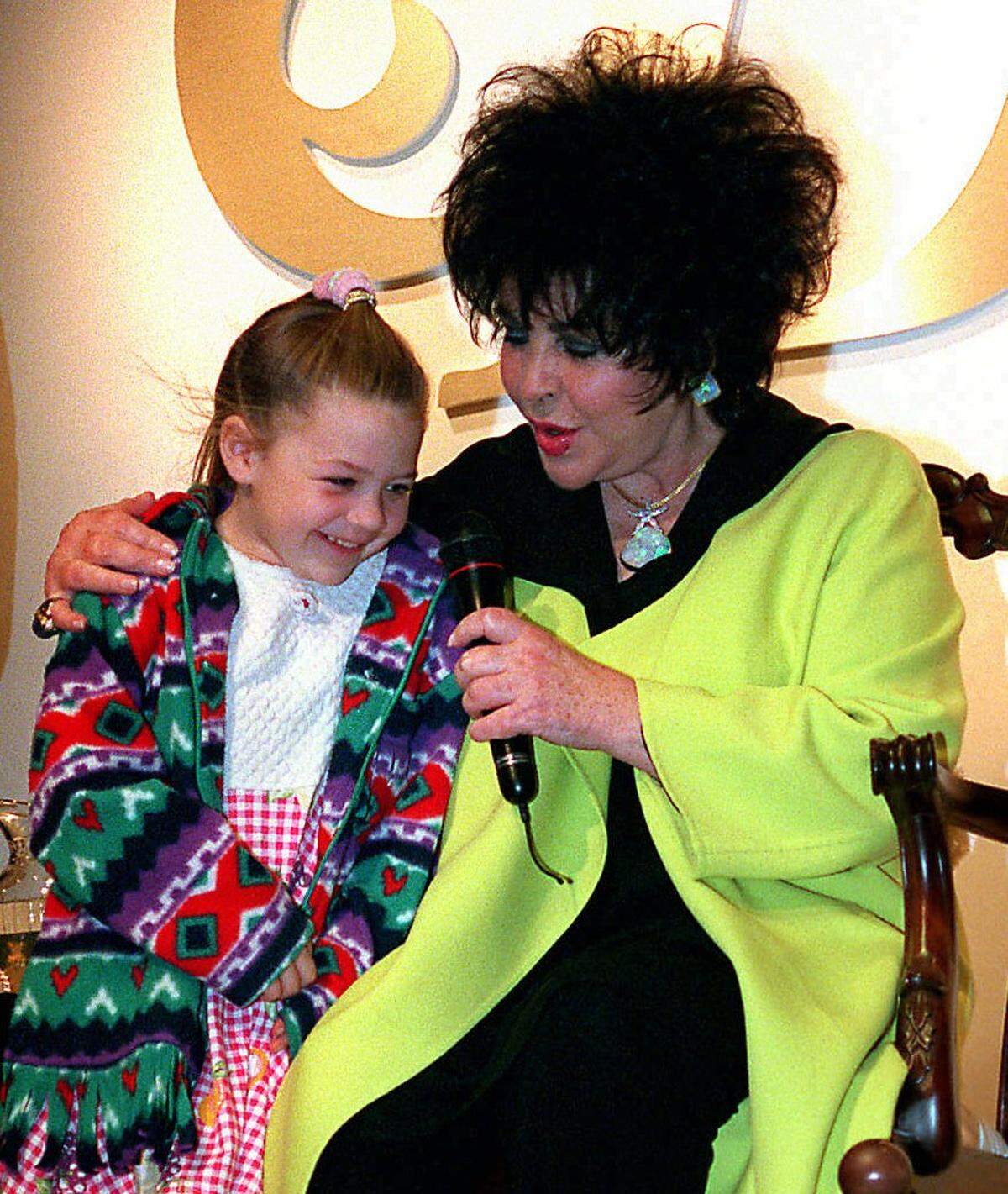
Celebrities and fashion icons have appeared at the flagship SouthPark mall store through the decades, from Oscar de la Renta and Tommy Hilfiger to Elizabeth Taylor, Sarah Ferguson, Duchess of York, and Cam Newton.
Here’s a brief timeline highlighting some of Belk’s history with information from Belk.com and Charlotte Observer archives:
1888
William Henry Belk, 26, opened a small bargain store called The New York Racket in Monroe on May 29. The store was about 1,500 square feet. All merchandise was marked; no haggling was allowed.
1891
John Belk became a partner and renamed the store Belk Brothers Company, and expanded.
1893
Belk Brothers Company opens a second store in Chester, S.C., followed by a third store in Union, S.C., the next year.
1895
The company’s fourth store opens in Charlotte, becoming its base of operations.
1923
The Belk brothers and their partners operated 20 stores that generated $10 million in annual sales.
1952
William Henry Belk dies at age 89. John Belk had died in 1928. William’s sons John M. Belk and Thomas M. “Tom” Belk led the store until their deaths in 2007 and 1997, respectively.
1955
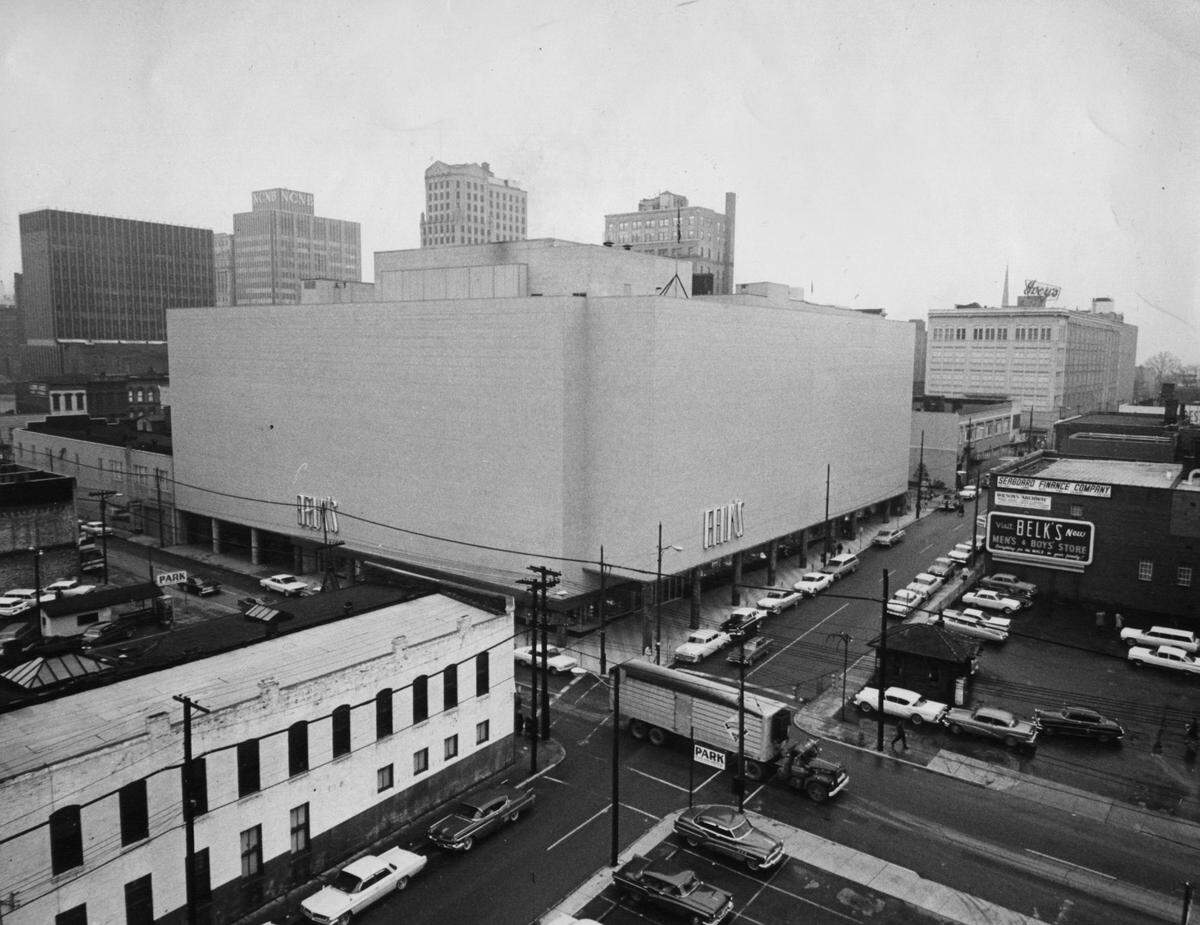
William Henry Belk’s sons transformed Belk from downtown bargain stores to modern fashion destinations in shopping centers and malls throughout the South.
1998
A third generation of Belk family merges all 112 stores into one company — Belk Inc.
2010
In October 2010, Belk launched an updated corporate identity mission, “to satisfy the modern Southern lifestyle like no one else” with a new corporate logo, color palette and tagline – Modern. Southern. Style.
2015
Sycamore Partners acquired Belk for about $3 billion.
2020
Weathering the COVID pandemic:
March: Retail stores like Belk closed across the country due to the coronavirus. Its workers were furloughed.
April: Sycamore and Belk hire Alvarez and Marsal as restructuring advisor.
May: Belk begins a phases approached to reopening with curbside pick-up, reduced hours. Some furloughed employees return.
June: Belk lays off an undisclosed number of corporate office and store employees.
November: Restructuring discussions begin with Belk’s lenders.
December: Sycamore and Belk hire Kirkland & Ellis as restructuring counsel and Lazard as investment banker.
2021
January: Belk announces it will file Chapter 11 bankruptcy in February. Sycamore maintains majority control, with lenders getting a chunk of the company.
February: Belk emerges from bankruptcy 24 hours after filing for Chapter 11 bankruptcy protection in Houston on Feb. 23, giving the company a new infusion of capital and cutting its debt load by about $450 million.
July: Belk promote Chief Merchandising Officer Nir Patel to CEO, replacing Lisa Harper, who had been the CEO since July 2016. Harper is now executive chair of the Belk Board of Directors.

Belk plans to sublease its Charlotte headquarters on West Tyvola Road, shifting its 1,200 corporate employees to remote work full time or part time.
2022
February: Belk expands its Culture Shop, launched in February 2021, to add more diverse-owned and inclusive brands with products including home, apparel, beauty and accessories so customers “feel represented.”
March: The Jonesville, S.C., fulfillment center at 3805 Furman L. Fendley Highway is closing, according to a Worker Adjustment and Retraining Notification letter sent Feb. 28 to the South Carolina Department of Employment and Workforce. The layoff of 310 workers is expected to run from April 30 through May 28, Tim May, general vice president of supply chain operations said in a WARN report filed March 9.
May: The company announces Nir Patel is leaving and names Don Hendricks as interim CEO.
This story was originally published February 25, 2022 at 6:00 AM.