20 for 2020: These N&O stories helped explain and enlighten in a most unusual year
READ MORE
20 News & Observer stories to read from 2020
A sampling of the News & Observer’s journalism from 2020.
Expand All
Whatever else you may say about 2020 — and let’s be honest, we’ve all said a lot — it was memorable.
A global pandemic. Economic hardships. Demonstrations against police brutality and racial injustice. A divisive election season that never seemed to end.
All of these topics are represented among the journalism produced by News & Observer reporters and photojournalists over the past year. Stories of pain and perseverance. Of heartbreak and hope. Of community and unity.
As we transition from 2020 to what we all hope will be a better 2021, here’s a look back at 20 of our most memorable stories from a most memorable year.
100 counties, many different views
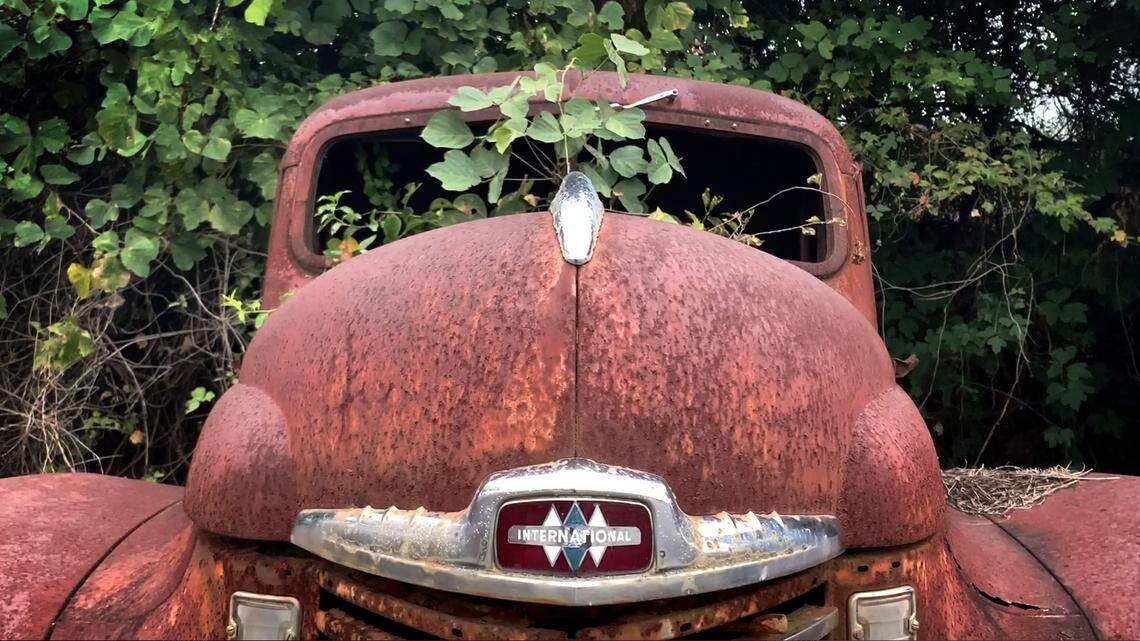
We went into 2020 knowing that North Carolinians would be making some crucial — and no doubt controversial — decisions. Months before the election, in which state residents would choose a president, senator and governor, we spent time talking to folks in every county from the mountains to the coast. The result was Journey Across the 100, a series that showed that opinions across the state were as varied and often as colorful as its natural beauty. https://bit.ly/2WTpTFu
An alarming statistic
North Carolina has one of the worst mortality rates in the nation for infants 1 or younger, and the rate of deaths among black babies is a major part of the problem.
“It’s an atrocity and we need to address it,” Dr. Mandy Cohen, Secretary of the state Department of Health and Human Services, said. In January, we looked at the issue and discussed possible solutions. https://bit.ly/2JrDscn
The Angus Barn’s dean of cuisine
As the Triangle has become known for its dining scene in recent years — with trendy restaurants and award-winning chefs — there’s been one constant. In February, we profiled Walter Royal of The Angus Barn, one of the area’s first celebrity chefs, who has been honing his craft and drawing crowds of satisfied diners for a quarter century. https://bit.ly/3pvh80S
The early COVID-19 disruption
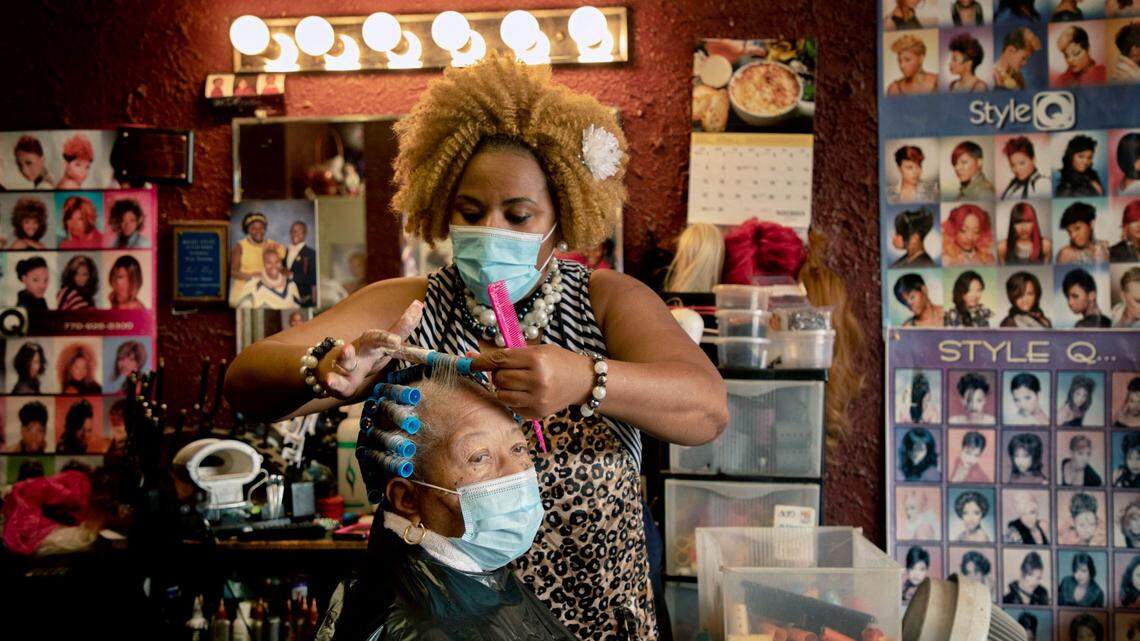
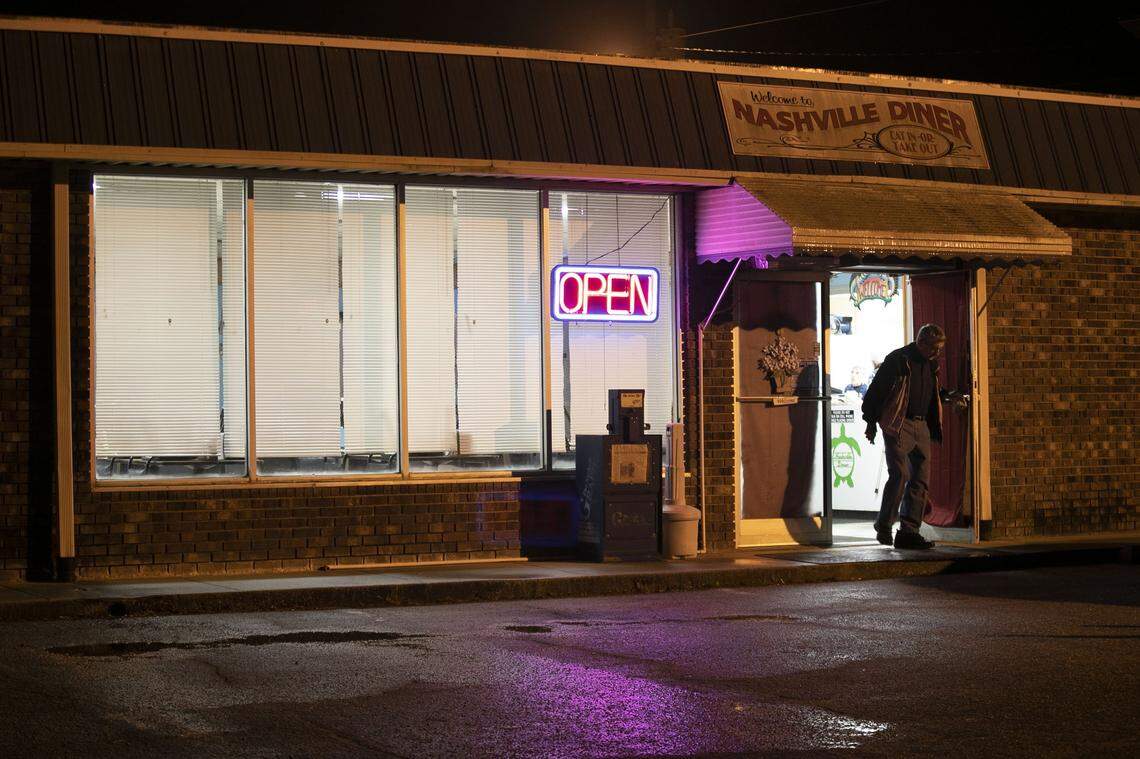
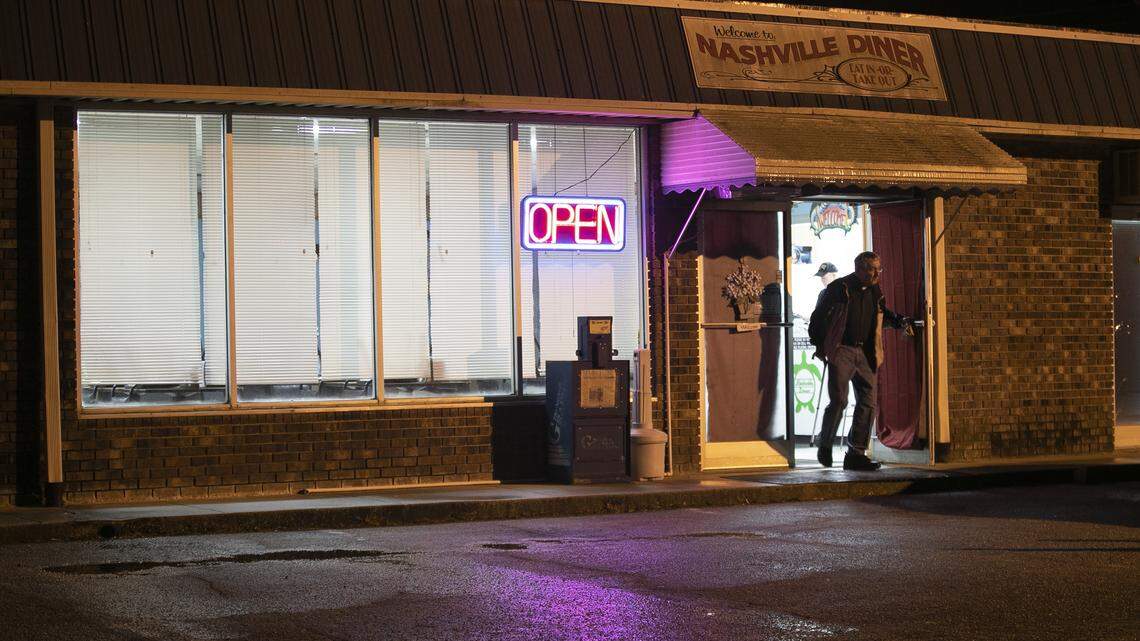
North Carolina reported its first case of coronavirus on March 3. By the middle of that month, schools and businesses had closed. We spent time with the morning regulars at the Nashville Diner, who had to pick up their biscuits to-go rather than leisurely talking over the day’s events in the dining room. Still, people were optimistic about the future, with some thinking things would be back to normal by May or so. https://bit.ly/357ObQX
Fearing death, inmate escaped
In the first month of the pandemic in North Carolina, prisons were particularly hard hit. One of the worst outbreaks in a federal prison was in Butner in Granville County. In April, a Butner inmate serving time for a drug sentence escaped from the facility. Richard R. Cephas contacted The News & Observer while in hiding.
“I signed up for a jail sentence, not a death sentence,” he said. Cephas later turned himself in. He eventually had 18 months added to his sentence. https://bit.ly/2KIviNh

24 hours in a world turned upside down
By mid-April, North Carolina residents were hunkered down under statewide stay-at-home orders. It was like nothing residents had ever experienced. To capture how changed the world had become, our journalists spent 24 hours documenting the disruptions — both big and small — of COVID-19. https://bit.ly/3mPoGty
Protest and anger in the streets
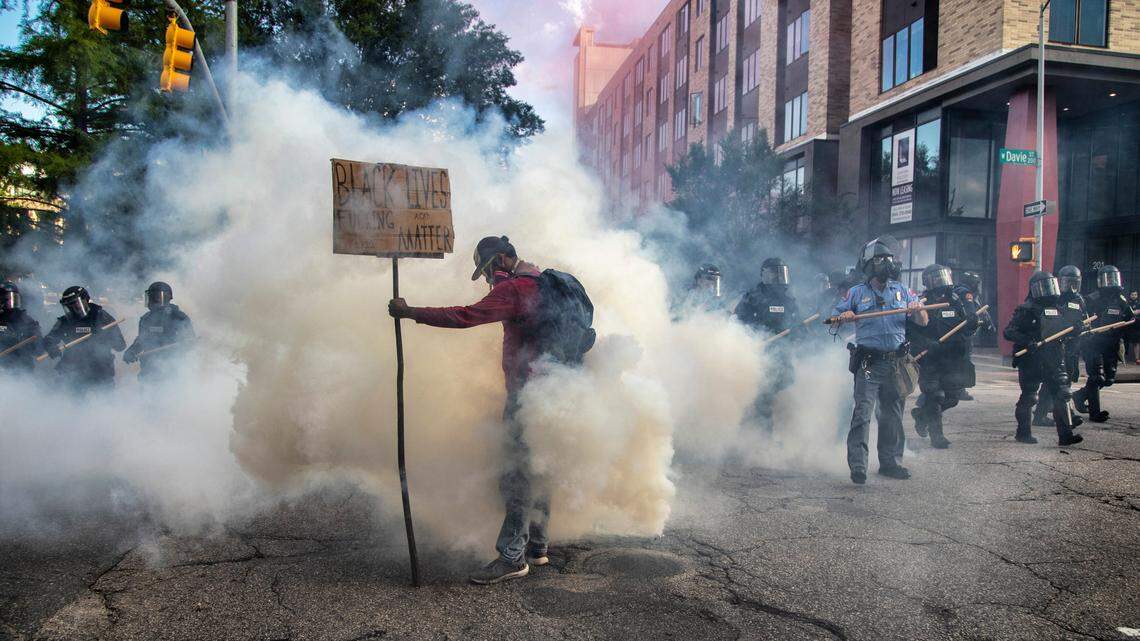
A death in Minneapolis rocked the world in May. George Floyd, a Black man, died shortly after a white police officer put his knee on Floyd’s neck as Floyd complained that he couldn’t breathe. The incident was caught on video and led to days of protests nationwide, including in Raleigh.
The city’s first protest started peacefully. But things grew violent as the night went on, with vandalism and clashes between some demonstrators and police. https://bit.ly/3hrqgRq
‘He changed the world’
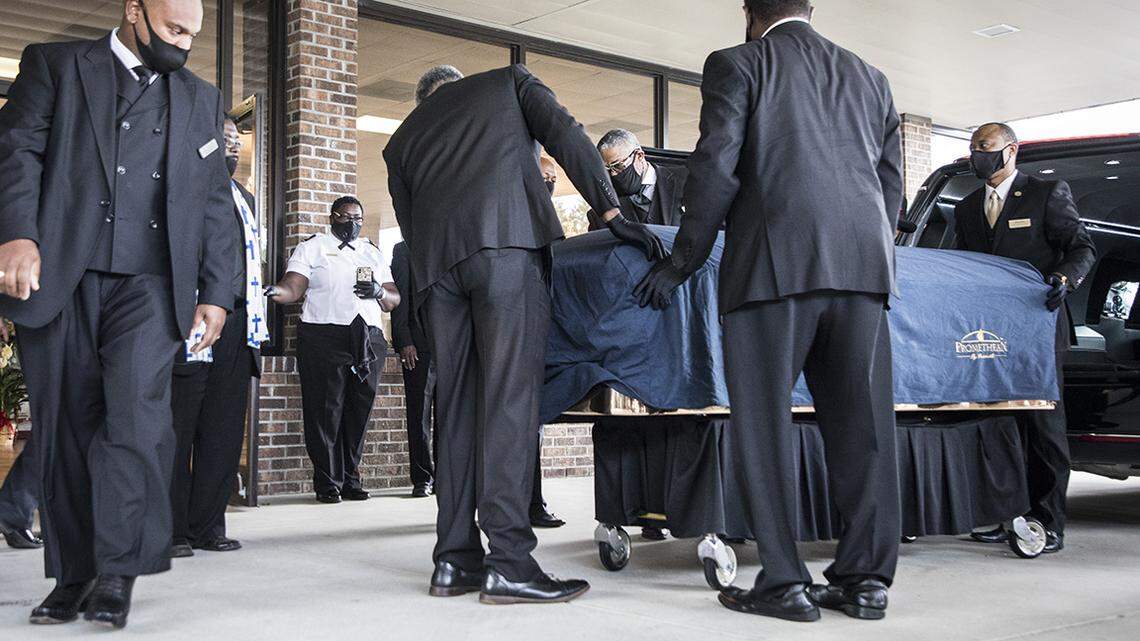
Though George Floyd had lived his life outside the state, he was born in North Carolina and still has ties to the state through family members. He was laid to rest in North Carolina in early June, one of several events to honor his life. People started gathering in Hoke County for hours before the hearse carrying Floyd arrived. Some of those there said they knew the world was watching.
“All eyes being on this community, it’s opened up a lot of eyes to racial injustice,” said Gracie Howard. “This has been going on too long. And George, he changed the world.” https://bit.ly/3rDexna
A cherished tradition looks different
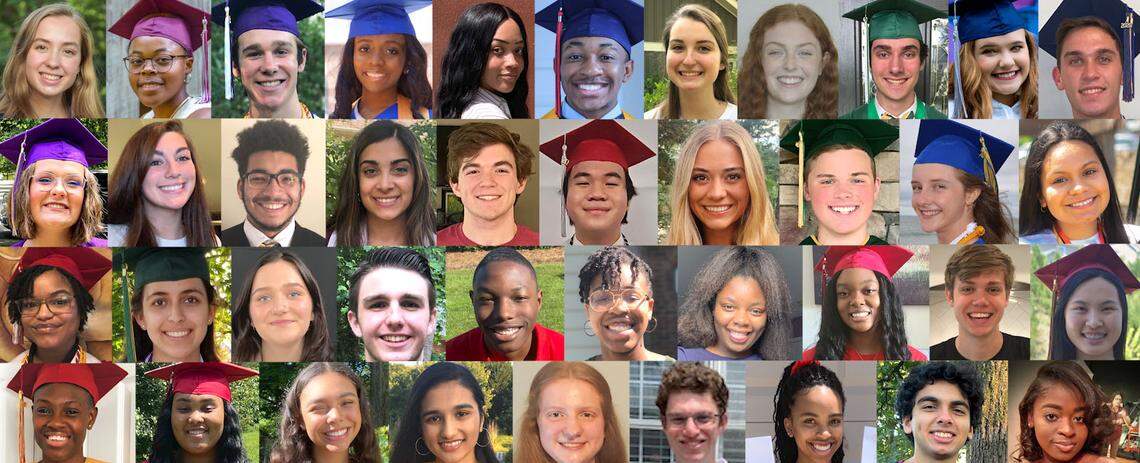
Throughout the year, the normal milestones of life still took place, though now with special attention paid to the 3 W’s. (All together now: Wear a mask, Wait 6 feet apart and Wash your hands frequently). Even though high school graduations didn’t take place, we asked graduates from across the state to share the speeches they would have given. They retained their hope and sense of humor.
“I know our senior year may not have gone as we wished it would have,” said Hailey Linko, a senior at North Johnston High School in Kenly. “But people will definitely remember the Class of 2020.” https://bit.ly/3po6tVE
A leader on the COVID-19 front lines
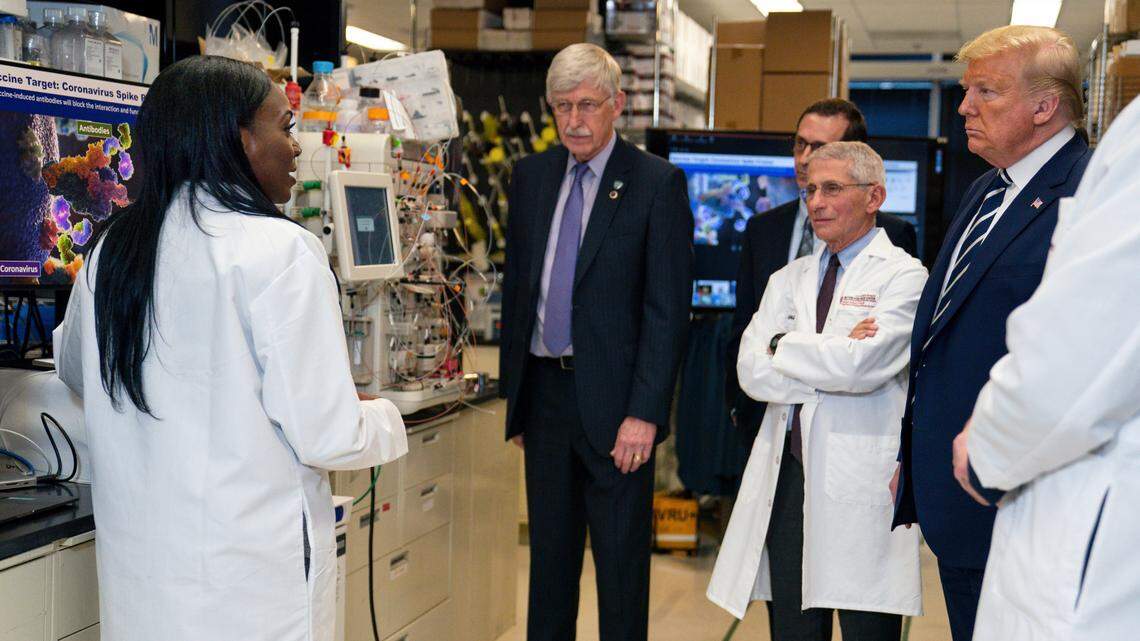
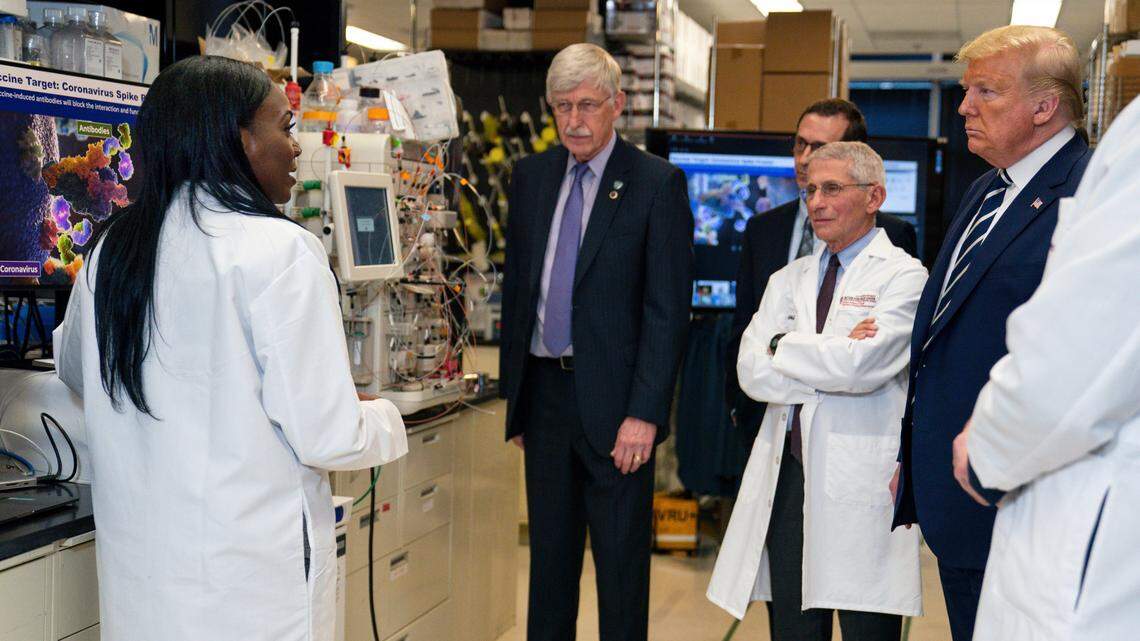
With the pandemic continuing into the summer and the search for a vaccine gaining steam, we profiled Kizzmekia Corbett, who grew up in Hillsborough and earned a Ph.D. from UNC-Chapel Hill. Corbett is a trailblazer: a young Black woman in a field made up mostly of older, white men.
In December, Dr. Anthony Fauci, the country’s top infectious disease expert, hailed Corbett’s contributions in discussing how minority communities shouldn’t fear a vaccine. “Kizzy is an African American scientist who is right at the forefront of the development of the vaccine,” Fauci said. “So the first thing you might want to say to my African American brothers and sisters is that the vaccine that you’re going to be taking was developed by an African American woman.” https://bit.ly/2Mh0DqT
Confederate statues come down
Discussions about racial justice and oppression continued throughout the summer, with more protests about the deaths of George Floyd, Breonna Taylor and others who had been killed in police custody. Another flashpoint centered on statues and memorials to those who supported the Confederacy during the Civil War.
In June, another night of protests in the streets of Raleigh ended with a crowd pulling down two bronze soldiers from the Confederate memorial on the state Capitol grounds. Over the next few days, remaining Confederate statues were removed at Gov. Roy Cooper’s order in the interest of public safety. https://bit.ly/2WU0f3r
Middle-of-the-night legislation
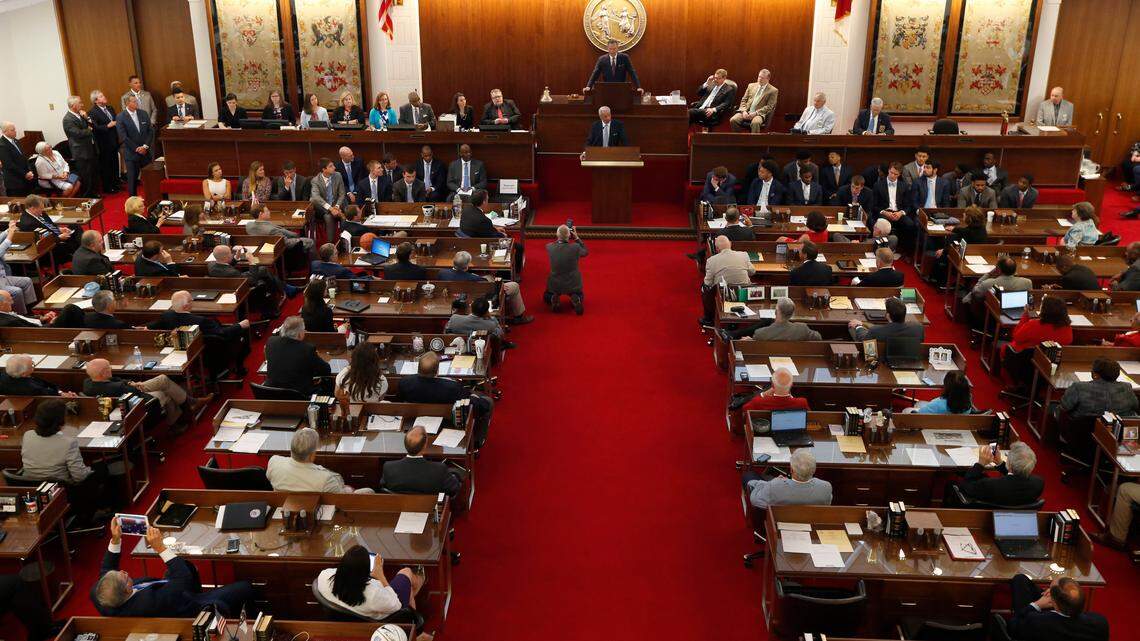
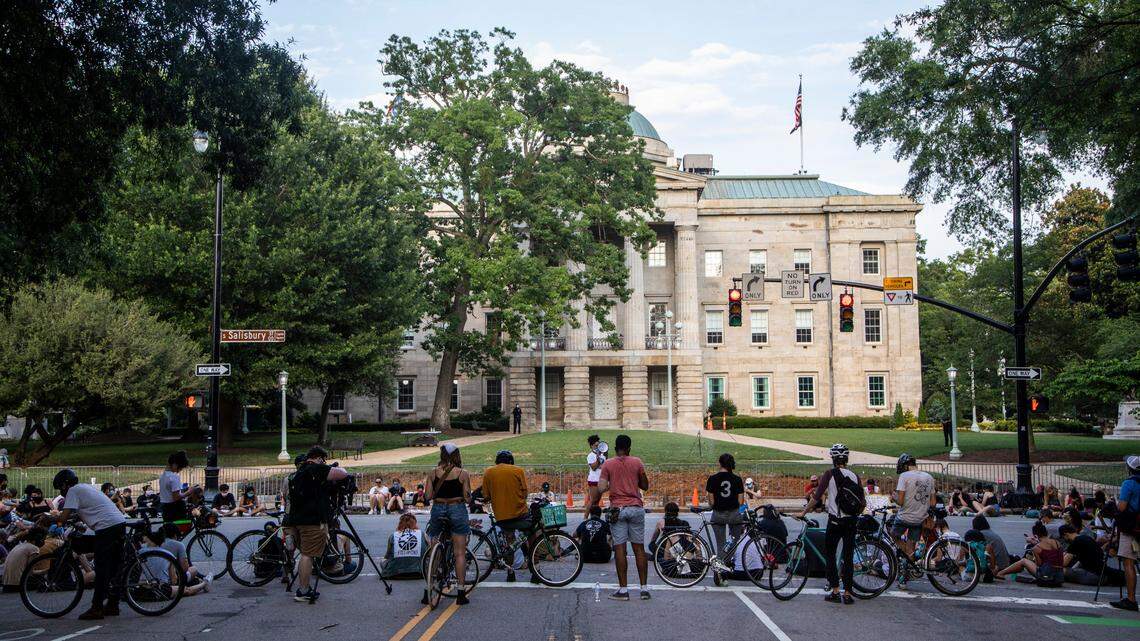
In an after-midnight vote in June, state legislators passed a bill that would have kept the public from seeing death investigation records. Senate Bill 168 was decried by many, including lawyer Michael Grace of Forsyth County, who said, “This is bad public policy for the public and the press to not get this kind of information.” Protesters soon began demonstrating outside the governor’s mansion in Raleigh. Ultimately, Cooper vetoed the bill. https://bit.ly/38H27lB
City Council member allegations and a resignation
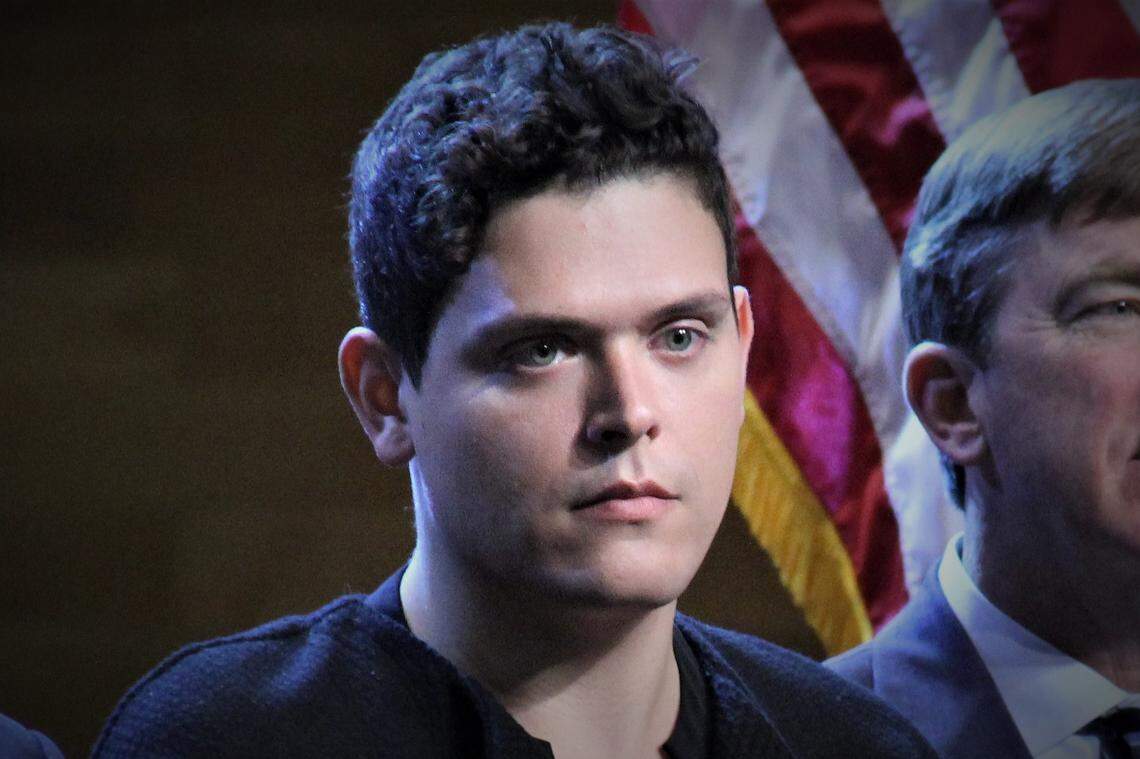
After a lengthy investigation, we reported in June about accusations of sexual misconduct and sexual assault by Raleigh City Council member Saige Martin. Four men who accused Martin were students at N.C. State University, where Martin was a teaching assistant and a master’s degree student. Martin denied the sexual assault allegations and disputed the misconduct allegations. But he resigned his council seat the day the story was published.
“I am sorry for the harm this has caused the community,” he said. https://bit.ly/3pu4OO9
Catching up with Greg Fishel
Area residents hadn’t heard much from Greg Fishel, the popular TV meteorologist, since his abrupt departure from WRAL more than a year and a half ago. But in July, Fishel talked to us in a candid interview ahead of a move out of the area. He discussed his changing opinion on climate change, how he never wanted to dumb down weather for his audience and the “personal issues” that led to the end of his relationship with WRAL. https://bit.ly/3mZvwN0
Unprepared and inadequate
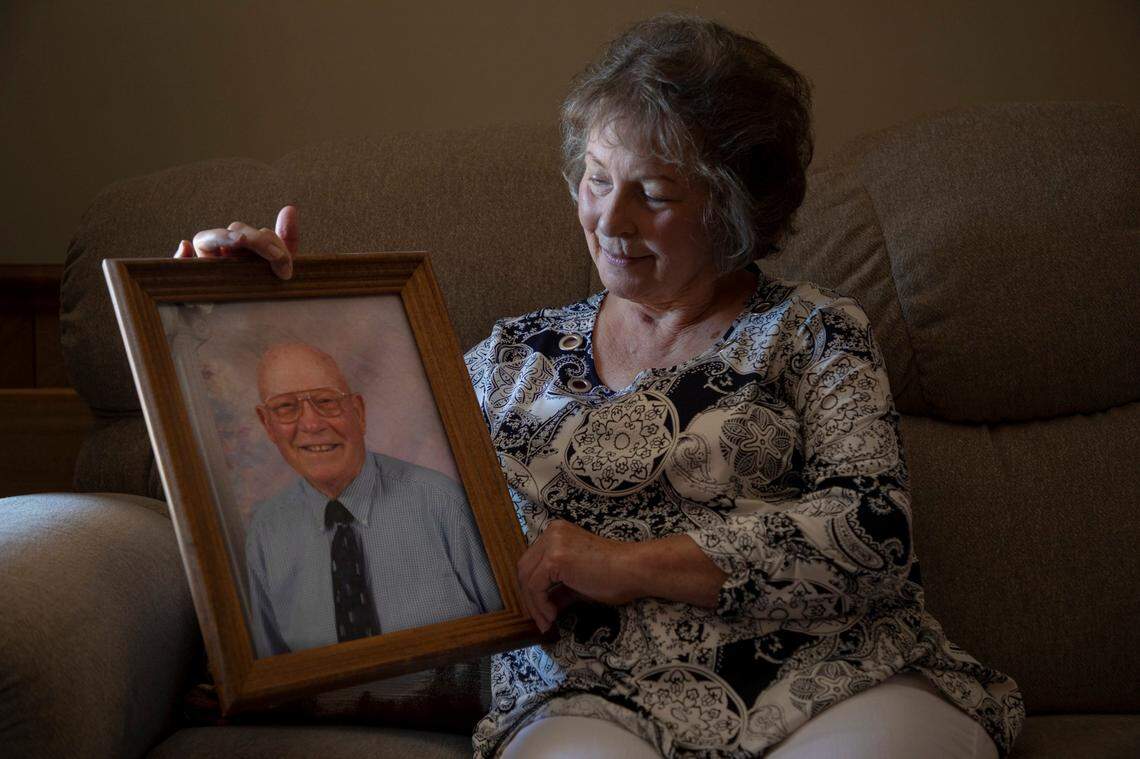
Hurricanes have been a scary reality for North Carolina for years, but an investigation published in August showed that the state’s long-term-care facilities were poorly equipped to properly care for vulnerable residents in severe weather. With strong hurricanes becoming more common, staffing shortages worsening and a pandemic straining resources, officials like Lauren Zingraff were “gravely concerned.”
“We do not have in place the type of emergency preparedness, safety plans, funding and resources to adequately prevent a repeat of what we experienced” with Hurricane Florence, said Zingraff, of the group Friends of Residents in Long Term Care. https://bit.ly/2KWNh2h
Videos show details of jail death
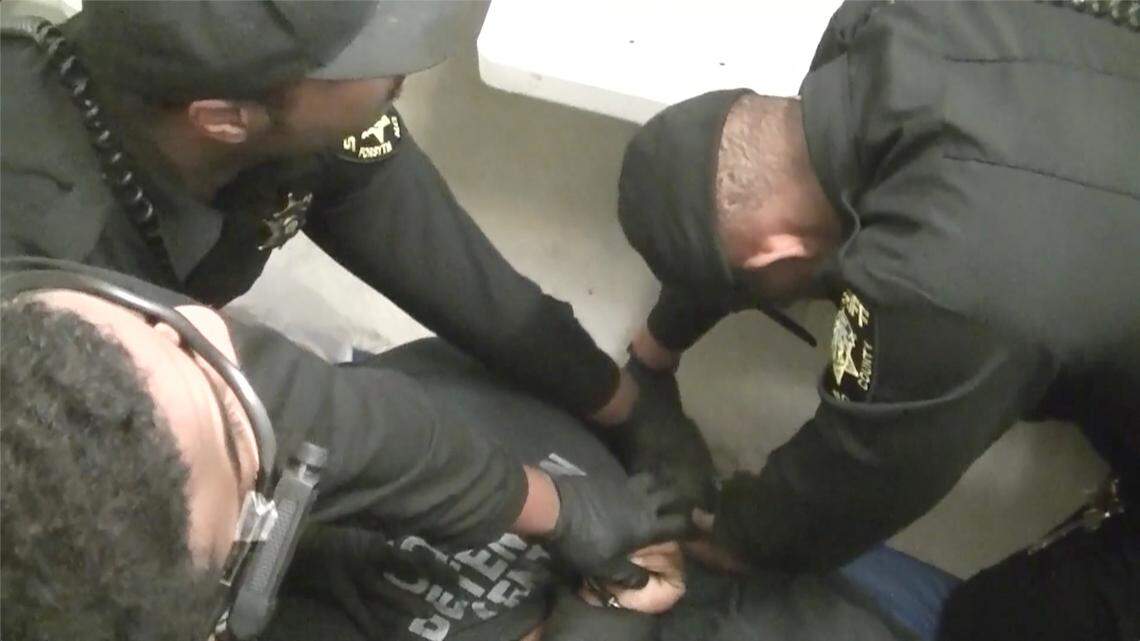
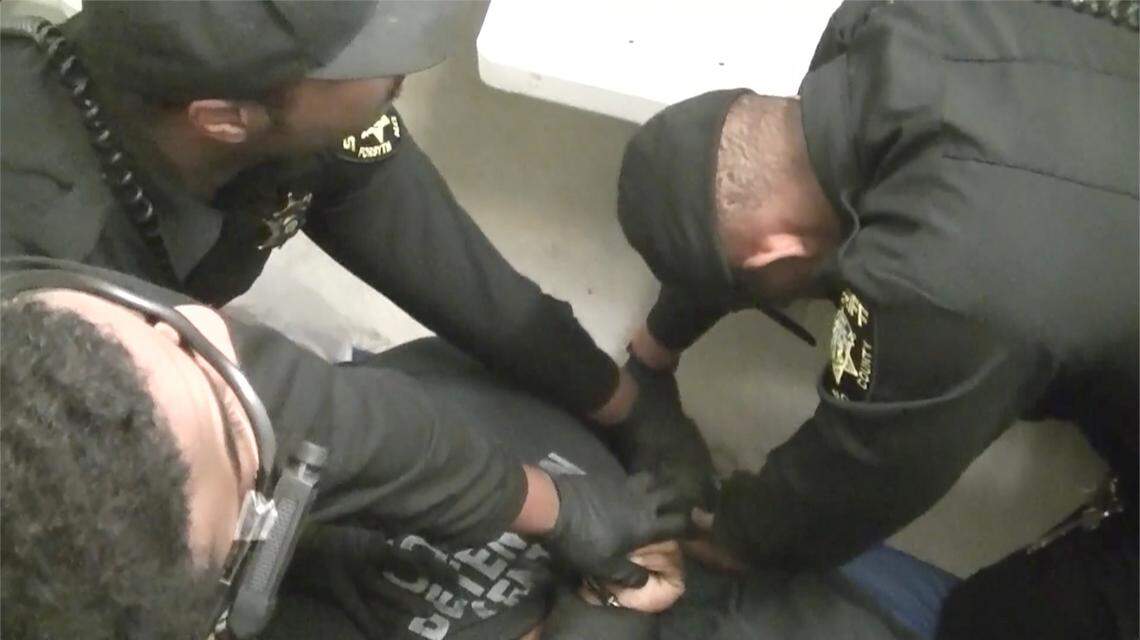
Videos released in August showed what happened to a Greensboro man who had pleaded with Forsyth County deputies that he couldn’t breathe while in custody. John Neville’s autopsy said he died from lack of oxygen that led to a heart attack. He had been restrained on his stomach with his arms handcuffed behind him and his ankles raised to his wrists.
Five deputies and a nurse face felony involuntary manslaughter charges. The Forsyth district attorney fought against the release of the videos, but The News & Observer and other media outlets successfully petitioned the courts to do so. https://bit.ly/3rzs2V2
Love finds a way
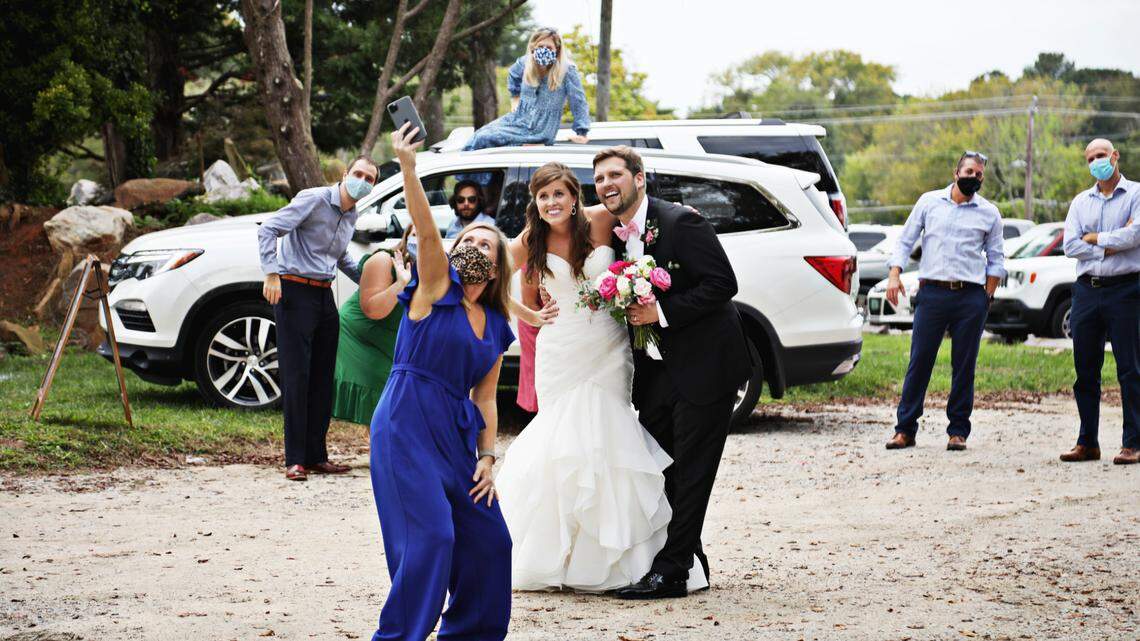
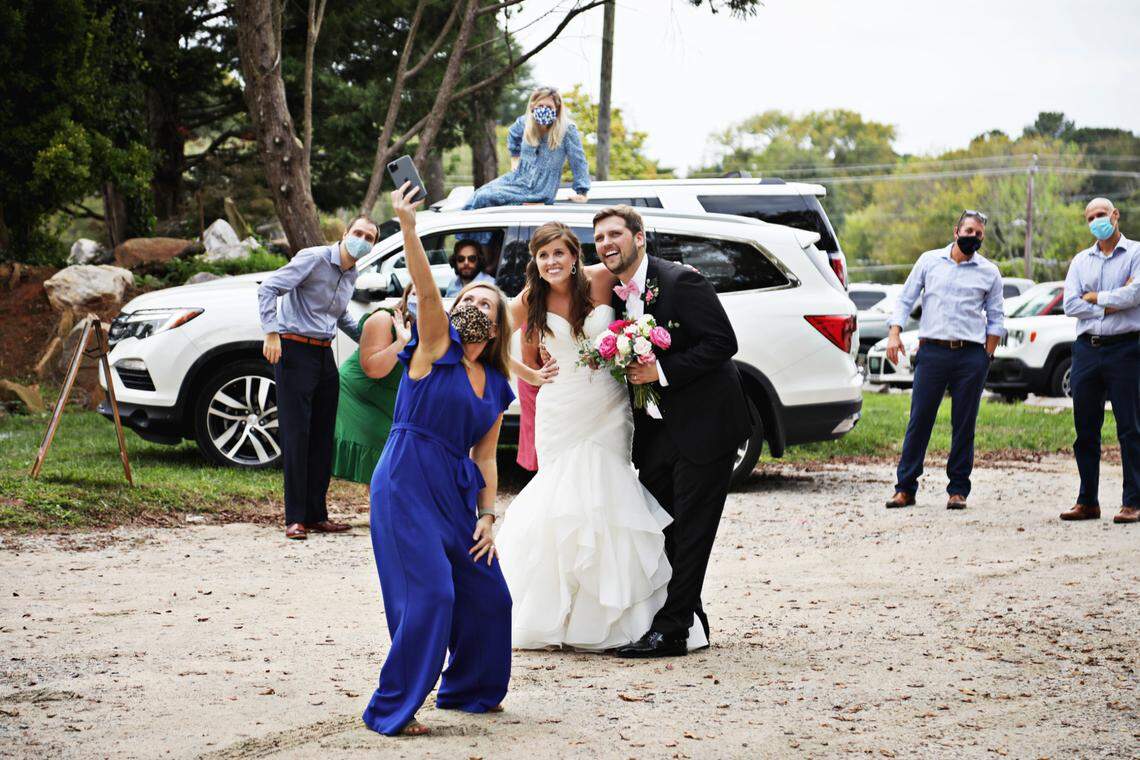
Pandemic or not, Carrie Grace McQuaid and John Michael Simpson were bound and determined to get married in 2020 — and to do it safely. Thus came the “parking lot wedding.” The couple scouted out wedding venues based on how many vehicles would fit in a circle to allow guests inside watch them.
On the appointed September day, the car-bound guests gathered, the rings were exchanged and the happy couple shared a dance to the country song “Slow Dance in a Parking Lot.” Of course. https://bit.ly/37XqVH8
A march marred
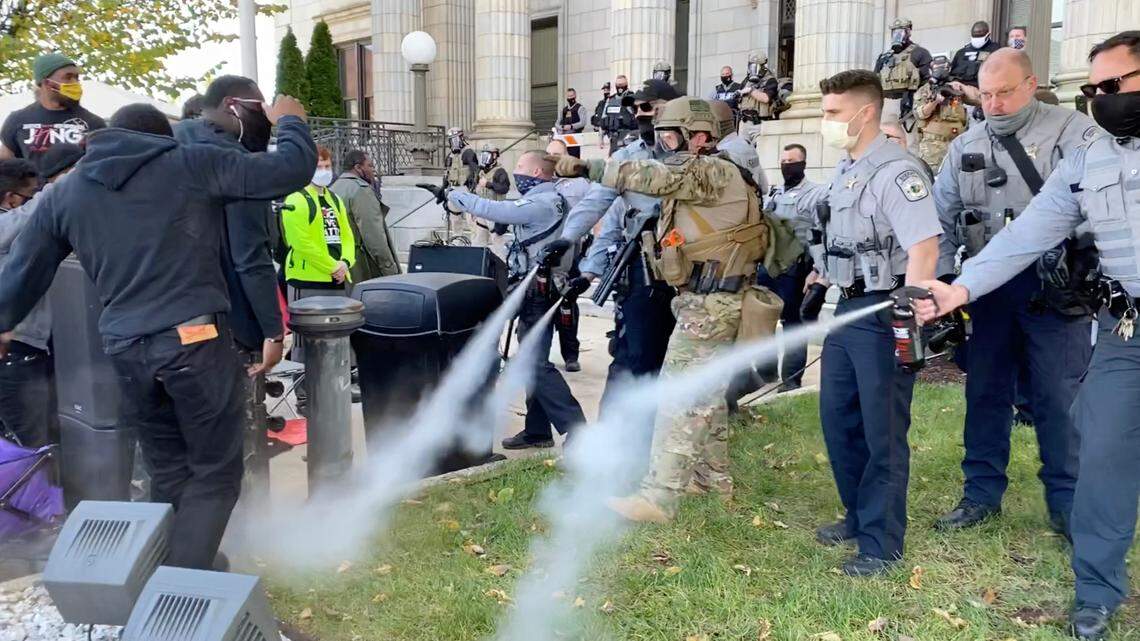
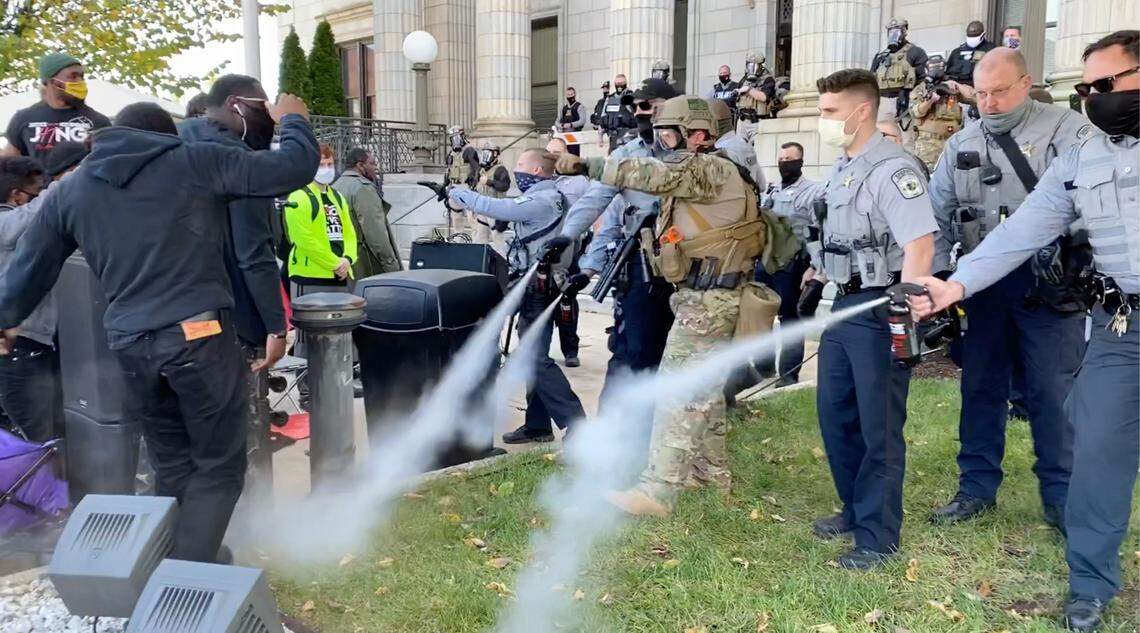
A march to the polls on the weekend before the Nov. 3, election ended in arrests and police pepper-spraying protesters in the town of Graham in Alamance County. The “I Am Change” march featured about 200 people, including children. At one point, they held a moment of silence in the road in honor of George Floyd.
After that, Graham police and Alamance deputies asked the marchers to clear the road. They then began arresting people and using pepper spray. The police department defended its actions, saying the demonstration “reached a level of conduct that led to the rally being deemed unsafe and unlawful by unified command.”
The incident drew national attention, and many, including Gov. Roy Cooper, were critical. “This incident is unacceptable,” Cooper wrote on Twitter. https://bit.ly/3nRRinc
A state divided
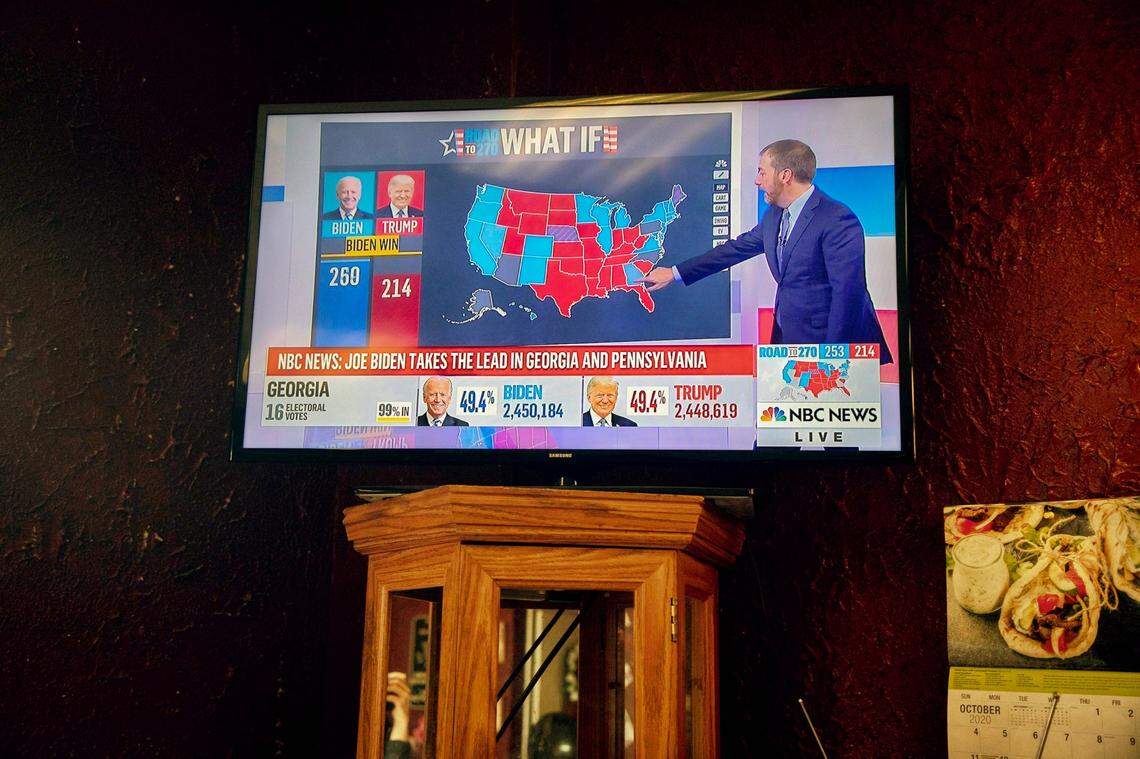
Long before Election Day, it was clear that there were two North Carolinas. The urban areas of the state often seem to have little in common with the rural areas. But the 2020 presidential election showed that this contrast was even sharper than previously thought.
“The Trump counties got more Trump, which are the rural counties,” said Steven Greene, an N.C. State University political science professor. “The urban counties, the blue counties, got more Biden, more Democratic.”
In the days after the vote, we visited both parts of North Carolina to show the divide — and how it’s not likely to change anytime soon. https://bit.ly/37Txx99
Hope and healing
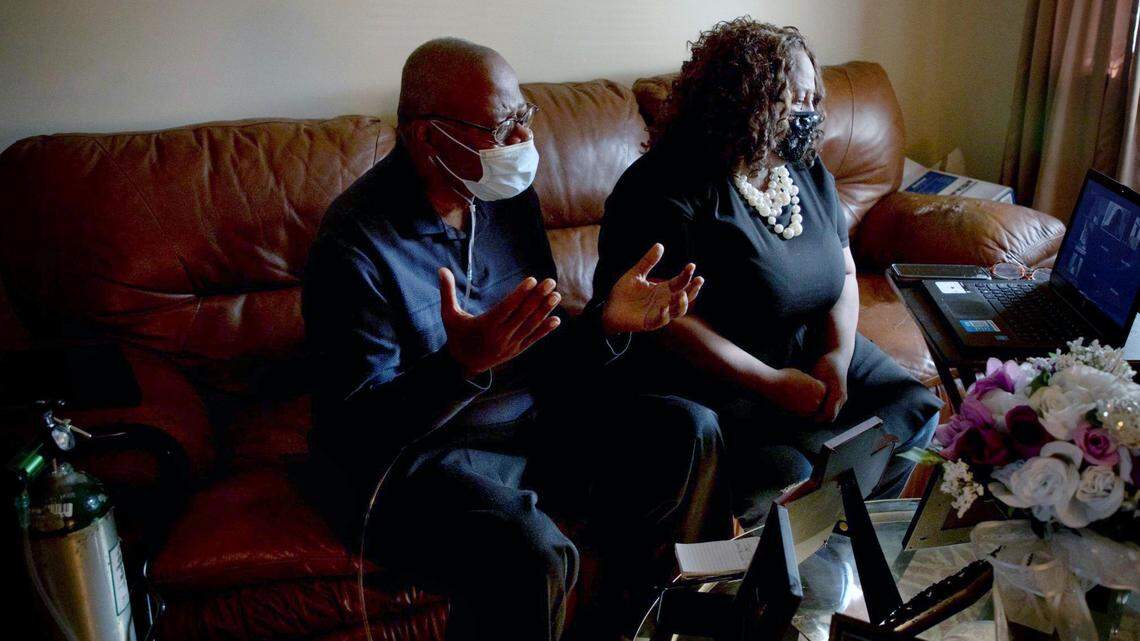
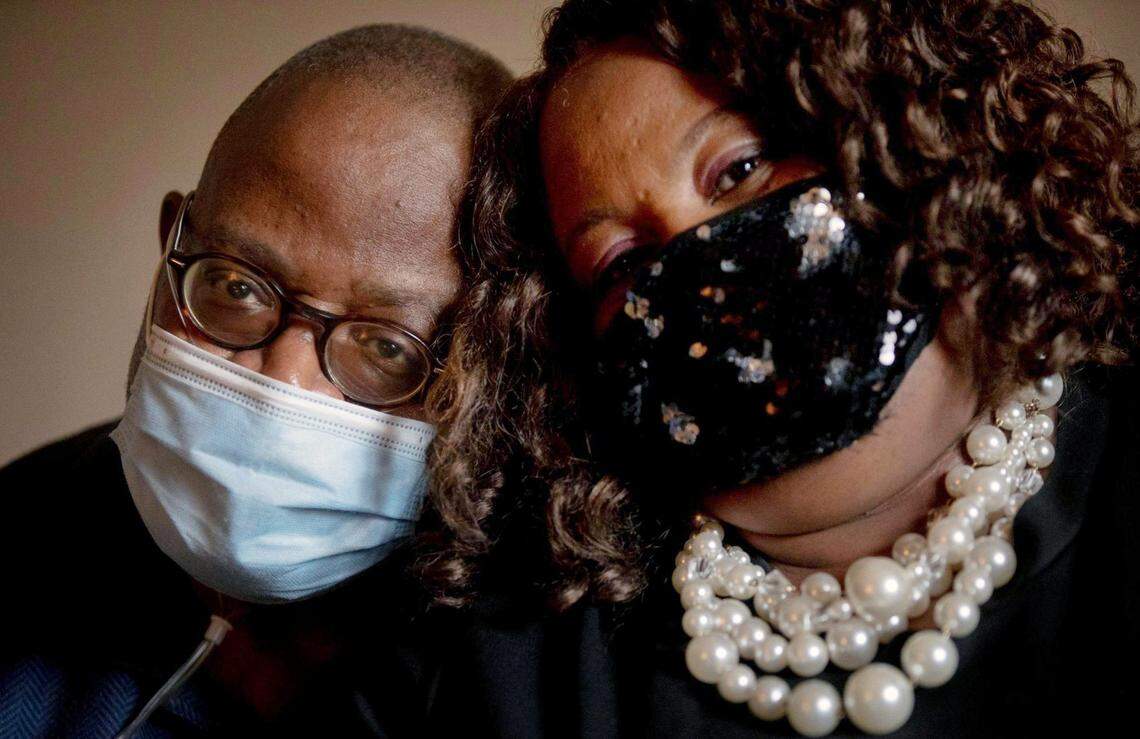
With all of the dire COVID-19 news in 2020, things could sometimes seem hopeless. But there were stories of hope to sustain us, too. One of those was about Pastor David McShaw and his wife, Jackie, who we wrote about on Thanksgiving Day.
The Oxford couple both survived bouts with COVID. David’s was particularly grueling, including an extended hospital stay and time on a ventilator. By Thanksgiving, he was recovering at home as well as keeping up the spirits of his congregation.
“No matter what we go through [God] lets us know that he is with us,” McShaw said in a virtual sermon. “And there is more healing to go around.”
It’s a good message for us all to remember as we head into 2021. There is more healing to go around.
This story was originally published December 29, 2020 at 3:39 PM with the headline "20 for 2020: These N&O stories helped explain and enlighten in a most unusual year."
CORRECTION: A previous version of this story incorrectly said Senate Bill 168 was House Bill 168.
.JPG)

.JPG)

.JPG)