Black history is alive — and these 5 Charlotteans are helping shape it
READ MORE
Living Black History: A new generation rises in Charlotte
For this year’s Black History Month, we’re exploring Charlotte’s Black history through family legacies, young leaders and more.
Expand All
Growing up Chambers: What it means to walk in the footsteps of a civil rights giant
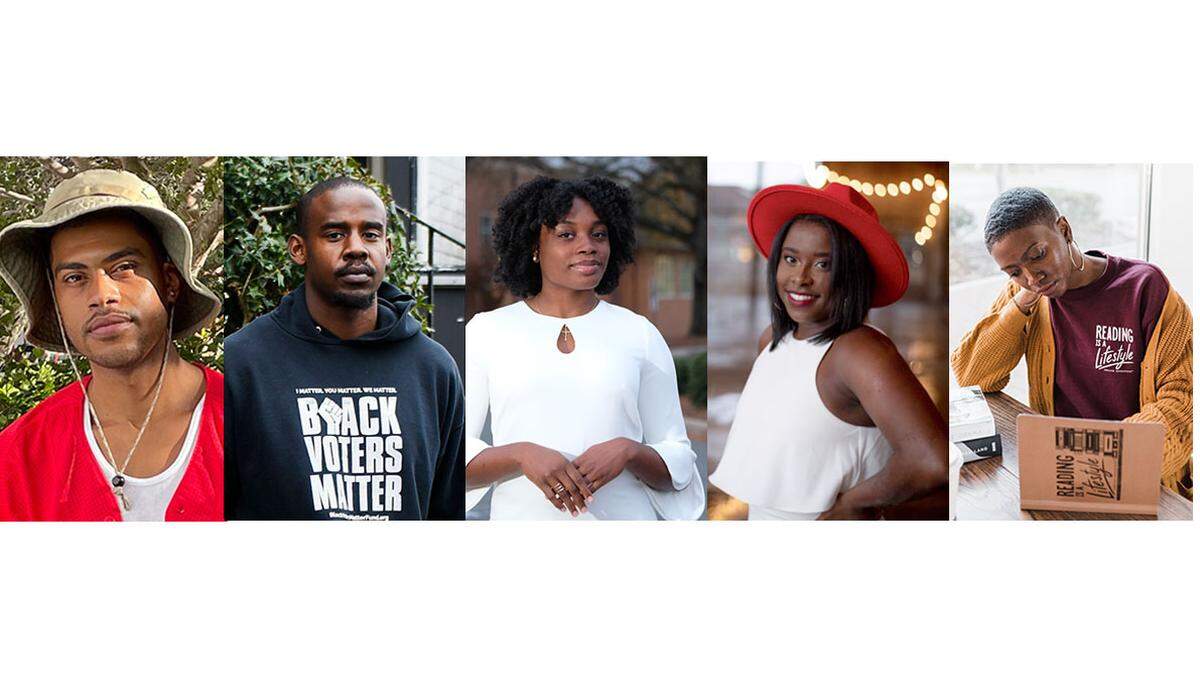
Black history is alive — and these 5 Charlotteans are helping shape it
Have battles over critical race theory had a ‘chilling effect’ in Charlotte classrooms?
Do you know these Black leaders who shaped Charlotte’s history? Take our quiz.
Ask Joshua Bridges about Black History Month and the 31-year-old will tell you history can’t just be left in the past — it’s a way to inspire the future and change the present.
“If you don’t know your history, it’s hard to figure out where you’re going,” says Bridges, one of five Charlotteans recently nominated by peers and neighbors as an influential young Black leader making a difference locally.
A Charlotte resident and alumni of University of North Carolina, Bridges started University Soup Kitchen in Chapel Hill and has since grown the nonprofit, serving more than 1,000 meals a month by making sure fresh food from campuses isn’t wasted while so many people go hungry in the community. The program includes his location in Charlotte.
Great civil rights heroes changed the course of history in Charlotte and beyond — and there’s a new generation of young Black leaders furthering carrying on their legacy. And though these changemakers say they’re inspired by the past, they agree that problems of today need modern solutions.
Their work is varied, spanning industries and neighborhoods — but they’re all committed to ensuring a strong future of Black success in Charlotte.
“I think about what isn’t being heard. We, as a community, are creating a lot of motion and movement but we have to keep that momentum going,” says local artist Justin Ellis.
Black History Month, Ellis says, “gives us a chance to look at our past to see where we come from and see how far we have come and haven’t come. It also gives us a chance to make a plan for the future and for our kids. There’s so much we can do.”
The Charlotte Observer recently talked with Ellis, Bridges and three other Black leaders to find out more about what drives their work.
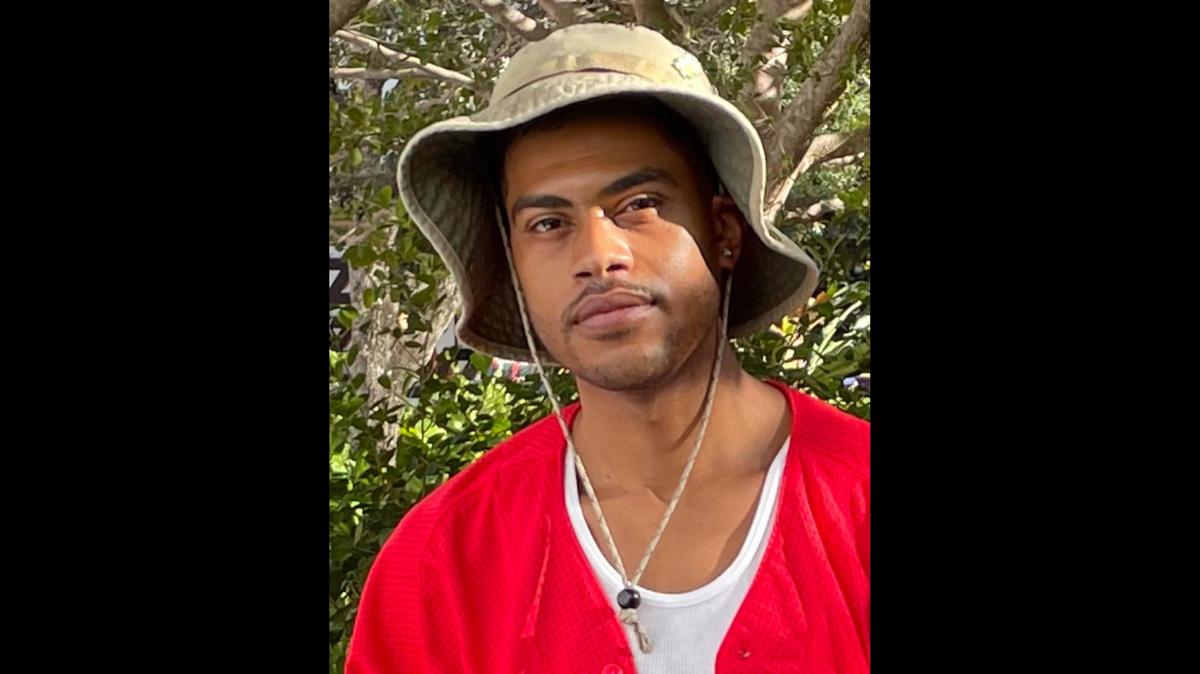
Justin Ellis
The 31-year-old is a mixed media artist with the Brooklyn Collective, a collaborative of artists, leaders and entrepreneurs honoring the legacy of Charlotte’s historic Brooklyn community.
What powers your work? Emotion.
“I’m a very emotional person. I love color, I love shapes and texture, and being immersed in my work. I’m my own worst critic. That’s what inspires me to change. I’m always finding something new each and every day.”
When Ellis was in high school, his teacher noticed his short attention span. She’d ask him to draw instead, to give him something to focus on.
“She really gave me a lot of love, and now I’m aware of myself and my craft and how it works. Art is my therapy. And I want to be able to teach other kids that have disabilities, that art can be your therapy, too.”
Who is a Black leader who inspires you? Janelle Monae and Andre 3000.
“Her energy and her music — it’s something about what she speaks about that I can really relate to as an artist. I can sit and listen to her album ‘The Audition’ about not having the strength or not having the ability to think that you can do something. It’s about pushing yourself … and all the beauty is going to come after trials and tribulations. It’s mesmerizing to hear how she sings through her journey.”
“Andre 3000 had a documentary where he let people know that he was unsure of himself and was questioning his value. To see someone at that level question their gift, it makes me wonder if people are that aware of what they’re producing and putting out into the world.”
What do you hope is the future of Black history in Charlotte?
“For Black artists and Black people to get their due.”
Joshua Bridges
In 2013, Bridges founded the University Soup Kitchen. The nonprofit’s mission is to connect university cafeteria systems to hubs of people experiencing homelessness in Charlotte and across the state.
In your line of work, what’s the biggest challenge facing Black Charlotteans today?
“If you’re not at the table, then you’re on the menu.
“Unfortunately, for many Black folks, we’re on the menu… there are areas where grocery stores are literally competing with each other for corners. And then you drive up the street and there’s a three mile stretch where there’s nothing at all. That’s us on the menu.”
Who is a Black leader who inspires you?
“Historically, I am inspired by Martin Luther King Jr., and by Malcolm X as well. I feel like their principles together would inspire much more change.
“Locally, I’m inspired by people around the city who care, like April Lewis and Dr. Blanche Penn.”
What do you hope is the future of Black history in Charlotte?
“Coming together … that’s the main thing. We got to come together.
“That’s the difference between the movements of the past and today’s. We have to realize how much more similar we are than different.”
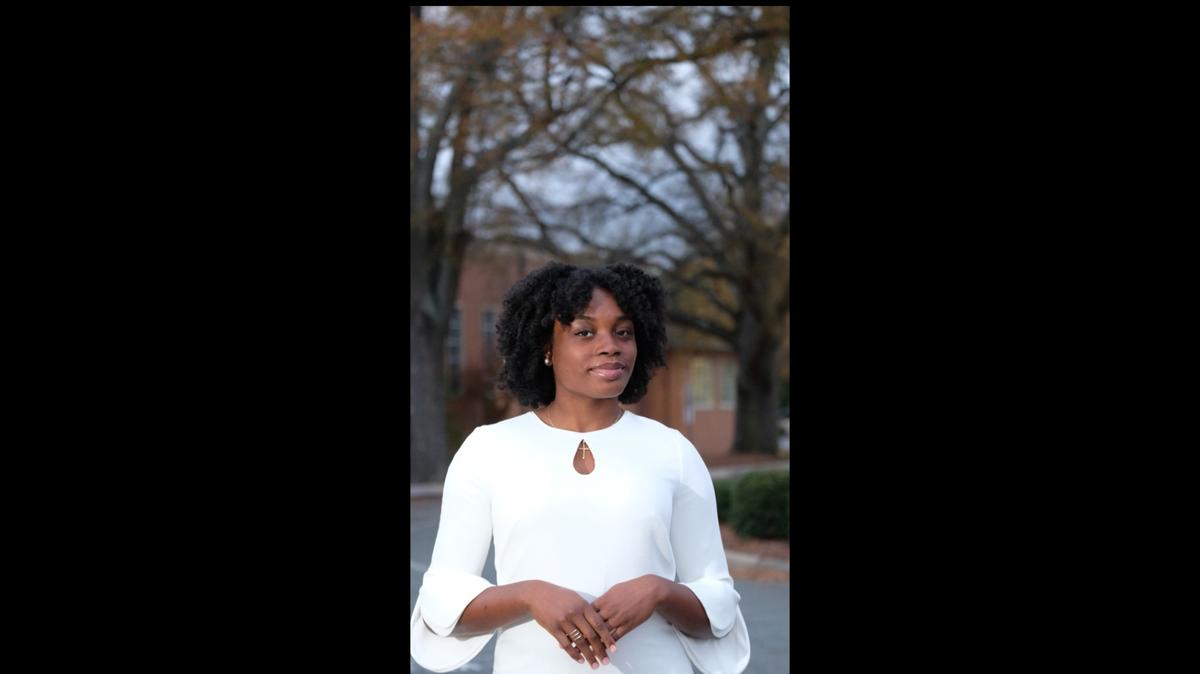
Breana Fowler
Fowler, 17, recently finished serving her term as the student adviser to the Charlotte-Mecklenburg Board of Education. She’s a senior at North Mecklenburg High School.
What powers your work? The future.
“My passion is education, specifically education policy and restorative practices. I love being able to change the trajectory of someone’s life in a micro and macro way.”
Take, for example, suspension rates in public schools.
“You can see through data how Black students are suspended at higher rates than different ethnicities, and you can see the link to college and career readiness and math and reading proficiency. … There are so many bright and creative minds that can be used and we’re not using them. We’re losing them.”
Who is a Black leader who inspires you?
“I look up to my mother, and how she conducts herself, especially as a Black woman. She tells me how to be patient with others, how to self analyze and realize I can be hard on myself. … Even how she wakes us up, with love.
“Other than my mother, I would say Ta-Nehisi Coats. He’s able to analyze things from a different perspective, and he’s been compared to James Baldwin.”
What comes to mind during Black History Month?
“My perspective changed from a generic what people want us to see. I think Black History Month is to seek out more information and be more intentional about where I buy things, who I interact with, what I let slide.
“It’s a time to do self reflection and healing work in the community, in addition to informing others, which can be done all-year.”
What does being Black mean to you?
“It is to always be conscious and aware of what I’m doing, what I say and what I do in the public eye — especially for what I do and what I aspire to do.”
“To be Black as a child especially is to know how to navigate the world not as a child but as a mature figure. I don’t think black children ever have a space to be children.”
Abbigail Glen
Shelves Bookstore, an online and pop-up shop, is dedicated to sharing Glen’s belief that “reading is freedom” to all communities. Glen, 33, founded the bookstore in June 2019.
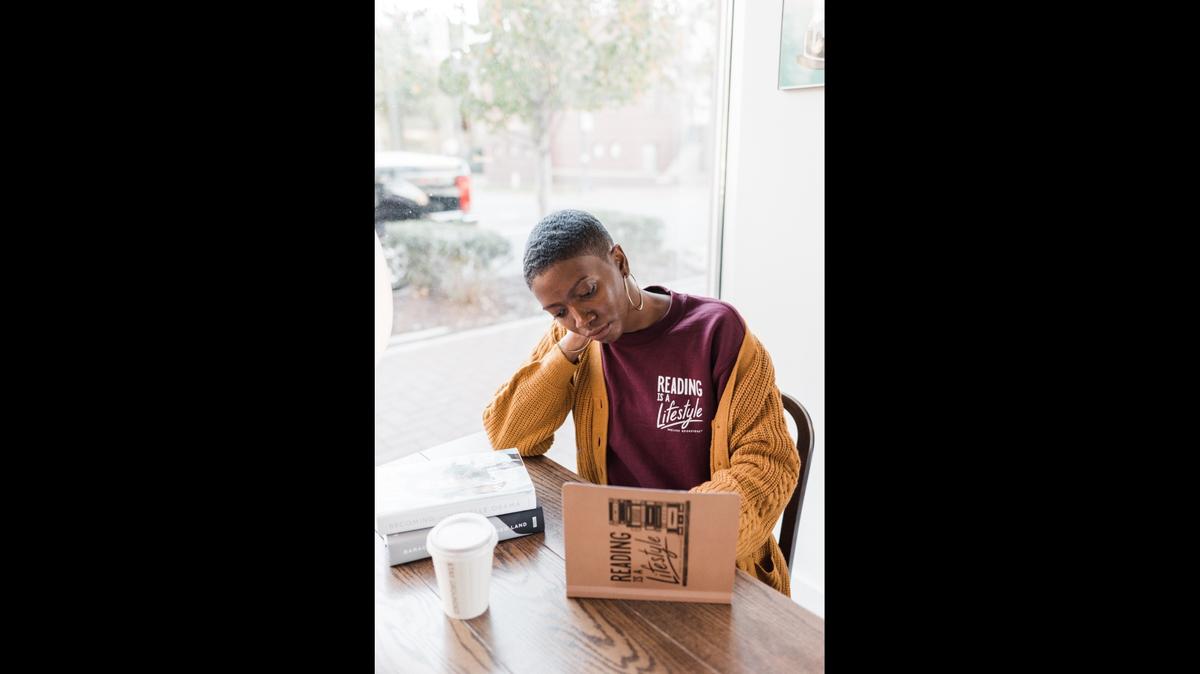
What powers your work in Charlotte? “Reading is freedom.”
“I wanted to be able to contribute to the literary landscape in Charlotte … and introduce the community to great stories from diverse voices. A well-read community is a strong one.
“My goal is for Shelves to be synonymous with the culture Charlotte is trying to define for itself.”
What comes to mind during Black History Month?
“I have a master’s degree in Africana studies, so it is year round for me — celebrating Black diaspora and how we have influenced society. Black History Month still isn’t getting the respect it deserves. When it was founded, it was like a band-aid for the wounds of all things Black people have experienced specifically in the United States. It really wasn’t meant to be limited to a month.”
In your line of work, what’s the biggest challenge facing Black Charlotteans today?
“When I moved here, they had just completed the economic mobility study. It’s about access — if you don’t have money, you’re not going to buy a book. Economic mobility affects literacy.
“... I would love to see growth and impact — growth economically and mentally for Black people. If you were born Black in America, you’re born into a terrible history. ... No matter how you started, it doesn’t mean you can’t have a positive impact.”
Alesha Brown
The 34-year-old is the founder and executive director of nonprofit For the Struggle, which is focused on fighting systemic issues of racial and social injustice, and the managing attorney of Justice In Action Law Center, where she takes cases such as employment discrimination and police misconduct.
Who is a Black leader who inspires you? Malcolm X
“It was really for him by any means necessary. I feel the same when it comes to fighting against issues of racial and social injustice.”
What comes to mind during Black History Month?
“America’s history is Black history, so every day is about Black history. For this month specifically, I think that it is a dedicated time for everyone to celebrate the contributions and sacrifices that Black people have made to make America what it is today. But I don’t think it’s limited to one month.”
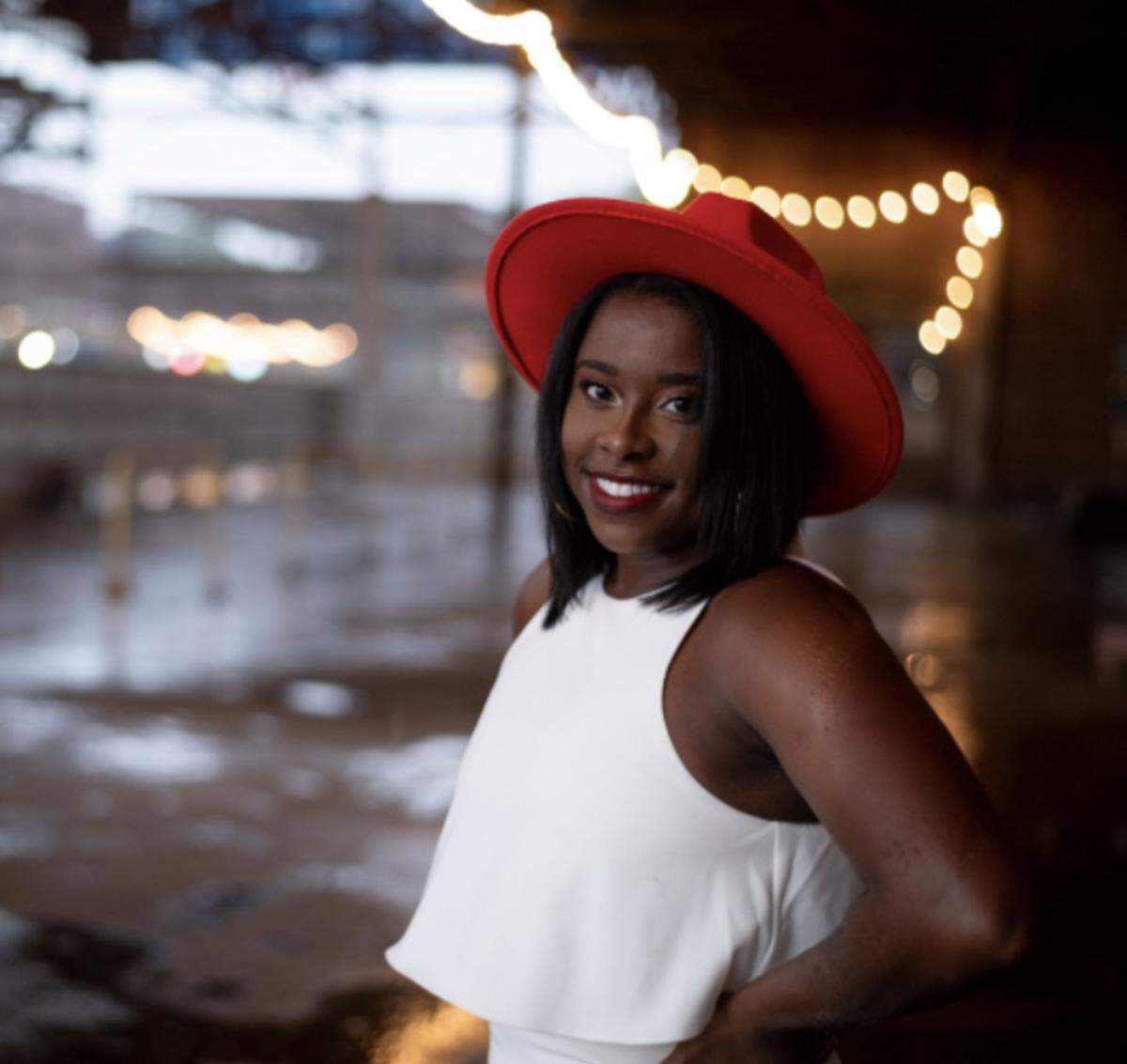
Knowing history means knowing yourself, Brown says.
“When you look at Black communities and how we’re disproportionately impacted by everything negative, we have to understand that the past and the historical ways in which Black folks have been oppressed for so very long certainly plays a huge role in where we are as Black folks presently.
“Understanding that history is critical to understanding the present and critical to understanding the future. If we can’t fully embrace where we are, there is no way we can plan for the future in a meaningful way.”
In your line of work, what’s the biggest challenge facing Black Charlotteans today?
“Lack of resources. We have far too many Black elected officials for the Black communities to still be so deprived of basic resources they need to progress and move forward. That’s very troubling to me.”
What does being Black mean to you?
“Beautiful. Black is beautiful. It means love, it means hope, it means resilience. But if I had to give you one word, it would definitely be beauty.”
This story was originally published February 13, 2022 at 6:00 AM.