NC leaders mourn death of legendary Charlotte civil rights attorney James Ferguson
READ MORE
Remembering James Ferguson
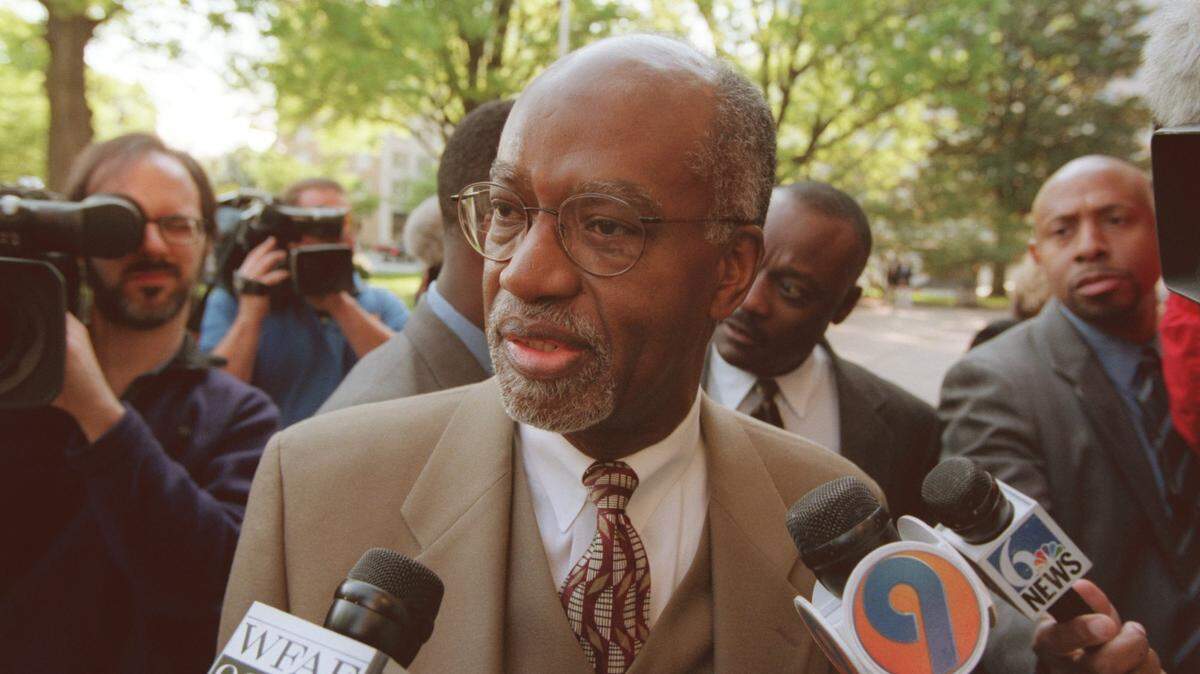
James Ferguson II, a Charlotte civil rights lawyer whose landmark cases desegregated schools nationwide died July 21, 2025 at 82. Ferguson, an Asheville native, was also a co-founder of North Carolina’s first interracial law firm.
Expand All

Family plans celebration of life for late civil rights lawyer James Ferguson II
Why one of NC lawyer James Ferguson’s biggest cases still affects Charlotte today
From Asheville sit-ins to Supreme Court, see a timeline of James Ferguson’s career

NC leaders mourn death of legendary Charlotte civil rights attorney James Ferguson

Prominent Charlotte civil rights attorney James Ferguson dies at age 82
North Carolinians on Monday mourned the death of civil rights attorney James Ferguson, whose work helped desegregate schools across the country.
Ferguson, an Asheville native and co-founder of North Carolina’s first interracial law firm, died Monday at the age of 82, his son confirmed to The Charlotte Observer.
The case that defined his career was Swann v. Charlotte-Mecklenburg School Board, which made it all the way to the U.S. Supreme Court and triggered the use of busing to integrate schools nationwide. That landmark case was on the minds of many in North Carolina as they reflected on Ferguson’s legacy.
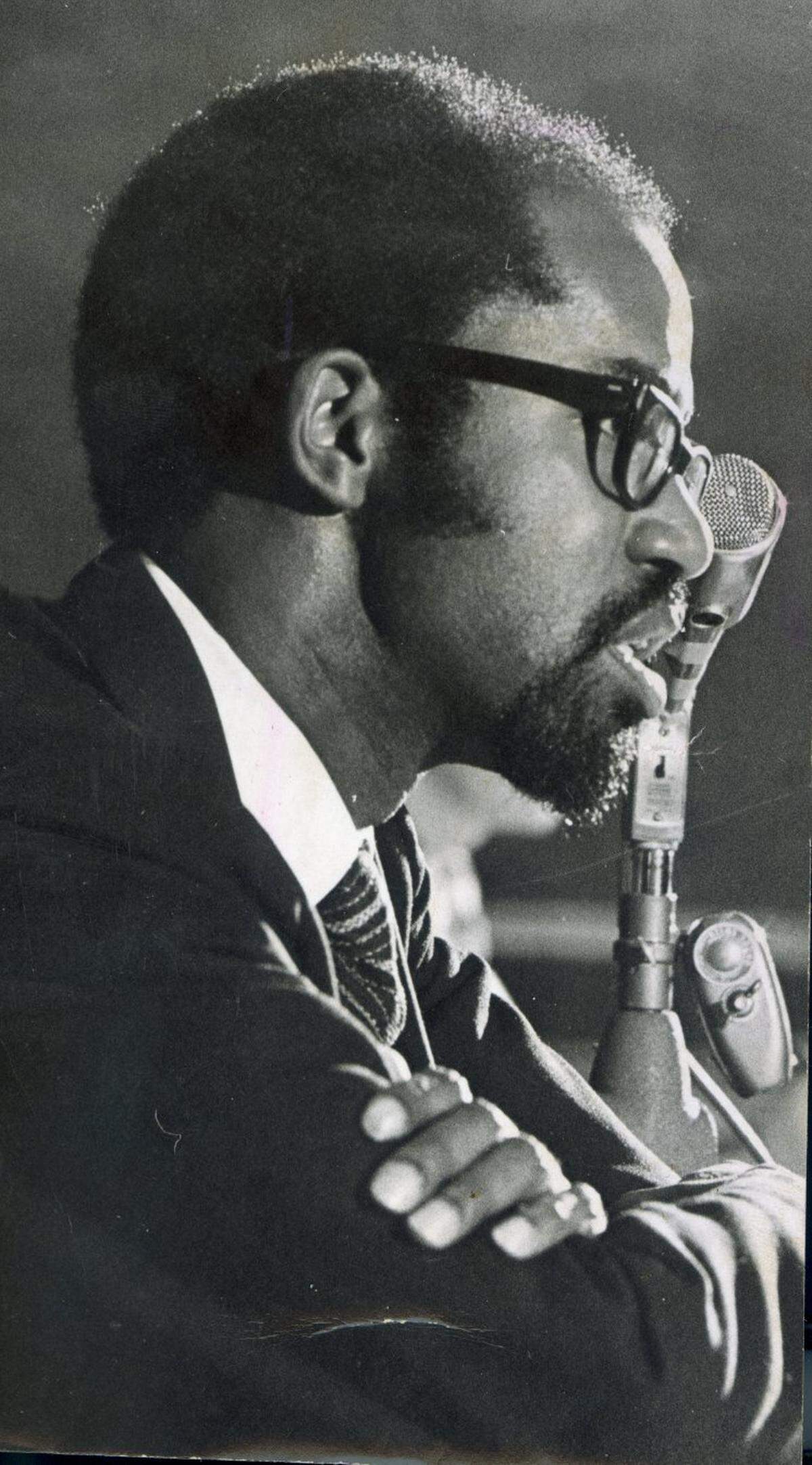
“We definitely lost a giant in the community,” Charlotte-Mecklenburg Schools Chair Stephanie Sneed. said.
Sneed called Ferguson a “brilliant legal mind” and “force for justice” who used the classroom to fight for community liberation and upward mobility. Sneed applauded Ferguson’s “generational impact” on desegregation and his training of other attorneys that are “pillars in the state.”
U.S. Rep. Alma Adams, a Charlotte Democrat, knew of Ferguson before she knew him. When she began her political career in Greensboro in the 1980s, she already admired his legacy.
“He’s always been in the history books,” Adams told the Observer..
When she ran for Congress representing the Charlotte area in 2014, they got to know each other better, Adams recalled. He became a trusted advisor and friend throughout her time in Washington.
“He told me to always do what you believe in your heart to be right, to stand on your principles,” she said.
Adams hopes others will keep up the work he began.
“We’re going to miss him, but I’ll tell you, if we really follow the lead that he gave us, I think we’ll be able to do great things,” she said.
County Commissioner Arthur Griffin recalled getting guidance from Ferguson too.
“His old sage advice would be wrapped around what’s in the best interest of the people, and his integrity and courage was just something that I hope that I emulate,” Griffin told the Observer. “... I hope that I’ve shown the same kind of courage that Fergie exemplified in his whole lifetime.”
Mayor Vi Lyles described Ferguson as “a civic leader of great conviction, fighting for equity, justice and equal rights for all.”
“He was an exceptional friend and mentor, and I will miss him very much,” she said in a statement.
City Council member Malcolm Graham called Ferguson “a true pillar of justice, wisdom, and compassion.”
“He was an tireless advocate,” Graham wrote on social media. “Mr. Ferguson shaped the lives of countless people here in Charlotte and far beyond.”
It’s “hard to comprehend the courage & tenacity James Ferguson summoned for the battles he undertook over the course of his storied career,” County Commissioner Leigh Altman said.
“His achievements for justice reverberate through time & are an inspiration for the next generation who must carry the torch he held so high,” she said on social media.
Ferguson was “a pillar of professionalism, a trailblazer in our Bar, and an unfailing champion for justice,” Mecklenburg County District Attorney Spencer Merriweather III said in a statement.
“He was more than worthy of every accolade that can be afforded a lawyer, but he distinguished himself with a willingness to challenge authority and convention, in defense of those most vulnerable to the excesses of others,” he wrote.
The district attorney said North Carolina — and the country — “are filled with people who Fergie has helped and with attorneys that he has mentored and encouraged.”
Jocelyn Nolley, chairperson of the Black Political Caucus of Charlotte-Mecklenburg, wrote in an email to members announcing Ferguson’s passing he was “a towering figure in the fight for justice, equity, and civil rights in our community and beyond.”
“His work extended beyond the courtroom — he was a mentor, a civic leader, and a voice of reason and integrity in times of challenge and change,” she wrote. “His contributions have left an indelible mark on the legal profession, our local institutions, and the broader movement for Black liberation.”
Alesha Brown, who heads the nonprofit For The Struggle in the historic West End, said she is grateful for Ferguson as an icon and a role model.
“He certainly paved the way for younger folks like me to step in and do the work … and continue the fight without having to endure a lot of the heavy burdens they had to endure,” Brown told the Observer Monday. “I thank him, and … commend him on a job well done.
“I’m thankful for Fergie. His relentless advocacy throughout the years, I thank him for paving the way for me and so many other younger civil rights attorneys to be able to do the work that we do.”
Gov. Josh Stein called “Fergie” his “hero,” noting Ferguson was “a dear friend” to his father.
“He was a steadfast champion of civil rights and spent his life fighting for the betterment of others. He was also incredibly charismatic, charming, and kind,” Stein said on social media.
U.S. Rep. Deborah Ross, herself a civil rights attorney, described Ferguson as “brilliant and kind, a great mentor and a better friend.”
“James Ferguson was a towering figure in North Carolina, dedicating his life to creating a more equal and just world ...” the Democrat wrote on social media. “We will miss him dearly.”
Former U.S. Sen. and vice presidential nominee John Edwards first encountered Ferguson when he was defending the Wilmington 10 — a group of nine Black men and one white woman wrongly convicted of arson. Ferguson’s ability to connect with jurors made him “the most important lawyer in the courtroom,” Edwards said Monday.
Edwards remembered often asking Ferguson for guidance, both throughout his legal career and when he turned to politics.
Julius Chambers, Ferguson’s partner on the landmark 1971 desegregation case, helped head Edwards’ presidential campaign.
“Speak from what’s inside you,” Edwards said, recalling the advice Ferguson often gave him.
This story was originally published July 21, 2025 at 3:06 PM.