Prominent Charlotte civil rights attorney James Ferguson dies at age 82
READ MORE
Remembering James Ferguson
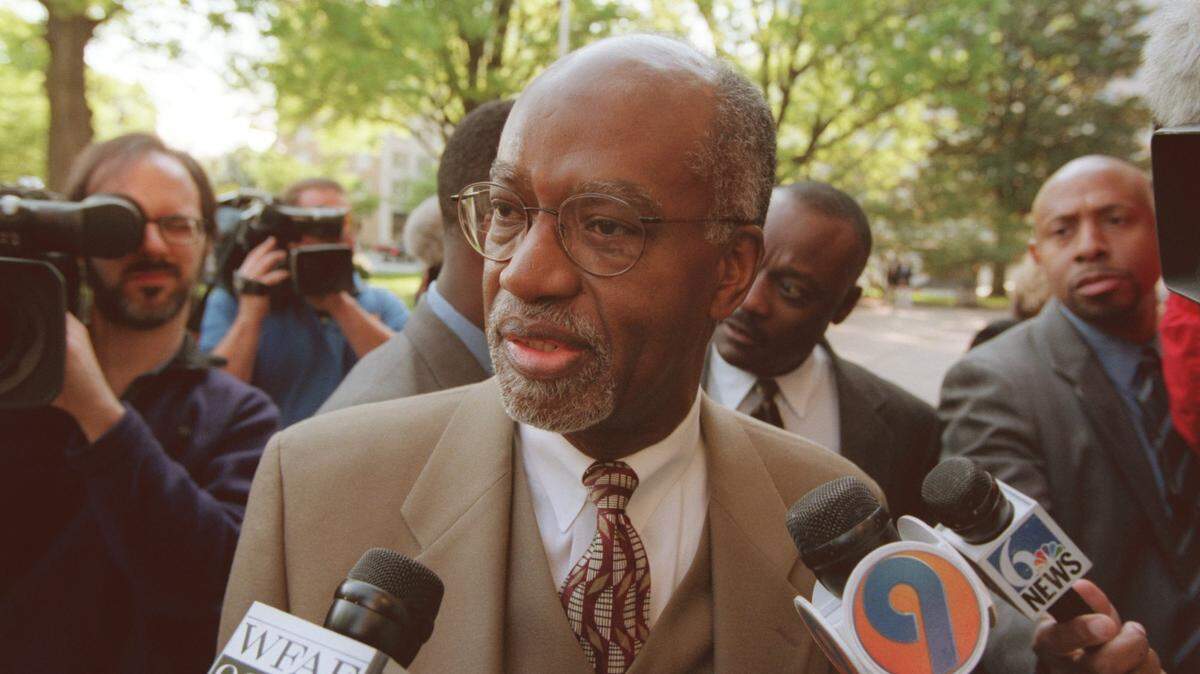
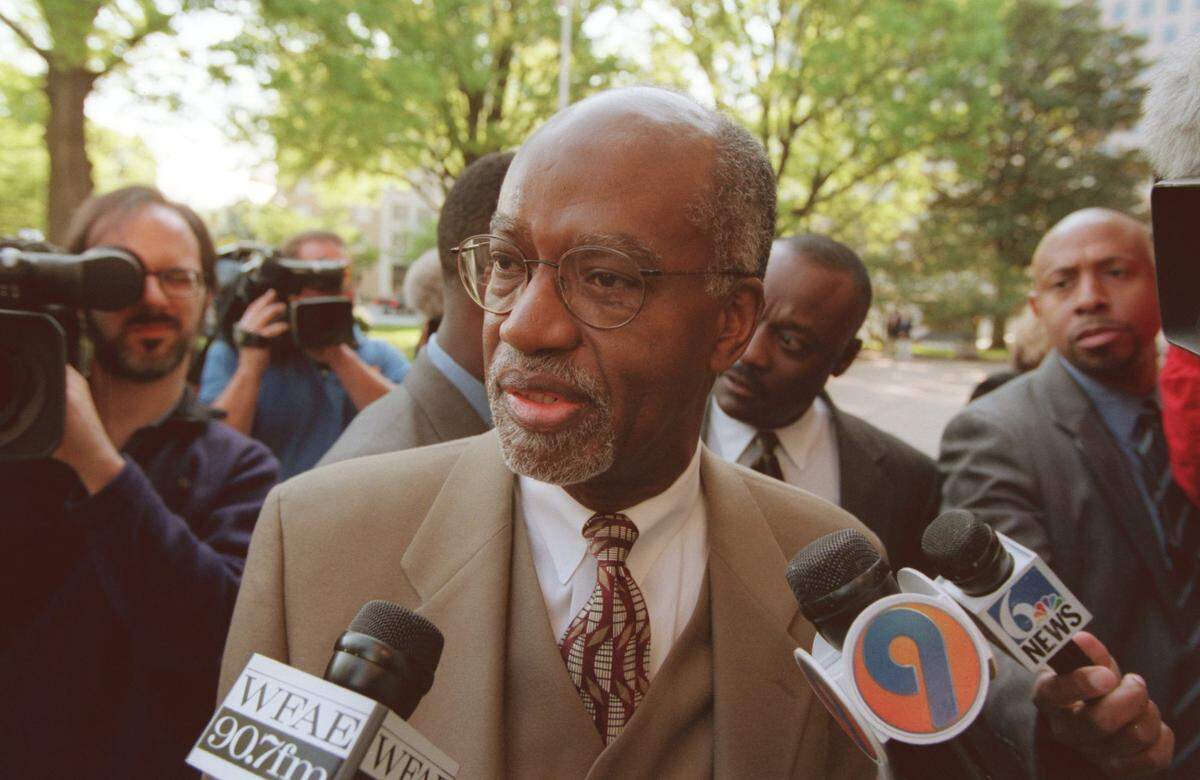
James Ferguson II, a Charlotte civil rights lawyer whose landmark cases desegregated schools nationwide died July 21, 2025 at 82. Ferguson, an Asheville native, was also a co-founder of North Carolina’s first interracial law firm.
Expand All

Family plans celebration of life for late civil rights lawyer James Ferguson II
Why one of NC lawyer James Ferguson’s biggest cases still affects Charlotte today
From Asheville sit-ins to Supreme Court, see a timeline of James Ferguson’s career

NC leaders mourn death of legendary Charlotte civil rights attorney James Ferguson

Prominent Charlotte civil rights attorney James Ferguson dies at age 82
James Ferguson II, a Charlotte civil rights lawyer whose landmark cases desegregated schools nationwide, has died. He was 82.
Ferguson’s son Jay Ferguson told The Charlotte Observer his father had suffered from an “extended illness” leading up to his death Monday morning. “He had a pretty tough battle here the last four months, and so we’re honestly relieved that he’s resting,” Jay Ferguson said.
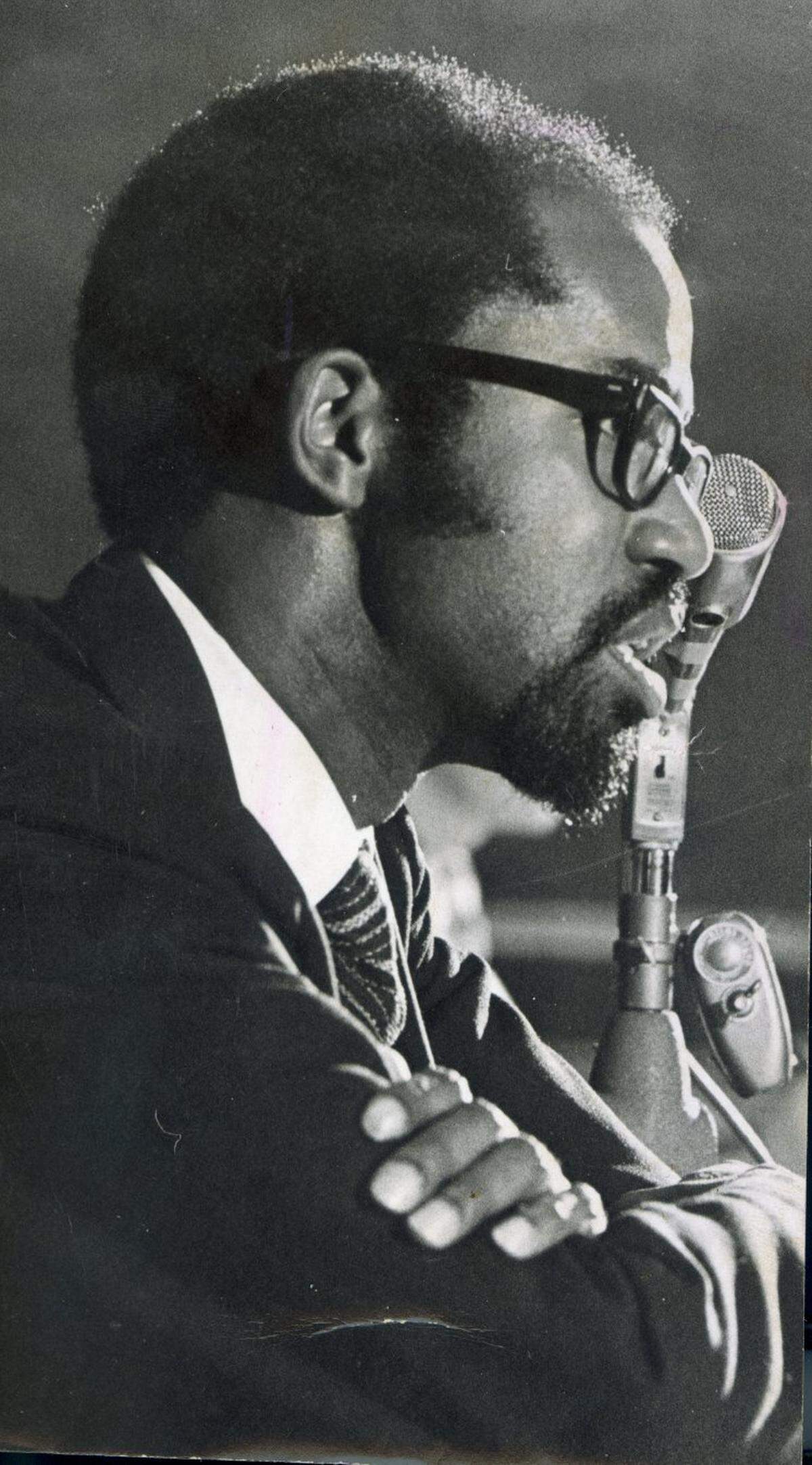
The elder Ferguson, an Asheville native who was born in the Jim Crow South in 1942, co-founded North Carolina’s first interracial law firm. He also helped civil rights leader Julius Chambers represent the Black parents of a 6-year-old Charlotte boy who in 1969 wanted to leave his all-Black school for a nearby, integrated one.
That career-defining case changed schools and bus routes across the country.
But even as a junior-high school student, Ferguson fought through America’s political and racial turmoil to bring all-Black and all-white schools together for discussions about race.
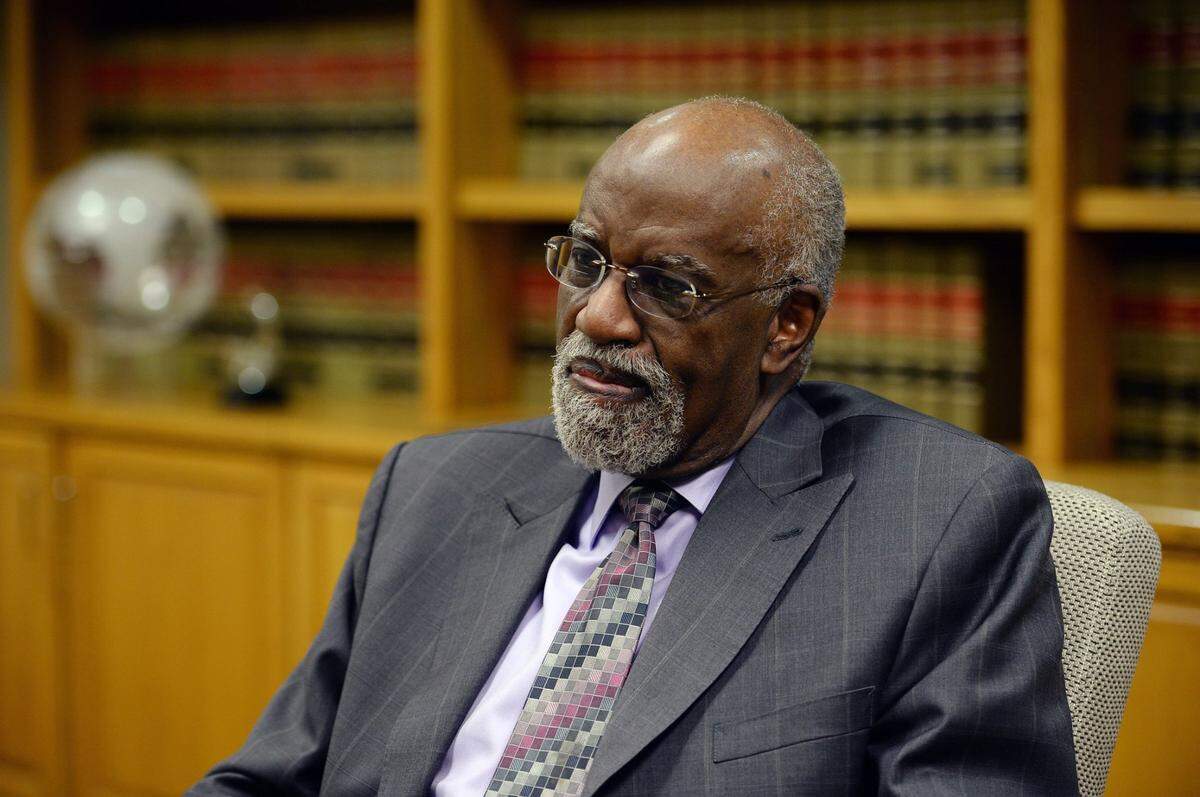
His son said some of his earliest memories are of his father returning home from a long day of work or a business trip. Jay Ferguson remembered that he and his two siblings would often watch for their father’s car by the window so they could run into his arms as soon as he got home.
“He was every bit as good a father as he ever was an attorney,” Jay Ferguson said. “Being a father myself, I understand so much better now how challenging that was for him to basically give all of himself to his clients, all of himself to the community and then turn around and still give all of himself to us — to me, my brother, my sister.”
Though Jay Ferguson attended his father’s alma mater, Columbia Law School, and spent seven years working at his father’s law firm, his siblings did not go into the legal field. Ferguson encouraged his children to forge their own career paths, Jay Ferguson said.
Swann v. Charlotte-Mecklenburg School Board
Racial segregation in public schools had been ruled unconstitutional under Brown v. Board of Education 10 years prior, but because neighborhoods were largely segregated, schools in the late 1960s were, too.
Darius and Vera Swann, along with nine other parents, filed a lawsuit against the Charlotte-Mecklenburg School Board, claiming it was violating the Constitution by not making efforts to integrate schools.
Julius Chambers represented them, and Ferguson was “his right-hand man,” said Chambers’ son, Derrick.
Justices in Swann v. Charlotte-Mecklenburg Board of Education ruled that the board must create a busing plan to desegregate the school district. The U.S. Supreme Court upheld Swann v. Charlotte-Mecklenburg Schools in 1971 and set off the use of buses to integrate schools nationwide.
Chambers and Ferguson “endured protests, hate mail and firebombings of their houses and offices” during their fight to integrate public institutions and local schools, The Charlotte Observer previously reported.
While the case was litigated by Ferguson’s law partners Chambers and Adam Stein, Ferguson took on a leading role in the late 1990s and early 2000s when the case was challenged. That challenge ended in April 2002 when the U.S. Supreme Court declined to hear an appeal from Black parents, ending 32 years of busing.
The two in 1967 founded the law firm that became Chambers, Stein, Ferguson and Lanning, said Derrick Chambers.
As a child, Derrick Chambers knew Ferguson — like so many did — as “Fergie.”
Before he knew him as a celebrated civil rights lawyer, he knew Fergie as the lawyer who worked out of a closet in his father’s one-room uptown office.
Adam Stein, Gov. Josh Stein’s father, worked out of that closet, too, he said in an interview Monday.
In it, there was just enough room for a single table. At that table, there was just enough room for two.
Adam Stein remembers that back room not as a closet, but as a library. In it, he and Ferguson went from strangers to colleagues to friends.
“With anybody else that probably would have seemed terribly inconvenient,” he said. “But it was fine. We loved being together.”
Outside the closet-office — in a segregated Charlotte, a segregated world — they became family.
“As I’m sure you know, I’m white,” Adam Stein said. “When we moved to Charlotte, Charlotte was quite segregated. Schools were segregated. The world was segregated.”
But he, his wife, Jane, and his three kids “were immediately taken into the world that Chambers and Ferguson inhabited. Their “whole social life was the active African-American community.”
In a video last year, Gov. Stein said he’d known Ferguson since he was a 1-year-old.
“I feel like I lost a brother,” Adam Stein said with a wobbly voice.
The 87-year-old is the sole survivor of the original law firm’s four founders.
Julius Chambers died months after having a heart attack in 2013. And James Lanning died of pneumonia in 2015.
Pardons for the wrongfully convicted
Ferguson also defended the Wilmington 10 — eight high school students, a minister and a social worker — who were wrongfully convicted of arson and conspiracy following 1971 school desegregation riots on North Carolina’s coast.
After nearly 10 years in jail, all were released when the governor at the time commuted their sentences. And 30 years after that, in 2012, then Gov. Beverly Perdue officially pardoned them.
Ferguson also used North Carolina’s Racial Justice Act, which allowed defendants facing the death penalty to challenge their sentences if they believed race was a significant factor in determining their sentence. Only four cases were decided under the act between its 2009 introduction and 2013 repeal. Ferguson represented all four defendants and reduced all four sentences.
Friends, colleagues on Ferguson’s legacy
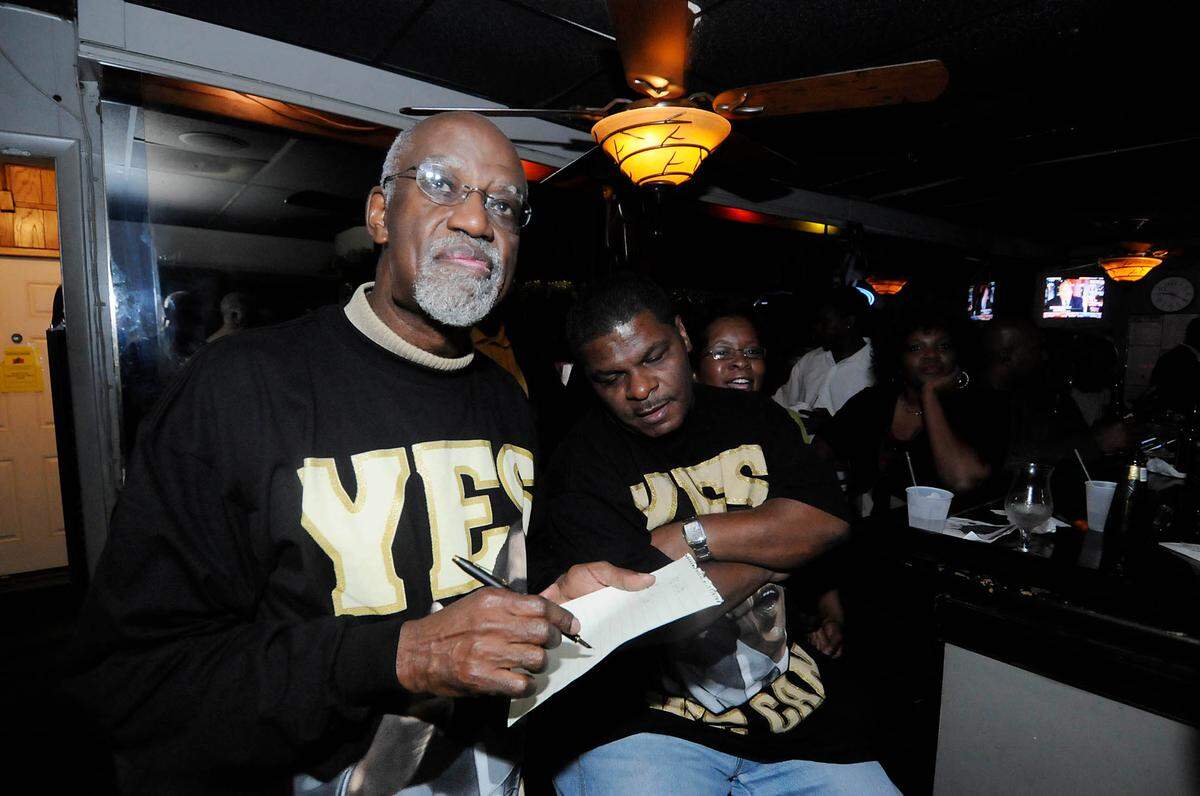
Jay Ferguson described a family Easter celebration in which one of Ferguson’s grandchildren was upset that the egg hunt had come to an end. Ferguson improvised a song about the end of the egg hunt to calm his grandson down.
“In the most challenging moments that he had — when their office got burned down and Julius Chambers’ house got bombed — he always brought a positive spirit,” Jay Ferguson said. “He was a fun guy. He liked to party. He liked to have a good time. He loved people.”
Former U.S. Rep. Mel Watt, who worked at Ferguson’s law firm in the 1970s, referred to Ferguson as the “top trial lawyer in North Carolina.”
“He could quote poetry; he could quote the Bible,” Watt said. “He was just likable and personable and able to relate to juries in particular, and that’s what’s important when you’re trying cases.”
Geraldine Sumter, who joined Ferguson’s firm in 1982, recalls seeing Ferguson cross-examine in the courtroom and address crowds on the National Mall in Washington, but also having “a joyful time” at the firm’s Christmas parties and summer cookouts. Ferguson and Chambers weren’t just brilliant in the courtroom, Sumter told the Observer. They also had a knack for connecting with people on a human level.
“They were ordinary people who did extraordinary things,” she said.
Sumter recalls Ferguson’s extroversion and Chambers’ introversion balancing each other out, the former “the life of the party” at events while the latter stayed to the side for quiet conversations.
“They were genuinely caring and compassionate people,” she said.
Anthony Foxx, who served as Charlotte’s mayor from 2009 to 2013, got to know Ferguson while he was debate partners with his son Jay in high school. He credits Ferguson with inspiring him to become a lawyer and for instilling in him “a special responsibility to pursue justice.”
“Some people speak in declarative sentences,” Foxx said. “He spoke in questions… it forced you, if you’re on the other end of the conversation, to think and to explore different ideas and to become a better person. That’s just how he was.”
The pair remained close over the years, and Foxx considers Ferguson a father figure, he said.
Advocacy work around the world
Ferguson’s advocacy was not limited to Charlotte cases.
He offered South Africa’s first Trial Advocacy Program, which he co-founded, to Black and white lawyers, during the apartheid era. He was the president of both the NC Association of Black Lawyers and the NC Academy of Trial Lawyers, and served as a general counsel for the American Civil Liberties Union for 12 years.
Ferguson also served on the ACLU’s board and National Executive Committee and was considered one of the 100 best plaintiff’s lawyers in the country.
In Charlotte, Ferguson bought the historic Excelsior Club to bring businesspeople together. He also started the Carolina Regional Minority Partnership Coalition.
Ferguson is survived by his three children, four grandchildren and two great-grandchildren, Jay Ferguson said. Ferguson’s wife, Barbara, died of cancer in 2022.
Information about the funeral service for James Ferguson was not available yet.
Observer staff writer Mary Ramsey contributed to this story.
This story was originally published July 21, 2025 at 12:12 PM.