Tips for talking with kids about school violence, mental health
READ MORE
Our Kids Need Us: Will we stop guns in schools?
Our series, “Our Kids Need Us,” covers growing concerns about safety and ideas for stopping violence and guns in Charlotte-Mecklenburg Schools.
Expand All
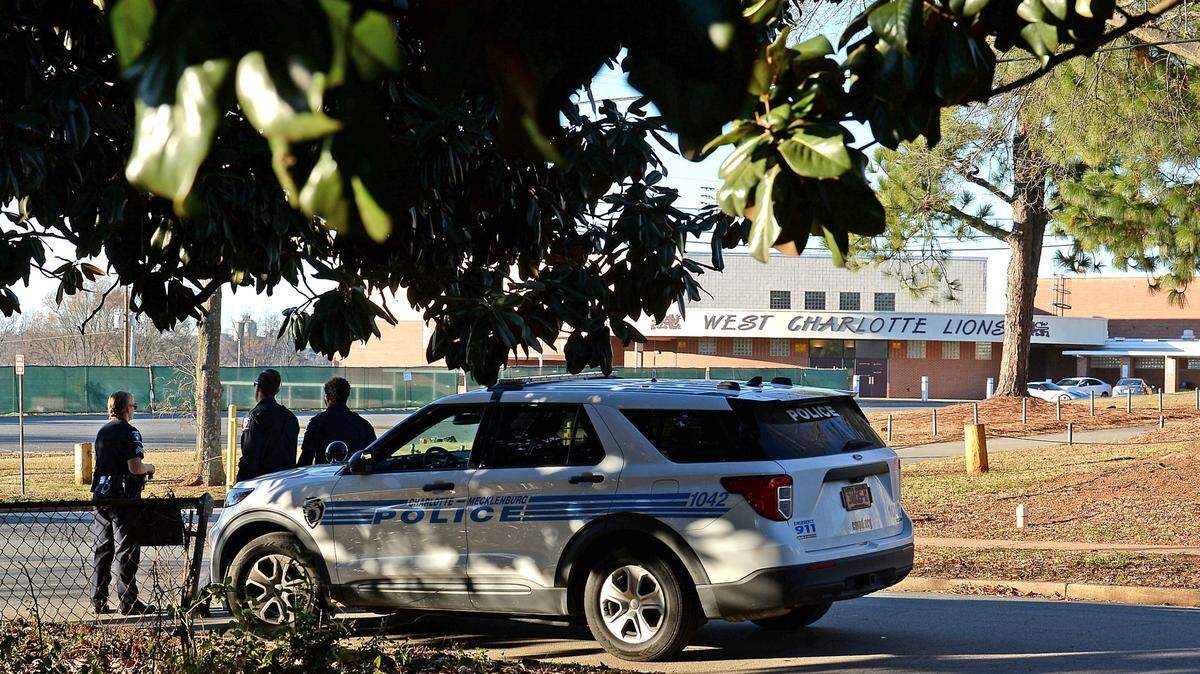
Kids + Guns: 3 ways to curb violence in Charlotte-Mecklenburg schools

A record number of guns found in CMS schools? That was predictable, experts say
Tips for talking with kids about school violence, mental health
Clear backpacks? More cops? Weigh in on Charlotte school safety here.
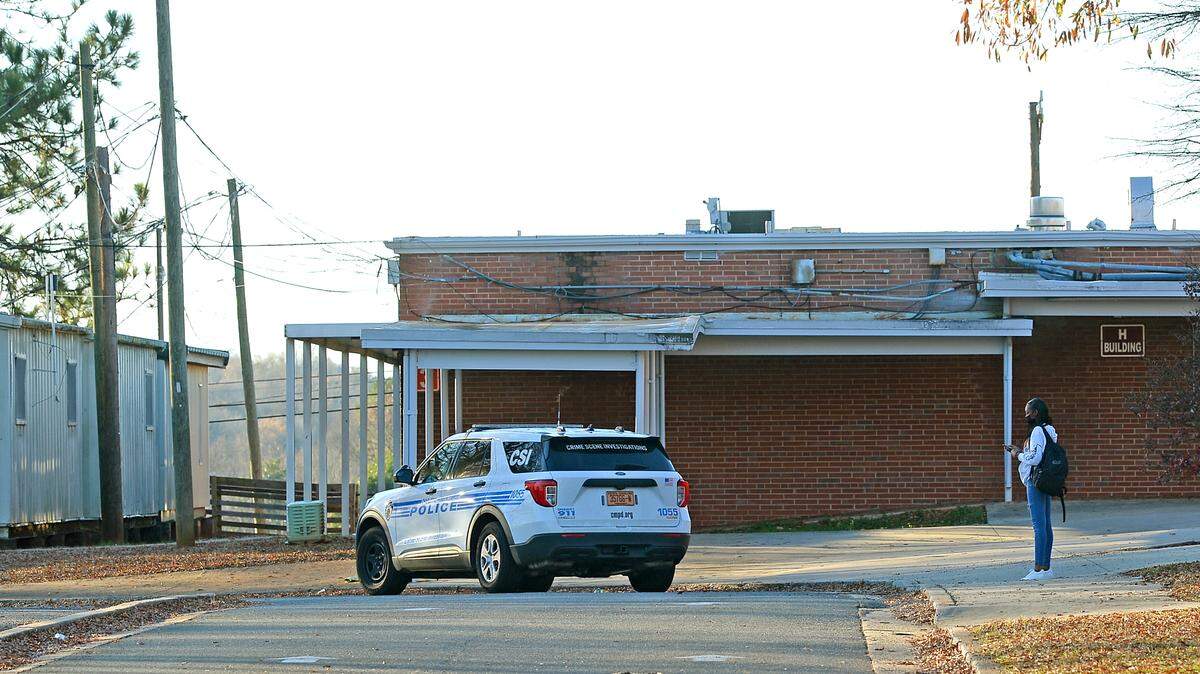
Students with guns in Charlotte-Mecklenburg Schools broke record this year
As Charlotte-Mecklenburg Schools officials find a record number of guns on campus, a school safety expert recommends focusing on mental health to prevent violence.
As of Jan. 4, 23 firearms have been discovered on CMS campuses this year, the majority at high schools, data from the district show. In a Dec. 9 video message to CMS parents, Superintendent Earnest Winston called the situation a “disturbing and dangerous pattern of violent behavior plaguing our schools.” He also said more fights have occurred in schools this year than in previous years.
Some medical professionals connect the uptick in violent school incidents to declines in mental health.
The pandemic and mental health
Many students were isolated for long periods during the COVID-19 pandemic, cutting access to counseling services and medical assistance, one expert said.
“They have not been able to access a lot of their social support systems,” said Melissa Reeves, a senior adviser for Safe and Sound Schools and former president of the National Association of School Psychologists. “They’re spending more and more time on social media, which is often filled with misinformation that can elevate their emotions.”
Reeves said kids are mirroring the behavior of parents who are stressed due to financial hardships caused by the pandemic. More than half of non-retired adults said their financial situation has worsened during the pandemic, according to a survey conducted by the Pew Research Center in March.
“Unfortunately, it’s a perfect storm with no end in sight,” Reeves said. “I don’t think any of us know what normal is going to be anymore, and that increases anxiety in students because they need structure and routine, because it brings about a sense of physical and psychological safety.”
Tips for parents
In addition to reviewing safety precautions, Reeves said parents should be urged to communicate with their children and look for any signs of mental health issues, including:
▪ Any changes of emotion
▪ Withdrawal from social activities
▪ Excessive social media use
▪ Declining academic performance
If any signs are identified, reach out to a medical professional to discuss next steps, Reeves said.
“If parents have concerns, it’s not a bad idea for them to search their children’s backpacks to make sure they’re not going to school with things they’re not supposed to,” said Reeves, noting it’s a parent’s responsibility to make sure their kids do not have access to dangerous weapons.
“We need parents to stay engaged, stay aware and reach out if they need help because they may be saving their child’s life and the lives of many others.”
Talking it out
Talking about gun violence in schools is no easy feat, according to Reeves, especially when dealing with uneasy students and concerned parents. When discussing the issue with students, she recommended the following:
▪ Emphasize concrete actions schools are taking — from increased adult supervision and mandatory visitor sign-ins, to clear backpacks and metal detectors — to ensure campuses are safe.
▪ If students see or hear anything alarming involving weapons, they should alert an adult so they can be proactive in stopping the threat.
▪ Kids can also reach out to their peers who may be struggling with mental health by inviting them to eat lunch or simply ask how they’re doing.
“It’s a combination of opening up the conversation and empowering students to take a leadership role in regards to school safety and in fostering those social connections. There is a delicate balance, but it really comes down to having honest discussions and empowering them to support each other.”
Of course, the approach to this discussion varies among different age groups.
“When students are older, you can have a much more direct conversation and engage them to feel what they’re seeing and hearing, and what they feel some of the barriers are to school safety,” Reeves said.
With younger children, it’s important to reassure them that there are more good people in their communities than there are bad people, and talk about how negative feelings about guns in schools can be managed, Reeves said. Addressing specific worries and questions they may have and utilizing a reliable, age-appropriate source for information on school violence can also be helpful.
This story was originally published January 9, 2022 at 6:00 AM with the headline "Tips for talking with kids about school violence, mental health."