
5 things to know about the state budget now that it’s law in North Carolina
READ MORE
The state is flush — and it’s keeping the cash
North Carolina’s 2022 state budget, written by a small group of powerful politicians, passed into law with no opportunities for others to ask for changes. The big winner is the state savings fund, while money for state worker pay, tax cuts and Medicaid expansion are losers. Follow the money and take a deep dive behind the scenes.
Expand All
With inflation raging and recession feared, NC budget focuses on saving, not spending
Plenty of pork in new NC budget, with millions heading home to top lawmakers’ districts

New NC budget written in secret, with no input from the public or even many legislators

Do you get paid by the state of North Carolina? Here’s your raise this year
5 things to know about the state budget now that it’s law in North Carolina
North Carolina Gov. Roy Cooper signed the 2022 state budget into law on July 11, which means more money for state employees and teachers and changes to downtown Raleigh. It also means a big savings account because of inflation and concern about the potential for a recession. What it doesn’t mean: Medicaid expansion.
Here are five big things to know about the budget that is now law:
1. Teacher raises
The biggest pay raise in the budget is for teachers, who will get an average raise of 4.2% this year. That’s an increase in the expected average raise of 2.5% that was coming from the 2021 budget bill, which is a two-year spending plan.
The base pay for new teachers will be higher than before. The budget raises starting pay for teachers to $37,000. That base pay can be supplemented by local school districts through local funding and additional state funding for more rural counties.
2. Higher raises for state employees, bonuses for retirees
State employees will get a 3.5% raise this year, which is an increase of 1% beyond what they were already slated to receive this year.
Retired state employees and retired teachers will get a 4% cost-of-living bonus this year, a 1% increase over what would have happened without a 2022 budget. Retirees or their beneficiaries will receive their 4% bonus between Sept. 1 and Oct. 31.
3. State is saving money for a recession
The new budget also puts $1 billion in a new fund called the State Inflationary Reserve. The money will be used for unexpected higher costs for projects because of current inflation and a possible recession on the horizon.
4. Downtown Raleigh will change
Most state government buildings are near each other in the center and on the northern side of downtown Raleigh. State agency headquarters flank the state Capitol building, Legislative Building and Executive Mansion. Now some buildings will be demolished and two new buildings constructed.
In the governor’s budget proposal last spring, Cooper proposed that the barely used Bath Building in the state government complex be demolished and turned into green space. The request for demolition made it into the final budget. The land is across the street from the North Carolina Freedom Park, a celebration of the African American experience that is now under construction on the block of Lane Street between the Executive Mansion and the Legislative Building.
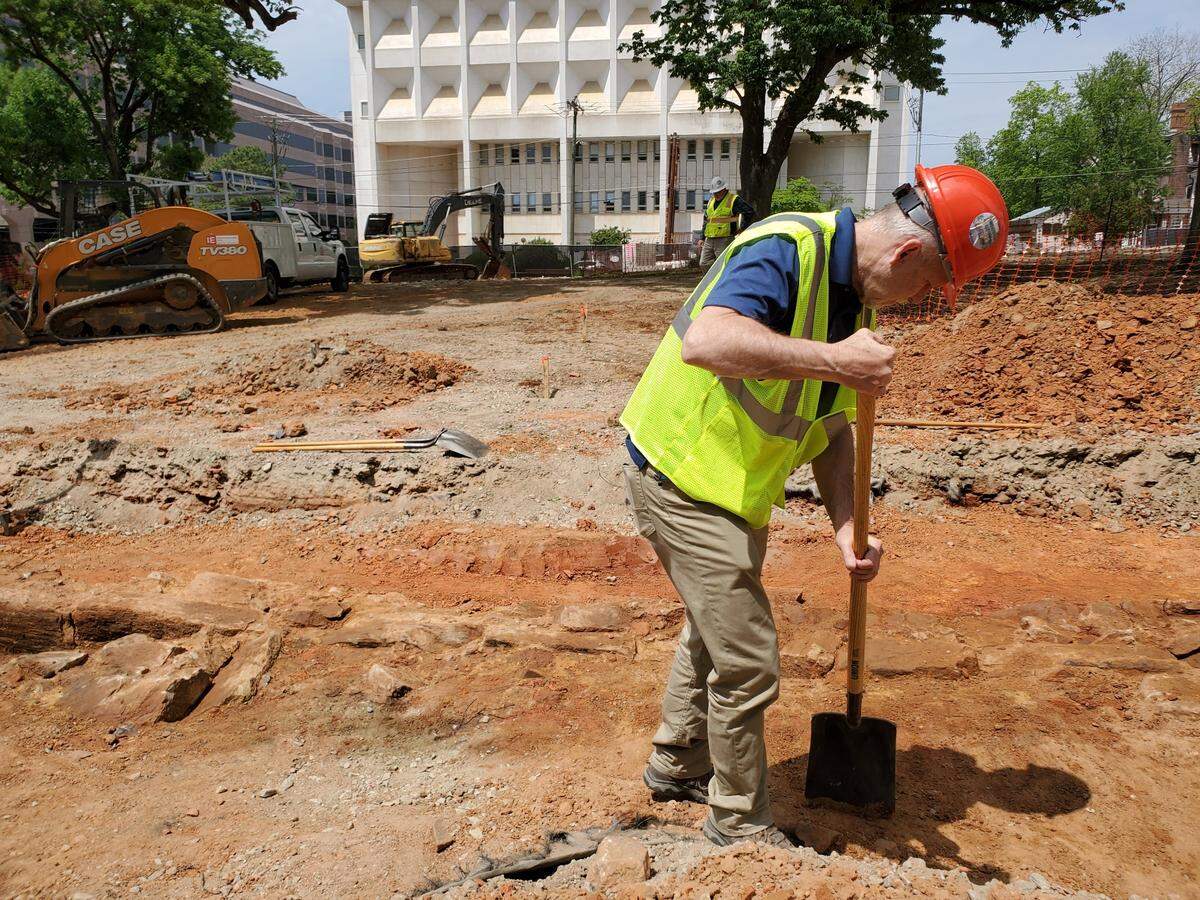
The final budget set in motion more changes, including a new downtown education campus to be used for the UNC System Office, the Community Colleges System Office, Department of Public Instruction and Department of Commerce. It also includes funding to renovate the current Department of Public Instruction building, on Halifax Mall behind the Legislative Building. The UNC System Office is relocating from Chapel Hill to Raleigh as part of the 2021 budget.
The new budget also means the demolition of the Department of Administration building, which is next to the Legislative Building on Jones Street and across from the state Museum of Natural Sciences.
And a new place to house governor’s office staff as well as a permanent meeting place for the executive branch leaders on the Council of State will also be built on one or more of four parcels of state land that are now surface parking. The governor’s office did not request the space, The N&O previously reported.
Construction, relocation and demolition work is slated to happen in 2023, according to the budget.
5. Medicaid expansion commitment
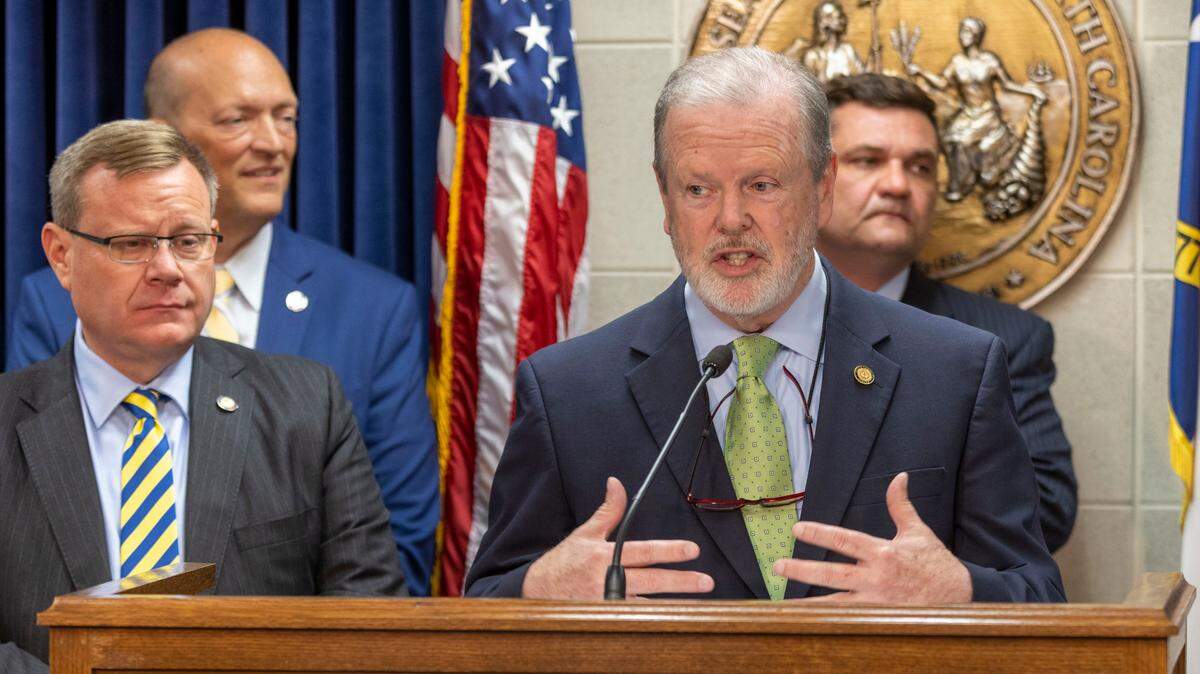
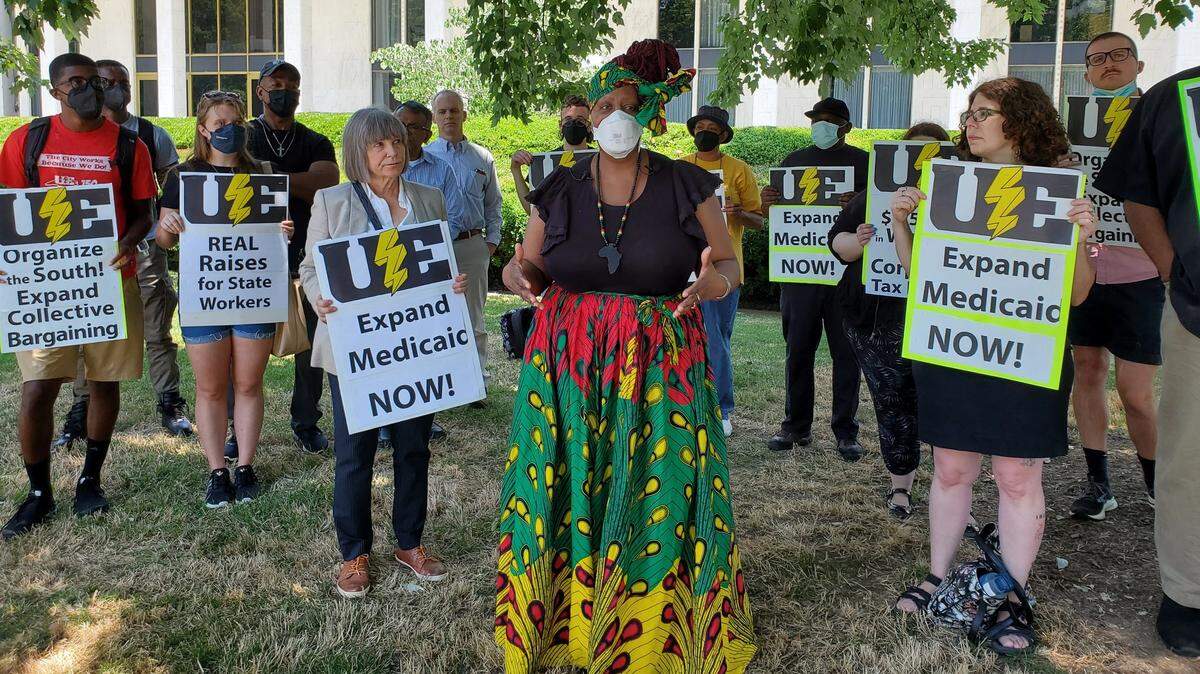
While Medicaid expansion isn’t in the budget, it has been a major part of budget negotiations between the Republican leaders. The House and Senate passed their own bills this year about expansion, but it became a sticking point during final negotiations and they left it out of the budget.
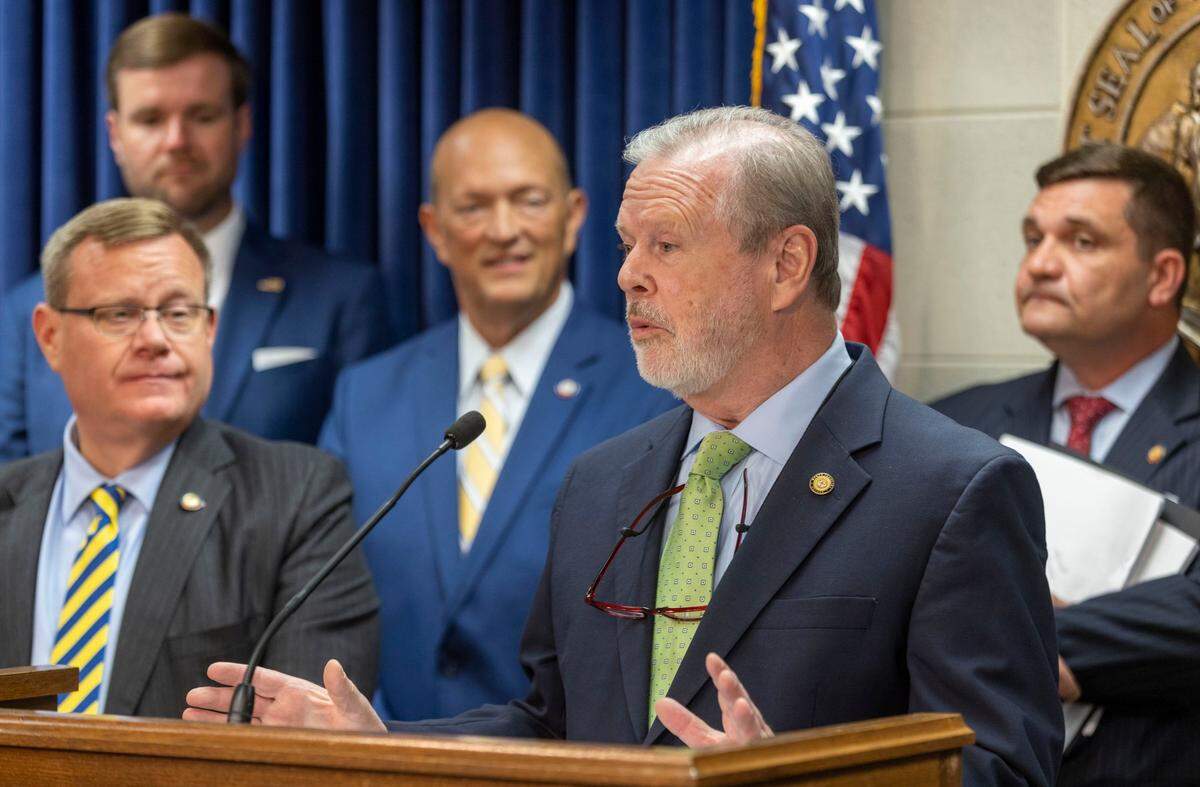
Cooper, Senate leader Phil Berger and House Speaker Tim Moore all mentioned Medicaid expansion in their statements about the budget becoming law. Cooper cited it to explain why he signed the bill:
“This budget does not include Medicaid Expansion, but the leadership in both the House and Senate now support it and both chambers have passed it. Negotiations are occurring now and we are closer than ever to agreement on Medicaid Expansion, therefore a veto of this budget would be counterproductive,” Cooper said.
And Moore and Berger said they are “committed to working together to improve healthcare access and expand Medicaid, while providing the necessary safeguards to preserve the state’s fiscal strength. Active negotiations are occurring now toward that end.”
The General Assembly is scheduled to be back for a session day on July 26, and has a day scheduled every month through the end of the year, when a $1.5 billion bonus from the federal government for Medicaid expansion expires.
All 170 seats in the legislature are up for election in November.
For more North Carolina government and politics news, listen to the Under the Dome politics podcast from The News & Observer and the NC Insider. You can find it at https://campsite.bio/underthedome or wherever you get your podcasts.
This story was originally published July 11, 2022 at 6:15 PM with the headline "5 things to know about the state budget now that it’s law in North Carolina."
.jpg)