
With inflation raging and recession feared, NC budget focuses on saving, not spending
READ MORE
The state is flush — and it’s keeping the cash
North Carolina’s 2022 state budget, written by a small group of powerful politicians, passed into law with no opportunities for others to ask for changes. The big winner is the state savings fund, while money for state worker pay, tax cuts and Medicaid expansion are losers. Follow the money and take a deep dive behind the scenes.
Expand All
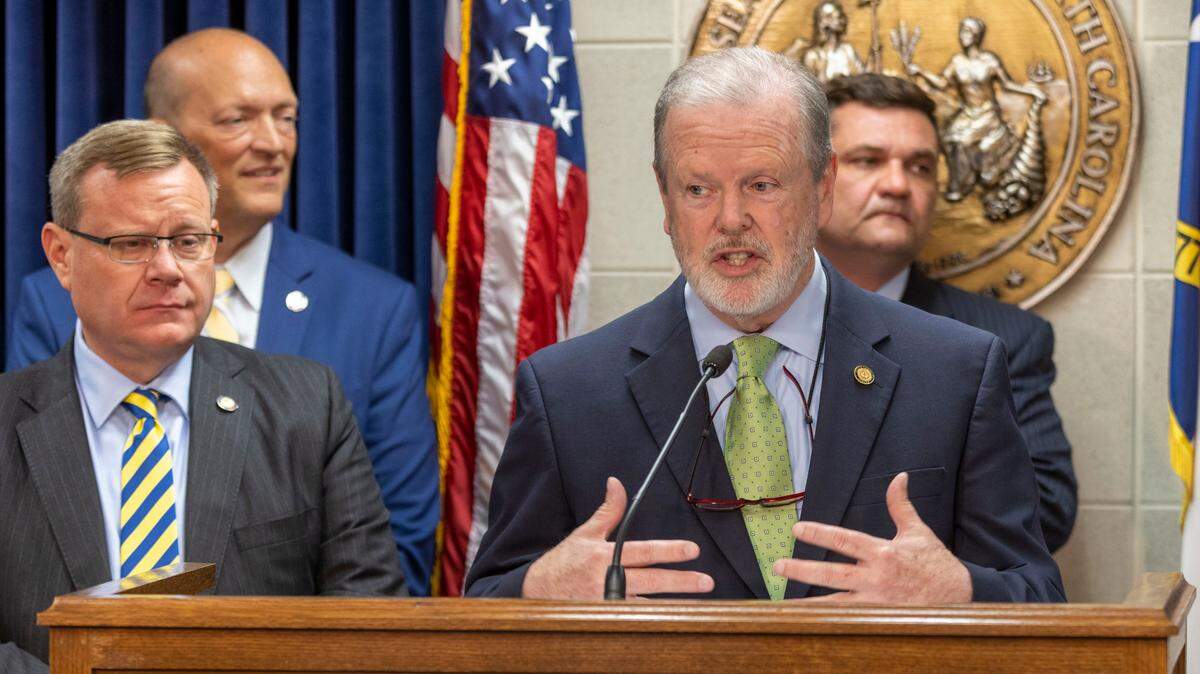
With inflation raging and recession feared, NC budget focuses on saving, not spending
Plenty of pork in new NC budget, with millions heading home to top lawmakers’ districts
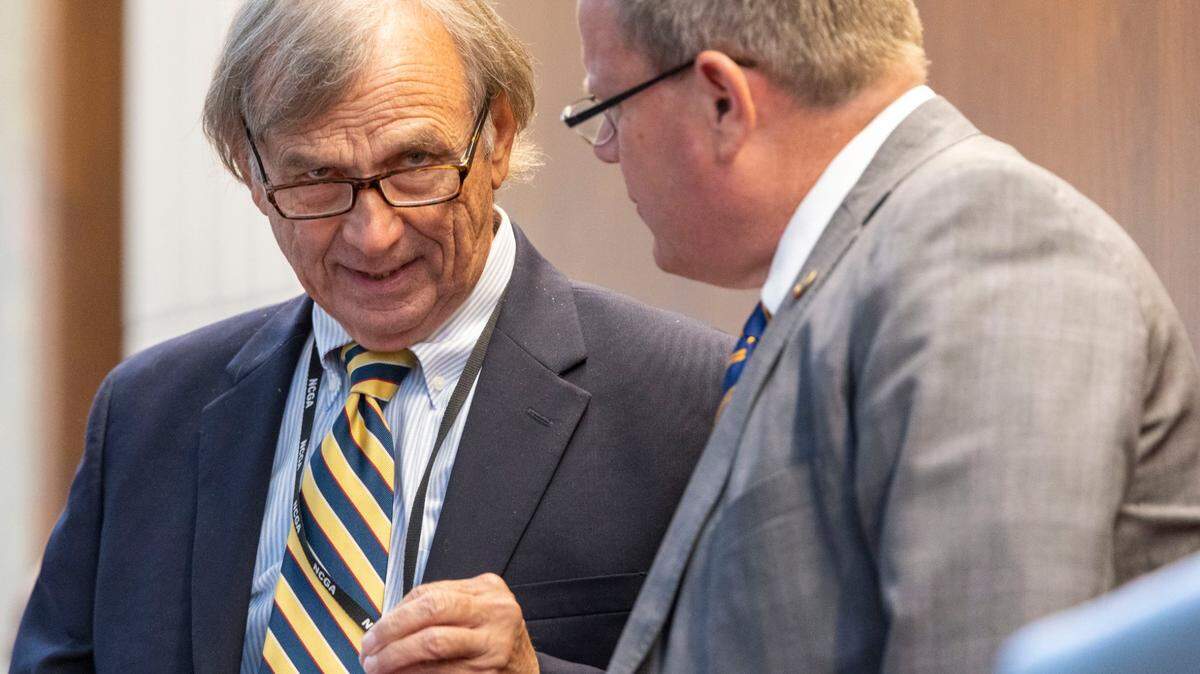
New NC budget written in secret, with no input from the public or even many legislators

Do you get paid by the state of North Carolina? Here’s your raise this year
5 things to know about the state budget now that it’s law in North Carolina
With 2022 bringing the summer of inflation and a potential recession on the horizon, the North Carolina state budget took what one legislator described as a “cautious” step forward in spending taxpayer money.
This year’s budget was more defined by what wasn’t in it than what was. There were no new tax cuts. There was no Medicaid expansion. There were no major raises for state employees and teachers.
But all those issues are sure to turn up again, some sooner than others. And uncertainty about how soon inflation drops, or if a recession comes, are both reasons for legislative Republicans’ reluctance to go big this year.
While Republicans talked for more than a month about the potential for more tax cuts, in the end, they decided not to give money back to taxpayers in the form of a tax rebate or faster reduction in the individual income tax rate.
“Inflation and recession are certainly a big factor in it, but it’s also just spending money wisely,” Rep. Jason Saine, a Lincolnton Republican and head budget writer, told The News & Observer in a phone interview. He described the lack of tax rebates or cuts this summer as “just a more cautious approach.”
North Carolina is supposed to pass a two-year spending plan every two years, and did so in 2021. So the legislature isn’t required to pass a bill in the off-years, in what’s known as its short session, to adjust spending.
But with a revenue surplus of more than $6 billion, Republican leaders said when they started the short session in mid-May that a budget bill was a priority ahead of plans to adjourn before the Fourth of July. And they did, though they took a much more tentative approach to spending than what they were saying early in the budget process.
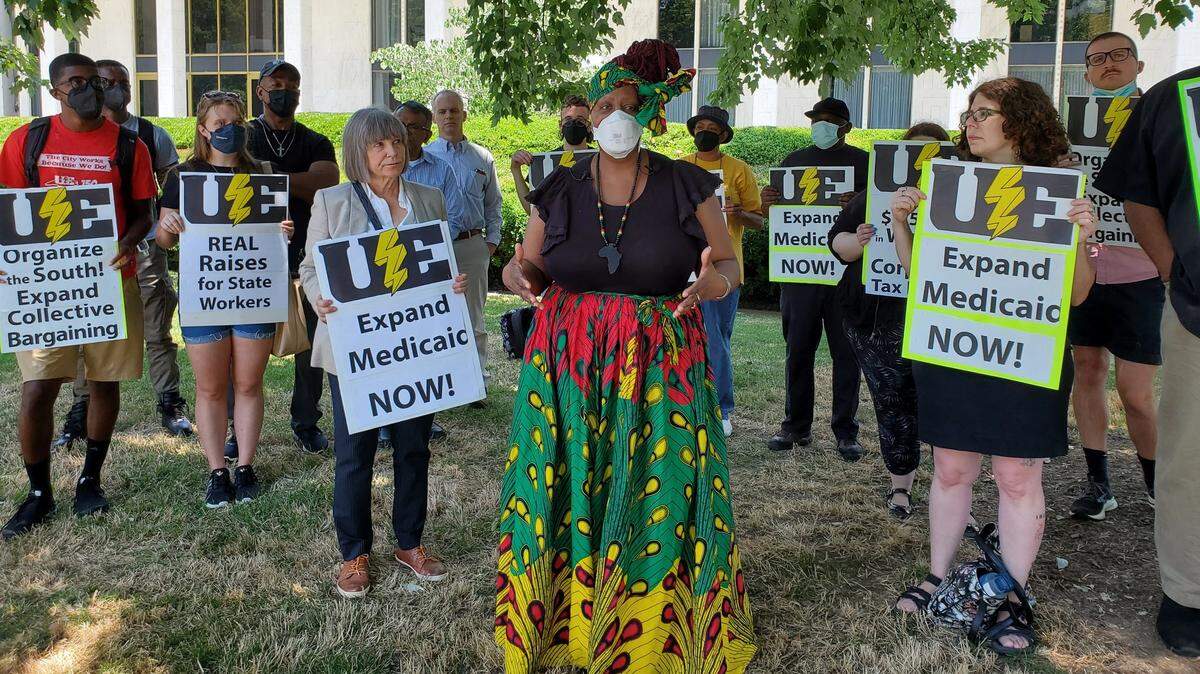
The budget and Medicaid expansion
Senate leader Phil Berger, an Eden Republican, introduced the $27.9 billion budget bill to reporters as “a revision of the two-year budget we passed last year” with references to the national economic status. Republicans blame the Biden administration for inflation.
“Putting this together, key concerns that we had have been inflation, which has been fueled by Democratic policies in Washington, and a looming recession,” Berger said in late June.
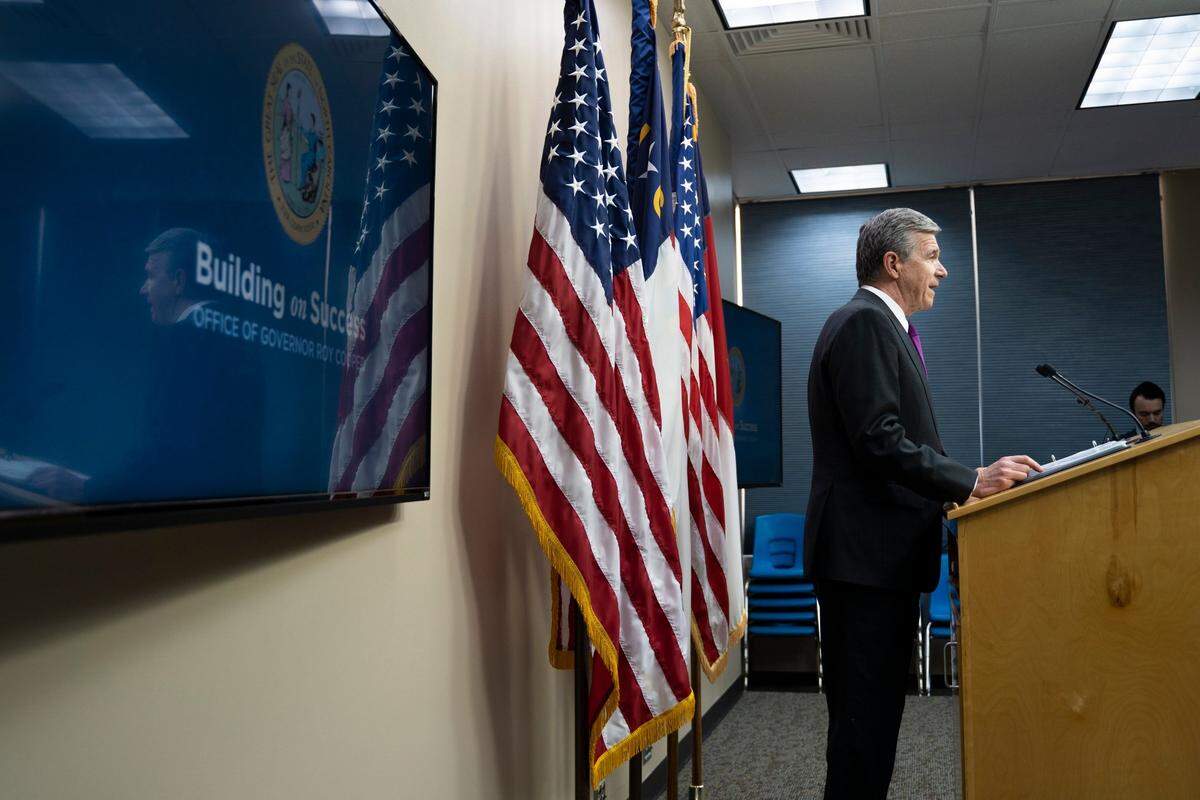
Democratic Gov. Roy Cooper made his usual calls for more education spending, raises for state employees and teachers, and the longstanding issue of expanding Medicaid.
Those priorities could have been reasons for him to reject the budget once it landed on his desk. And since Republicans lost the supermajority they once held, they have not been able to successfully overturn one of his vetoes.
But Cooper signed it, saying that a veto would be “counterproductive” to negotiations on a potential Medicaid expansion agreement. Berger and Moore issued a joint statement lauding their conservative financial decisions in writing the budget but also committed to continue Medicaid expansion discussions this year.
That is a big change from previous budget cycles, when Republicans and Democrats were on opposite sides of the expansion debate along with other budget issues.
The 2019 budget battle was trench warfare, a long political fight that ended up in a stalemate. By the 2021 process, lawmakers in both parties just wanted to get a budget done. That dragged out too, but came to fruition in time for Thanksgiving, when Cooper signed the spending plan into law. That budget included raises and tax cuts over two years.
Cost of living is an issue
Saine, the powerful House Appropriations chair, said that because legislators just spent “a large chunk of change” in November, this time they wanted to take a “wait-and-see approach” as the cost of living continues to rise.
And days after the budget became law, the latest inflation numbers rose again, with a 9.1% increase in prices nationwide and 9.8% inflation in the South compared to a year ago, according to the consumer price index from the U.S. Bureau of Labor Statistics.
Saine said they wanted to wait for prices to normalize.
“We know that prices do eventually level out,” he said.
The next budget process is less than a year away.
“We still have a lot of big lifts in this budget, it’s not like we just sat on the money,” Saine said.
But they did sit on some of it, putting $1 billion into a new fund called the State Inflationary Reserve.
That fund was created, Berger told reporters in June, “in anticipation of a recession and current inflationary pressures. This helps prepare the state for the potential economic headwinds.”
That money will be used for existing projects in the works that could now cost more money because of inflation.
Raises for state employees
The budget ended up adding a little more to raises already in the works for state employees, and a little more for teachers, as well as a bump for a cost-of-living bonus for retirees. Both the average raises and bonuses for retirees are less than half of the current rate of inflationary consumer costs.
The North Carolina Association of Educators called the teacher raises in the budget “effectively a pay cut.”
NCAE President Tamika Walker Kelly also noted that the budget did not fund public education on par with a funding plan that a court has ordered as part of the ongoing legal case over school funding known as Leandro.
And State Employees Association of North Carolina Executive Director Ardis Watkins said the budget showed the legislature “choosing to hoard money rather than give state employees reason to stay.”
For more North Carolina government and politics news, listen to the Under the Dome politics podcast from The News & Observer and the NC Insider. You can find it at https://campsite.bio/underthedome or wherever you get your podcasts.
This story was originally published July 20, 2022 at 6:00 AM with the headline "With inflation raging and recession feared, NC budget focuses on saving, not spending."
.jpg)