New NC budget written in secret, with no input from the public or even many legislators
READ MORE
The state is flush — and it’s keeping the cash
North Carolina’s 2022 state budget, written by a small group of powerful politicians, passed into law with no opportunities for others to ask for changes. The big winner is the state savings fund, while money for state worker pay, tax cuts and Medicaid expansion are losers. Follow the money and take a deep dive behind the scenes.
Expand All
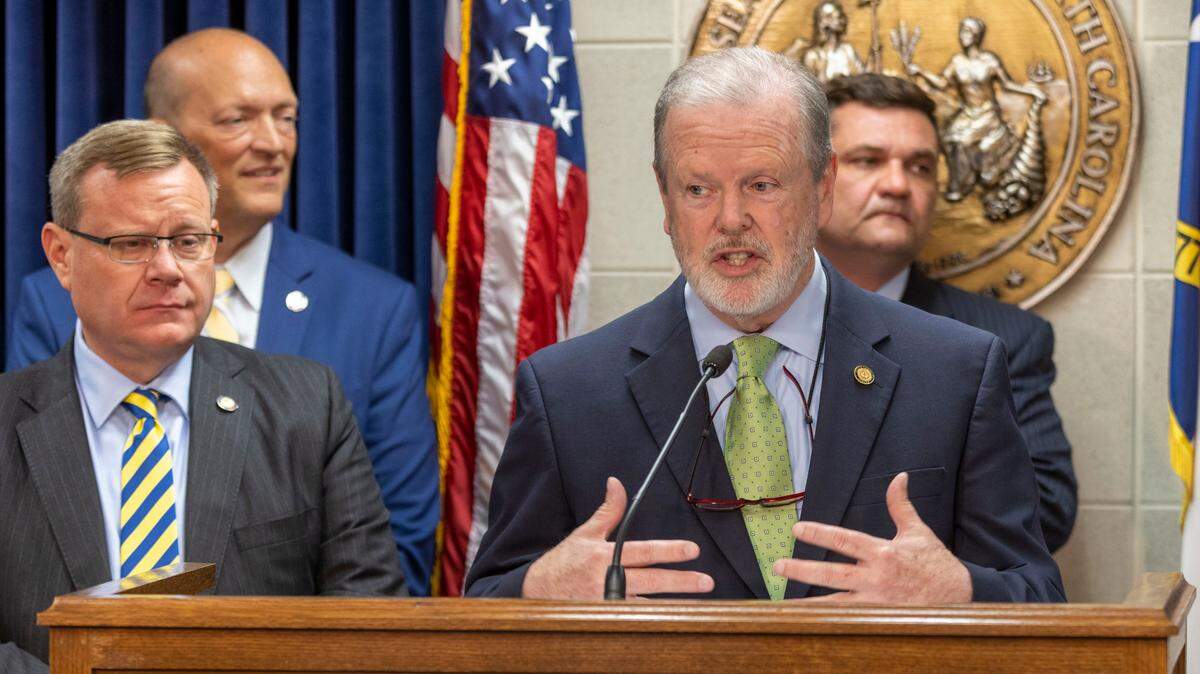
With inflation raging and recession feared, NC budget focuses on saving, not spending
Plenty of pork in new NC budget, with millions heading home to top lawmakers’ districts
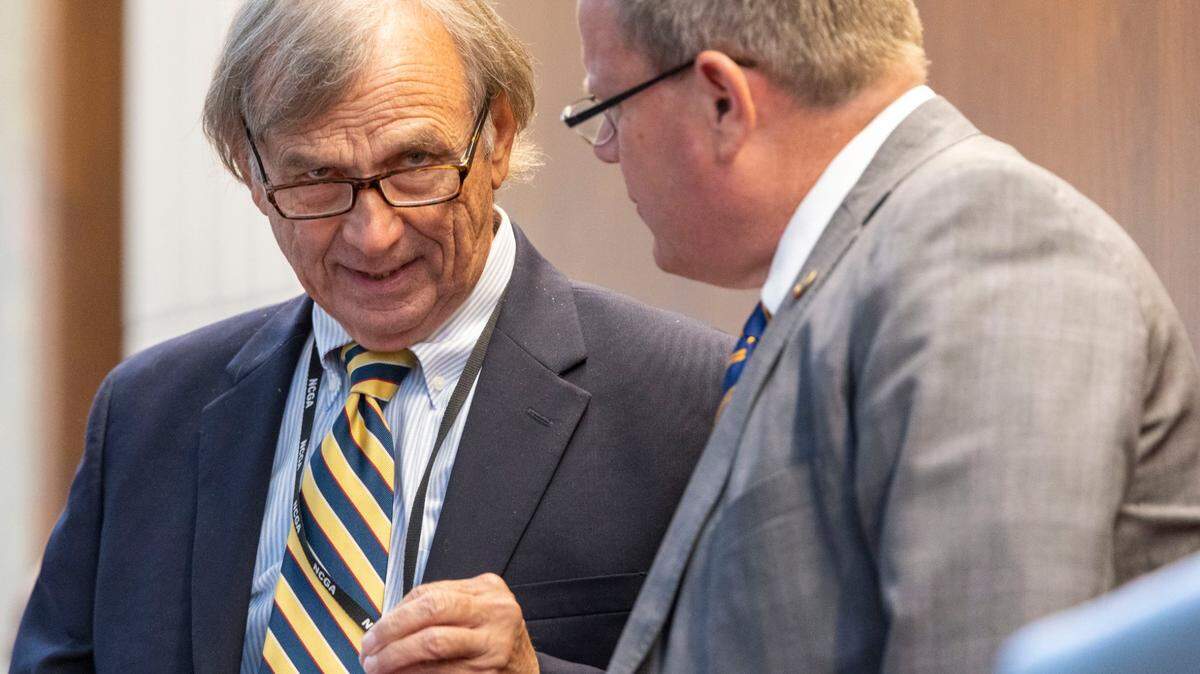
New NC budget written in secret, with no input from the public or even many legislators
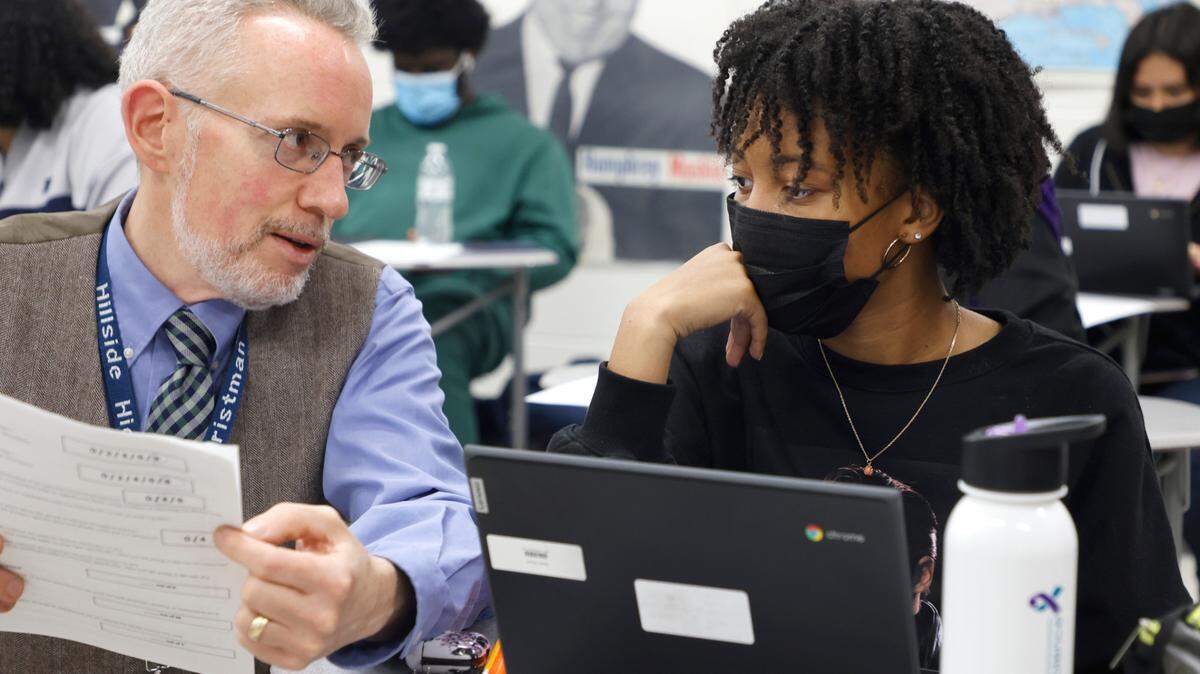
Do you get paid by the state of North Carolina? Here’s your raise this year
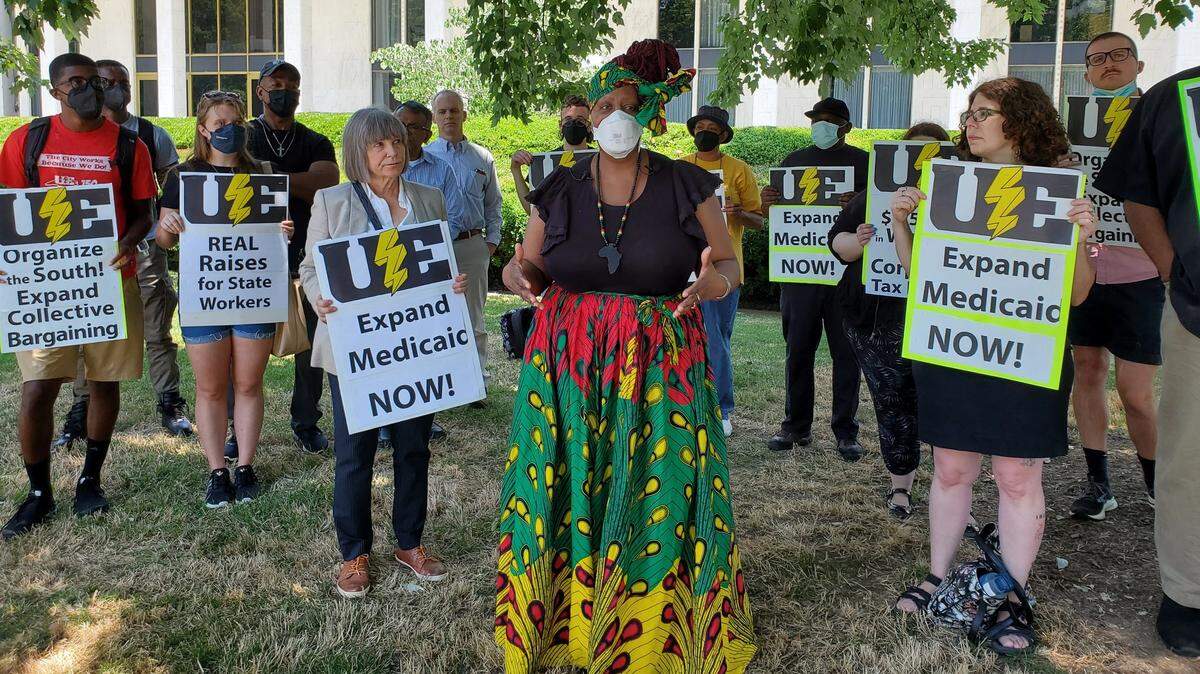
5 things to know about the state budget now that it’s law in North Carolina
The public was shut out of this year’s state budget process — even more than usual.
Usually when state lawmakers write the budget, the first drafts in both the House and Senate are written in secret. But they’re followed by public debates over the course of weeks, even months, before a final vote. That’s because once those initial budget proposals come out and pass through the normal legislative process, the two chambers usually find that they don’t agree on how to spend every single cent of the multi-billion-dollar budget, so they have to negotiate a compromise.
This year, things were different. The two chambers didn’t pass their own versions, meaning the budget was negotiated entirely behind closed doors. When lawmakers did unveil it to the public, they rushed it out using a special procedure that prohibited anyone from suggesting any changes by amending the bill.
No amendments meant that critics of certain pieces of the budget weren’t able to even attempt to get them tweaked or removed, including some controversial policy changes that were inserted into the budget despite having little to do with state spending.
It also meant typos couldn’t be fixed — like one line item that gives $50,000 to a volunteer fire department that doesn’t exist. The money appears intended for the Grantham Volunteer Fire Department outside Goldsboro, but a budget document calls it Gratham, which is not a place. Lawmakers may have to pass another law to fix that, plus any other errors they find.
Why it’s important
The anti-transparency tactics had never been used on a state budget bill in recent memory until Republican leaders did it in 2018, The News & Observer reported at the time. Now it has happened again.
This year, the public never saw the budget until one Tuesday night in late June. Voting began less than 48 hours later.
Only a small number of top Republican leaders had a say in what was in the plan. Once they were finished, nobody inside or outside the legislature could even try to ask for changes.
“Even though legislative negotiations have long taken place in whole or in part behind closed doors, it doesn’t mean that they have to,” said Brooks Fuller, director of the North Carolina Open Government Coalition at Elon University. “The budget process can be complex, mundane and wonky, but the public has a great interest in the budget.”
Many Democrats voted for the budget, and Democratic Gov. Roy Cooper signed it, saying that a veto could have gotten in the way of a potential future agreement on Medicaid expansion. But they still raised concerns.
“Democrats have had virtually no ability to impact the content of this budget at all,” Rep. Deb Butler, a Wilmington Democrat, said during debate on the House floor. “We are spending $27.9 billion with this budget today. And there are 51 talented Democrats over here, elected by the people of North Carolina, who have been completely cut out of the process.”
Republican budget writers dismissed the Democrats’ complaints. Winston-Salem Rep. Donny Lambeth said everyone got the chance to vet it in a committee meeting the day before the first vote, and Lincolnton Rep. Jason Saine said the final product speaks for itself.
“Everybody in this body should agree — but they won’t — that this budget puts our state on a path to continue the wins,” Saine told fellow lawmakers. “I’m willing to bet that other states will want to look at this budget, like they have our past budgets, and want to emulate our winning seasons.”
He pointed to roughly $1.6 billion in new spending on economic development, from airport improvements to taxpayer incentives used for luring new companies here — like the state has successfully done with Apple, Toyota and others recently.
Shortly after the budget formally became law last week, CNBC named North Carolina the single best state in America for business.
“Companies are clamoring to come to our state, set up shop and participate in our dynamic economy,” Saine said during the budget debate. “Key components of this budget are the investments in economic development.”
The top Democrat in the House, Chatham County Rep. Robert Reives, said every lawmaker — there are 120 in the House and 50 in the Senate — has different perspectives and experiences. There’s a reason the legislature has so many people, he said, and the budget shouldn’t just be up to a couple of them.
“I firmly believe that we can get to a place in government where we recognize diversity in opinion is actually a good thing,” he said during the debate.
Even if Democrats had been allowed to suggest changes and weren’t successful, Fuller said there’s a civic benefit to letting that back-and-forth play out. It helps voters understand what the party in power thinks is important, as well as what the minority party would do if given power.
“We shouldn’t downplay benefits of public participation in the form of citizens observing how the budget takes shape,” he said. “They deserve a meaningful opportunity to understand the parties’ budget priorities even if party leaders aren’t legally required to provide them in an open forum during the process.”
Policy in the budget
The secrecy tactics used in 2018 and again this year have so far only happened in even-numbered years. That’s notable because North Carolina works in two-year budget cycles, with the main budget passed in an odd-numbered year followed usually by relatively minor tweaks to the spending plan made in the following even-numbered year.
But this year was somewhat different. The state brought in over $6 billion more in revenue than expected — a massive increase to the state’s spending power, since the 2021 budget was $25.9 billion. So lawmakers had a lot more money to divvy up this year.
Budgets also include policy. And Durham Democratic Rep. Marcia Morey also criticized some changes in the budget as partisan — like new rules giving sheriffs more control over the investigations whenever a jail inmate dies in their custody, or another change that she criticized as politicizing the Office of Administrative Hearings.
That office resolves legal fights on everything from environmental rules to whether police and teachers accused of misconduct should be allowed to stay on the job. The budget allows North Carolina’s chief administrative law judge to move employees within the office. That had been proposed in a separate bill, but when it became clear that Cooper would’ve vetoed it, Morey said, Republicans put it in the budget to make sure it became law.
Morey, a retired judge, said she wished she could’ve raised some nonpartisan concerns as well. For instance, she said, North Carolina’s juvenile justice facilities have nearly half their jobs vacant due to a pay discrepancy between adult and juvenile corrections jobs that the last budget caused. And it comes right as North Carolina has started sending more teenage offenders to juvenile facilities instead of regular prison.
Fixing that “could’ve been a simple budget amendment,” Morey told fellow lawmakers, but that was impossible because of the rules banning any amendments.
“Who cares?” she asked. “Well, you now have a 40% vacancy rate at facilities who are in charge of watching over our juveniles.”
For more North Carolina government and politics news, listen to the Under the Dome politics podcast from The News & Observer and the NC Insider. You can find it at https://campsite.bio/underthedome or wherever you get your podcasts.
This story was originally published July 20, 2022 at 6:00 AM with the headline "New NC budget written in secret, with no input from the public or even many legislators."