Follow the money: Mecklenburg County finds home for all $317 million in COVID relief
READ MORE
COVID money’s final deadline
The federal government’s COVID relief packages brought windfalls of hundreds of millions to local governments and schools. Now, they’ll have to find ways to help struggling students or ensure affordable housing without it.
Expand All
‘Keeps me up at night.’ How will CMS pay for programs with dwindling COVID relief money?
With COVID relief money set to end, where should Charlotte renters in need go?
Q&A: Mecklenburg health director on the next pandemic and what happens to COVID hires
See where hundreds of millions in CMS and city of Charlotte COVID relief dollars went
Follow the money: Mecklenburg County finds home for all $317 million in COVID relief
Mecklenburg County government has chosen a destination for all COVID-19 relief dollars it received through the federal and state government since 2020.
Commissioners unanimously voted last week to spend $99.6 million in American Rescue Plan Act funds on five priority areas: affordable housing and homelessness; behavioral health and health equity; childcare and early childhood development; parks, environment and infrastructure; and workforce and economic development.
It’s roughly half of the $215.4 million the county received in ARPA funds. The county also received $39.2 million from the Coronavirus Aid, Relief, and Economic Security Act and $63.1 million for emergency rental assistance from the state and federal government. The city of Charlotte, Charlotte-Mecklenburg Schools and other local government agencies also received COVID-19 relief funding.
ARPA was a federal stimulus bill passed in March 2021 for pandemic-response expenditures, revenue shortfalls and to support those hardest hit by COVID-19. The CARES Act was passed in March 2020 to provide immediate relief in response to economic fallout from the pandemic.
The federal and state dollars helped keep county government running through personnel and public health expenses, but much of it went back into the community through nonprofit allocations, rental assistance, housing and infrastructure investment.
“These millions of dollars are necessary for the community and I am so proud of these boards for directing the money to the grassroots organizations,” District 6 Commissioner Susan Rodriguez-McDowell said during last week’s vote.
The county awarded 75 projects total last week:
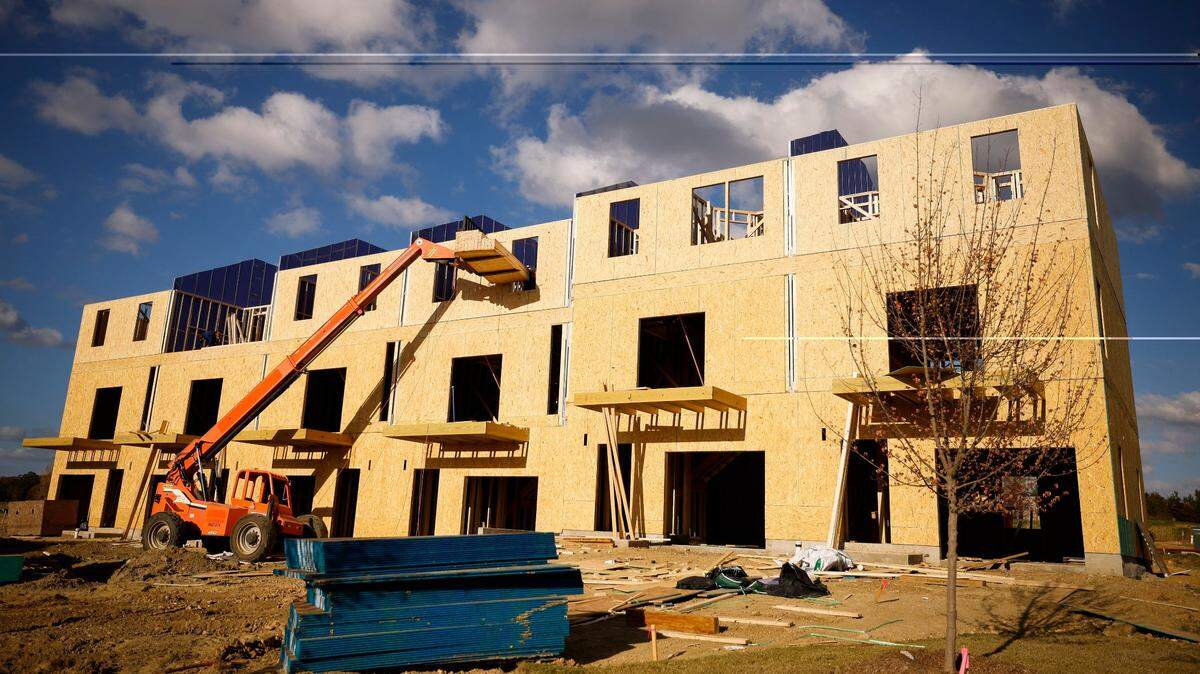
▪ $39.3 million for 20 affordable housing projects including resources to mitigate gentrification and build senior and workforce housing.
▪ $34.2 million for 27 health projects including resources for food support services, medical and mental health services, and psychiatric care for adolescents.
▪ $7 million for 11 childcare projects including resources to expand childcare access, after school care and summer camp programs.
▪ $7.7 million for four environmental projects including resources to enhance land and water quality, improve existing air quality, and create accessible playgrounds.
▪ $11 million for 13 projects including resources to increase access to training opportunities, vocational readiness, and mentoring programs for young adults.
Commissioners Laura Meier and Mark Jerrell encouraged those who applied for funding and did not get it to continue doing the work, not to get discouraged and apply for government support in the future.
An orientation on Thursday told grant recipients about how the county would move forward with the allocations. On Jan. 26 during commissioners’ annual retreat, the county plans to publish a public COVID-relief fund dashboard that will be updated as money is used by recipients.
“Let this be a reminder of all that is good, all that we can do together when we put people first, when we put community first, when we put loving our neighbors first,” at-large Commissioner Leigh Altman said.
This story was originally published January 23, 2023 at 12:42 PM.