Charlotte empties out Housing Trust Fund for developers to boost affordable units
The Charlotte City Council voted Monday to spend all the money left in its Housing Trust Fund on subsidizing more than 600 affordable units.
The council approved allocating $9.2 million from the Housing Trust Fund and $6.6 million in American Rescue Plan Act (ARPA) funds for eight affordable housing projects. The vote drained the trust fund before it’s replenished with $50 million approved by voters this month in a bond referendum.
The money will maintain between 15 to 60 years of affordability for 632 units expected to be built with the city’s subsidy.
The money is “gap funding,” a term used to describe when low-income rents are too low to cover the costs of building and managing the property, according to housing policy group Local Housing Solutions. Some projects already received money from the city and are receiving a second round of funding.
In its presentation, the city said, “unprecedented changes in market conditions, including construction material pricing and interest rates,” led to higher costs for the projects.
For some affordable units, the maintenance and cost more than the rent the tenant pays. That’s why Charlotte’s subsidy for each project can only cover a certain time period — 15, 40, 60 years, for example — where it’s certain the units will remain affordable for people making lower than a designated percentage of the city’s median income.
The allocations approved by council Monday include:
▪ Fairhaven Glen — $1.15 million in gap funding to maintain 40-year affordability for 140 units on Nations Ford Road.
▪ Ovata at Reedy Creek — $2 million in gap funding to maintain 40-year affordability for 78 senior apartments on Newell Hickory Grove Road.
▪ Galloway Crossing — $1 million in gap funding to maintain 40-year affordability for apartments on East W.T. Harris Boulevard.
▪ Bishop Madison Homes — $250,000 to maintain 15-year affordability for nine for-sale units.
▪ Grounds for Change — $4.5 million in gap funding to maintain 60-year affordability for 104 units on Park Road.
▪ Evoke Living at Morris Field — $5.5 million in gap funding to maintain 40-year affordability for 132 units.
▪ South Village Apartments — $4.7 million to maintain 60-year affordability for 82 units. Funding for this project will come from the city’s ARPA funds.
Easter’s Home, 21 units for homeless people on East Fifth Street, didn’t receive its $1.9 million gap funding request, but Charlotte Housing Director Shawn Heath said the project could still happen.
District 1 Councilwoman Dante Anderson voted in favor of the allocation, noting options for seniors and the number of units subsidized in almost all council districts.
All council districts except District 6, which covers much of south Charlotte, received gap funding for at least one project. District 3 received gap funding for two projects — South Village Apartments and Fairhaven Glen will be in District 3 in west Charlotte.
Councilman Tariq Bokhari said spending millions toward less than 1,000 units isn’t enough.
“That is not needle moving,” Bokhari said.
Prior to the vote Monday night, several council members discussed changing the approach to funding housing, noting inflation and the rise of construction costs.
Councilwoman LaWana Mayfield said she wished to see more investment in home ownership to help residents build generational wealth, noting the majority of units being subsidized were rentals.
““The only ones who are building wealth are the ones owning these buildings,” Mayfield said.
The City Council also granted money to a big name in sports planning to call Charlotte home soon and approved a 14% raise for the city’s highest employee.
Charlotte grants money to ACC
The City Council unanimously approved a $40,914 grant to the Atlantic Coast Conference, which plans to move its headquarters to Charlotte next year.
The terms of the Business Investment Grant show the ACC committed to a capital investment of $4.9 million and the creation of 50 jobs with the average wage of $95,000. If the ACC decides not to come to the Queen City, the conference must pay the city back the grant in full.
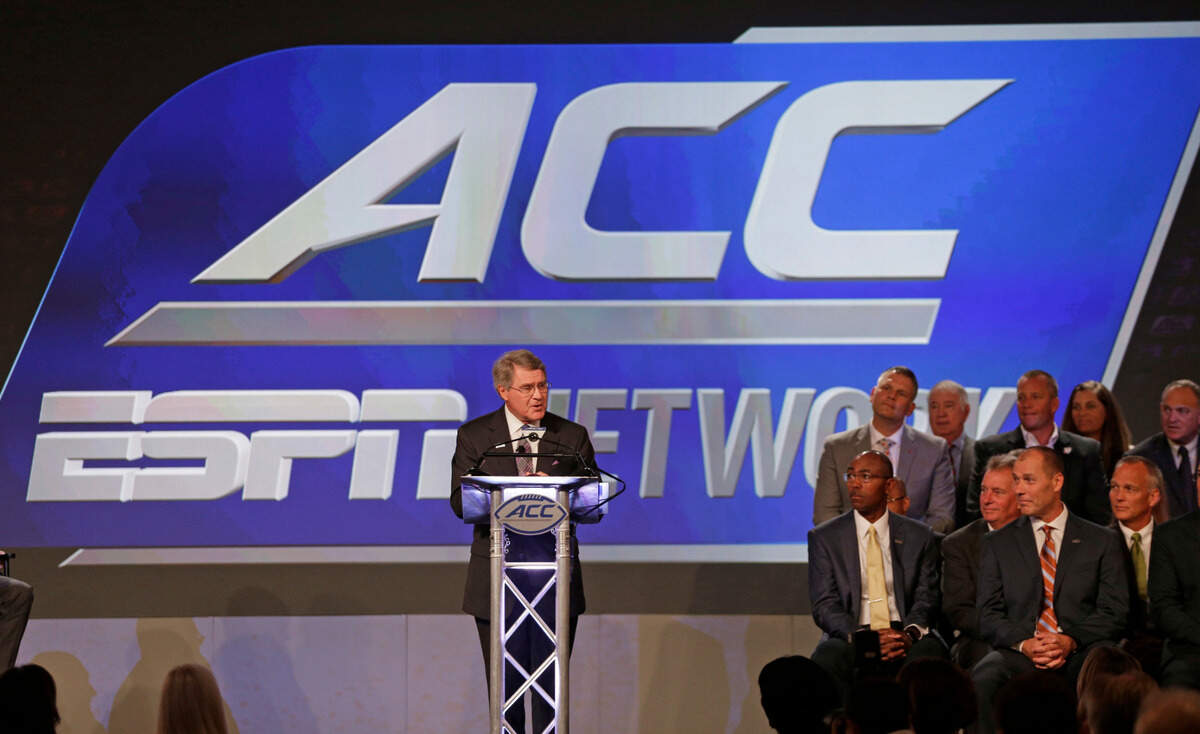
“This is a great economic catalyst for our region as a sports mecca,” at-large Councilwoman Dimple Ajmera said.
In September, the ACC announced plans to move from Greensboro to uptown. The ACC’s 50 employees and headquarters will operate in the Legacy Union complex, with a “state-of-the-art gameday operations studio and modern production studio,” city officials said in a news release.
City manager, clerk get raises
The Charlotte City Council voted to give the city manager and clerk raises.
City Manager Marcus Jones, who accepted the job in 2016, will be paid $434,551 per year, a 14% raise. Jones, Charlotte’s first Black manager, earns about $380,000 per year, or $182 hourly, according to the city’s salary database.
With the raise, Jones will make about $208 an hour.
The raise was approved in an 8-3 vote. Council members Mayfield, Renee Johnson and Braxton Winston voted against the raise.
The Charlotte City Council voted unanimously to raise City Clerk Stephanie Kelly’s salary to $152,362 per year, which is an increase of 11%. Kelly became city clerk in 2008 after serving as deputy clerk.
Kelly currently makes about $137,000 annually, or $65 hourly, the city’s database shows.
Mobility Plan Update
Charlotte Department of Transportation Deputy Director Ed McKinney provided an update to the city council laying out the goals for its road network, transit system, sidewalks, greenways and bike paths — and ways to fund it.

McKinney said CDOT’s goal is to ensure transportation in the city is equitable and works toward its goal of eliminating traffic fatalities.
McKinney offered the following funding solutions for the council to discuss to address transportation needs:
▪ A new countywide sales tax that would need approval from the county, state and voters
▪ Raised property taxes
▪ Moving existing operating expenses to fund transit
▪ Changing the bond allocation to prioritize transportation investment over housing and neighborhoods
The question is what’s next. Outgoing Charlotte Area Transit System CEO John Lewis said the city’s rapid transit corridors can’t come to fruition without a new sales tax and the city’s existing bond structure can only fund so many road projects in the city.
“The (Capital Investment Plan) is not adequate,” District 7 Councilman Ed Driggs said.
The council is expected to reexamine the city’s funding structures for transportation at its budget workshop in February.
This story was originally published November 29, 2022 at 1:06 PM.