In bellwether GOP Senate race, McCrory faces new challenges: Trump and money
READ MORE
The Charlotte Observer Voter Guide 2022
Information on where to vote, the candidates, how to vote and more.
Expand All
“Because Trump told me to.”
That’s the answer Lynn Wheeler, a former Republican Charlotte City Council member, got when she asked a friend why she planned to vote for Rep. Ted Budd in North Carolina’s upcoming U.S. Senate primary.
How many Republican voters would answer the same way is uncertain, but the question hangs over the campaign of Wheeler’s former City Council colleague, Pat McCrory.
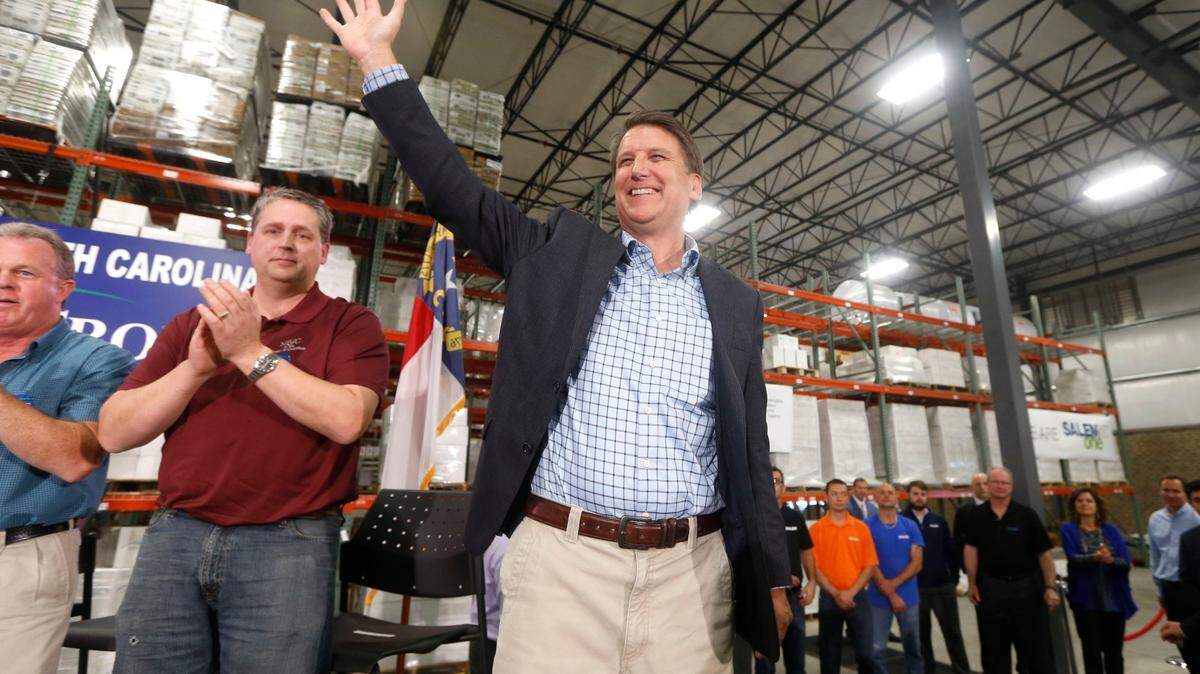
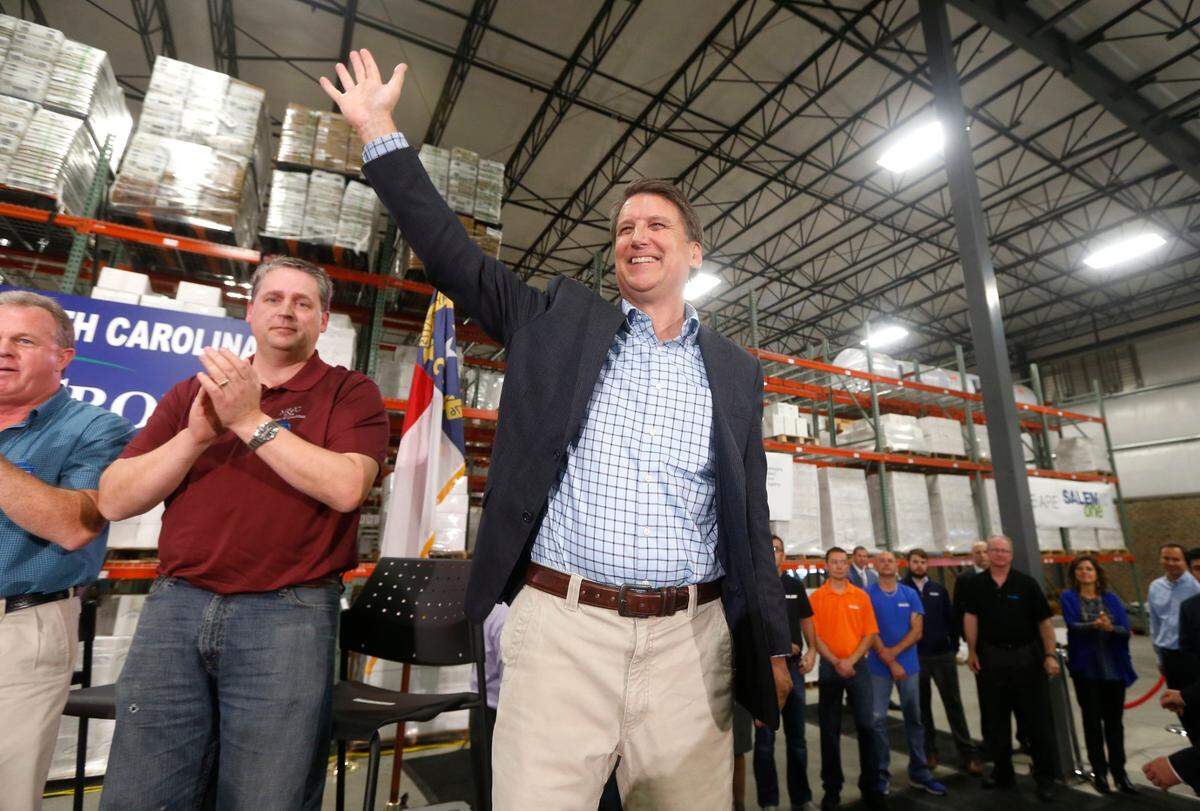
The former governor and Charlotte mayor is approaching a pivotal moment. On May 17, voters will decide whether to send McCrory — or, for some Charlotte voters, still “Mayor Pat” — to the general election.
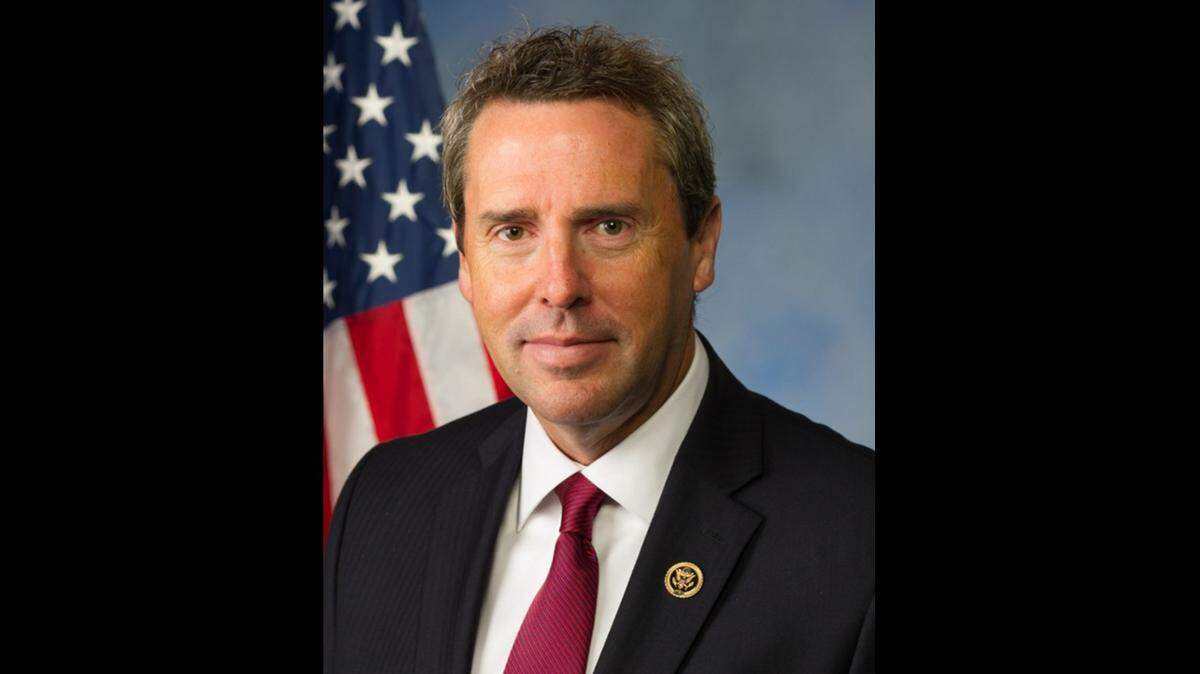
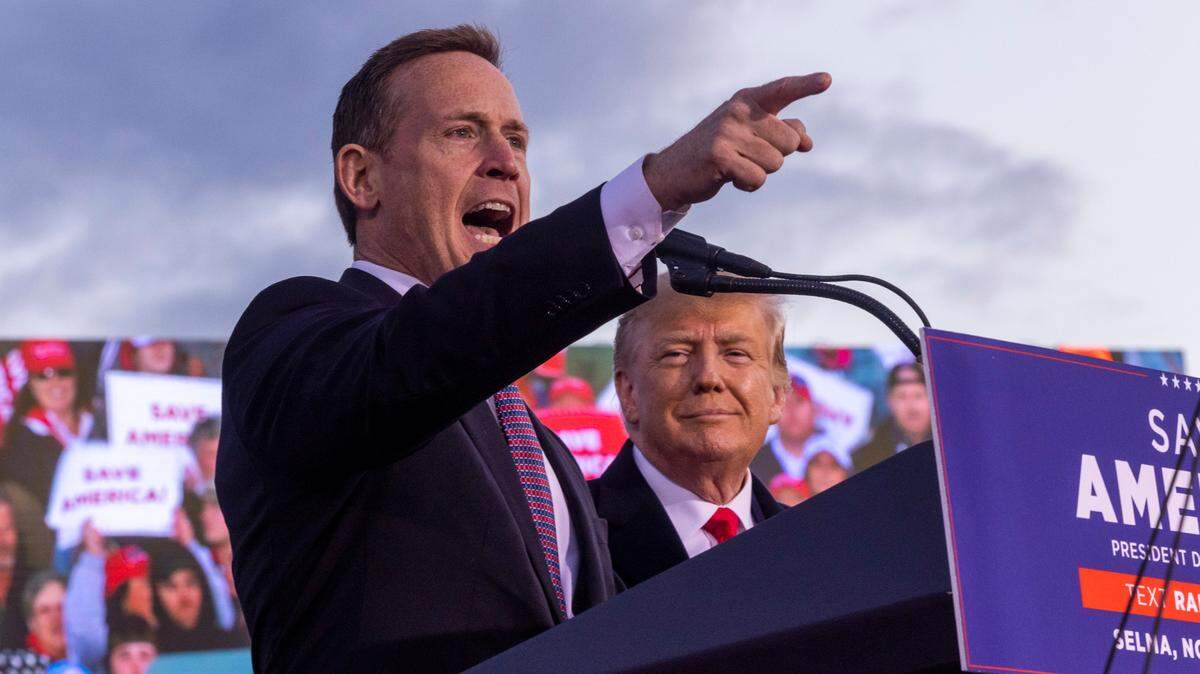
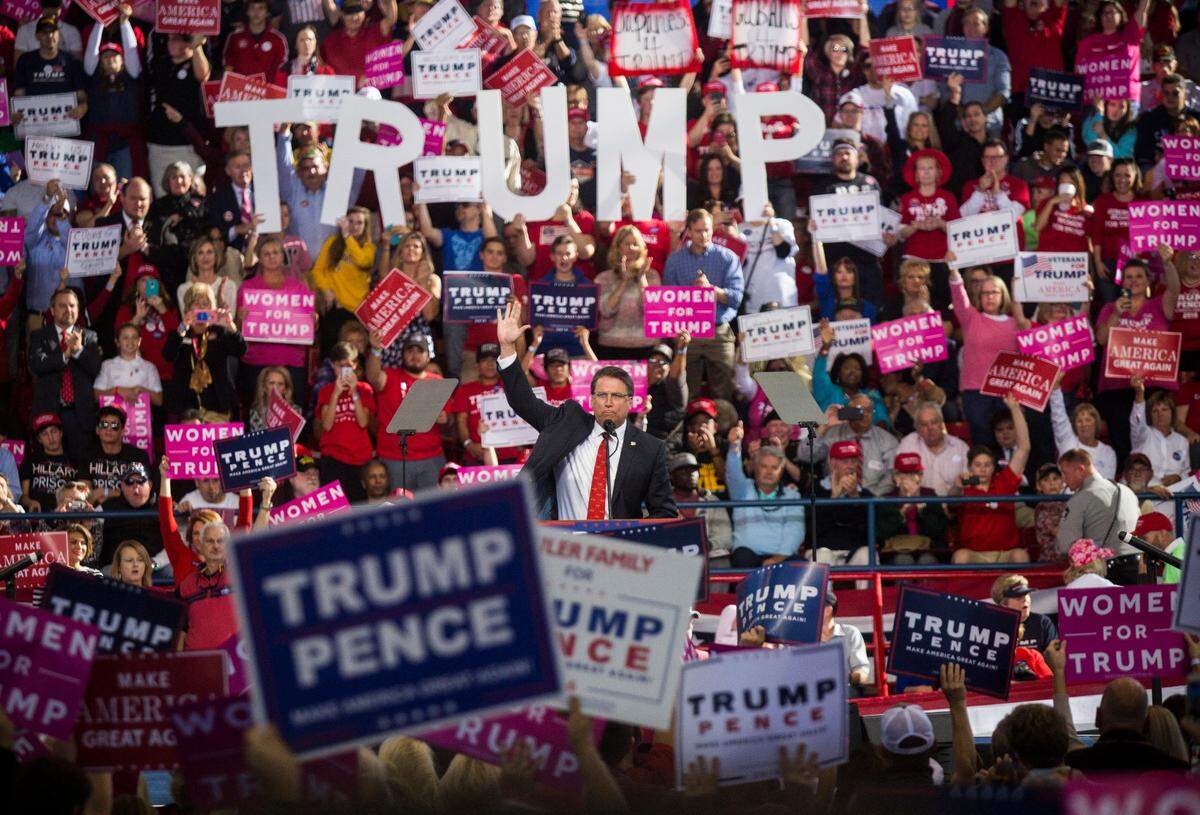
While McCrory is battling for votes with Budd, former Rep. Mark Walker, combat veteran Marjorie Eastman and others in the Republican primary, he’s also up against someone else: Donald Trump.
While McCrory doesn’t put it that way, political analysts and former colleagues say the race is a test — albeit not a perfect one — of the loyalties of North Carolina’s Republican voters. Do they want Trump’s candidate, now one of the front runners despite low name recognition before the race? Or a man most voters have known for at least a decade and some much longer than that?
For not the first time in his career, McCrory is at the center of a national story. His success or failure will inform a country pondering the future of the Republican Party.
Taking that all in, Wheeler chuckles.
She remembers 1989, when McCrory was a manager at Duke Energy making his first foray into politics with a bid for an at-large City Council seat.
Some people, she recalled in an interview with The Charlotte Observer, thought he wasn’t up to the task. He hadn’t held a district City Council seat or endured almost any of the normal paying-your-dues processes most people do before running at large.
But he was charming and won. Then he won again, and again, and within six years he was mayor of North Carolina’s largest city.
McCrory’s Charlotte
McCrory served as mayor for seven terms, a record for the longest-serving Charlotte mayor, with his final term ending in 2009.
Through it all, he’s perhaps remembered most prominently as a champion of the light rail — then known as the “McCrory Line.”
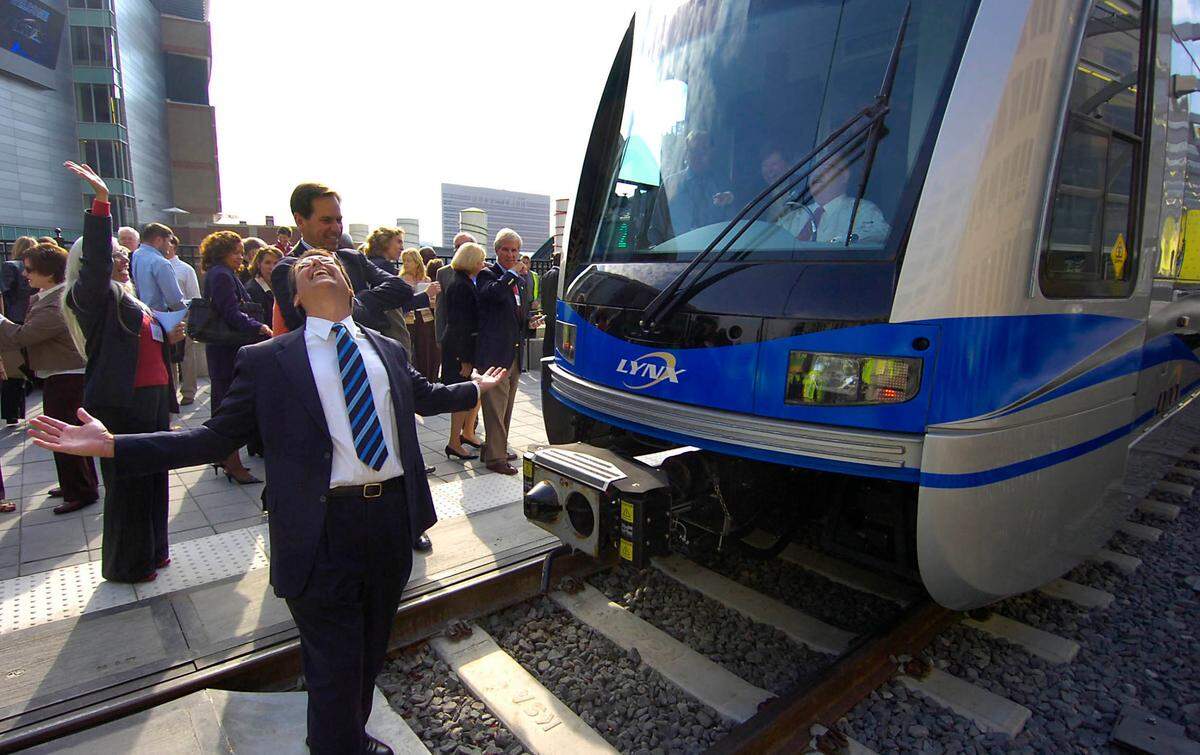
Conservatives argued it was a waste of money and wouldn’t have the economic impact McCrory and some transit advocates claimed. Democrats pushed back as well, saying the rail should have gone to the west side, where Black residents who most needed improved public transit could take full advantage of it.
In the end, the project transformed corridors of the city such as South End from industrial sites to rows of luxury apartments, bars and restaurants. It also fostered gentrification in the neighborhoods that border it, pushing up property values and making neighborhoods significantly whiter over the past decade.
Whether you think it’s good or bad, the Charlotte of today doesn’t exist without Pat McCrory, said Charles Jeter, a former Republican state representative and Huntersville Town Board member.
“He has accomplished things,” Jeter said. “Bringing in businesses, economic growth ... Pat’s got a real resume to run on.”
Jeff Tarte, a former state legislator from Mecklenburg, said McCrory was a popular mayor — seven victories at the ballot box back that up. Charlotte’s economic growth during that time — aided by McCrory’s willingness to take direction from business leaders — fostered a sense of hope among many voters, Tarte said.
His relationship with City Council members was not as agreeable at times, Wheeler said.
She said McCrory had a penchant for directing the council to follow his lead, not the other way around. Former lawmakers described a similar relationship in Raleigh — one that led to some animosity that lingers today.
Rocky relationship with Raleigh
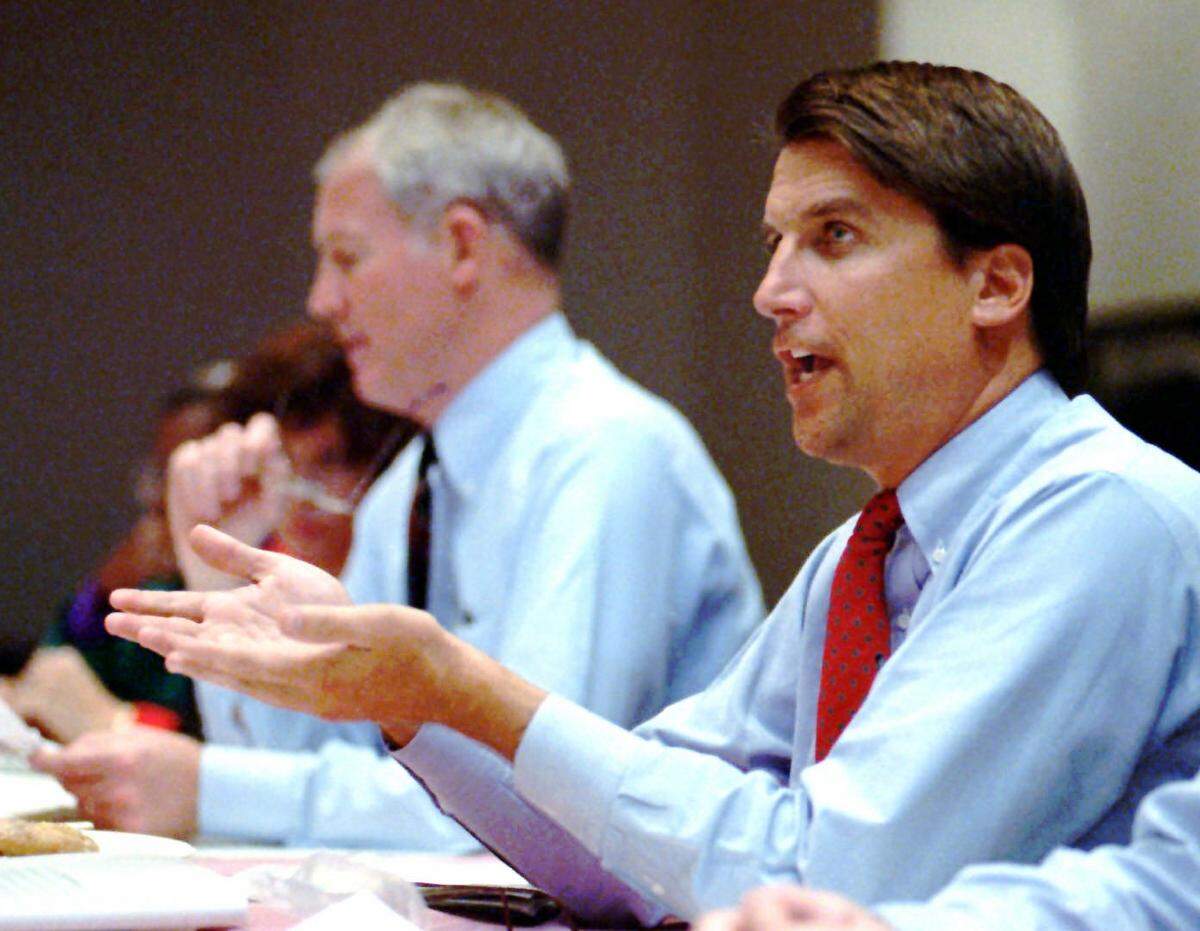
Former lawmakers such as Bob Rucho of Mecklenburg County say McCrory never quite understood his role in Raleigh. More than anything, Rucho said McCrory never acknowledged the legislature wielded the real power.
McCrory “proved to be more of a burden than an asset,” he said.
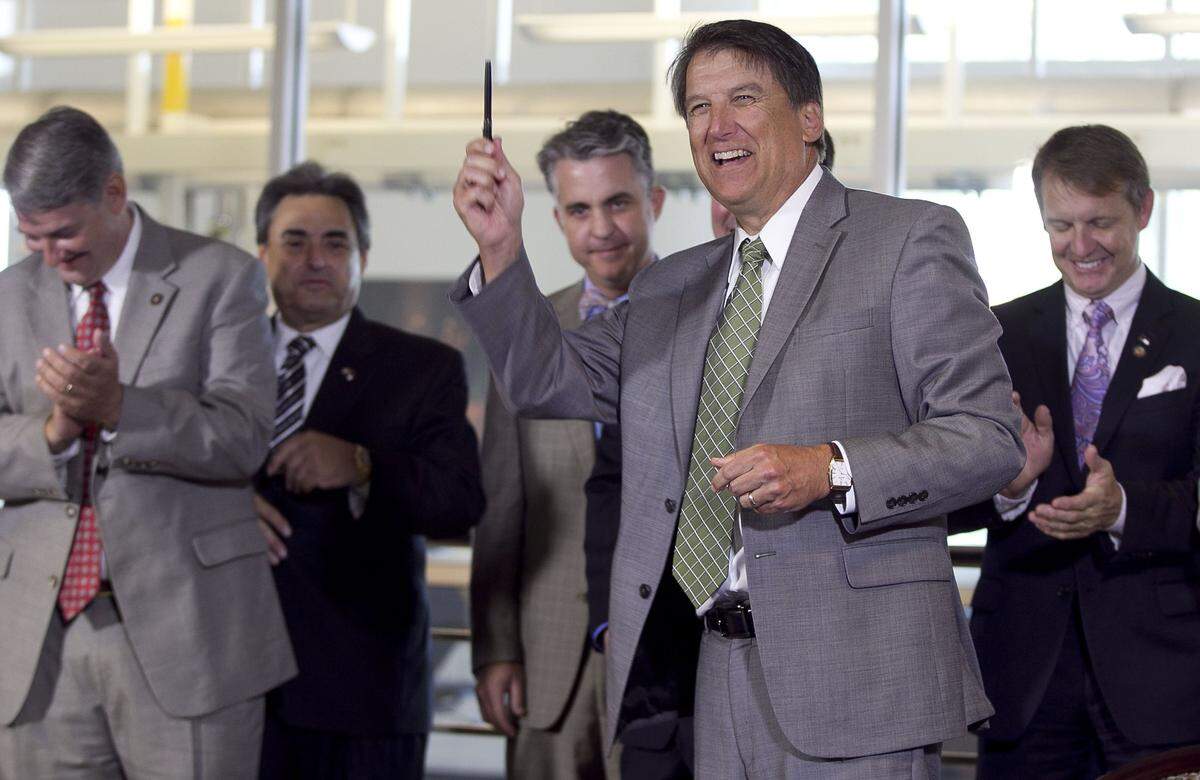
Michael Bitzer, a political science professor at Catawba College, where McCrory received his bachelor’s degree, said North Carolina has one of the weakest governor positions in the country and one of the strongest legislatures. Any governor wanting to have a big impact is bound to butt heads with the legislature at some point, he said.
Despite the lopsided power dynamic, McCrory used what he had — sometimes against his own party. He sued the legislature over its creation of commissions and vetoed six bills put forward by the General Assembly, including one for a bill that aimed to allow local officials to use a religious exemption to avoid certifying gay marriages. Four of his six vetoes were overridden.
McCrory’s rocky relationships in Raleigh still have an impact today. Budd has received at least 50 endorsements from current and former legislators, including that of N.C. Senate Pro-Tem Phil Berger. McCrory’s campaign hasn’t touted legislator endorsements, but says he’s campaigned with former and current legislators.
McCrory told the Observer he hasn’t sought any endorsements throughout the campaign.
“(McCrory) does not follow his partly blindly, maybe to his own detriment,” said Chris Cooper, a political science professor at Western Carolina University. “One wonders what would have happened if he had a better relationship with the General Assembly — if this race might look very different than it does today.”
McCrory as governor: Did he shift to the right?
After taking more moderate positions as mayor, the question of whether McCrory drifted right during his governorship often focused on social issues, most prominently with House Bill 2.
Commonly called the “Bathroom Bill,” HB2 in large part defined McCrory’s legacy as governor, Cooper said. The central question of the bill involved whether municipalities such as Charlotte could protect the rights of transgender people to decide which public bathrooms to use. HB2 aimed to prevent cities like Charlotte from doing that.
McCrory didn’t dream up the bill and didn’t draft it. But he signed it and defended it, throwing himself onto a tidal wave of controversy that alienated him from many Democrats and some moderate Republicans around Charlotte.
During it all, stories emerged in newspapers like The Charlotte Observer quoting voters and local officials who asked variations of the same question: “What happened to Mayor Pat?”
Nothing happened, said John Lassiter, a friend of McCrory and longtime City Council member.
Lassiter said he believes McCrory in 2005 would have signed HB2. Maybe more importantly, Lassiter said, many Charlotte voters would have been glad he did.
Charlotte in 1989 wasn’t what it is today, he said. Neither was Charlotte in 2009, when McCrory was elected governor.
People like Lassiter argue that McCrory never changed; Charlotte did.
Where does McCrory fall politically?
If you ask people who have followed McCrory’s career for years, there’s disagreement on his political leanings.
Some, including Wheeler, say he’s always been a moderate. Carter Wrenn, a longtime Republican operative, said the former governor has always been conservative. Bitzer also said he’s conservative.
McCrory, for the record, said in an interview with the Observer he’s been conservative from the very beginning.
His campaign website says the same. It carries hallmarks of many Republican candidates running in 2022: support for Trump’s border wall, support for voter ID laws and promoting the “sanctity of life.”
But he’s never been on the right wing of his party. As mayor, he bucked conservative voices pushing against the light rail. As governor, he vetoed six bills from his own party. As a candidate for Senate, he’s repeatedly assured voters that he would not have voted to overturn the 2020 election.
“He’s a very solutions-based leader,” said Tony Tata, McCrory’s former transportation secretary. “Not one for hyperbole or the partisan divide that we’ve got today.”
Hurdles to victory
Polling in April has put Budd in the lead over McCrory. Part of Budd’s success comes down to arguably the biggest factor in American politics: money.
Budd’s longstanding relationship with the Washington-based political action committee Club For Growth has given him a financial edge. The group has already spent more than $8 million in the race and plans to spend $14 million by election day. The group also supported his first bid for Congress in 2016.
McCrory said combating their advertisements, which he called deceitful attempts to misrepresent his political legacy, will be the biggest challenge of his campaign.
“I can’t compete against those dollars,” he said.
McCrory said he can compete on his record as governor and mayor, his longstanding relationship with voters and his willingness to debate.
At a GOP women’s luncheon in Charlotte this month, he criticized Budd for not participating in enough debates between Republican candidates. Voters take notice of that, McCrory said.
McCrory has raised $4.14 million overall and has $2.24 million in cash on hand as of March 31. Budd has raised $3.81 million and has $1.94 million cash on hand. (Budd’s fundraising dollars do not reflect Club For Growth’s support.)
In a television ad released this month, McCrory points to his record. He tells the audience about the time he signed a bill outlawing so-called “sanctuary cities,” a pledge by municipalities to not help federal law enforcement agents arrest and deport undocumented immigrants.
“You remember,” he says to the camera.
Whether they remember is one thing. Whether that’s enough may be something else altogether.
Cooper said part of McCrory’s success will depend on whether he can get every anti-Trump Republican and many unaffiliated voters behind him.
But in a primary election where voters lean to the ideological edges of their parties, Trump’s endorsement of Budd and Club For Growth’s dollars put McCrory in a tough spot, said Wrenn, the Republican operative.
“Pat’s biggest challenge is can he raise enough money ... to lift himself up as they try and pound him down,” Wrenn said. “It’d be a completely different race if it was just he and Budd and they each had three or four million dollars.”
But they don’t, and how McCrory handles that could make all the difference.
BEHIND THE STORY
MOREWho is running for US Senate in 2022?
U.S. Sen. Richard Burr, a Republican, is not running for a fourth term in 2022. North Carolina’s primary is May 17, 2022.
Who’s in?
Republicans (in order they will appear on the primary ballot): Marjorie K. Eastman, David Flaherty, Benjamin E. Griffiths, Kenneth Harper, Jr., Pat McCrory, Charles Kenneth Moss, Lichia Sibhatu, Debora Tshiovo, Mark Walker, Jen Banwart, Ms. Lee A. Brian, Leonard L. Bryant, Ted Budd, Drew Bulecza
Democrats (in order they will appear on the primary ballot): James L. Carr, Jr., Robert Colon, Alyssia Rose-Katherine Hammond, Constance (Lov) Johnson, Tobias LaGrone, B. K. Maginnis, Rett Newton, Marcus W. Williams, Greg Antoine, Cheri Beasley, Chrelle Booker
Libertarian: Shannon Bray
Independents (must gather signatures to qualify for November ballot): Kimrey Rhinehardt, Adrien Meadows
This story was originally published April 24, 2022 at 6:00 AM with the headline "In bellwether GOP Senate race, McCrory faces new challenges: Trump and money."
.jpg)
.JPG)