For healthcare workers on the front lines, coronavirus brings new emotional toll
READ MORE
Healthcare Heroes
The News & Observer is telling the stories of “Healthcare Heroes,” those on the frontlines of treating coronavirus patients. Others are managing the equipment that allows those patients to be treated safely. These workers are putting their own health and the health of their families at risk every day so they can help others. Here are their stories.
Expand All
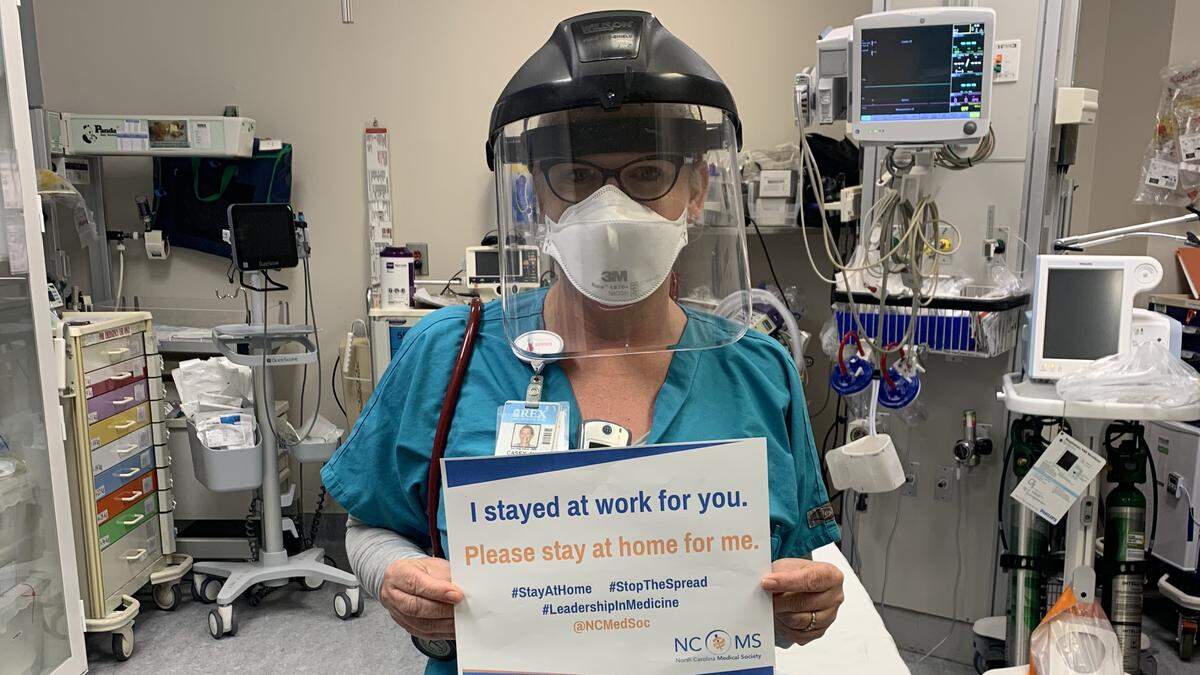
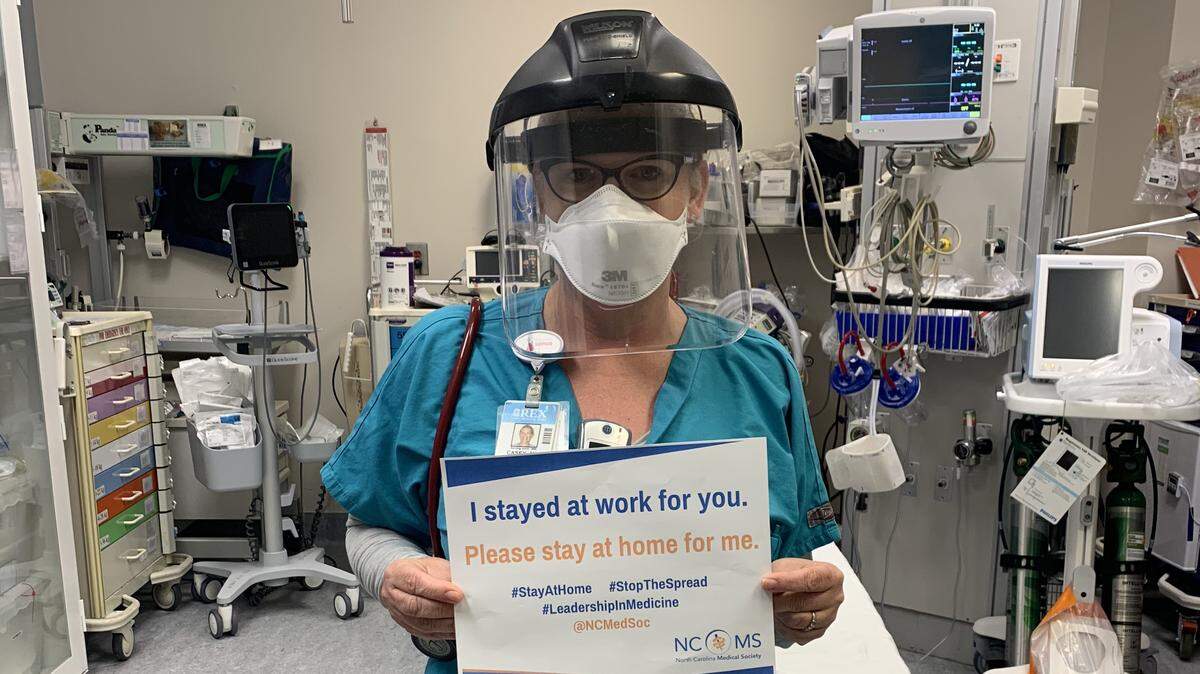
There was a time when Dr. Colleen Casey would simply arrive to work at UNC Rex Hospital’s emergency department, check the patient list on her computer and jump into the day’s work.
Now her routine includes putting on a mask before she even walks in the door, which is then swapped for a hospital-issue mask upon entering a special entrance only for staff. There, she changes into sanitized surgical scrubs and goes through the process of cleaning and wiping down her computer, phone and any other equipment she might use while seeing patients.
This is the new reality of hospitals in the time of COVID-19.
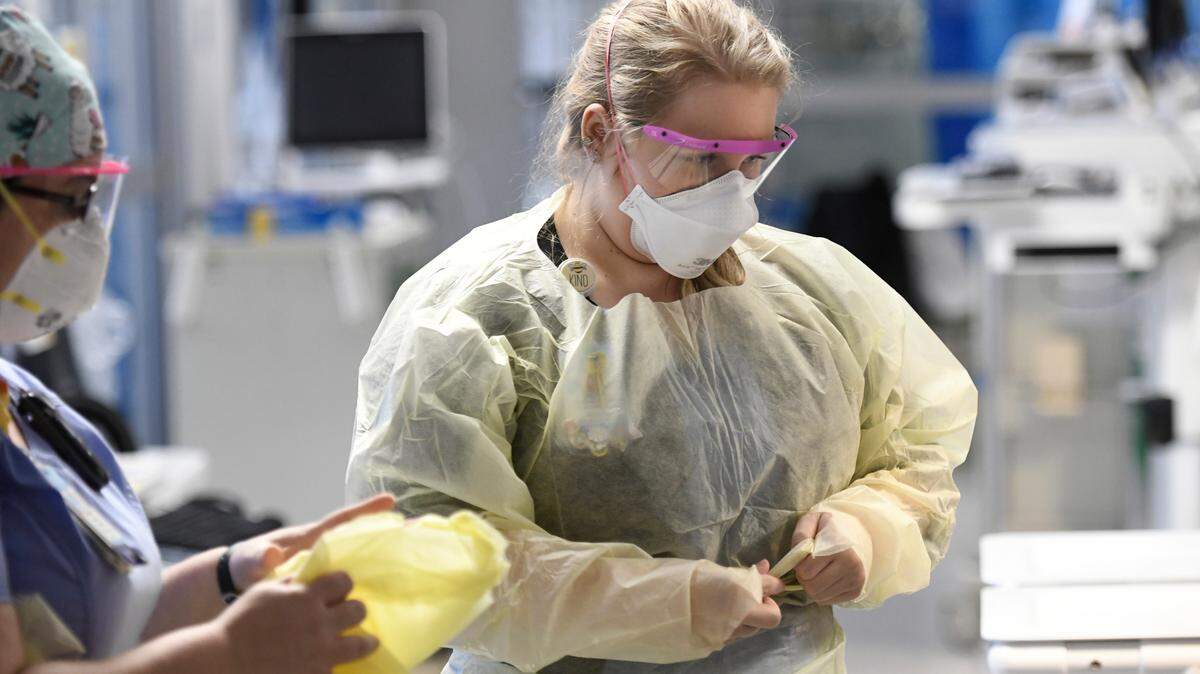
The highly contagious coronavirus is changing the way hospitals around the world operate, and it’s pushing health care professionals of all stripes to near breaking points, compounding their anxiety about saving patients with their fear of contracting the disease themselves and possibly spreading it to their loved ones.
For most in the field, they’re dealing with this emotional weight while navigating uncharted territory.
“There’s anxiety because COVID is such a new thing, and we’re still learning about it,” says Casey. She has been documenting her experiences for The News & Observer’s coronavirus diaries since March.
“I know well how to take care of strokes and heart attacks,” Casey said. “Now I spend so much time reading about COVID and how to take care of COVID patients.”
Re-thinking routines
Hospitals always have been cleaner than most places by design, and staff certainly have had the hand-washing and sanitizing thing down for quite some time. But with a highly contagious virus circulating, protocols are changing, sometimes daily.
“We’re on version 13 of how we care for an adult patient in the emergency department and version nine of our children’s workflow,” says Brittany Komansky, director of emergency services, adult and children’s emergency departments, at WakeMed Raleigh campus.
“I’m the gatekeeper for the algorithms and flows of how patients enter triage and how they’re treated,” Komansky says. “It was changing a couple of times a week, sometimes three times a week. But now we’ve got our groove, making little tweaks because we’re getting more PPE (personal protection equipment).”
But no hospital is an island, and each facility must ensure their procedures sync with providers such as EMS and other area hospitals. Komansky participates in an ongoing group chat with her counterparts in the UNC and Duke hospital systems to share information and best practices, and she stays in contact with other agencies, as well.
Each agency has their own process of doing things, Komansky said.
“So we quickly put nurses at our base,” Komansky said. “So as soon as patients got to our door, they were checked before entering.”
Orlando Reyes, director of environmental services at UNC Rex Hospital, and his staff ensure that once those patients enter the door, the environment is sanitized and safe. Reyes says his team has adopted new procedures, such as cleaning common areas multiple times each day. They’re constantly readjusting based on guidelines for preventing the spread of COVID-19.
“There has been a lot of education provided to our staff,” he says. “At the beginning, it was changing every day, looking at the CDC guidelines. We’ve been meeting on a daily basis providing updates. And we split the groups to keep social distance, so we have multiple meetings with staff to provide training.”
And for those who come in direct contact with patients, the importance of altering routines has become a matter of life and death.
“We’re still doing the same patient care, now it’s just a different thought process,” says Marc Chadwick, a nurse at WakeMed. “I come in an hour early, and we go around to see who’s positive for COVID, who’s been tested, we go thought our PPE, our masks, our gowns. It has gone from the back of our mind to the first thing we do.”
Emotional toll
Rev. Gyasi Patterson sees firsthand the effect this disease has had emotionally on hospital workers. As the director of pastoral services at UNC Rex, he and his staff have seen an uptick in people needing their guidance, not just from patients and families, but from hospital staffers, as well.
“We have had to shift and reallocate some of our pastoral resources to take care of the staff,” he says. “We have some system anxiety right now trying to maintain that level of quality of care for our patients while we take care of our frontline workers, too.”
For many hospital workers, particularly those directly caring for COVID-19 patients, there’s the ever-present fear that they might contract the disease themselves or inadvertently take it home with them.
“Are you going to move out of your house or not be with with your family or prepare meals outside of your kitchen?” says Casey. “These are conversations I never thought I’d have.”
And with the restrictions on visitors to COVID patients, some hospital workers find themselves serving as stand-in family for those in their care. It’s a role that can be simultaneously fulfilling and heartbreaking.
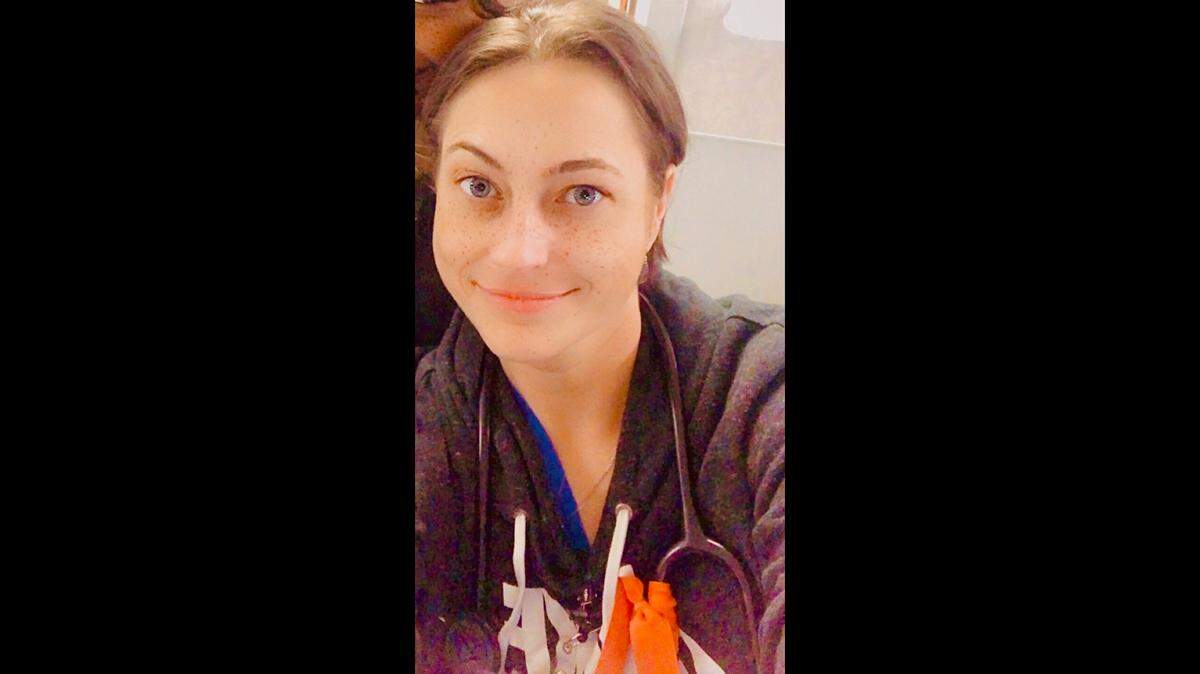
“You are realizing that you’re these people’s ‘stranger family,’ is a way to put it,” says Amanda Gress, a nurse in the intensive care unit at Duke Regional Hospital. “And when they’re unfortunately losing their lives, you’re all they have, and that takes an immense toll on your conscience and your psyche.
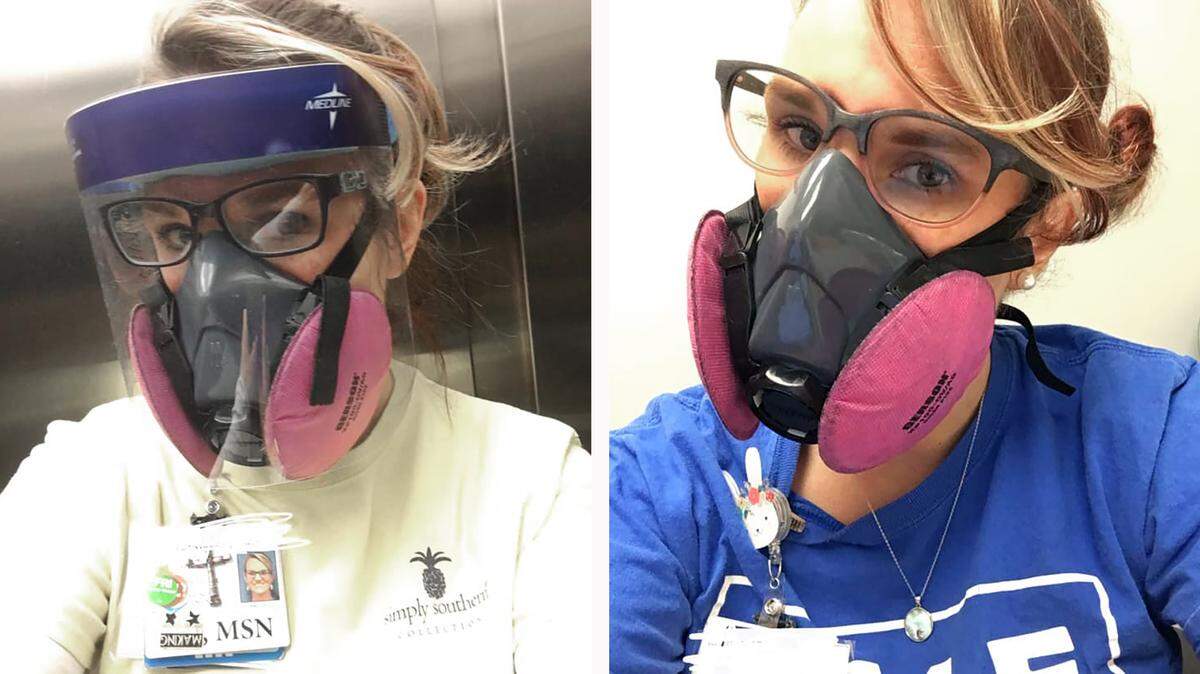
“You have to hold somebody’s hand and provide them as much comfort as you can, and they’re there by themselves, and they don’t have their families,” Gress said. “And we look like aliens with all the stuff we have to wear on, and you leave a room wondering, ‘Did they even know I was there and that I cared?’”
For those caring for patients with COVID-19, this is one of the most difficult parts of their jobs. It’s never easy to lose a patient, but to lose one under these circumstances is particularly painful.
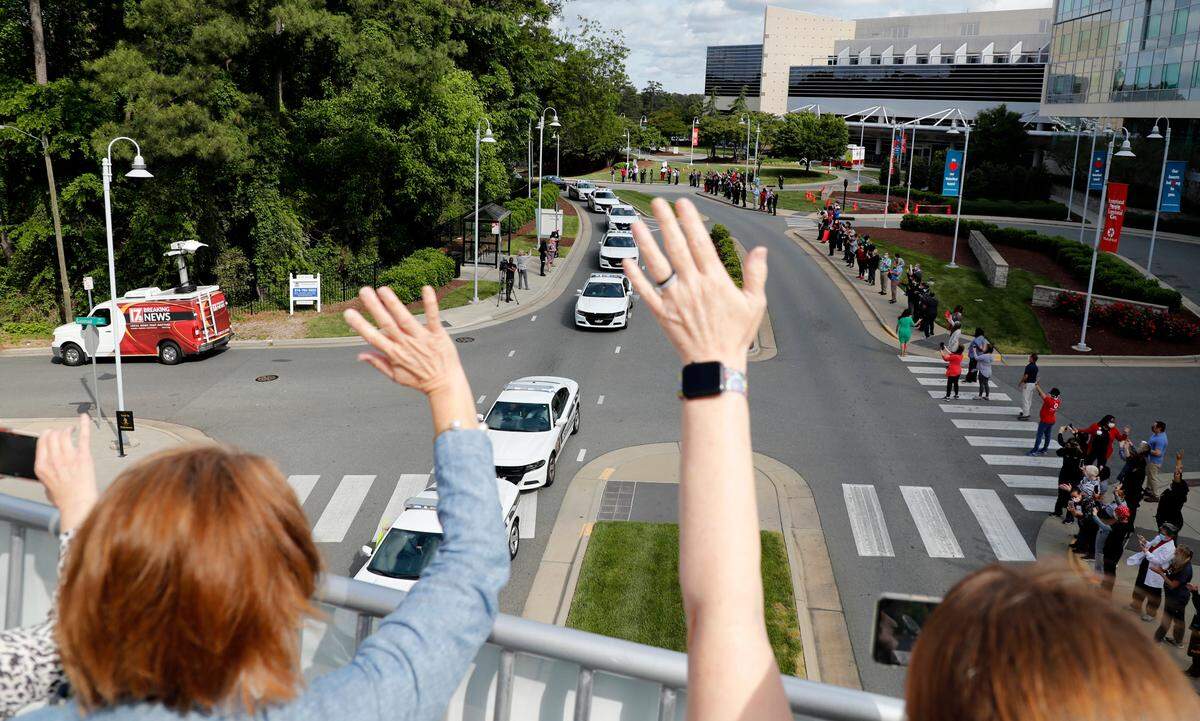
And while these frontline workers are so grateful for the public support they’ve received, those accolades can sometimes be a double-edged sword on the hard days when the moniker of “hero” feels a little too lofty to bear.
“I hear and appreciate all of the things that people are doing to support these frontline workers, but I’d like to highlight that a lot of our frontline workers did not ask to be heroes,” says Patterson.
“They were doing their jobs, and they were thrust into this position,” Patterson said. “They didn’t ask to be a hero, and that’s a burden to bear, because heroes have a persona of being a fixer, and when you can’t fix it and you watch someone die and not be with their loved ones, that’s difficult.”
This story was originally published May 6, 2020 at 6:20 AM with the headline "For healthcare workers on the front lines, coronavirus brings new emotional toll."


.jpeg)