Medication abortions have grown more common in North Carolina, new data reveals
READ MORE
Abortion in North Carolina
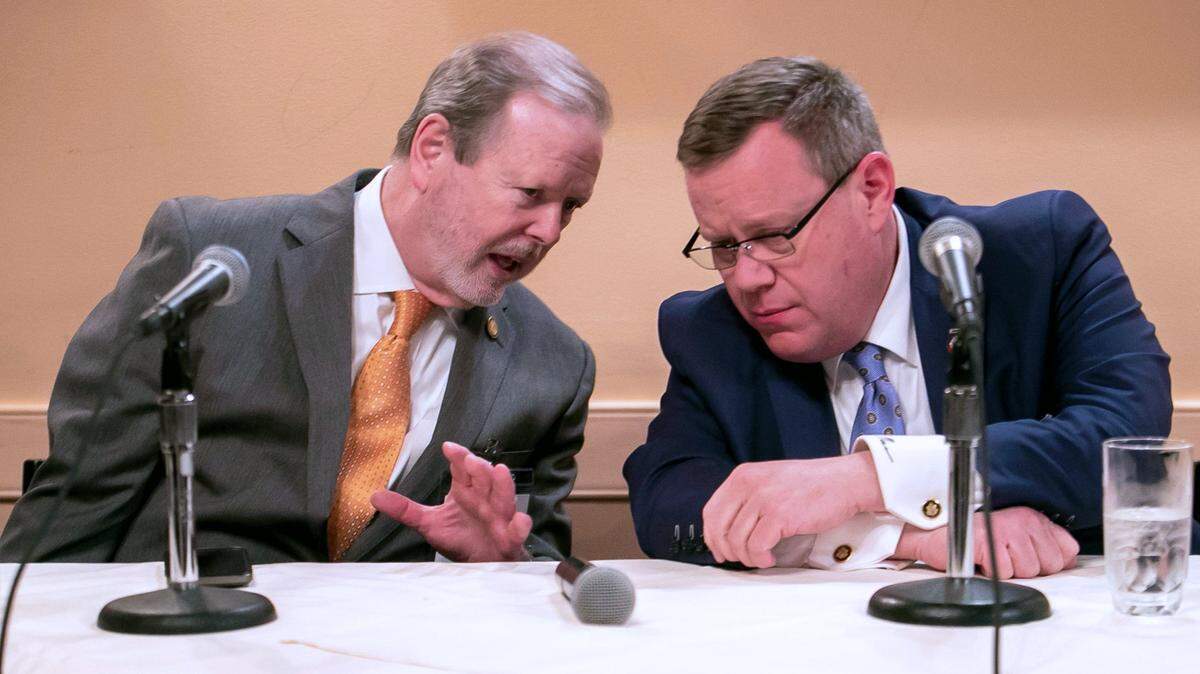
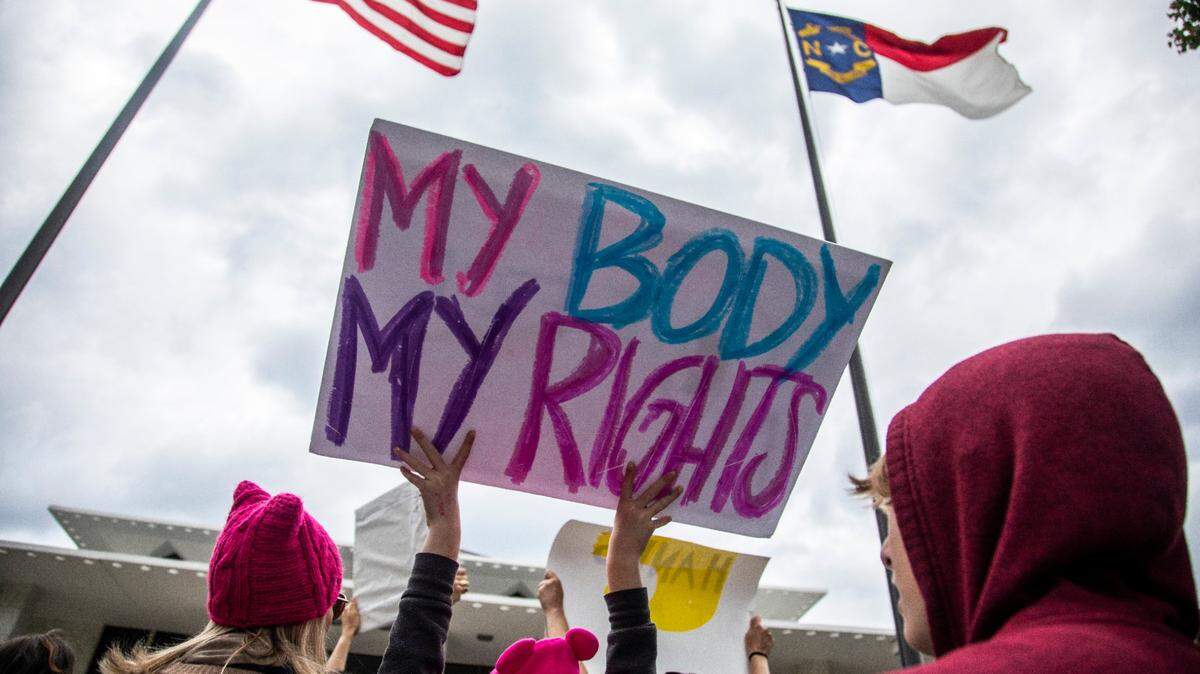
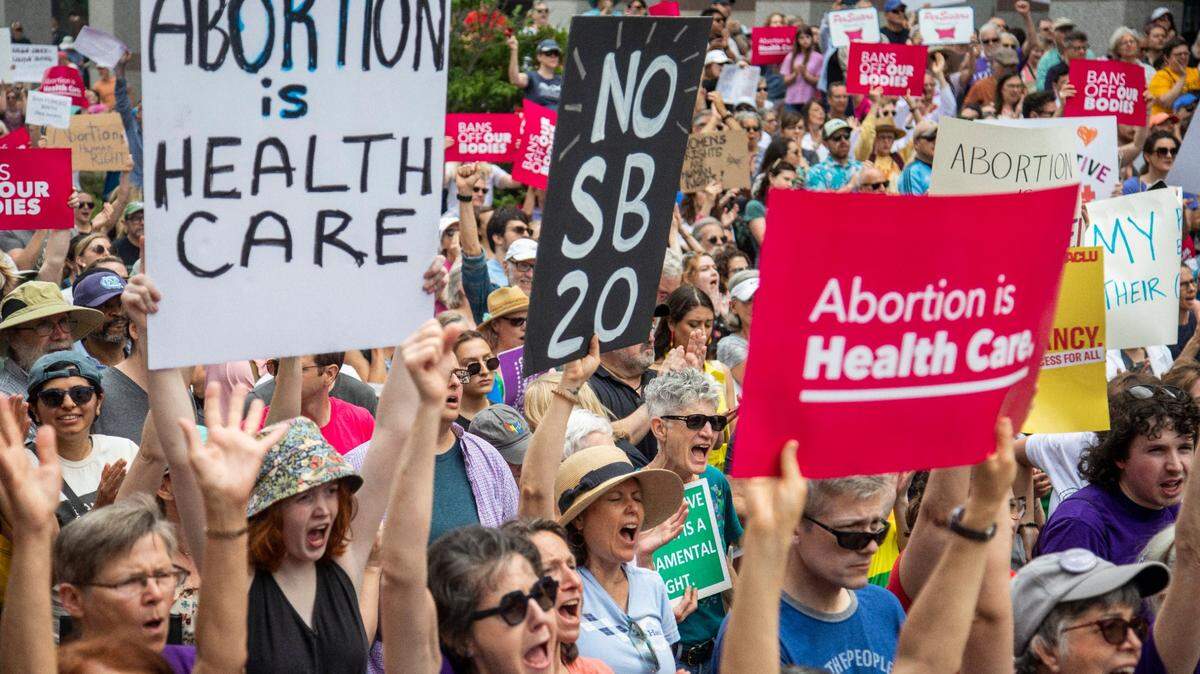
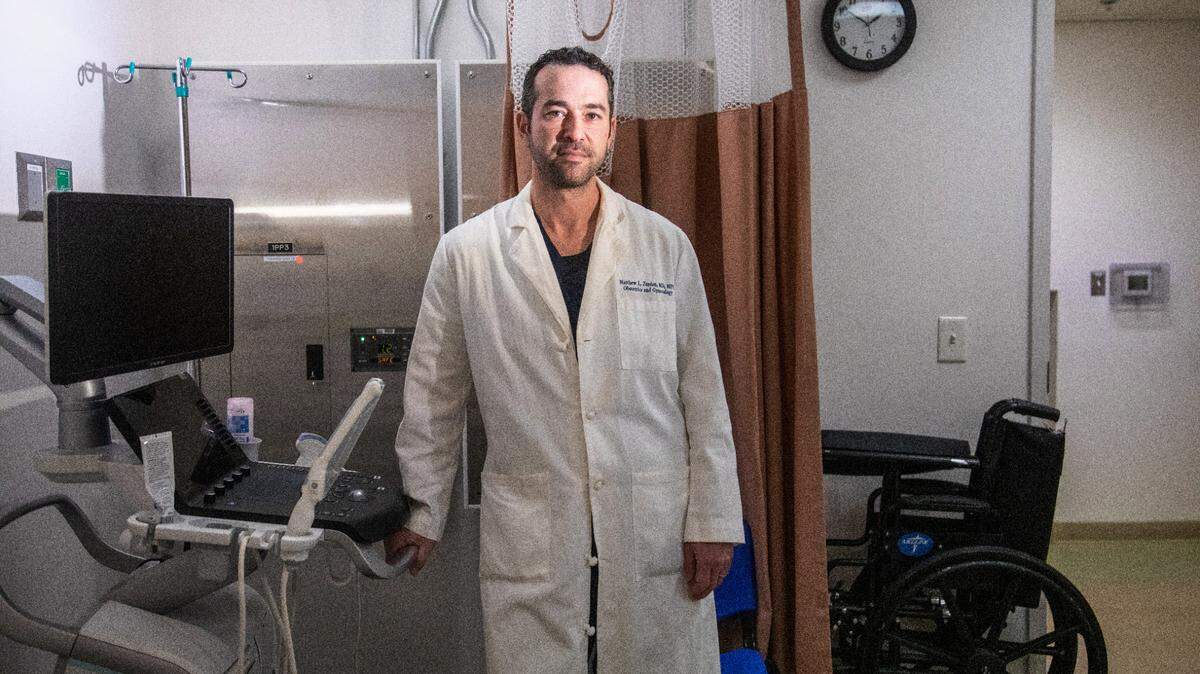
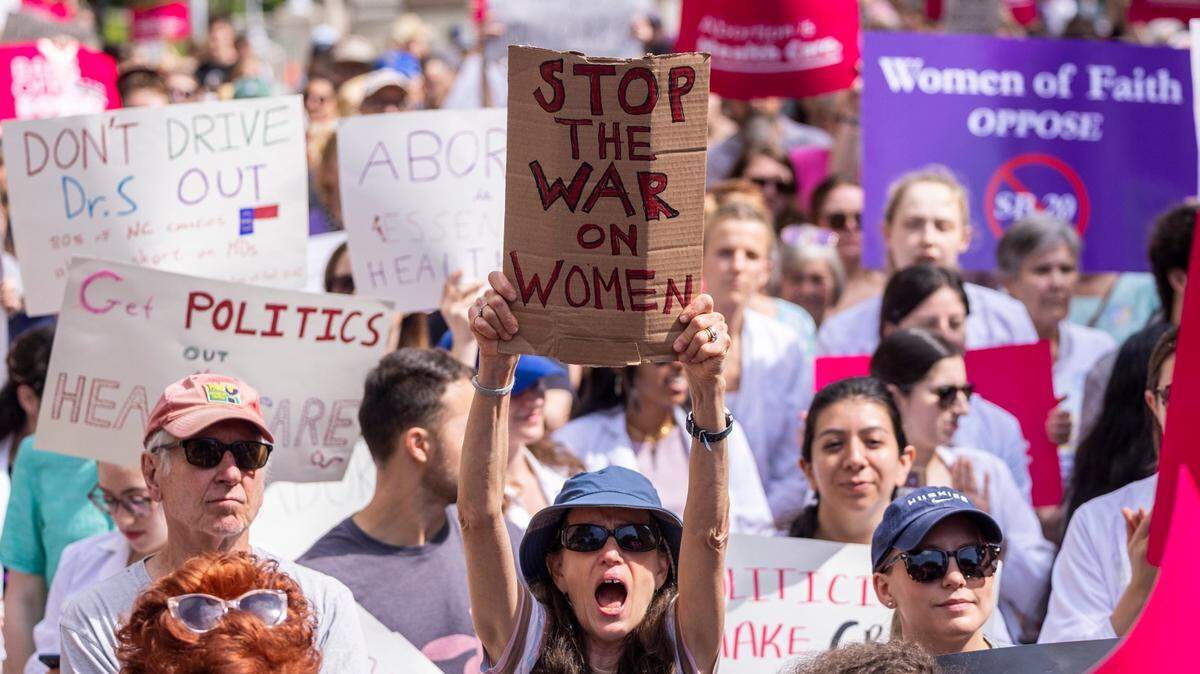
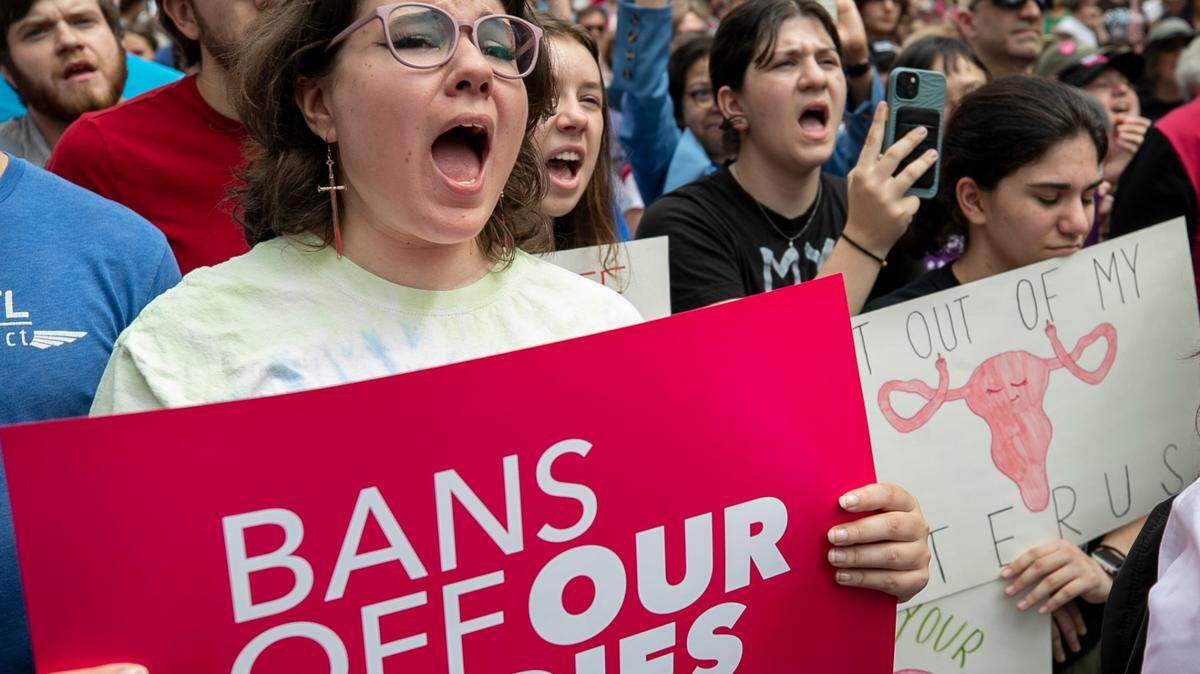
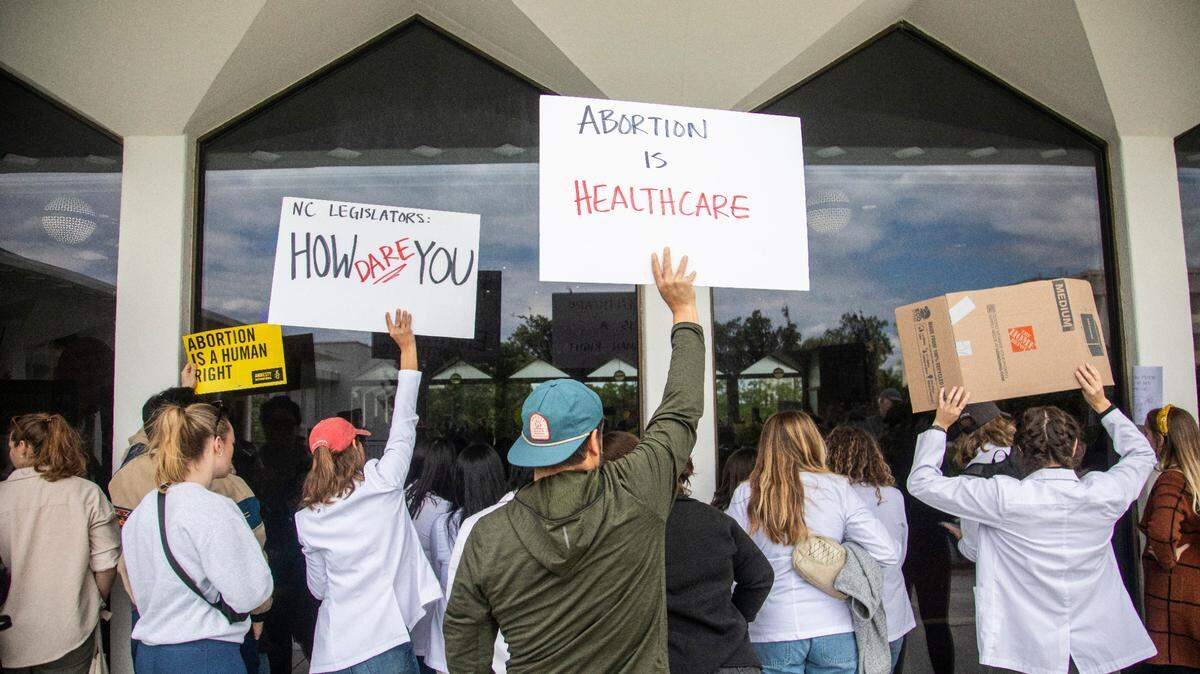
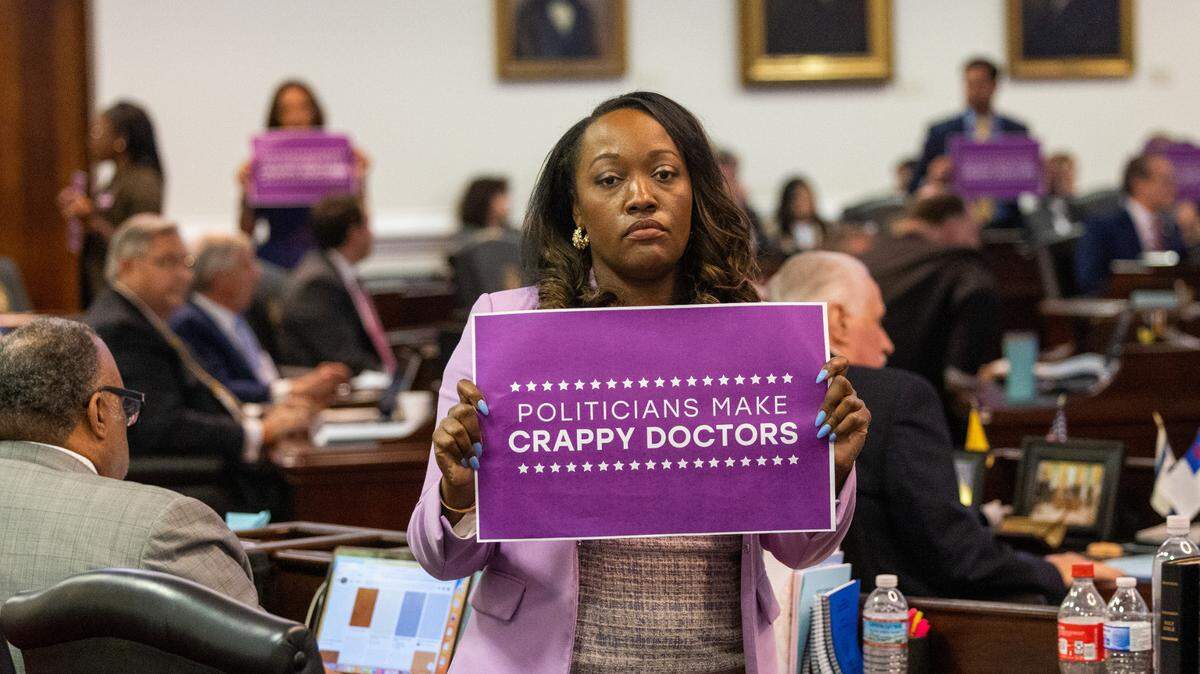
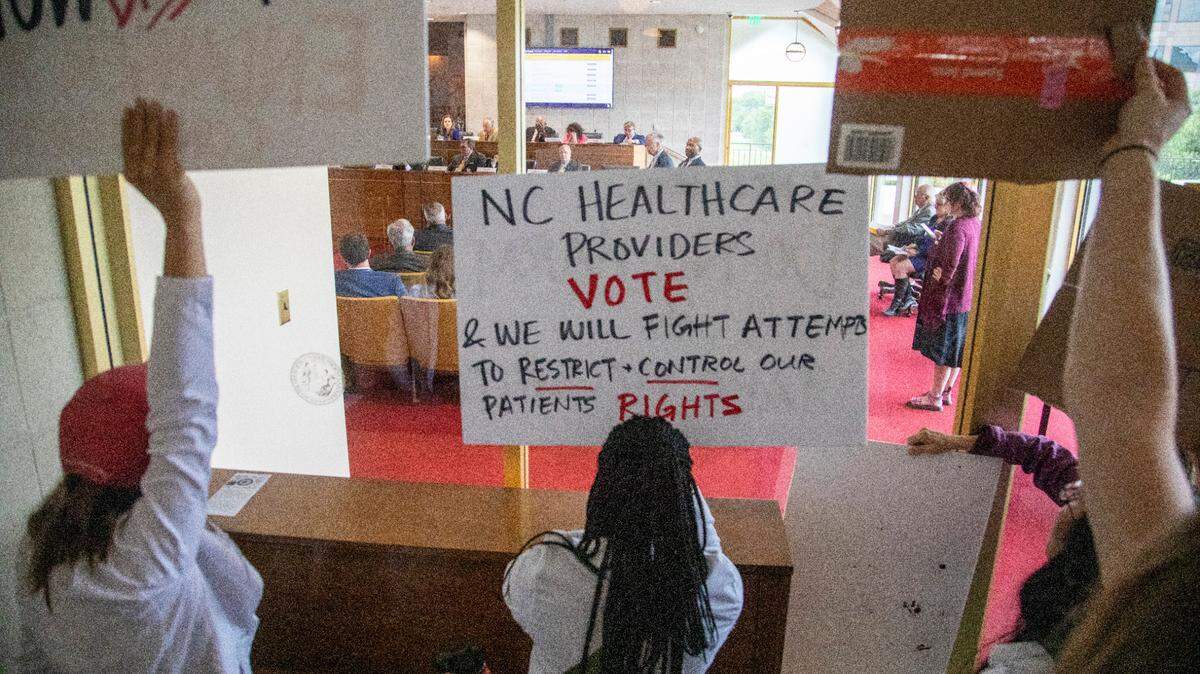
State lawmakers voted to override Democratic Gov. Roy Cooper’s veto of the 12-week abortion bill. It now takes effect July 1. Meanwhile, clinics, anti-abortion groups, and future doctors are trying to prepare for the future of abortion despite their unanswered questions about the new law.
Expand All
Taking abortion pills has become an increasingly common method of ending pregnancies in North Carolina, according to new 2021 data released by the NC Department of Health and Human Services.
The share of abortions performed using prescribed drugs, versus surgical procedures or other methods, grew from 59% to about 65% between 2020 and 2021. This is in line with data that shows medication abortions have increased nationally.
There are many reasons why someone might prefer a medication abortion. Swallowing pills may feel less invasive than a surgical procedure, for example.
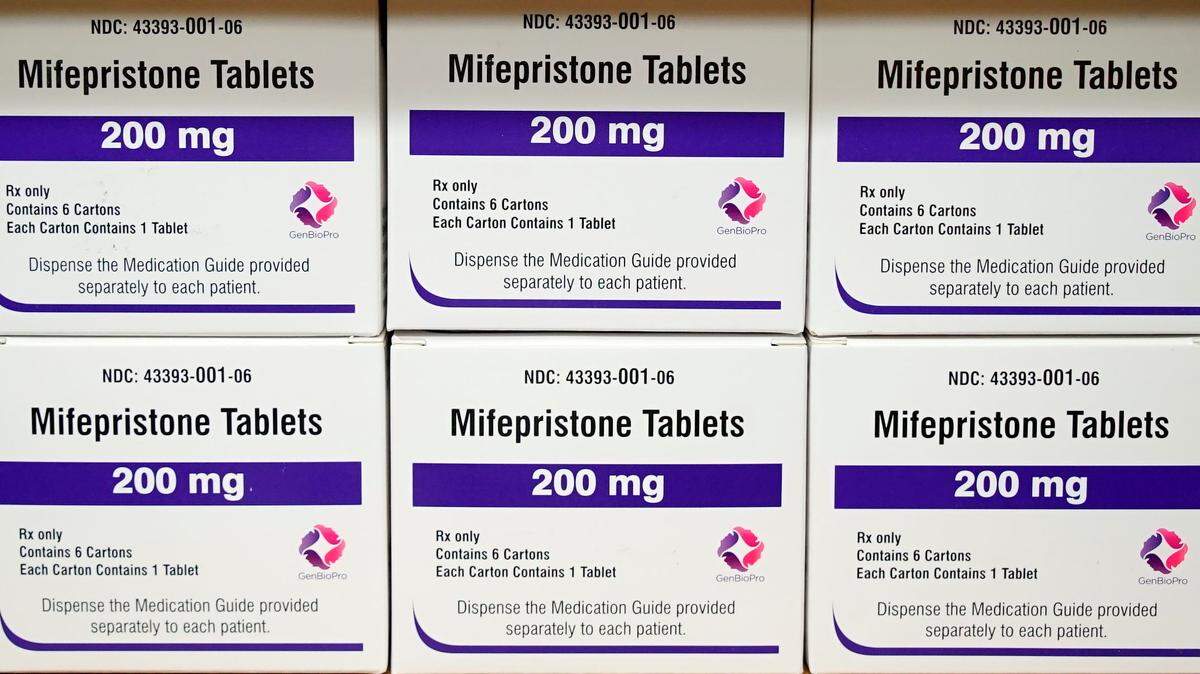
At the same time they are being used more in North Carolina and nationally, these medications have become the center of many legal and political abortion debates.
In January 2023, a local OB-GYN sued this state over laws surrounding medication abortion that, she argued, conflict with federal regulations. State laws restrict access to the medication beyond what the Food and Drug administration requires, allowing doctors to provide the pill only in-person at certified facilities, and after a 72-hour waiting period.
In April, a federal judge overturned the federal approval of a common abortion pill, mifepristone. The medication is still legal while appeal courts consider the case.
And just last month, NC Republican lawmakers passed legislation that limits access to abortions in this state. Among other things, it added new provisions about how late into a pregnancy abortion medications can be prescribed.
Many abortion providers interpret those provisions to mean that medication abortion access is cut off at ten weeks— about seven days earlier than they were previously prescribing the pills.
Republican lawmakers have pushed back against that interpretation, arguing that doctors would not face repercussions as long as the medications weren’t given after 12 weeks.
A lawsuit filed this week by a Triangle abortion provider, the ACLU of NC and Planned Parenthood South Atlantic will ask a judge to clarify the law.
More insights from latest NC abortion data:
The new data is a look at the recent past: 2020 to 2021. It does not capture changes related to the Supreme Court’s decision to overturn Roe v. Wade in June 2022.
But it does offer insight into when abortion has been used to terminate pregnancies and how often in this state. Specifically:
- The vast majority — nearly 90% — of abortions obtained here in 2021 were performed before 12 weeks of gestation. About 71% occurred before 8 weeks and about 19% occurred between 9 and 12 weeks.
- Between 2020 and 2021, the number of abortions performed in North Carolina grew from about 25,000 to more than 27,000.
Teddy Rosenbluth covers science and health care for The News & Observer in a position funded by Duke Health and the Burroughs Wellcome Fund. The N&O maintains full editorial control of the work.
This story was originally published June 20, 2023 at 2:49 PM with the headline "Medication abortions have grown more common in North Carolina, new data reveals."