‘Charlotte icon and legend’ broke barriers in NC and nation as city’s first Black nurse
EDITOR’S NOTE: In honor of Black History Month, The Charlotte Observer is highlighting the lives and accomplishments of nine people whose contributions might not be as well known as others, local “hidden figures” as it were.
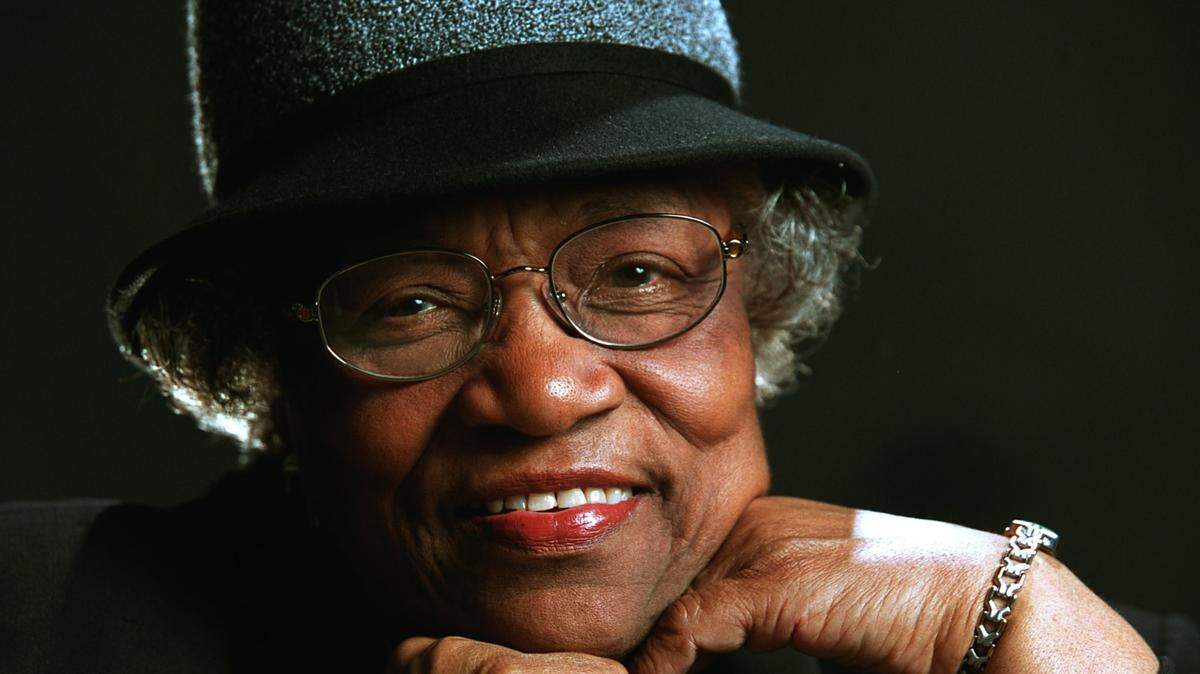
Thereasea Clark Elder broke barriers for Black public health nurses in Charlotte as the city’s first for the life-saving profession.
Born in 1927, the Charlotte native grew up in the Greenville neighborhood with five siblings and graduated from West Charlotte High.
Elder continued her education at Johnson C. Smith University, the U.S. Cadet Nursing Program and Lincoln Hospital School of Nursing in Durham. She also studied pediatrics at Howard University’s Freeman Hospital in Washington, D.C. During World War II, Elder worked as a nurse cadet.
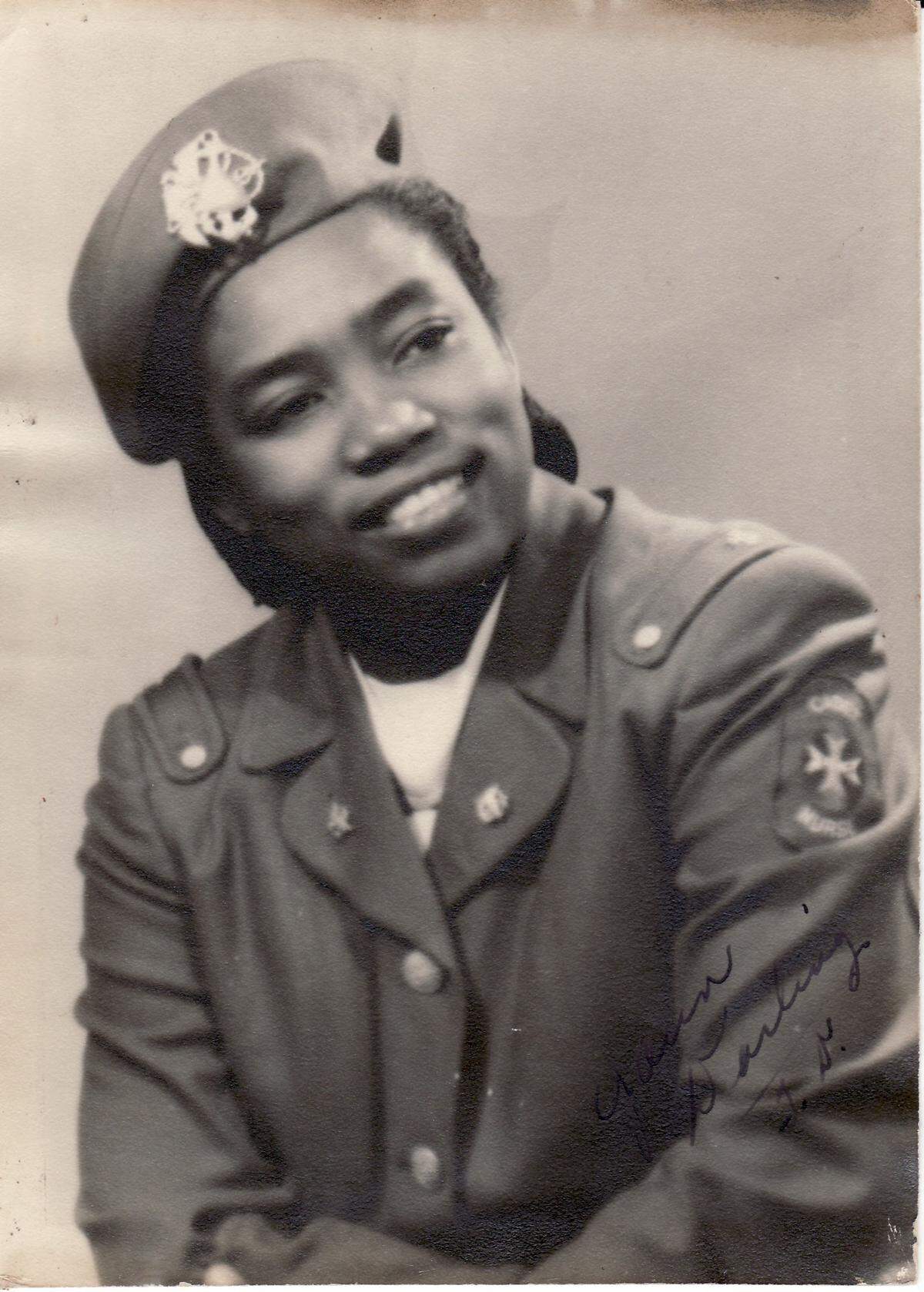
Her local journey in nursing began at the segregated Good Samaritan Hospital, which only served Black patients. In the 1960s, Elder joined the Mecklenburg County Health Department where she was the first and only Black nurse.
She continually pushed for changes to improve the lives of Black residents.
That included voter registration drives, helping preserve the city’s Black history and volunteering with organizations such as Greenville Historical Association and the American Red Cross. A community park on Rockwell Church Road is named in her honor.
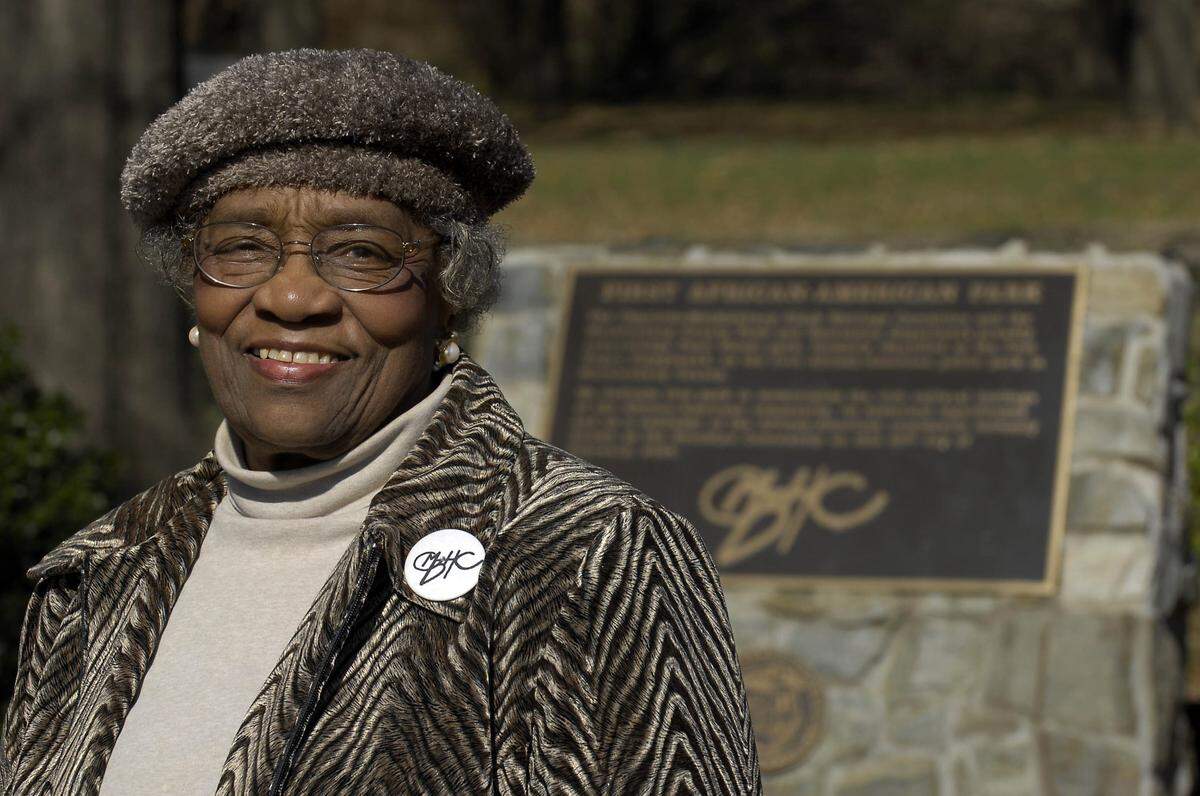
Elder retired in 1989. Before her death in 2021 at the age of 93, Elder talked about the racism and harassment she faced as a Black nurse in Charlotte, where she was hired to serve only Black people until racist policies finally disappeared.
Charlotte Mayor Vi Lyles considered Elder her mentor. When Elder died, the mayor called Elder “a Charlotte icon and legend.”