Disease-carrying ‘kissing bugs’ are in NC. Info about the dangerous insects
AI-generated summary reviewed by our newsroom.
- Triatomine kissing bugs are present in North Carolina but rarely transmit Chagas.
- An expert says they doubt any locally acquired Chagas cases have been documented.
- Climate warming and milder winters could increase kissing bug presence in the state.
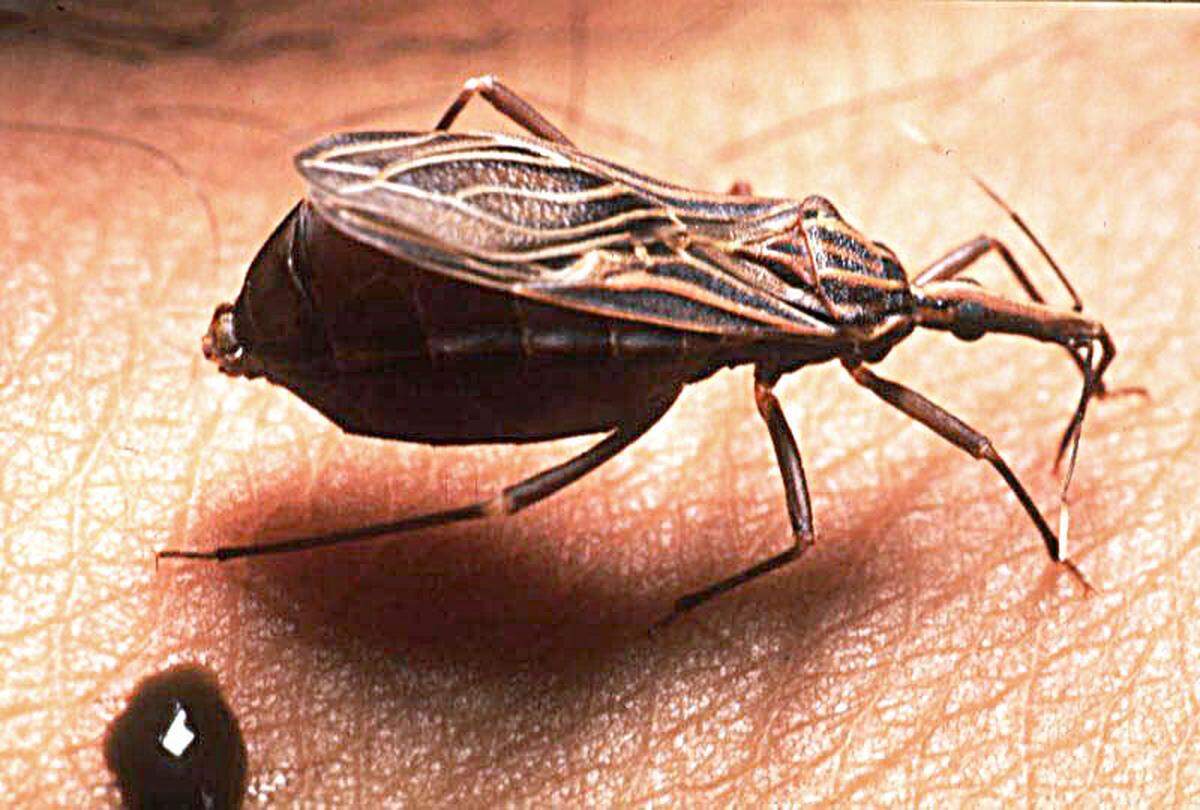
Kissing bug sounds like it might be a cute nickname. But the insects are parasitic, with a preference for drinking blood from the face — especially the lips and eyes.
The triatomine bug, often called the kissing bug, carries a parasite that causes Chagas disease, which can cause severe heart and digestive problems. Triatomine bugs are found in North Carolina, but don’t panic. Experts say the odds of contracting Chagas from a kissing bug in North Carolina are slim, and that residents don’t need to worry.
About 8 million people, including an estimated 280,000 in the United States, have Chagas disease, according to the CDC. Many are unaware they have it. Chagas cases are usually found in Central and South America, and along the United States border.
North Carolina risk
Christopher Hayes, an assistant professor and extension specialist at NC State, said North Carolinians don’t need to worry, though they may occasionally see kissing bugs.
“I don’t know the last time, or if we have ever had a positive case of Chagas in North Carolina from someone that hasn’t traveled. I’m sure there’s been some positive travel-associated cases, but people who live in Texas, for example, are at much higher risk of contracting Chagas from kissing bugs,” Hayes said.
North Carolinians may begin to see more kissing bugs eventually. Milder winters and higher heat are great for many pests endemic to locations further South, he said, as they kill off fewer pests, including kissing bugs and ticks.
“As temperatures continue to increase, winters become more and more mild in North Carolina, we’re going to see potential pests from these more warm areas like Florida and Texas and Louisiana,” Hayes said. “They’re going to do well here in North Carolina because of the heat, but also because we have really high humidity here, and insects typically thrive in high heat, high humid environments.”
Chagas disease
Early Chagas symptoms may be mild or not show up at all, which can make it hard to diagnose.
According to the CDC:
- Fever
- Feeling tired
- Body aches
- Headache
- Rash
- Loss of appetite
- Diarrhea
- Vomiting
- Eyelid swelling
After initial symptoms subside, Chagas disease can cause chronic health problems, sometimes spanning the duration of a patient’s life.
According to the CDC, 20-30% of patients develop:
- Heart issues, such as an enlarged heart, heart failure, altered heart rate or rhythm, or sudden death.
- Digestive problems, such as an enlarged esophagus or colon. This causes trouble eating or going to the bathroom.
“People make the mistake of believing when the swelling goes away that they’re better or that it’s gone, and that’s not the case,” Hayes said. “That means it has gone into a more chronic phase where it can have long-term impacts on the heart and other things like that, so you just always want to seek medical attention if you think you’ve been exposed.”
Prevention
Given the bug’s propensity for drinking from people’s faces, many bites occur while people are asleep. Hayes said this is one reason North Carolina’s Chagas disease risk is low; North Carolinians generally have window screens to keep out other critters anyway. You’re more likely to encounter them camping, spending the night outdoors in an unprotected environment.
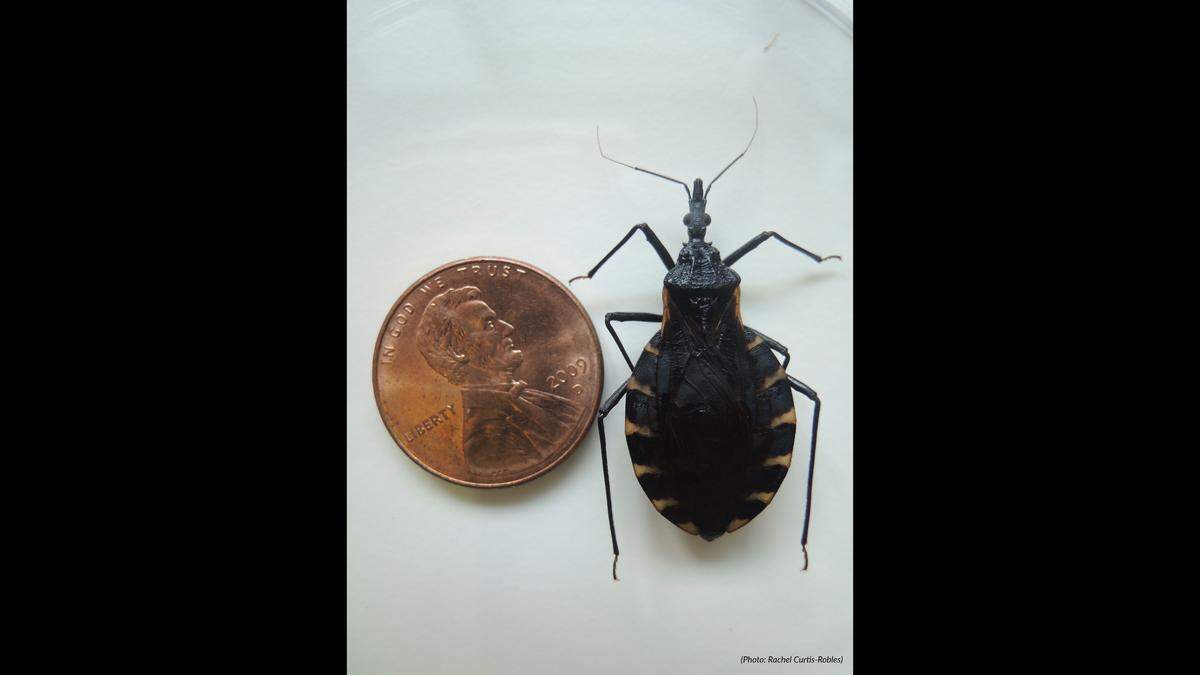
If you are worried about the kissing bugs, The Charlotte Observer has previously reported on a few preventative measures you may take.
- Clearing debris and vegetation near your home; stacked rocks or wood and leaf piles can attract rodents and bugs
- Sealing cracks and gaps and add weather stripping around doors and windows
- Repair or replace any ineffective window screens
- Checking tight spaces and hidden areas, especially in bedrooms, if you think kissing bugs have made their way indoors
- Limiting outdoor lighting at night, since lights can draw insects