Roads could be slick after Wednesday’s snow. If you must drive, do these things to stay safe
READ MORE
What to know about cold weather & winter storms
Here’s everything to know about super cold weather and winter storms headed our way: forecasts, power outages, closings, snow cameras, winter prep, safety and more.
Expand All
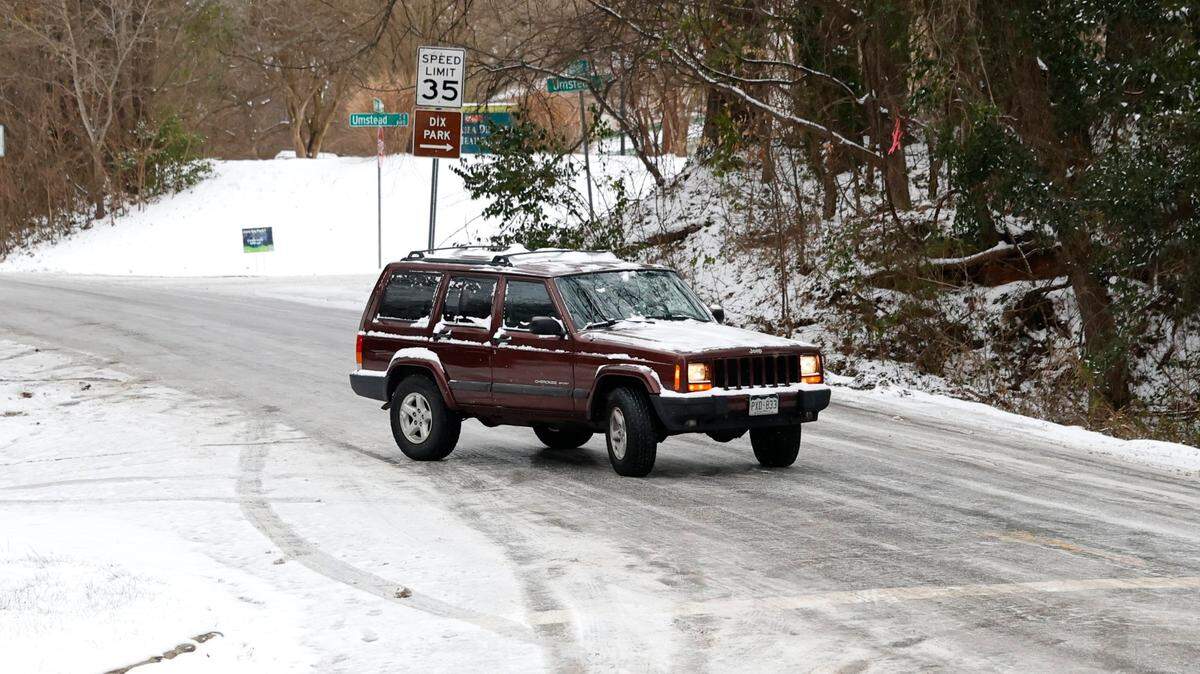
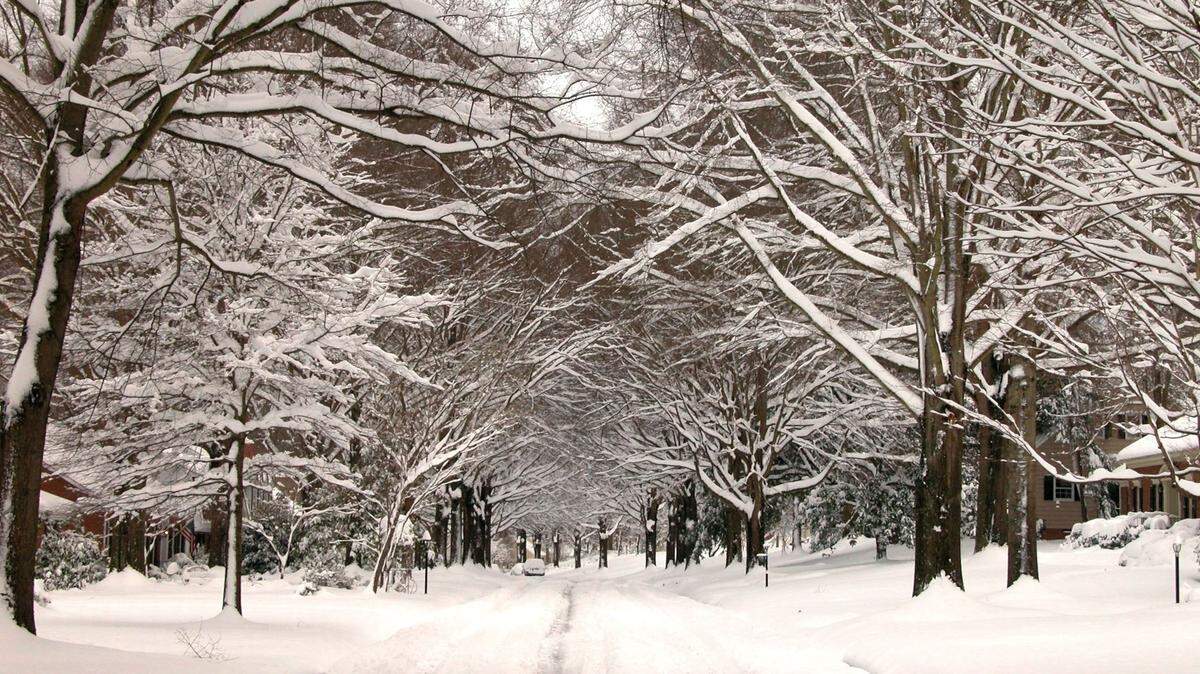
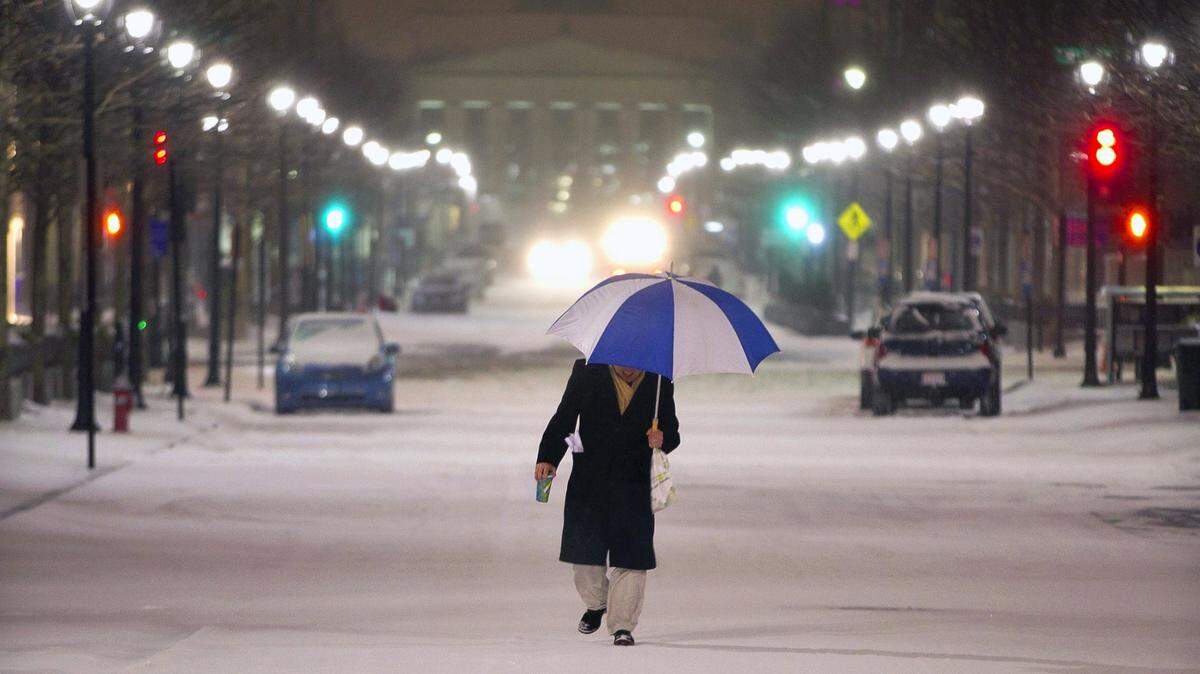
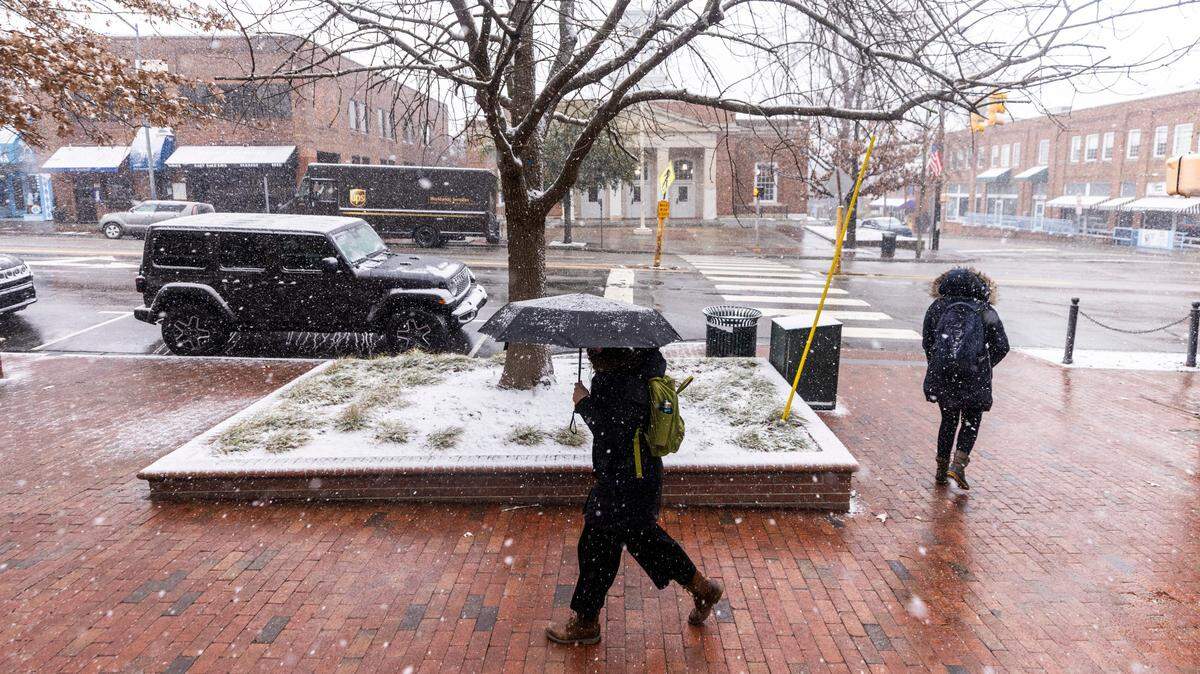
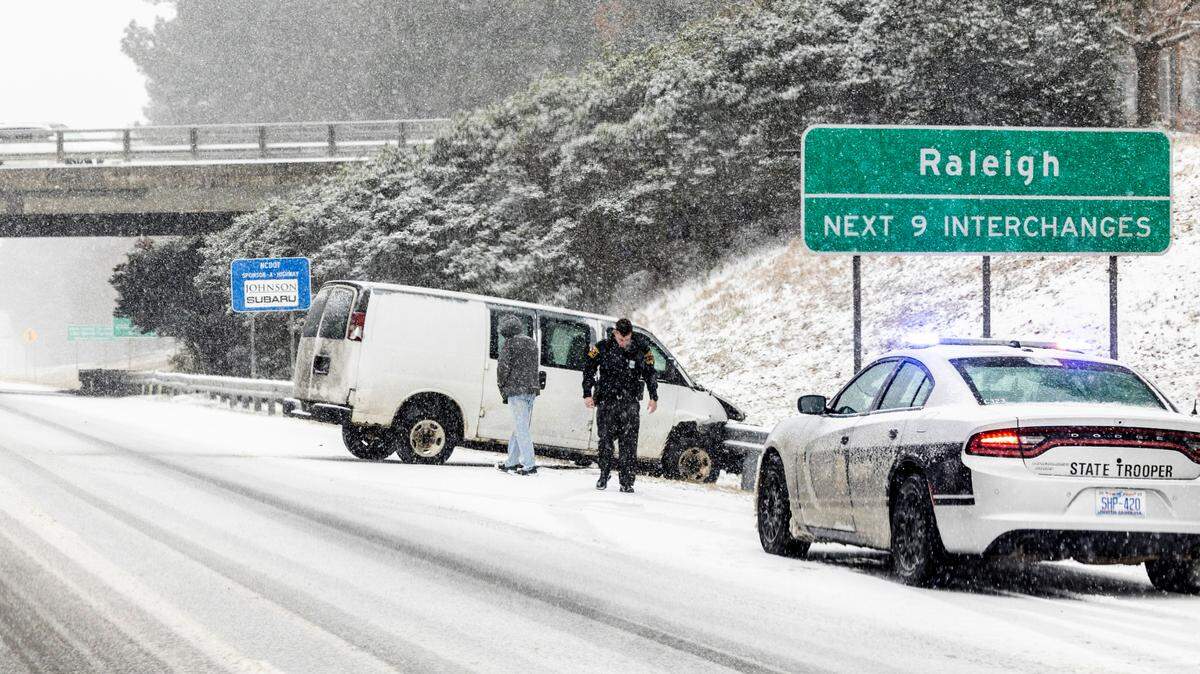
A snowstorm headed to the Piedmont region of North Carolina could make roads slick for drivers.
Charlotte has a 80% chance of snow showers, possibly mixed with sleet Wednesday, and a 50% chance of snow from 10 p.m. until after midnight, according to the NWS Charlotte forecast, The Charlotte Observer reported.
Raleigh and Chapel Hill could get around 2 inches of snow, while up to three inches are expected in Durham between now and Thursday, The News & Observer reported.
Gov. Josh Stein declared a state of emergency Tuesday and urged motorists to stay off potentially dangerous roads, The N&O reported.
“It will be unsafe to drive in many parts of North Carolina,” Stein said, “so please avoid driving unless it’s necessary.”
Here’s how crews around the state are preparing for winter weather and how you can stay safe.
How is NC preparing roads for snow?
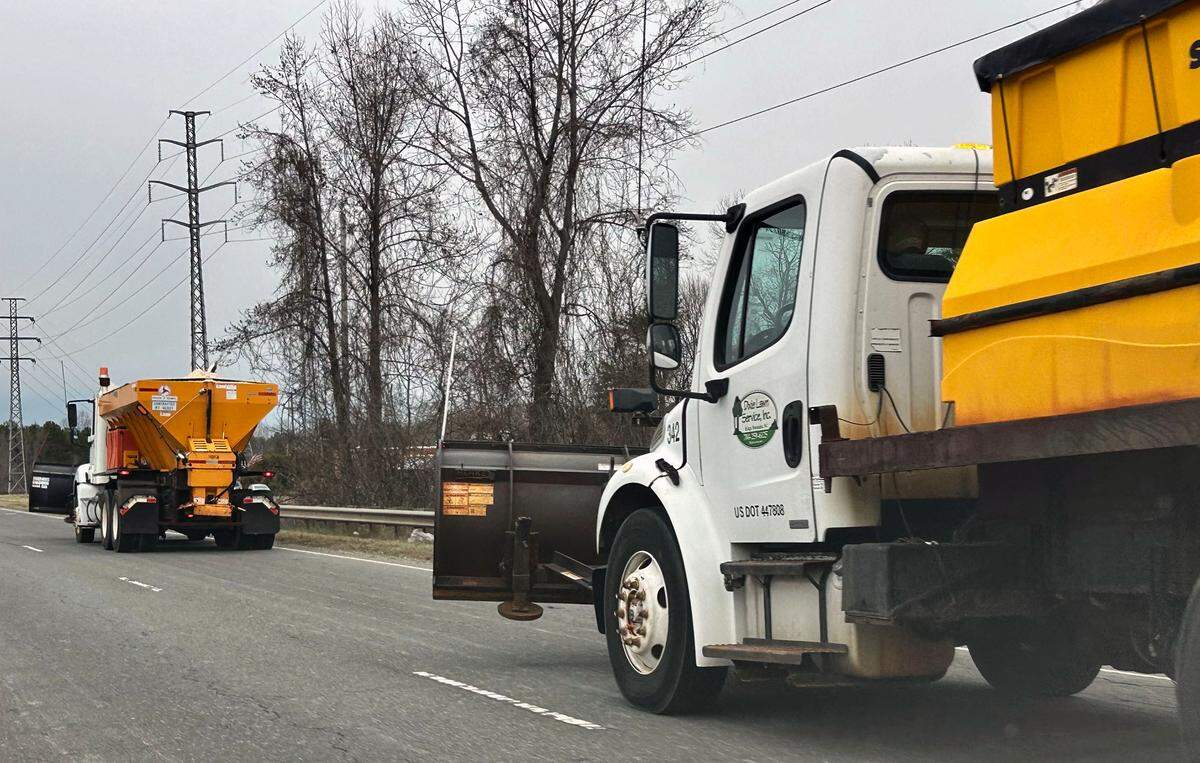
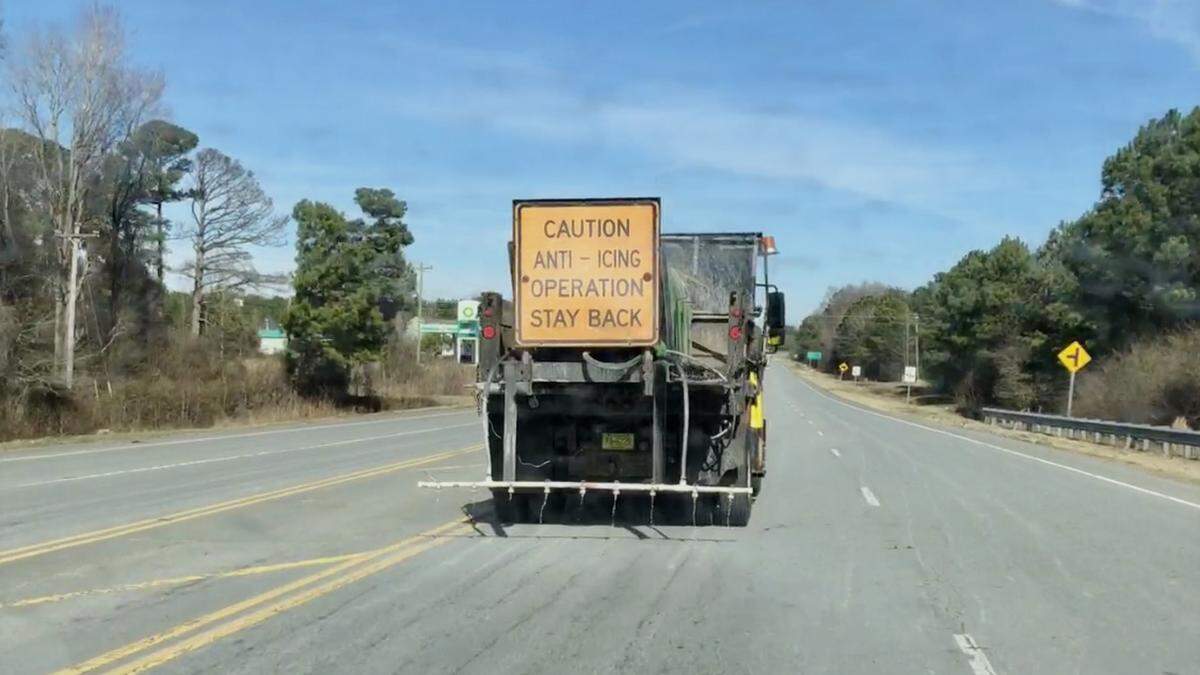
N.C. Department of Transportation crews began spreading brine on Monday in preparation for the storm, the department said in a news release.
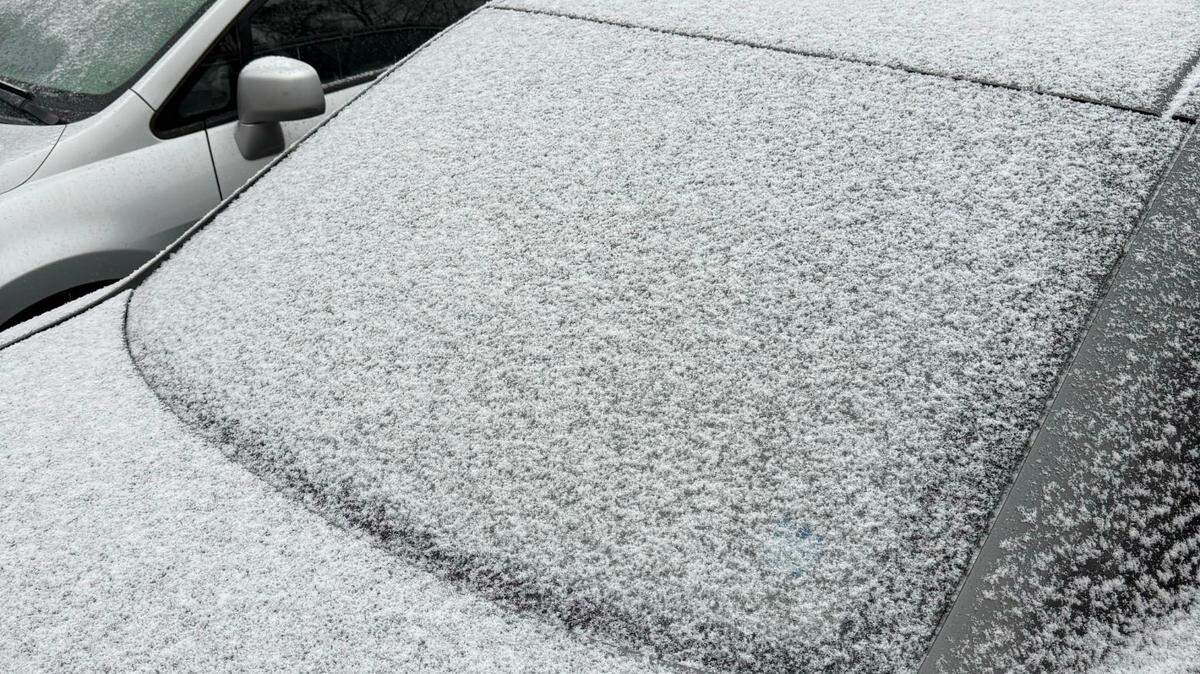
Even a dusting of snow can stick to untreated surfaces because of the Arctic cold, which can create slick road conditions, Doug McNeal, head of maintenance for NCDOT’s Region 5, which includes Wake and Durham counties, previously told The News & Observer.
Spraying salty water onto the pavement ahead of a storm lowers the freezing temperature of water and helps prevent snow and ice from bonding to the surface.
Brining didn’t become a common practice across North Carolina until after 2005, McNeal said.
It works best when applied to dry pavement and when a storm is expected to bring all snow, no freezing rain that would wash the brine away.
Does NC still use rock salt on snowy roads?
Yes. For a minor event, McNeal said, brine can be enough.
“But when you start getting more than just a skiff of snow, then we’re going to need to put more material down. Occasionally we’ll just add brine, where there are just icy spots and the sun is out and the roads are clearing.
“But if we get more than that, typically we’ll switch to rock salt. We’ll know more once it starts snowing.”
Across the seven counties in his region, McNeal said crews have 275 to 300 plows ready to go if needed to clear the roads, and another 50 or so in reserve.
Additional state crews can be brought from the mountains if needed, he said, because this time, central and Eastern NC are expected to get more snow than the western part of the state.
Which apps can you use apps to see which roads to avoid?
If you’re planning on driving during a winter storm, you can use mobile apps to check road conditions before hitting the road, according to CNET. Here are the ones the site recommends:
How to stay safe while driving in snow
The N.C. Department of Public Safety recommends staying off the road during snowstorms, but if you have to drive, you can use these tips to stay safe:
Use windshield wipers and turn on the low beam headlights.
Check your tire pressure and battery power, as the colder temperatures cause the pressure and power to drop.
Defrost windows.
Reduce speed and increase following distance, allowing you more time to stop.
If you start to slide, take your foot off the gas and do not slam on the brakes. Steer in the direction of the skid.
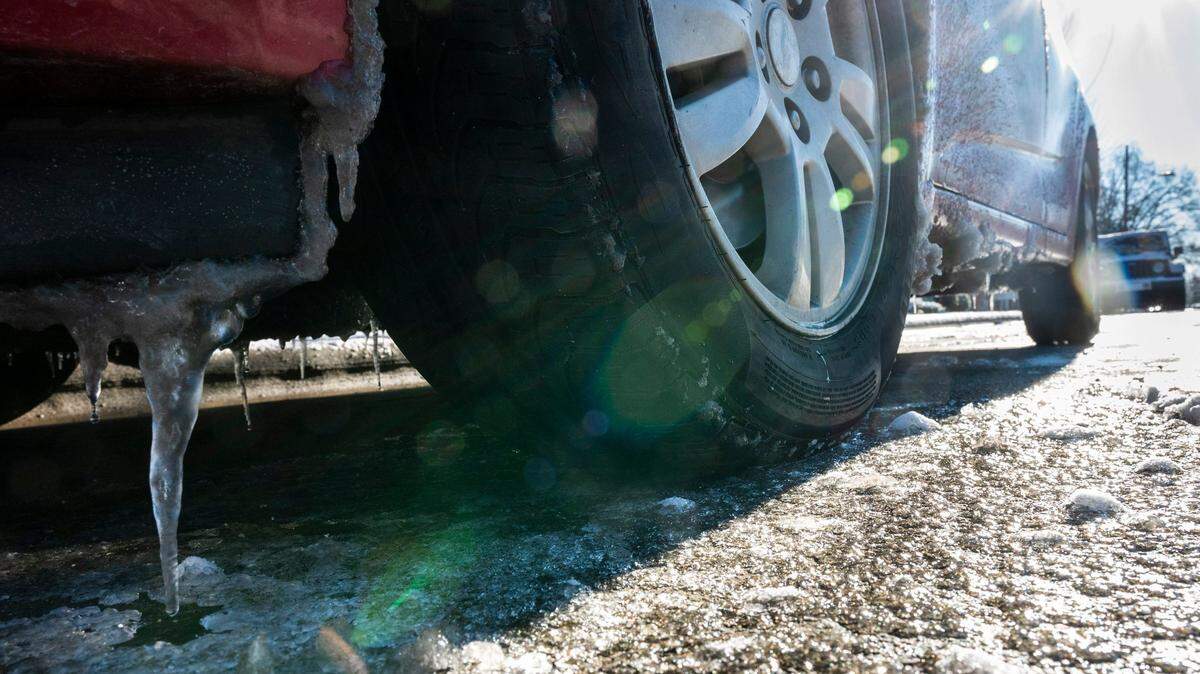
Watch for shady spots, bridges and overpasses because they will be the first to freeze as the temperatures drop.
When starting or stopping on snowy or icy roads, increase or decrease your speed slowly. This will help tires keep traction with the road.
Do not use cruise control.
Keep your gas tank at least half full at all times to prevent moisture from freezing the lines.
Carry a stocked emergency kit.
What should you do if you get into an accident?
If you get into an accident, you can follow these tips from NCDPS:
Contact N.C. Highway Patrol at *47.
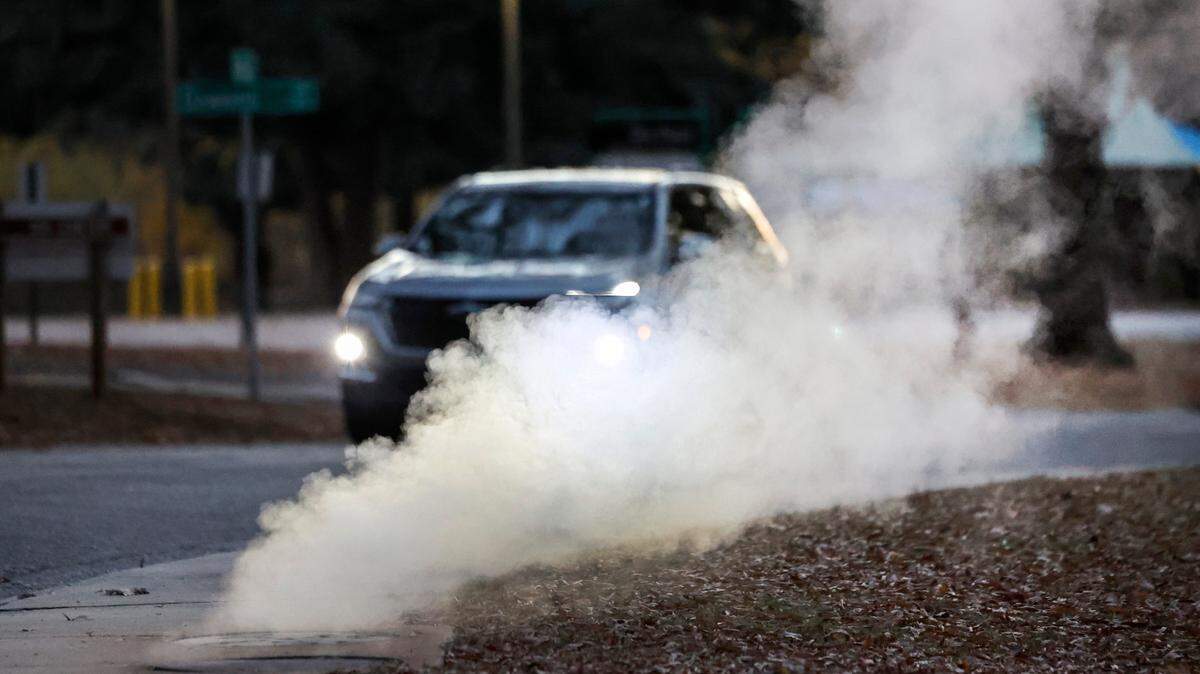
If your vehicle is running, scrape away any snow or debris from the exhaust pipe to prevent carbon monoxide build up inside the car.
Stay in the car and do not leave to search for assistance.
Newspapers, maps and even the car mats can be used for added insulation, if stranded for a long period of time.
Use a brightly colored cloth to attract attention of passing motorists who can help report your situation to law enforcement.
This story was originally published February 19, 2025 at 1:10 PM with the headline "Roads could be slick after Wednesday’s snow. If you must drive, do these things to stay safe."

.JPG)